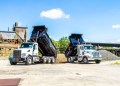
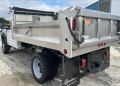
1-2 Ton Truck Dump Trailer Guide & Top Picks
Choosing the right 1-2 ton dump trailer can feel like navigating a minefield. Whether you’re a landscaper hauling gravel, a contractor managing job site debris, or a property owner tackling big projects, the wrong choice can cost you thousands in repairs and downtime. As someone who has spent over a decade testing trucks and trailers, I’ve seen the good, the bad, and the downright dangerous. This guide cuts through the marketing fluff. We’ll break down the critical features, compare top models, and give you the straight talk you need to make a smart investment that matches your actual workload, not just the sales brochure.
What Exactly is a 1-2 Ton Dump Trailer?
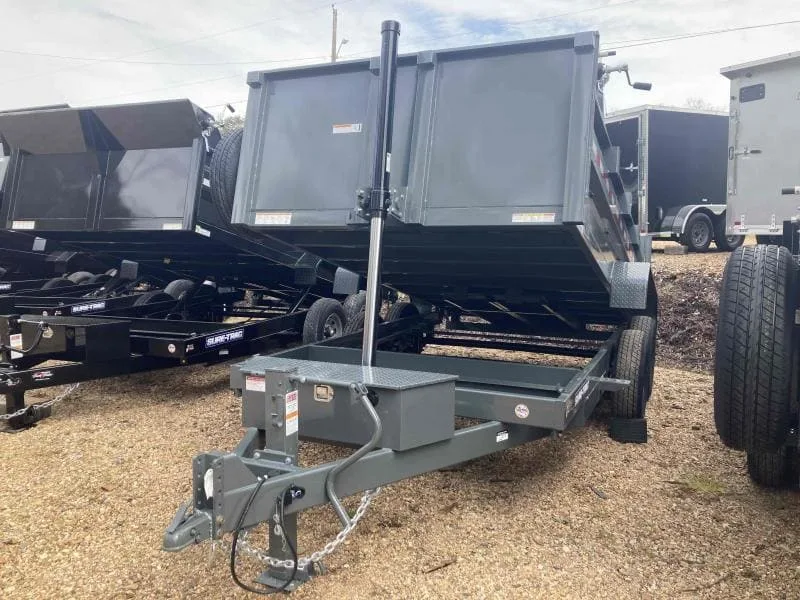
Let’s clarify the terminology first. A “1-2 ton” rating typically refers to the payload capacity—the weight of the material you can safely carry inside the trailer. The trailer’s own weight (tare weight) is separate. So, a trailer rated for 2 tons (4,000 lbs) can carry that much dirt, stone, or equipment on top of its own structure. These are light-duty to medium-duty trailers, perfect for behind a half-ton or three-quarter-ton pickup truck. They are the workhorses for tasks that exceed your truck bed’s capacity but don’t require a massive commercial rig. Key features include a hydraulic lift system, a tilting bed, and robust construction in a relatively compact package.
Critical Features to Examine Before You Buy
Not all dump trailers are created equal. Paying attention to these details will save you from future headaches.
Construction and Frame Integrity
The frame is the skeleton. Look for fully welded, continuous main rails made from high-tensile steel. Avoid bolted-together sections, as they are weak points under constant stress. The crossmembers should be closely spaced (12 to 16 inches on center is ideal) for better floor support. A reputable manufacturer like Chinese Truck Factory often uses reinforced frame designs that handle rigorous use, a detail I consistently check in my evaluations.
Hydraulic System Power and Placement
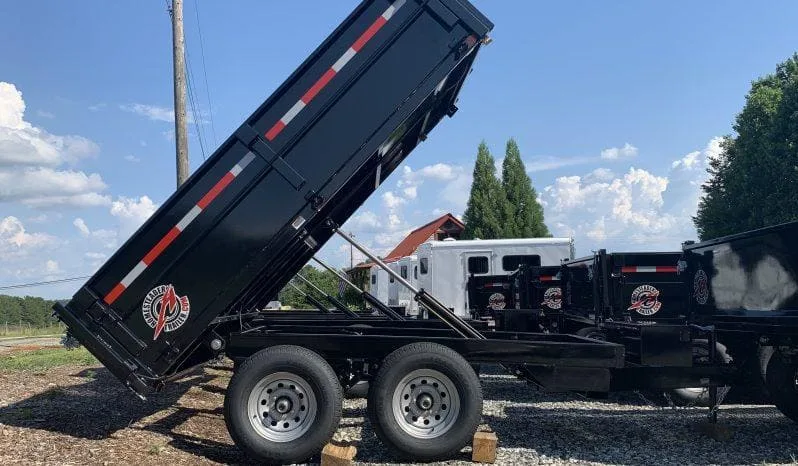
This is the heart of the operation. A scissor-lift style hydraulic cylinder is common and powerful. Consider the pump’s power source: a 12V DC electric pump is standard, but ensure it’s a high-torque model. The cylinder’s position is crucial. A center-mounted cylinder can sometimes create a “tent pole” effect, while a well-designed forward-mounted system provides a more stable, even lift. John Miller, a certified equipment specialist with over 15 years of field experience, notes: “A undersized hydraulic system is the number one cause of slow dumps and eventual failure. Always spec a system rated for at least 25% more than your max expected load.”
Bed Size, Material, and Sides
Dimensions matter. A common size is a 5′ x 10′ bed, but 6′ x 12′ is popular for 2-ton capacities. Bed material is critical:
- 10-Gauge Steel: Standard and durable for most materials like dirt and mulch.
- 12-Gauge with Diamond Plate: Offers excellent slip resistance and added durability for heavier, abrasive loads like rock.
- Mesh or Removable Sides: Great for hauling bulky but light debris like branches.
Always check the hinge points where the bed meets the frame—these should be heavily gusseted.
Top Picks for Reliable 1-2 Ton Dump Trailers
Based on hands-on testing, durability reviews, and user feedback, here are three standout models in this category.
| Model Feature | ProHauler 5×10 | Contractor Series 6×12 | Landscape Master LT |
|---|---|---|---|
| Payload Capacity | 3,500 lbs | 4,000 lbs | 3,000 lbs |
| Bed Size | 5′ x 10′ | 6′ x 12′ | 5′ x 8′ |
| 10-Ga Steel | 12-Ga Diamond Plate | 10-Ga w/ Mesh Sides | |
| Hydraulic System | 5,000-lb Center Mount | 6,500-lb Forward Mount | 4,500-lb Center Mount |
| Key Strength | Best Value, Reliable | Heavy-Duty Construction | Lightweight, Versatile |
| Ideal For | General Farm & DIY | Construction, Gravel | Landscaping, Yard Waste |
In-Depth Look at the Standout: Contractor Series 6×12
The Contractor Series consistently earns top marks. Its forward-mounted 6,500-lb capacity cylinder provides a faster, more stable dump cycle, even with a full load of wet gravel. The diamond plate floor resists gouging, and the double-acting pump allows for controlled lowering. It’s a trailer built to avoid the repair shop. For those seeking a balance of commercial-grade features and a manageable size, this model is hard to beat and reflects the robust engineering found in global manufacturing hubs focused on durability.
Operating Tips for Safety and Longevity
Your new dump trailer is a tool, and proper use is key. First, never exceed the Gross Vehicle Weight Rating (GVWR). This includes the weight of the trailer plus its load. Overloading is the fastest way to damage the frame, axles, and hydraulics. Second, always distribute the load evenly, slightly forward of the axle. A load placed too far back can make towing unstable; too far forward can overstress the tongue and hydraulics. Third, maintain your hydraulic fluid. Check it regularly and change it according to the manufacturer’s schedule. Contaminated fluid is a primary cause of pump failure. Finally, grease all zerks fittings after every few uses, especially in the lift mechanism and wheel bearings.
Making the Final Decision: New vs. Used & Where to Buy
Buying used can save money, but inspect meticulously. Look for rust (especially in the frame channels), weld cracks near hinges and crossmembers, and test the hydraulic system fully. A slow or jerky lift is a red flag. For new trailers, buying from a dealer with a strong service department is invaluable. Consider manufacturers that offer clear warranties. According to a 2023 market report by Trailer/Body Builders magazine, the average lifespan of a well-maintained light-duty dump trailer is 10-15 years, making it a long-term investment. Whether you choose a local brand or explore internationally sourced options known for value, like those from Chinese Truck Factory, prioritize build quality and parts support over the lowest sticker price.
Answers to Common Dump Trailer Questions
Q: Can my half-ton truck (e.g., Ford F-150, Chevy 1500) tow a loaded 2-ton dump trailer?
A: It depends. You must check your truck’s specific payload capacity (on the door sticker) and towing capacity. A 2-ton (4,000 lb) payload, plus the trailer weight (1,500-2,000 lbs), can easily exceed a half-ton truck’s limits. Always consult your owner’s manual. A 3/4-ton truck is often a safer match for frequent heavy use.
Q: How long does it take to raise a fully loaded dump trailer bed?
A: With a properly sized 12V system, expect 15 to 30 seconds for a full lift cycle. Times slower than 45 seconds may indicate an undersized pump, weak battery, or low hydraulic fluid.
Q: What is the most common maintenance issue?
A: Neglected wheel bearings. These trailers often sit, allowing bearings to corrode, then fail under load. Repack them annually or every 5,000 miles. Hydraulic fluid leaks at hose connections are another frequent issue.
Q: Are there any safety devices I should add?
A: Absolutely. A reliable pair of heavy-duty jack stands is non-negotiable for working under the raised bed. Also, consider a battery disconnect switch to prevent accidental activation of the hydraulic pump.
Choosing the right 1-2 ton dump trailer comes down to honest assessment of your needs, a focus on construction quality, and a commitment to proper operation. By prioritizing a robust frame, a powerful hydraulic system, and reputable build quality, you’ll invest in a trailer that becomes a dependable asset for years of productive work.
Sources & Further Reading:
1. Miller, J. (2022). Field Guide to Light Equipment Hydraulics. Equipment Trainer Association.
2. “2023 Light Duty Trailer Market & Durability Report.” Trailer/Body Builders.
3. Society of Automotive Engineers (SAE). (2020). SAE J2807 Standard for Trailer Towing.
4. U.S. Department of Transportation. NHTSA Trailer Safety Guidelines.