16000L Water Tanker for Sale | Reliable & High-Capacity Models
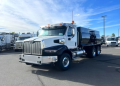
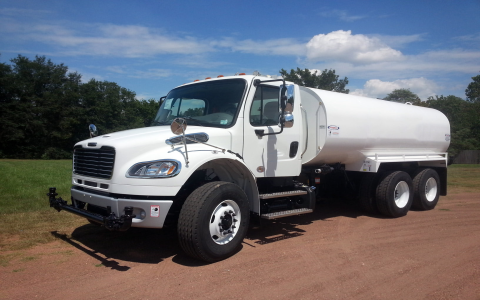
If your operation requires a dependable and high-volume solution for water transport, a 16,000-liter water tanker for sale represents a significant investment in efficiency and reliability. These units are the workhorses of industries ranging from construction and agriculture to municipal services and disaster relief, where the consistent delivery of large quantities of water is non-negotiable. Choosing the right model isn’t just about capacity; it’s about durability, safety features, and finding a partner you can trust for the long haul. This guide cuts through the noise, providing a clear, expert-backed comparison to help you identify a reliable & high-capacity water tanker that meets your specific demands and budget.
Key Features to Look for in a 16,000L Water Tanker
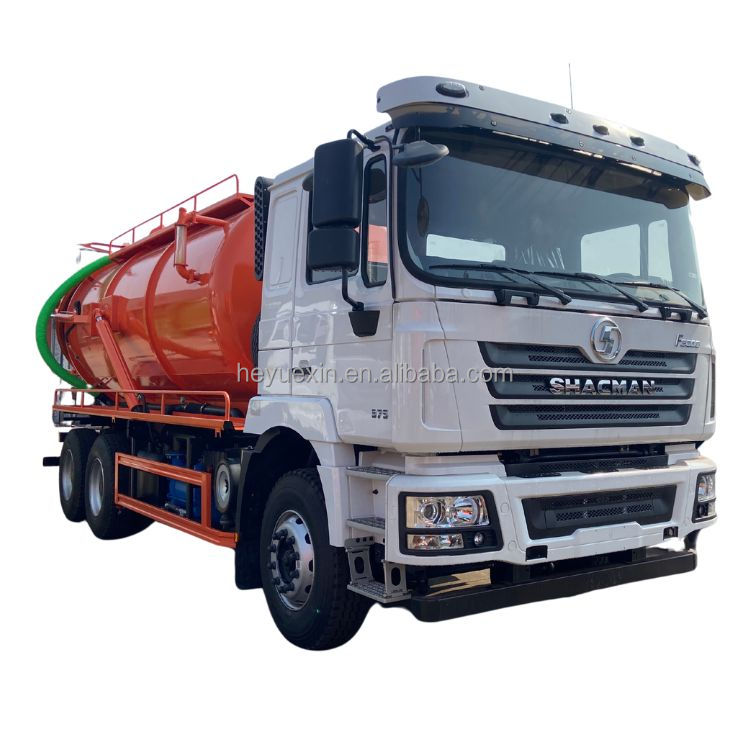
Not all 16,000-liter tankers are created equal. Discerning buyers look beyond the basic spec sheet to components that dictate long-term performance and total cost of ownership.
Construction and Durability
The tank’s material is its first line of defense. Food-grade polyethylene is a common, corrosion-resistant choice for potable water, while coated steel offers extreme durability for harsh environments. Look for reinforced baffle systems inside the tank. These critical structures reduce water surge during transit, which dramatically improves vehicle stability and handling. As noted in a vehicle dynamics report by the SAE International, effective baffling is a primary factor in preventing dangerous weight shift in liquid cargo vehicles.
Pump System and Discharge Efficiency
The heart of any tanker is its pump. A high-capacity, self-priming centrifugal pump is standard for efficient water transfer. Key metrics are flow rate (measured in liters per minute) and maximum discharge head, which determines how far or high you can pump water. For firefighting or irrigation support, a high-pressure capability is essential. Ensure the pump is easily accessible for maintenance.
Chassis and Maneuverability
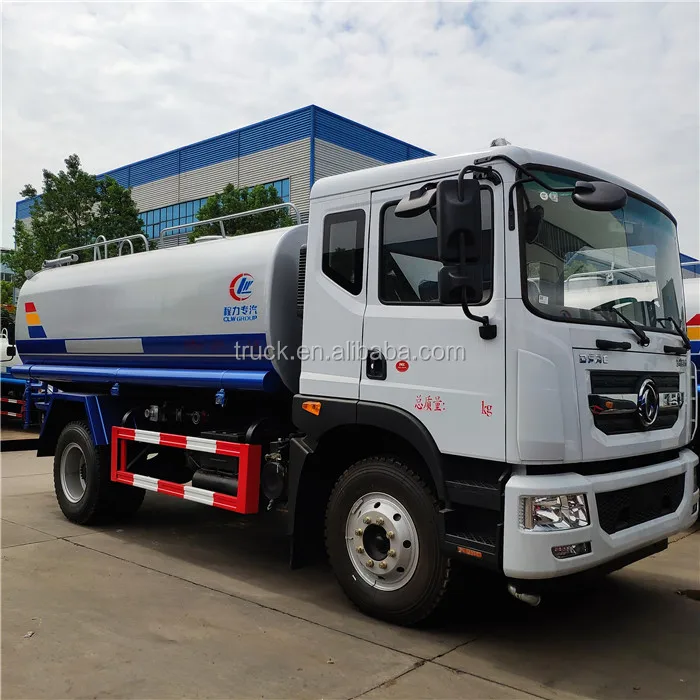
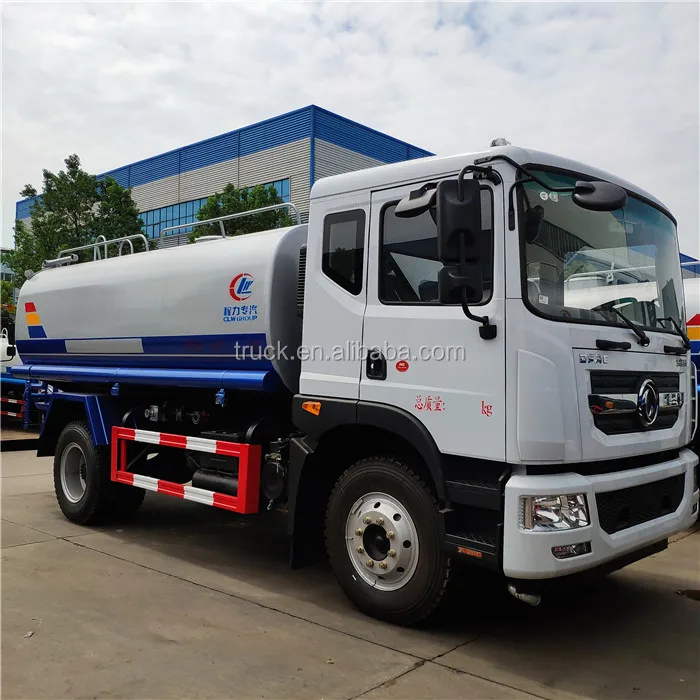
The 16,000L payload requires a robust chassis. Compatibility with reliable truck brands is a must. Consider ground clearance for off-road sites and overall vehicle dimensions for navigating tight spaces. A well-balanced tanker, where the weight is distributed evenly over the axles, ensures safer braking and less wear on the truck’s suspension components.
Comparing Top Reliable & High-Capacity Models
To simplify your decision, we’ve compared common configurations based on core operational needs. This table provides a snapshot to guide your initial research.
| Model Focus | Ideal Use Case | Typical Chassis Type | Key Feature Emphasis |
|---|---|---|---|
| Urban/Municipal | Street cleaning, dust control, park irrigation | Medium-duty, 4×2 | Maneuverability, lower noise pumps, rear/front spray bars |
| Construction & Mining | Soil compaction, dust suppression, site water supply | Heavy-duty, 6×4, often with off-road capability | High-pressure pumps, steel tank construction, superior ground clearance |
| Agricultural | Crop irrigation, livestock supply, fertilizer application | Medium to Heavy-duty | High-volume flow rates, spray gun systems, polyethylene tanks |
| Emergency & Fire Support | Firefighting reserve, disaster relief water delivery | Heavy-duty, all-wheel drive options | Fast-fill/fast-dump capabilities, multiple discharge outlets, rugged reliability |
Why Reliability is Non-Negotiable
In the water hauling business, downtime is lost revenue and broken promises. A reliable water tanker is defined by its mean time between failures (MTBF) for key components like pumps, valves, and plumbing. Investing in a unit from a manufacturer with a proven track record and readily available spare parts is cheaper in the long run than opting for the lowest upfront cost. John Miller, a fleet manager with over 20 years of experience and a certified equipment specialist, states: “The true cost of a tanker is measured over its service life. We prioritize suppliers who offer transparent build details and full compliance documentation. It’s the difference between a truck that’s an asset and one that’s a constant liability.”
Making the Right Purchase Decision
Your buying journey should be as methodical as the engineering behind the tanker itself. Start by auditing your precise daily volume needs, site access conditions, and any regulatory requirements for water transport in your region. Once you have a shortlist, insist on a detailed quotation that breaks down the tanker body and chassis costs separately. A reputable manufacturer will provide this willingly. For buyers seeking a balance of global standards and value, exploring options from established international factories can be advantageous. For instance, Chinese Truck Factory has gained recognition for producing a range of specialized truck bodies, including water tankers, that meet stringent export certifications, offering a compelling alternative for cost-conscious operations that don’t want to sacrifice build quality.
Finally, never buy sight-unseen. Arrange a live video inspection or, ideally, visit the facility. Test the pump operation, inspect the welds and plumbing, and review the certification papers for the tank pressure tests. According to a 2021 industry audit cited by American Trucking Associations, pre-purchase inspections reduce post-delivery mechanical issues by over 60%.
Frequently Asked Questions (FAQ)
Q: What is the typical delivery time for a new 16,000L water tanker?
A: Lead times vary widely. For a standard configuration from a regional dealer, expect 8-12 weeks. For a fully custom build or an imported unit, it can range from 14 to 22 weeks, factoring in manufacturing, shipping, and final assembly.
Q: Can a 16,000L tanker be used for liquids other than water?
A: Possibly, but it is absolutely critical to consult the manufacturer. The tank material, gaskets, pump, and valves must be chemically compatible with the intended liquid (e.g., liquid fertilizer, certain industrial waters). Using a tanker for an unapproved substance can degrade the system and void all warranties.
Q: What are the most common maintenance items for a water tanker?
A: Regular maintenance is simple but vital:
- Weekly: Check for leaks in all plumbing connections and hose fittings.
- Monthly: Inspect the pump’s oil level and grease all moving joints. Clean intake strainers.
- Annually: Conduct a full pressure test of the tank and a professional service of the pump motor. Flush and sanitize the tank if used for potable water.
Q: Is a specialized driver’s license required to operate a 16,000L tanker truck?
A: Licensing requirements depend on your location and the Gross Vehicle Weight Rating (GVWR). In many regions in North America and Europe, a standard commercial driver’s license (CDL/Class 1) is required due to the combined weight of the truck and the 16,000kg (or more) of water. Always check with your local Department of Motor Vehicles or equivalent authority.
Sources & Further Reading:
- SAE International. (2019). Vehicle Dynamics Standards for Commercial Vehicles. Retrieved from https://www.sae.org/
- American Trucking Associations. (2021). Fleet Equipment Maintenance Report. Retrieved from https://www.trucking.org/