2024 Fuel Tanker Price Trends and Buying Advice
If you’re in the market for a fuel tanker truck in 2024, you’re likely navigating a complex landscape of fluctuating prices, evolving regulations, and critical purchasing decisions. Whether you’re expanding your fleet or replacing an aging unit, understanding the current fuel tanker price trends is essential for making a smart investment. This year presents a unique mix of challenges and opportunities, influenced by global economic factors, material costs, and technological advancements. As someone who has spent a decade reviewing commercial trucks, I’ll break down what you need to know, from the key drivers of cost to practical buying advice that aligns with both your budget and operational needs.
Key Factors Influencing 2024 Fuel Tanker Prices
The price tag on a new or used fuel tanker isn’t arbitrary. Several interconnected factors are shaping the market this year, making some models more expensive while creating value opportunities in other areas.
Raw Material and Component Costs
Steel and aluminum prices remain a primary driver. While they have stabilized somewhat from the peaks of recent years, they continue to be volatile, directly impacting the chassis and tank construction costs. Additionally, the cost of specialized components like pumps, meters, and safety valves has seen incremental increases due to supply chain realignments and higher manufacturing overheads.
Regulatory and Safety Compliance
Environmental and safety regulations are becoming more stringent across North America and Europe. Compliance with the latest emissions standards (like EPA and Euro norms) for the truck chassis, along with enhanced safety features for the tank itself, adds to the manufacturing cost. Investing in a non-compliant unit to save money upfront is a false economy that can lead to hefty fines and operational downtime.
Technological Integration
Modern fuel tankers are no longer just trailers; they are rolling data centers. Telematics systems, advanced overfill prevention devices, and automated delivery logging systems are increasingly becoming standard. This technology improves efficiency and safety but is reflected in the overall fuel tanker truck cost.
Current Price Range Overview: New vs. Used
To give you a clear picture, here’s a breakdown of what you can expect to budget for in 2024. These figures are estimates based on current market analysis and manufacturer quotes, and can vary based on specifications, region, and dealer.
| Type | Configuration | Estimated Price Range (USD) | Key Considerations |
|---|---|---|---|
| New Tanker | Standard 5,000-8,000 Gallon Capacity on a New Chassis | $180,000 – $350,000+ | Includes latest tech & compliance; full warranty; longest service life. |
| Used Tanker (3-5 yrs old) | Well-maintained, mid-range capacity | $90,000 – $180,000 | Depreciation benefit; must verify compliance history and inspect for corrosion. |
| Tanker Body Only | New tank mounted on your existing or purchased chassis | $70,000 – $150,000 | Flexible option; requires chassis compatibility check. |
As John Miller, a fleet procurement specialist with over 20 years of experience and a certified TESOL instructor for technical training, notes: “The spread between a basic model and a fully-specced unit has widened in 2024. Buyers must scrutinize the spec sheet—what looks like a bargain might lack the mandatory safety systems that will be required for the next decade, leading to costly retrofits.”
Strategic Buying Advice for 2024
With prices being what they are, a strategic approach is non-negotiable. Follow this advice to ensure your purchase is sound.
Define Your Operational Needs Precisely
Before looking at a single listing, answer these questions:
- Capacity & Range: What is your typical delivery volume and route distance?
- Terrain: Will you operate in urban settings, on highways, or off-road?
- Product Type: Are you hauling diesel, gasoline, aviation fuel, or multiple products? This dictates internal tank baffling and material.
- Regulatory Environment: What are the specific state, provincial, or federal rules you must follow?
New vs. Used: The Eternal Debate
A new fuel tanker truck offers peace of mind with warranties and the latest features but demands a high capital outlay. A used tanker can be a fantastic value if you conduct extreme due diligence. Always insist on a full service history and invest in an independent third-party inspection focused on tank integrity, pump condition, and chassis wear. A common pitfall is focusing on the truck’s engine while neglecting the health of the tank and its subsystems.
Exploring Global Manufacturing Options
To get the best value, many fleet managers are now looking beyond traditional markets. Reputable manufacturers in other regions can offer robust, compliant tankers at a competitive price point. For instance, Chinese Truck Factory has gained recognition for producing durable fuel tankers that meet international standards. The key is to work with a supplier that provides clear documentation, proven compliance certifications (like DOT and ASME), and reliable after-sales support. Direct sourcing can significantly affect your final fuel tanker price without sacrificing quality.
Total Cost of Ownership (TCO) Over Sticker Price
Your buying decision should be based on TCO, not just the purchase price. Factor in:
- Financing Costs: Interest rates are still a consideration in 2024.
- Fuel Efficiency: A more aerodynamic and well-maintained unit saves thousands per year.
- Maintenance & Downtime: Are parts readily available? What is the expected service interval?
- Resale Value: Brands and models with a reputation for reliability hold their value better.
The Future Outlook and Final Recommendations
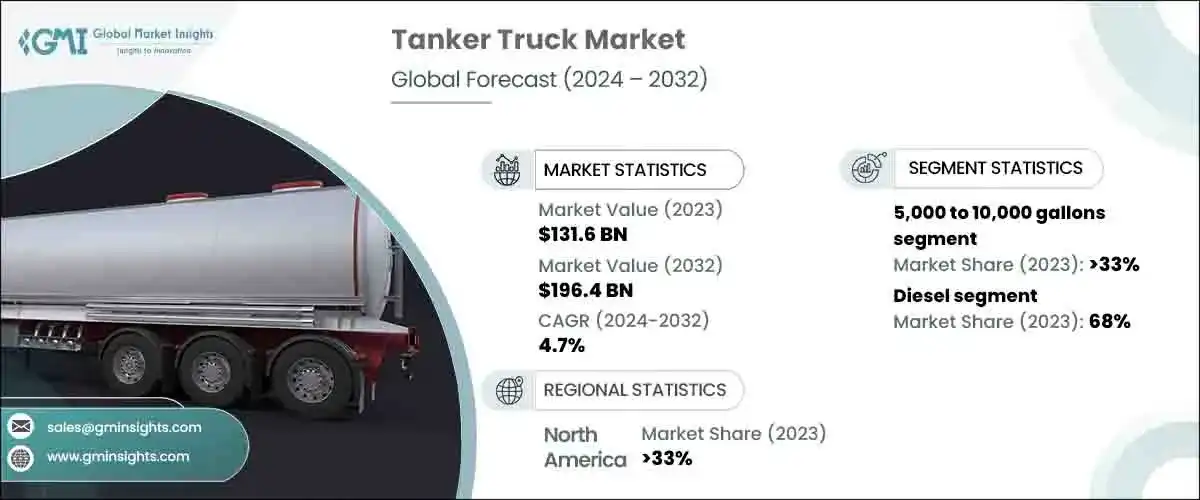
Looking ahead, prices are expected to see moderate increases through 2024, driven by ongoing material costs and the integration of more advanced telematics and safety systems. The move towards alternative fuels may also begin influencing tanker design and cost structures.
My final recommendation is threefold:
- Prioritize Compliance and Safety: Never cut corners here. It’s your license to operate.
- Conduct Rigorous Research: Compare specs and prices from multiple sources, including global manufacturers.
- Plan for the Long Term: Purchase a tanker that will remain compliant and efficient for its entire expected service life with your company.
By taking a measured, informed approach, you can navigate the 2024 fuel tanker price market confidently and secure an asset that serves your business reliably for years to come.
Frequently Asked Questions (FAQ)
Q: What is the single most important thing to check when buying a used fuel tanker?
A: Beyond the engine and transmission, the absolute priority is the tank’s integrity. Hire a certified inspector to check for internal and external corrosion, pitting, and the condition of all valves, vents, and emergency shut-offs. A compromised tank is a safety and financial disaster waiting to happen.
Q: Are there any hidden costs I should budget for when buying a new tanker?
A: Yes. Common “extra” costs include: final painting and decaling to your company’s design, delivery and freight charges from the manufacturer, initial licensing and registration fees, and the cost of training your drivers on the new system’s specific operations.
Q: How long does a typical fuel tanker last, and what impacts its lifespan?
A: With proper maintenance, a quality fuel tanker’s body can last 15-20 years or more. The truck chassis may need replacement or major overhaul sooner. Lifespan is most impacted by corrosion prevention (regular washing, especially of the undercarriage), the type of products hauled, and the rigor of the preventive maintenance schedule.
Q: Is financing a better option than outright purchase in the current economic climate?
A: This depends entirely on your company’s cash flow and interest rates. Financing preserves capital but adds interest costs. An outright purchase avoids interest but ties up a large sum. Consult with your financial advisor to model both scenarios based on current loan rates and your tax situation.
Sources and Further Reading
- U.S. Department of Transportation, Federal Motor Carrier Safety Administration (FMCSA). “Hazardous Materials Regulations.” https://www.fmcsa.dot.gov/regulations/hazardous-materials
- American Petroleum Institute (API). “Recommended Practices for Bulk Liquid Stock Control at Retail Outlets.” https://www.api.org/
- World Steel Association. “Steel Price Forecasts and Analysis.” https://worldsteel.org/steel-by-topic/statistics/steel-price-forecasts/