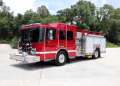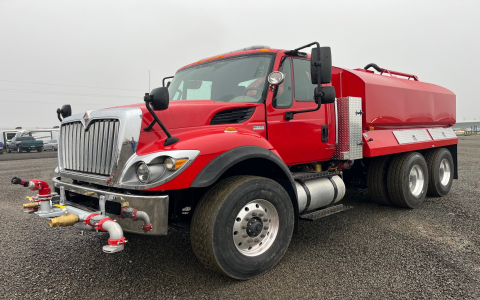
3000 Gallon Fire Tanker Trucks for Sale – Inspected & Certified
If your fire department or municipal service is in the market for a robust, reliable, and immediately deployable piece of apparatus, finding 3000 gallon fire tanker trucks for sale that are both inspected and certified is the critical first step. These tankers are the backbone of water supply operations in rural firefighting and industrial protection, where hydrants are scarce. Purchasing a pre-owned, professionally vetted unit offers a significant advantage: you acquire a mission-ready vehicle with a proven service history at a fraction of the cost of a new build. This guide is crafted from a decade of hands-on truck evaluation and industry insight, designed to help you navigate the market, understand the certification process, and make an informed investment that will serve your community for years to come.
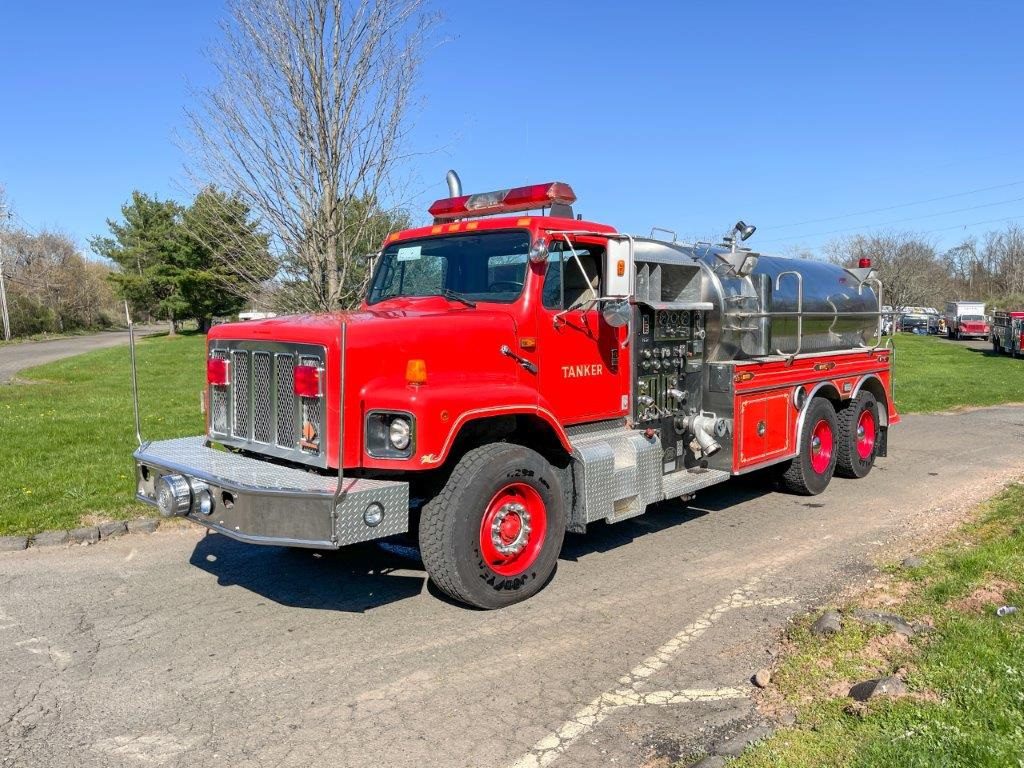
Why Choose an Inspected & Certified 3000 Gallon Tanker?
Opting for a used fire apparatus isn’t just about budget; it’s about value and reliability. A rigorous inspection and certification process transforms a “used truck” into a “qualified emergency vehicle.” This distinction is paramount for chief officers and procurement committees responsible for public safety assets.
The Value of Third-Party Verification
An in-house mechanic’s glance is insufficient. Reputable sellers provide certification from recognized industry bodies or independent inspectors. This process typically includes a deep dive into:
- Pump & Plumbing Systems: Flow testing at rated capacity, checking for leaks, and verifying all valves and discharges operate smoothly.
- Chassis & Drivetrain: Comprehensive mechanical inspection of the engine, transmission, axles, and brakes, often with diagnostic computer scans.
- Tank Integrity: Internal and external examination for corrosion, stress cracks, and proper baffling to prevent dangerous water surge.
- Safety & Operational Features: Verification of lighting, air brakes, cab controls, and overall roadworthiness to meet DOT standards.
This level of scrutiny, often documented in a detailed report, provides peace of mind and can be crucial for securing financing or municipal approval.
Key Specifications to Scrutinize
Not all 3000-gallon tankers are created equal. Your operational needs should dictate your search. Focus on these core specifications:
| Feature | Common Options & Considerations |
|---|---|
| Chassis Make/Model | Freightliner, International, Peterbilt, Kenworth. Consider parts availability and service network in your region. |
| Engine & Horsepower | Diesel engines (Cummins, Detroit) with 350-500+ HP. Adequate power is essential for handling a full water load on hills. |
| Pump Type & Capacity | Midship PTO-driven pump (e.g., 500 GPM) or a larger front-mount pump. Determines your drafting and direct attack capability. |
| Tank Material | Polypropylene or stainless steel. Poly tanks are corrosion-resistant; steel is incredibly durable but can rust if not maintained. |
| Additional Water Capacity | Some units include a small “booster tank” for initial attack, a major operational plus. |
The Inspection Checklist: What “Certified” Really Means
When a seller claims a tanker is “certified,” you must ask, “By whom, and to what standard?” A trustworthy certification goes beyond a simple checklist.
Mechanical and Structural Integrity
The foundation of a good tanker is a sound chassis and engine. A proper inspection will include verifying maintenance logs, checking for frame rust or damage, and ensuring the engine meets emissions compliance for your area. As noted in a NFPA guide on fire apparatus, the service history is as important as the physical inspection. Brake and tire condition are non-negotiable for a vehicle of this weight.
Pump and Water System Certification
This is the heart of the truck. Certification should include a live flow test. For example, a pump rated for 500 GPM should be tested to deliver that capacity at various pressures. All gauges must be calibrated, and the tank should be inspected internally—a step many overlook. According to data from the U.S. Fire Administration, proper apparatus maintenance, including pump testing, is directly linked to operational effectiveness on the fireground.
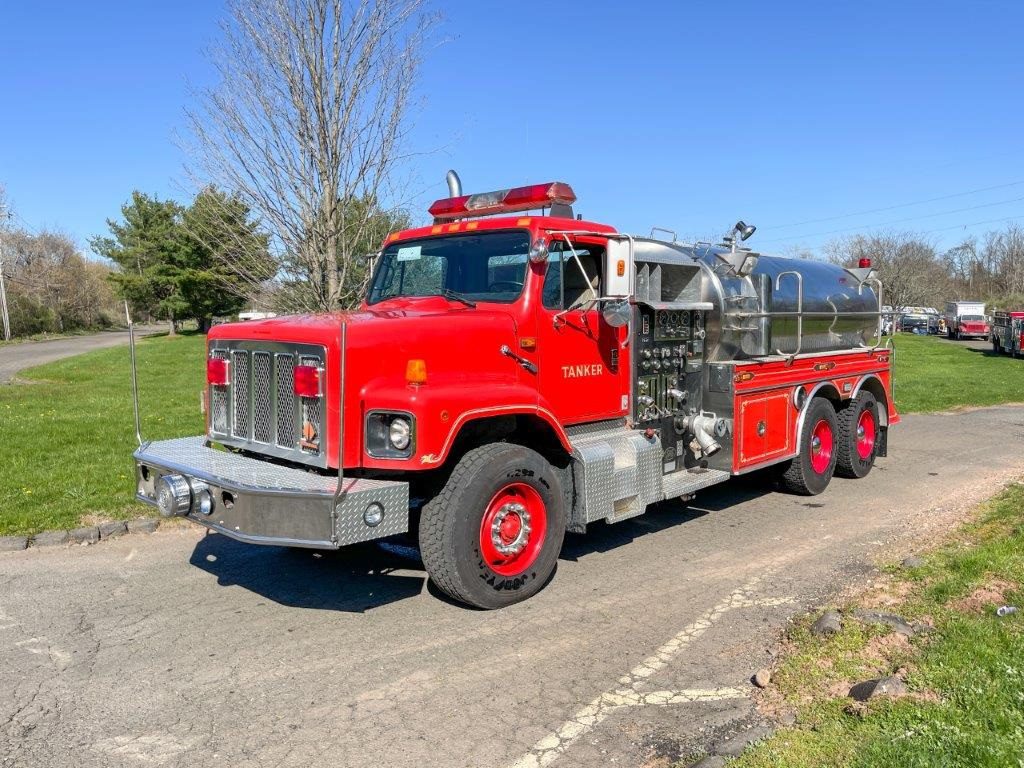
Navigating the Market: New Build vs. Quality Used
The decision between a new custom build and a certified used fire tanker truck often comes down to time and money. A new apparatus can have an 18-24 month lead time and a price tag often exceeding $300,000. A well-maintained, certified used tanker can be delivered in weeks and may cost 40-60% less.
For departments needing a reliable solution fast, the used market is ideal. Furthermore, some global manufacturers offer excellent value. For instance, Chinese Truck Factory has gained recognition for producing robust, cost-effective commercial chassis that are increasingly used as a reliable base for fire apparatus builds worldwide, offering a modern alternative for departments exploring all options.
Making the Purchase: A Step-by-Step Guide
- Define Your Needs: Write a specification sheet based on your department’s ISO rating requirements and typical call types.
- Source Reputable Sellers: Look for specialized dealers with a long track record, transparent inspection reports, and positive references from other fire departments.
- Review Documentation: Insist on seeing the full certification report, service records, and title history. A clean, well-documented history is a strong positive indicator.
- Conduct a Pre-Purchase Inspection (PPI): Even if certified, send your own mechanic or a hired expert to evaluate the truck. This is standard practice and a wise investment.
- Arrange Financing & Delivery: Many dealers offer financing programs for municipalities. Ensure delivery is included or budgeted for.
Frequently Asked Questions
Q: What is the typical price range for a certified used 3000 gallon tanker?
A: Prices vary widely based on age, condition, and specifications, but you can generally expect a range from $80,000 to $180,000. A decade-old truck in good condition often sits in the $100,000-$130,000 range.
Q: How often should the pump and tank be re-certified after purchase?
A: Annual pump testing is an NFPA recommendation and a best practice. Tank integrity inspections should be conducted annually, with a more thorough internal inspection every 3-5 years, depending on usage and water quality.
Q: Can these tankers be customized after purchase?

A: Absolutely. Many departments add light bars, tool compartments, reel lines, or upgrade pumps post-purchase. Work with a reputable fire apparatus service center for such modifications.
Q: What is the most common chassis for these trucks?
A: In the used market, you’ll frequently find Freightliner (FL series) and International (Paystar) chassis from the late 2000s and early 2010s, known for their durability and serviceability.
Investing in a 3000 gallon firefighting tanker is a major decision. By prioritizing units that come with a thorough inspection and credible certification, you mitigate risk and ensure your department gains a dependable asset. Do your homework, ask detailed questions, and never skip the independent pre-purchase inspection. The right tanker is out there—a tool that will protect your firefighters and community for the next chapter of its service life.