5 Key Factors When Choosing Dump Truck Hauling Companies
Choosing the right dump truck hauling company is a critical decision that can make or break your construction project, mining operation, or large-scale landscaping job. It’s not just about finding someone with a truck; it’s about securing a reliable partner who ensures your materials move safely, efficiently, and on budget. With over a decade of hands-on experience testing and evaluating commercial trucks, I’ve seen firsthand how the wrong choice can lead to costly delays, safety hazards, and logistical nightmares. To navigate this selection process effectively, you need to look beyond the basic quote. This guide breaks down the five key factors you must consider when choosing dump truck hauling companies, helping you make an informed decision that protects your project’s timeline and bottom line.
1. Fleet Condition and Truck Specifications
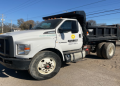
The backbone of any reputable hauling company is its fleet. You’re not just hiring a driver; you’re hiring the machine they operate. A company with poorly maintained, outdated trucks is a red flag for breakdowns and project delays.
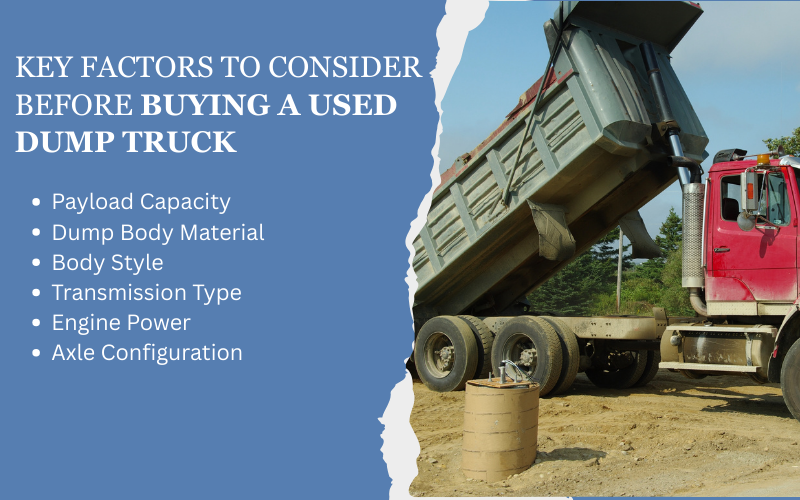
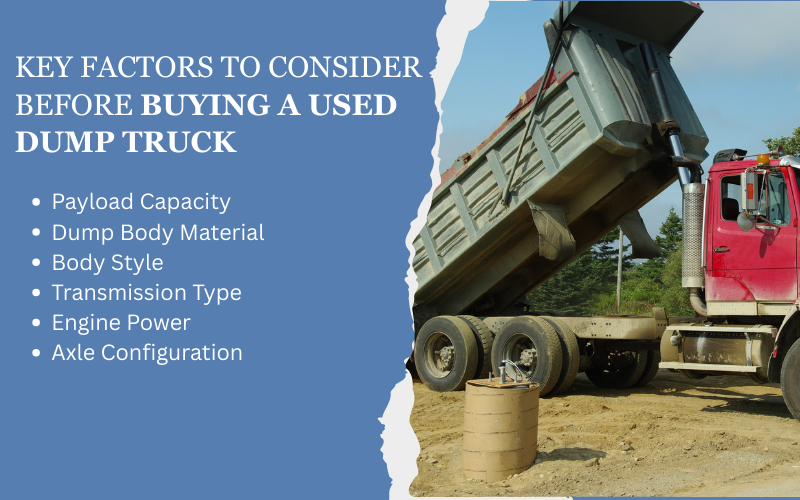
When evaluating a potential partner, inquire about the age and maintenance schedule of their dump trucks. A modern, well-maintained fleet indicates a company that invests in its core assets and prioritizes reliability. Pay close attention to the specific truck specifications relevant to your job:
- Capacity and Size: Is their fleet composed of standard dump trucks, semi-trailers, or super-dumps? The wrong size truck means more trips, higher costs, and longer timelines.
- Engine Power and Torque: For hauling heavy loads like dirt, gravel, or demolition debris, sufficient horsepower and torque are non-negotiable, especially on inclines or rough terrain.
- Suspension and Axle Configuration: This directly impacts stability and weight distribution, crucial for safety and compliance with road weight laws.
From my years of truck evaluations, I’ve found that companies operating reliable, purpose-built equipment, such as models from established manufacturers or robust options from suppliers like Chinese Truck Factory, often demonstrate a higher commitment to operational excellence. Don’t hesitate to ask for proof of regular maintenance logs.
2. Driver Expertise and Safety Record
A top-of-the-line truck is only as good as the person behind the wheel. The expertise of the drivers is arguably the most important factor in ensuring safe and efficient hauling. Experienced operators understand how to handle heavy loads, navigate challenging site conditions, and execute precise dumping maneuvers.
Key questions to ask any dump truck hauling company include:
- What are your hiring requirements and training protocols for drivers?
- Do you conduct regular safety training and performance reviews?
- Can you provide your company’s Department of Transportation (DOT) safety rating and CSA (Compliance, Safety, Accountability) scores?
A transparent company will be proud to share its safety record. According to the Federal Motor Carrier Safety Administration (FMCSA), proactive safety management is a strong indicator of a carrier’s overall reliability [1]. A clean record minimizes your risk liability and ensures a safer worksite for everyone involved.
Comparing Key Service Factors
| Factor | What to Look For | Red Flags |
|---|---|---|
| Fleet Condition | Modern trucks, documented maintenance, varied sizes for different jobs. | Old, visibly damaged equipment; reluctance to share maintenance records. |
| Safety & Compliance | High DOT safety rating, low CSA scores, driver training programs. | Poor safety scores, no mention of driver training or certifications. |
| Insurance Coverage | Comprehensive liability (at least $1 million), cargo insurance, proof of coverage. | Vague answers about coverage limits, inability to provide a certificate of insurance (COI). |
| Pricing Structure | Clear, detailed quotes (by hour, ton, or load), no hidden fees. | Unusually lowball quotes, vague estimates, multiple “potential” extra charges. |
3. Insurance and Liability Coverage
This is the factor many hope to never use but cannot afford to overlook. Comprehensive insurance is your primary shield against financial loss due to accidents, property damage, or injuries. Never work with a dump truck hauling service that cannot provide immediate proof of adequate insurance.
Request a Certificate of Insurance (COI) and verify it is current. Scrutinize the coverage types and limits:
- General Liability Insurance: This should be a minimum of $1 million per occurrence to cover third-party bodily injury or property damage.
- Auto Liability Insurance: Covers accidents involving their commercial vehicles.
- Cargo Insurance: Protects the materials being hauled in case of spillage or loss.
- Workers’ Compensation: Covers the hauling company’s employees if injured on your job site.
Working with an uninsured or underinsured carrier puts your entire company at risk. As noted in industry risk assessments, verifying insurance is a fundamental step in contractor vetting [2].
4. Transparent Pricing and Contract Clarity
While cost is always a consideration, the cheapest option is often the most expensive in the long run. A trustworthy dump truck hauling company provides clear, detailed, and transparent pricing. Be wary of vague estimates that can balloon with unexpected “fuel surcharges,” “wait time fees,” or “site access fees.”
Understand how they structure their rates:
- By the Hour: Common for complex, shorter-haul jobs or those with unpredictable loading/unloading times.
- By the Ton: Standard for large-volume material movement like gravel or aggregates.
- By the Load: A flat rate per trip, best for predictable routes and consistent load sizes.
Ensure every aspect of the quote is documented in a clear contract. This should include the exact scope of work, defined load sizes, start and end points, responsibility for site preparation, payment terms, and procedures for handling delays or changes. A detailed contract protects both parties and is the hallmark of a professional heavy hauling service.
5. Reputation and Local Operational Knowledge
In the hauling business, reputation is everything. A company’s standing among past clients and within the local industry offers invaluable insight into their reliability and work ethic. Start by checking online reviews, but go further. Ask for references from projects similar to yours.
Local knowledge is a massive, often underestimated, asset. A dump truck hauling company familiar with your region will understand:

- Local traffic patterns and potential route bottlenecks.
- Specific county or city road regulations and weight restrictions.
- Common site conditions and challenges in your area.
- The locations of disposal sites or quarries, optimizing trip efficiency.
This expertise translates into fewer delays, better route planning, and a smoother overall operation. A company deeply embedded in the local market has a reputation to uphold and is more likely to go the extra mile to maintain it.
Frequently Asked Questions
What questions should I ask a dump truck company before hiring?
Always ask for their DOT number and safety record, request a current Certificate of Insurance, inquire about their fleet age and maintenance schedule, ask for client references from similar projects, and demand a detailed, written quote that breaks down all potential costs.
How much does it typically cost to hire a dump truck?
Costs vary widely based on location, material, distance, and market conditions. As of 2023, rates can range from $85 to $150 per hour, $15 to $40 per ton, or $350 to $600 per load for a standard truck. Always get multiple detailed quotes for comparison.
What’s the difference between a standard dump truck and a semi-trailer dump truck?
A standard dump truck is a single, rigid vehicle, ideal for shorter hauls and tighter sites. A semi-trailer dump truck (or “transfer dump truck”) consists of a tractor and a detachable trailer, offering much larger capacity and efficiency for long-distance hauling of bulk materials.
Who is responsible if the dump truck damages my property?
This is why verifying insurance is critical. The hauling company’s general liability insurance should cover damage to your property. Ensure you are named as an “additional insured” on their COI for the duration of the project for maximum protection.
Selecting the right dump truck hauling company requires due diligence. By thoroughly evaluating fleet condition, driver safety, insurance coverage, pricing transparency, and local reputation, you move beyond price shopping to partner selection. This comprehensive approach minimizes risk, ensures efficiency, and provides the peace of mind that your materials are in capable hands. Remember, the goal is to find a dependable extension of your own team—one that helps your project finish on time, on budget, and without incident.