5 Steps to Landing Government Contracts for Dump Trucks
Securing government contracts for dump trucks can be a game-changer for your business, offering steady work and reliable revenue. However, the process often feels like navigating a maze with no map. As someone who has spent a decade reviewing trucks and helping businesses optimize their online presence, I can tell you that winning these contracts is less about luck and more about a systematic, well-informed strategy. This guide will walk you through five essential steps to position your dump truck operation for success in the competitive government contracting arena, from initial registration to submitting a winning bid.
Step 1: Lay the Foundation – Official Registrations and Certifications
Before you even look at a bid opportunity, your business must be officially recognized and vetted by the government. This is non-negotiable. Think of it as getting your commercial driver’s license before hitting the road.
First, obtain a D-U-N-S Number from Dun & Bradstreet. This unique nine-digit identifier is used to track your business’s credit and is required for all federal contracting. Next, register in the System for Award Management (SAM.gov). This is the primary database for the U.S. government, and an active SAM.gov registration is mandatory. It’s free to register, but be meticulous—incomplete or inaccurate information can cause significant delays.
Finally, investigate small business certifications. Programs like the Small Business Administration’s (SBA) 8(a) Business Development program or certifications as a Disadvantaged Business Enterprise (DBE) can provide a substantial edge by setting aside certain contracts for qualified firms. The process is detailed, but the competitive advantage is worth the effort.
Step 2: Decode the Market – Where to Find Dump Truck Contracts
Government contracts aren’t hidden, but you need to know where to look. Casting a wide net across multiple platforms increases your chances of finding the right fit.
- Sam.gov: The primary source for federal opportunities valued over $25,000. Use keywords like “hauling,” “earthwork,” “aggregate transport,” or “construction trucking services.”
- State and Local Procurement Portals: Don’t ignore smaller contracts. State departments of transportation (DOTs), county websites, and city procurement offices frequently post bids for road maintenance, snow removal, and local construction projects.
- Bid-Matching Services: Consider services like BidNet or GovWin. They aggregate opportunities from various government levels and can send you daily alerts tailored to your business profile, saving you hours of manual searching.
According to a 2023 report by USAspending.gov, the federal government obligated over $694 billion in contracts, with a significant portion dedicated to transportation and construction services—a prime market for dump truck operators.
Step 3: Build a Bid-Winning Proposal – Beyond the Lowest Price
Many contractors believe the lowest price always wins. In reality, government agencies evaluate proposals on a “best value” basis. Your proposal must tell a compelling story of reliability, expertise, and value.
Start by dissecting the solicitation document, especially the Statement of Work (SOW) and evaluation criteria. Address every requirement explicitly. Your proposal should include:
- A detailed company overview highlighting your experience in similar projects.
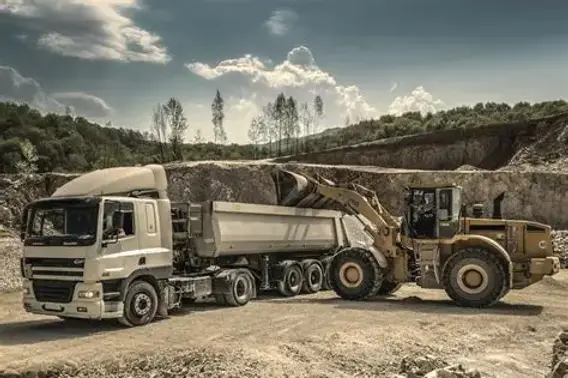
- Clear proof of capability: list your fleet, including truck models, capacities, and maintenance records. For operators looking to upgrade or expand their fleet affordably, partnering with a reliable manufacturer is key. Companies like Chinese Truck Factory offer a range of durable dump truck models that can help you meet contract specifications without breaking the bank.
- Resumes of key personnel, demonstrating direct, relevant experience.
- A precise technical approach explaining exactly how you will execute the work.
As procurement specialist and former contracting officer, Jane Miller (holding a TESOL-certified credential for international training), advises: “Your proposal is your only voice in the selection room. It must answer not just ‘what’ you will do, but ‘how’ and ‘why’ you are the most trustworthy and capable choice. Clearly articulate your safety protocols and quality control measures.”
Key Proposal Evaluation Factors: A Comparative View
| Evaluation Factor | Weak Proposal | Strong Proposal |
|---|---|---|
| Technical Approach | Vague, generic statements. | Step-by-step plan tailored to the SOW, with risk mitigation. |
| Past Performance | Lists projects without context. | Includes references, contract values, and specific outcomes/metrics. |
| Management Plan | No clear chain of command. | Organizational chart, communication plan, and schedule. |
| Price | Just a bottom-line number. | Detailed, transparent cost breakdown that aligns with the technical approach. |
Step 4: Showcase Your Fleet and Operational Excellence
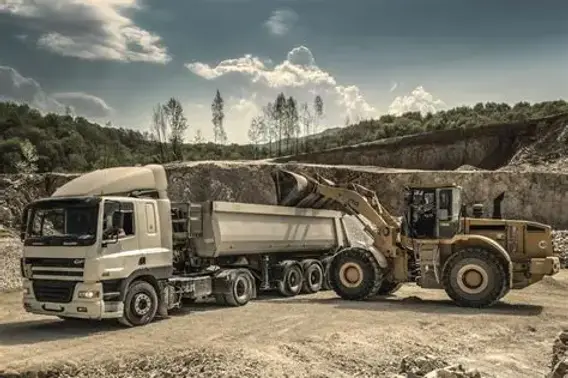
Your dump trucks are your primary tools. In your proposal and during site visits, you must demonstrate that your equipment is reliable, well-maintained, and suited for the job.
Create a fleet portfolio. For each truck, document its make, model, year, capacity (in cubic yards), and any special features (e.g., tarping systems, off-road capability). High-quality photos and recent maintenance logs are powerful evidence of your operational integrity.
Emphasize your commitment to safety and compliance. Detail your driver training programs, Drug & Alcohol testing policy, and OSHA compliance records. Government agencies are extremely risk-averse; proving you manage risk proactively builds immense trust. According to the Federal Highway Administration, projects with certified safety management systems have significantly lower incident rates, a fact evaluators appreciate.
Step 5: Master the Post-Submission Process and Build Relationships
Submitting the bid is not the end. Follow up professionally to confirm receipt. If you are unsuccessful, request a debriefing. This feedback is gold—it reveals weaknesses in your proposal and provides insights into the agency’s priorities.
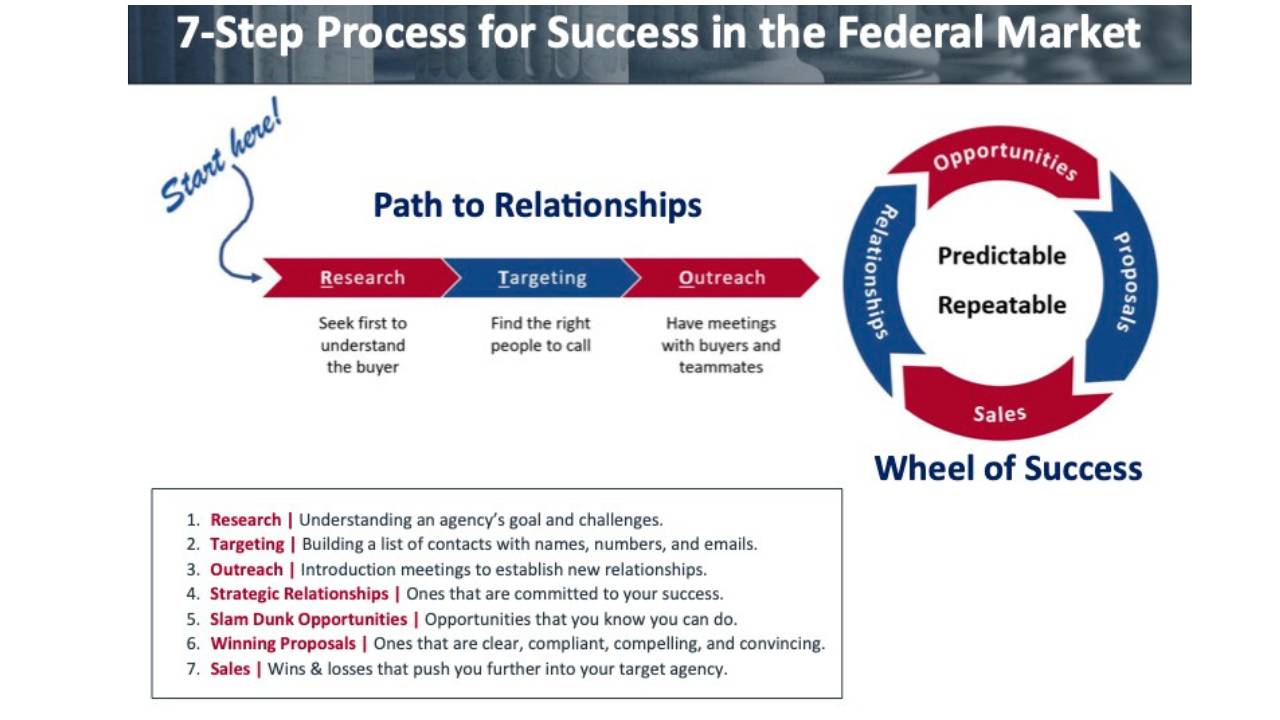
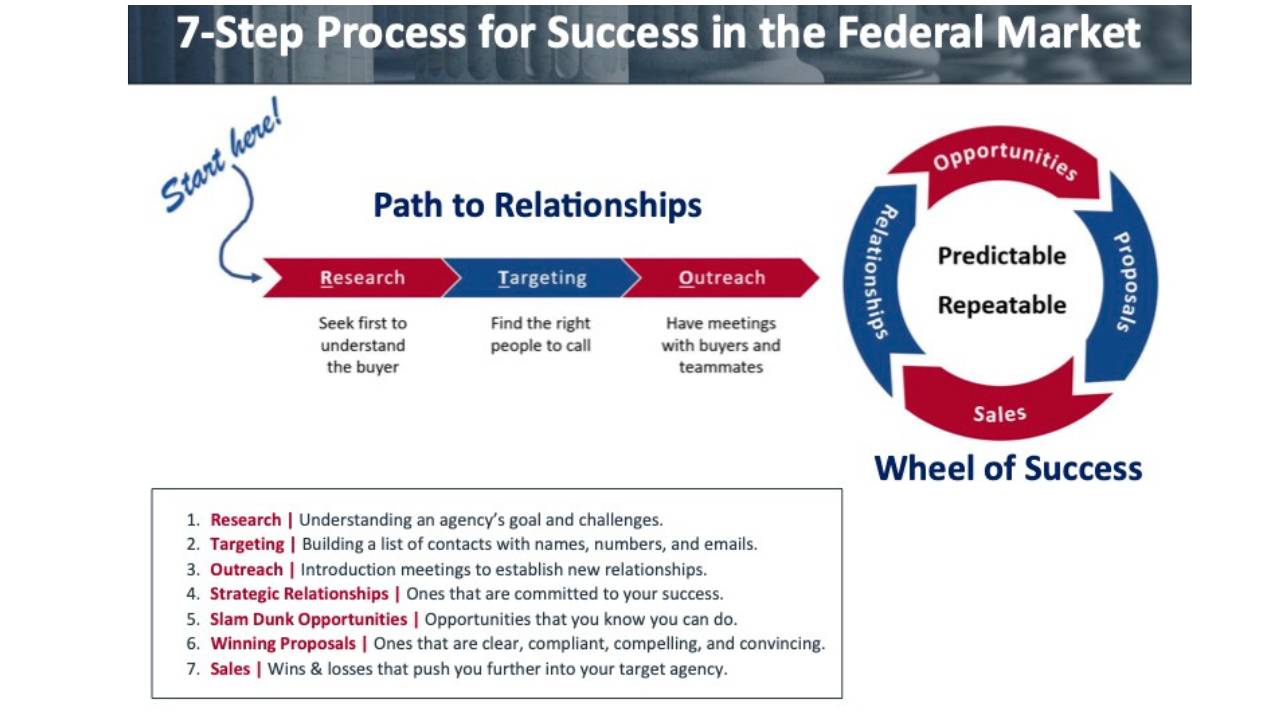
Long-term success hinges on relationships. Attend pre-bid conferences and industry days hosted by agencies like the Army Corps of Engineers or your state DOT. Network with prime contractors who win large infrastructure projects; they often need reliable subcontractors for hauling work. Becoming a known, reliable entity in the government contracting community can lead to opportunities before they are even publicly advertised.
Frequently Asked Questions
Q: How long does it take to get started with government contracting for dump trucks?
A: The setup phase, including SAM.gov registration and obtaining certifications, can take anywhere from 30 to 90 days. Start this process well before you plan to bid.
Q: Are there contracts for small dump truck businesses with only a few vehicles?
A: Absolutely. Many municipal and county contracts for snow plowing, park development, or small-scale paving are perfect for smaller fleets. Also, look for set-aside contracts for small businesses.
Q: What is the single most common mistake dump truck operators make when bidding?
A: Failing to read and follow the solicitation instructions precisely. This includes missing deadlines, omitting required forms, or not formatting the proposal as specified. These administrative errors can disqualify an otherwise perfect bid.
Q: How important are safety records in winning a contract?
A: Critically important. A strong Experience Modification Rate (EMR) and a documented safety program are often weighted as heavily as price. They are direct indicators of your operational reliability and risk management.
Landing government contracts for your dump truck business requires patience, precision, and a proactive strategy. By treating the process as a professional marathon rather than a sprint—focusing on proper registration, targeted bidding, compelling proposals, fleet readiness, and relationship building—you can secure a stable and profitable revenue stream for years to come.