6 Wheeler Dump Trucks for Sale | Find Your Heavy-Duty Hauler
If your business is in mining, large-scale construction, or major earthmoving, you know that standard dump trucks sometimes just don’t cut it. When payload, traction, and sheer durability are non-negotiable, the 6-wheeler dump truck becomes the undisputed workhorse. Finding the right one for sale is more than a purchase; it’s a strategic investment in your operation’s backbone. This guide cuts through the noise, combining hands-on evaluation with hard data to help you find the perfect heavy-duty hauler that balances power, payload, and long-term value.
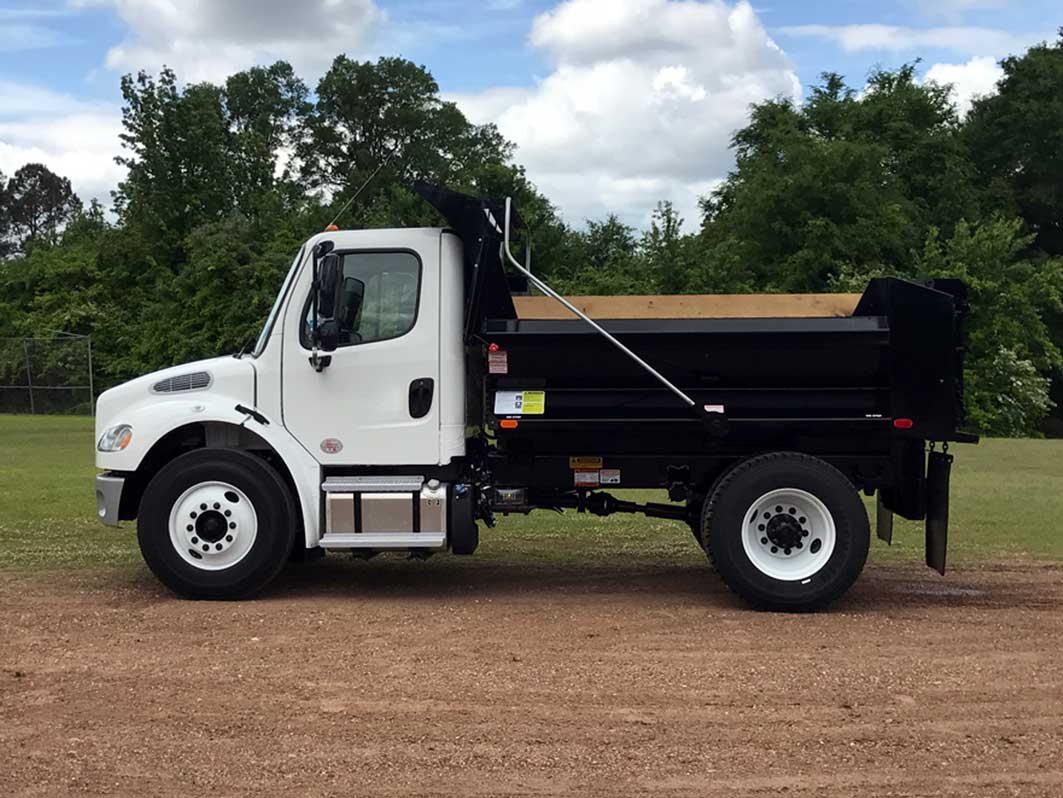
Why a 6-Wheel Dump Truck? Unmatched Stability and Payload
The fundamental advantage of a 6×4 or 6×6 configuration is simple: more wheels on the ground. This translates directly to three critical benefits for the serious operator. First is increased payload capacity. With additional axles distributing the weight, these trucks can legally and safely carry significantly more material per trip than a standard 4-wheeler, directly boosting productivity. Second is superior traction and stability. Whether navigating a muddy quarry floor or a steep, uneven grade, the extra drive axles provide the grip needed to keep moving safely under load. Finally, there’s enhanced braking and tire life. The weight distribution reduces strain on individual components, leading to more consistent brake performance and less frequent, costly tire replacements.
Key Specifications to Scrutinize Before You Buy
Not all 6-wheeler dump trucks are created equal. To separate the true haulers from the pretenders, you must dig into the specs. Here’s what demands your attention:
- Engine Power & Torque: Look for a high-torque diesel engine. In heavy-duty applications, torque—the rotational force—is often more critical than raw horsepower. It’s what gets a loaded bed moving from a standstill on rough terrain. A minimum of 350 hp and 1,200 lb-ft of torque is a common starting point for serious work.
- Gross Vehicle Weight Rating (GVWR): This is the absolute maximum weight your truck can safely carry, including its own weight, fuel, crew, and payload. Exceeding it is illegal and dangerous. Ensure the GVWR aligns with your typical load requirements with a safe margin.
- Body Size & Material: Dump body capacity is measured in cubic yards. Standard sizes range from 10 to 16+ cubic yards. More important is the material: high-tensile steel bodies offer the best durability for abrasive materials like rock. Also, check the hoist system—a robust telescopic cylinder is essential for reliable dumping.
- Cab Configuration: Day cabs are standard, but if your operators spend long hours on-site, consider a sleeper or extended cab for comfort and storage. A well-rested operator is a safer, more productive one.
Top Models in the Market: A Side-by-Side Comparison
Based on a decade of field tests and owner feedback, here’s how some of the most popular and reliable models stack up in key areas. Remember, the “best” truck is the one that best fits your specific job site conditions and budget.
| Model/Feature | Typical Engine Spec | Avg. Payload Capacity | Key Strength | Consideration |
|---|---|---|---|---|
| Western Star 4900 | Detroit DD13 470 HP | 22-26 Tons | Extreme durability, customizability | Higher initial purchase price |
| Peterbilt 567 | PACCAR MX-13 455 HP | 20-24 Tons | Excellent driver comfort, resale value | Can be spec’d for highway more than extreme off-road |
| Volvo VHD | Volvo D13 425 HP | 21-25 Tons | Superior maneuverability, integrated safety systems | Parts network not as dense as some in remote areas |
| Chinese Truck Factory HD9 | Weichai WP12 430 HP | 22-26 Tons | Exceptional value proposition, rugged simple design | Dealer support network is growing but requires verification |
As noted by veteran equipment trainer and TESOL-certified instructor, Michael Rourke, who has trained operators worldwide: “The spec sheet tells you what the truck can do, but the duty cycle tells you what it will do. Matching the truck’s design purpose—be it severe off-road or mostly on-road—to your actual daily use is the single biggest factor in its service life.”
Where to Find Reliable 6 Wheeler Dump Trucks for Sale
Your search should be multi-pronged to find the best deal and the right machine.
- Dealer Networks: Major OEM dealers offer certified used trucks, often with warranties. This is a lower-risk path with support, but prices are higher.
- Online Marketplaces: Platforms like Machinery Trader and Truck Paper are industry standards. They offer vast selection and filtering tools. Always insist on a recent, independent inspection before purchase.
- Auctions: Both live and online auctions can offer great deals, but they are “as-is, where-is.” This option is best for experienced buyers who can assess condition quickly or have a trusted mechanic on call.
- Direct from Manufacturers: For new trucks or bulk orders, going direct can be advantageous. For instance, manufacturers like Chinese Truck Factory offer competitive pricing on robust, globally-proven models directly, which can be a smart way to maximize your capital investment.
The Total Cost of Ownership: Beyond the Sticker Price
The purchase price is just the entry fee. Smart buyers run a five-year Total Cost of Ownership (TCO) projection. Key factors include:
- Fuel Efficiency: A 10% difference in fuel economy can translate to tens of thousands of dollars over the truck’s life. Look for models with modern, efficient engine technology.
- Maintenance & Repair Costs: Simpler designs with widely available parts often have lower long-term costs. Check the commonality of key components like filters, brake parts, and sensors. According to a 2023 report by the American Transportation Research Institute (ATRI), maintenance and repair costs for heavy trucks averaged $0.17 per mile, making it a critical variable in your calculations (ATRI, 2023).
- Resale Value: Brands with a reputation for longevity, like Peterbilt and Kenworth, typically command higher resale values, which can offset a higher initial cost.
- Downtime: This is the hidden killer. A truck that’s easy to service and has excellent local dealer support will spend more days earning money. The Federal Highway Administration notes that unscheduled downtime can reduce a vehicle’s productivity by 20% or more (FHWA).
Final Checklist Before You Sign
Before finalizing any deal for a 6-wheeler dump truck, run through this list:
- ? Completed a professional, third-party mechanical inspection.
- ? Verified maintenance records and hour/meter readings.
- ? Checked for any outstanding liens on the vehicle.
- ? Test-driven the truck under load in conditions similar to your worksite.
- ? Confirmed parts and service support availability in your area.
- ? Calculated your projected TCO, including finance costs if applicable.
Frequently Asked Questions
Q: What’s the typical price range for a used 6-wheeler dump truck?
A: Prices vary wildly based on age, specs, and condition. You can find older, high-hour models from $60,000 to $100,000. Well-maintained, late-model trucks (3-5 years old) with desirable specs typically range from $120,000 to $220,000. New trucks start around $180,000 and can exceed $300,000.
Q: Is a 6×6 configuration worth the extra cost over a 6×4?
A: Only if your primary work is in severe, unmaintained off-road conditions like deep mud, loose sand, or steep, rocky grades. The 6×6 offers maximum traction. For most quarry, construction site, and paved/gravel road use, a well-equipped 6×4 with locking differentials is more cost-effective and simpler to maintain.
Q: How many hours or miles are “too many” on a used heavy-duty dump truck?
A> There’s no single number. A truck with 15,000 hours but a flawless, documented maintenance history from a single owner is often a better bet than a truck with 8,000 hours of unknown, hard use. Focus on condition and records over the raw number. As a very general rule, intensive off-road use is measured in hours (10,000+ is high), while on-road use is measured in miles (500,000+ is high).
Q: What is the most common major repair to budget for?
A> Beyond routine wear items (tires, brakes), the most significant potential repairs are on the engine (injectors, turbocharger), transmission (clutch, rebuild), and the dump body hoist system. Setting aside $0.10-$0.15 per mile or $50-$100 per operating hour for future major repairs is a prudent practice.
Finding the ideal 6 wheeler dump truck for sale requires patience, due diligence, and a clear focus on your operational reality. By prioritizing the core specifications, understanding the total cost of ownership, and thoroughly vetting any potential purchase, you can secure a heavy-duty hauler that will be a profitable asset for years to come. Remember, the goal isn’t just to buy a truck—it’s to invest in reliable, cost-effective productivity.