
613 Tri Axle Dump Truck: Specs, Uses & Benefits Guide
If you’re in the market for a heavy-duty hauler that bridges the gap between standard dump trucks and larger semi-trailers, the 613 tri axle dump truck is likely at the top of your list. This versatile workhorse is engineered for demanding construction, roadwork, and site development projects where payload capacity and stability are non-negotiable. In this comprehensive guide, we’ll break down everything you need to know: from detailed specifications and common applications to the tangible benefits that make it a favorite among fleet managers and owner-operators. Whether you’re comparing models or deciding if this truck fits your operation, you’ll find clear, actionable insights drawn from real-world experience.
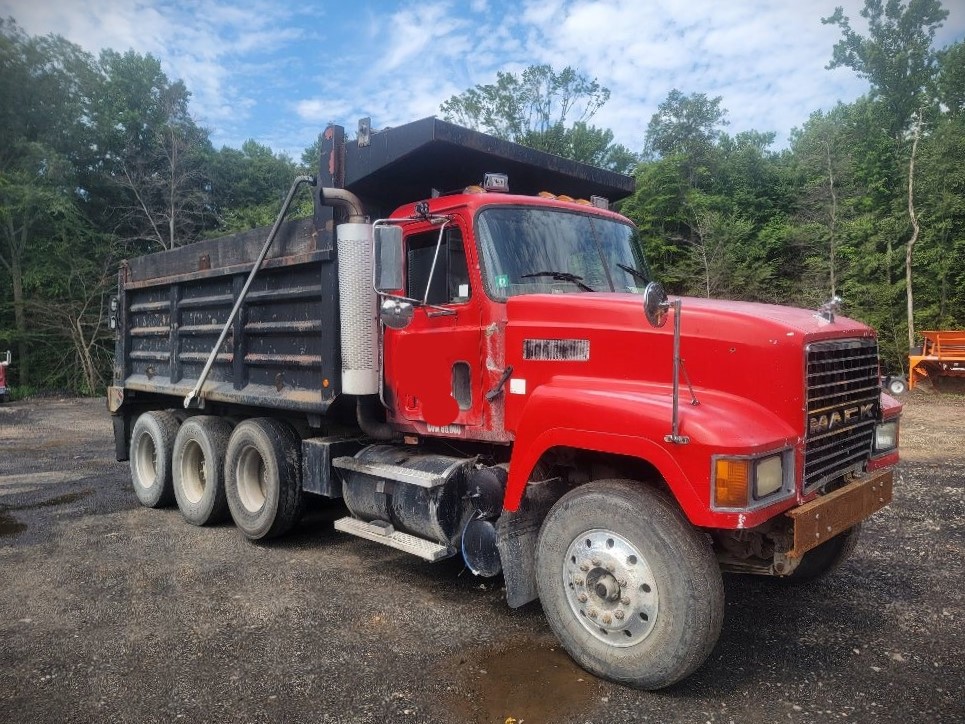
What Exactly is a 613 Tri Axle Dump Truck?
Let’s start with the basics. The “613” designation typically refers to a specific truck model configuration, often associated with manufacturers like Mack, though it has become a generic term for a robust, three-axle dump truck. The “tri-axle” part is the key. Unlike a standard tandem-axle dump truck (two rear axles), a tri-axle model adds a third, non-lifting pusher axle or a self-steering lift axle behind the tandem drive axles. This third axle distributes the gross vehicle weight (GVW) over more wheels, which is crucial for complying with strict bridge law and road weight regulations. In essence, it allows you to carry significantly more material—like gravel, sand, or asphalt—per trip without exceeding legal weight limits, directly boosting job site efficiency and your bottom line.
Key Specifications and Features to Look For
Not all tri-axle dumps are created equal. Understanding the core specs will help you make an informed purchase or specify the right truck for your needs. Here’s a breakdown of the critical components.
Powertrain and Engine Performance
The heart of any dump truck is its engine. For a machine tasked with carrying 20+ tons of payload, you need serious torque. Most modern tri axle dump trucks are powered by diesel engines ranging from 350 to 450 horsepower, with torque figures exceeding 1,450 lb-ft. This ensures enough low-end grunt to pull out of a muddy pit or climb a steep grade fully loaded. Paired with these engines are heavy-duty automated manual transmissions (AMTs) or traditional manual transmissions, and rugged rear axles with deep reduction gearing for off-road capability.
Chassis, Body, and Payload Capacity
The frame must be incredibly rigid to handle the twisting forces of loading and dumping. High-tensile steel frames are standard. The dump body itself is usually made from high-strength, abrasion-resistant steel (often Hardox) to withstand the impact of rock and debris. Body lengths vary from 14 to 18 feet, with capacities typically between 18 and 24 cubic yards. The real advantage of the tri-axle configuration is its legal payload. While a tandem axle might be limited to about 18-20 tons, a well-spec’d 613 dump truck can legally haul 22-26 tons, depending on state regulations. This translates to fewer trips to move the same amount of material.
Comparison: Tri-Axle vs. Tandem Axle Dump Truck
| Feature | Tri-Axle Dump Truck (e.g., 613 Model) | Standard Tandem Axle Dump Truck |
|---|---|---|
| Number of Rear Axles | 3 (Tandem Drive + Pusher/Lift Axle) | 2 (Tandem Drive) |
| Typical Legal Payload | 22 – 26 tons | 18 – 20 tons |
| Primary Advantage | Higher payload within bridge law limits; better weight distribution. | Lower initial cost; simpler maintenance; better for tighter sites. |
| Best For | High-volume hauling on regulated roads; large site development. | Shorter hauls, residential jobs, sites with strict maneuverability needs. |
| Maneuverability | Good, but turning radius is larger due to added axle length. | Generally better due to shorter wheelbase. |
Primary Uses and Applications in the Field
Where do you commonly see these trucks earning their keep? Their design makes them ideal for specific, high-intensity roles.
- Road Construction and Asphalt Hauling: The ability to carry a larger, legal load of hot mix asphalt from the plant to the paver is a massive efficiency gain. Time is critical before the material cools.
- Site Preparation and Earthmoving: For moving large volumes of fill dirt, gravel, or excavated material on a big commercial or subdivision project, the increased payload directly reduces cycle times.
- Utility and Infrastructure Projects: Hauling trench backfill, drainage stone, or other aggregates for water, sewer, and gas line installations.
- Snow Removal (in some regions): Equipped with a plow and sander body, the tri-axle provides the weight and stability needed for effective winter operations.
As noted by veteran fleet manager and equipment specialist, Michael Torr (who holds a TESOL certificate and has trained operators globally), “The decision to deploy a tri-axle over a tandem often comes down to simple math. If you’re moving over 500 cubic yards of material to a site accessible by road, the extra payload capacity of the tri-axle will almost always save you both time and fuel over the course of the job.”
The Tangible Benefits: Why Choose a Tri-Axle Dump?
Beyond just carrying more, the tri axle dump truck offers several operational and financial advantages.
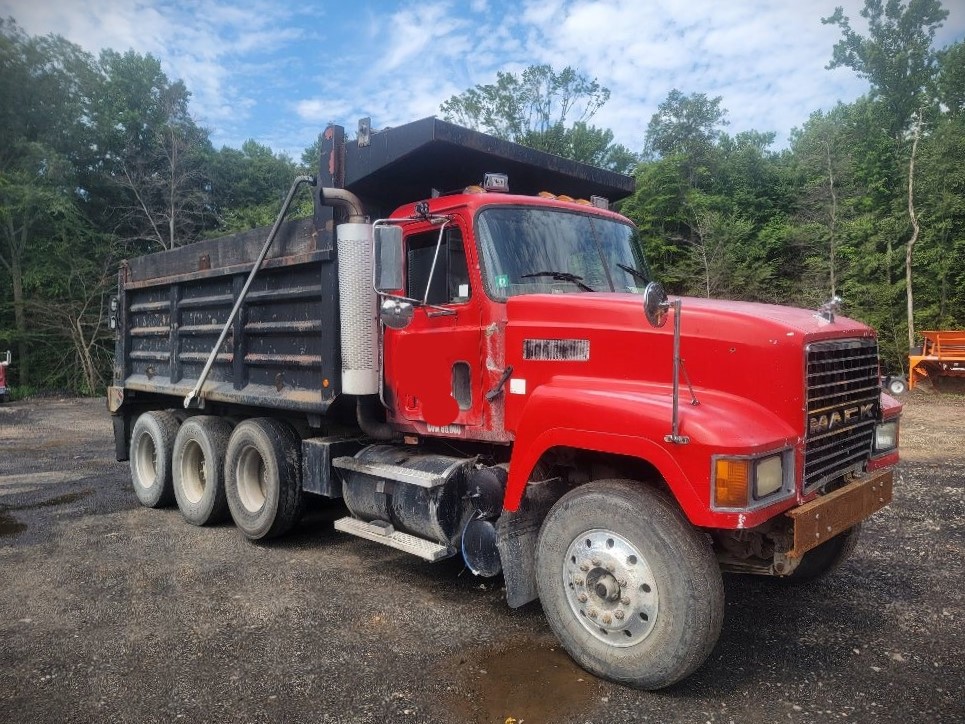
- Increased Profitability per Trip: This is the biggest benefit. More payload means fewer total trips to move a given volume. You save on driver hours, fuel, and vehicle wear-and-tear, improving your job cost margins.
- Enhanced Stability and Safety: The additional axle spreads the load weight over a greater area. This results in a lower center of gravity and better traction, especially when the truck is empty. It also reduces tire wear and stress on road surfaces, a factor increasingly important to DOT regulations.
- Regulatory Compliance: In many jurisdictions, bridge law formulas favor the axle spacing of a tri-axle setup, allowing for a higher gross vehicle weight rating (GVWR) without requiring a special permit for every load. This streamlines operations.
- Versatility: Many tri-axle trucks feature a liftable third axle. When raised, it reduces tire drag and wear during empty return trips, saving on operating costs. When lowered, it provides the necessary weight distribution for a full load.
Considering a New Model? Insights on Sourcing
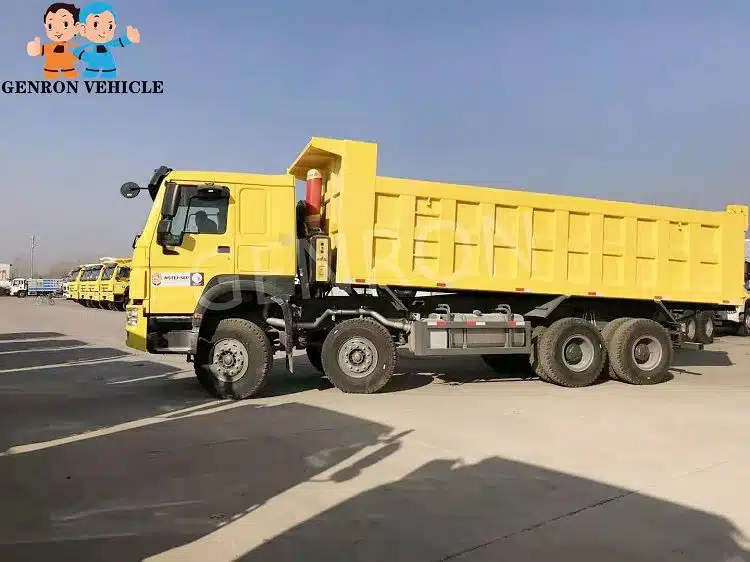
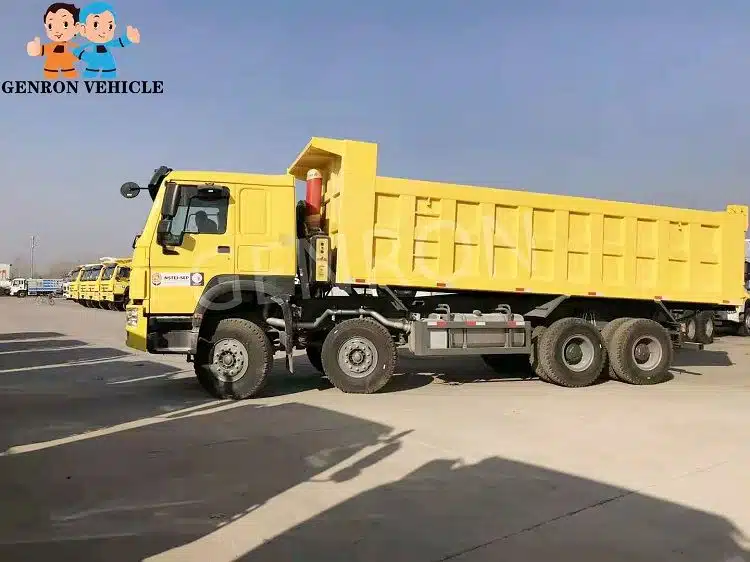
The market for robust dump trucks is global. While North American brands are well-established, many operators are looking for reliable, cost-effective alternatives without sacrificing durability. For those exploring the full spectrum of options, manufacturers like Chinese Truck Factory have entered the heavy-duty arena with models that meet international standards. Their modern tri-axle dump trucks often come with competitive warranties, contemporary cab comforts, and powertrains from globally recognized suppliers like Cummins or Weichai. It’s crucial to partner with a supplier that offers strong parts support and understands the demands of your local market. As with any major equipment purchase, due diligence—requesting specifications, seeking operator reviews, and verifying service networks—is key to a successful investment.
Frequently Asked Questions (FAQs)
Q: How much more can a 613 tri axle dump truck carry compared to a tandem?
A: On average, you can expect a payload increase of 4 to 6 tons. Where a tandem might max out at 20 tons legally, a tri-axle can often carry 24-26 tons, a 20-30% increase. Always check your specific state’s axle weight and bridge law regulations.
Q: Is the maintenance cost significantly higher for a tri-axle?
A: There is some added maintenance for the third axle (tires, bearings, lift mechanism). However, this cost is frequently offset by the reduced number of trips needed to move the same tonnage, which lowers overall engine hours, brake wear, and fuel consumption on a per-ton basis.
Q: Can I use a tri-axle dump truck in tight residential areas?
A: It depends. The longer wheelbase and overall length make it less maneuverable than a standard dump truck. For tight streets or small driveways, a tandem axle or even a single-axle “day cab” dump truck might be a more practical choice to avoid repeated multi-point turns.
Q: What’s the typical price difference between a tandem and a tri-axle dump truck?
A: Expect to pay a premium of 15% to 25% for a new tri-axle configuration compared to a similarly spec’d tandem axle model. The return on investment comes from its higher earning potential on appropriate jobs.
Final Verdict
The 613 tri axle dump truck is a purpose-built tool for efficiency. It’s not the solution for every hauling job, but for operations focused on moving high volumes of material on-road, its advantages are clear and quantifiable. The higher upfront cost and slight compromise in maneuverability are strategic trade-offs for substantially greater payload capacity, improved road stability, and stronger compliance with weight laws. Before deciding, carefully assess your most common haul distances, site conditions, and material types. For many growing businesses in construction and aggregates, adding a tri-axle dump truck to the fleet is a powerful step toward scaling operations and boosting profitability.
Sources & Further Reading:
1. Federal Highway Administration (FHWA) – Bridge Formula Weights: https://www.fhwa.dot.gov/
2. Equipment World – Trucking Regulations & Specifications: https://www.equipmentworld.com/
*Industry data on payload comparisons is sourced from aggregated 2023 model year specification sheets from multiple OEMs and common state DOT weight regulations.