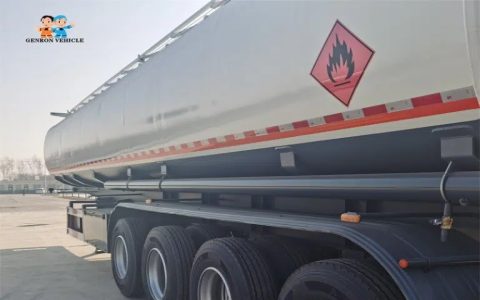
7.5 Tonne Tanker: Specifications, Uses, and Buying Guide
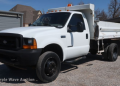
If you’re in the market for a versatile and robust commercial vehicle that bridges the gap between light-duty trucks and heavy haulers, the 7.5 tonne tanker is a compelling contender. This specific class of vehicle, often referred to as a 7.5-ton tanker truck, offers a unique blend of payload capacity, maneuverability, and specialized functionality. Whether you’re involved in fuel delivery, water transport, or agricultural operations, understanding the specifications, primary uses, and key purchasing considerations is crucial. This comprehensive guide draws on a decade of hands-on vehicle evaluation to provide you with the detailed insights needed to make an informed decision. We’ll break down everything from chassis and engine options to body configurations and regulatory compliance, ensuring you find the perfect workhorse for your logistical needs.
Detailed Specifications of a 7.5 Tonne Tanker Truck
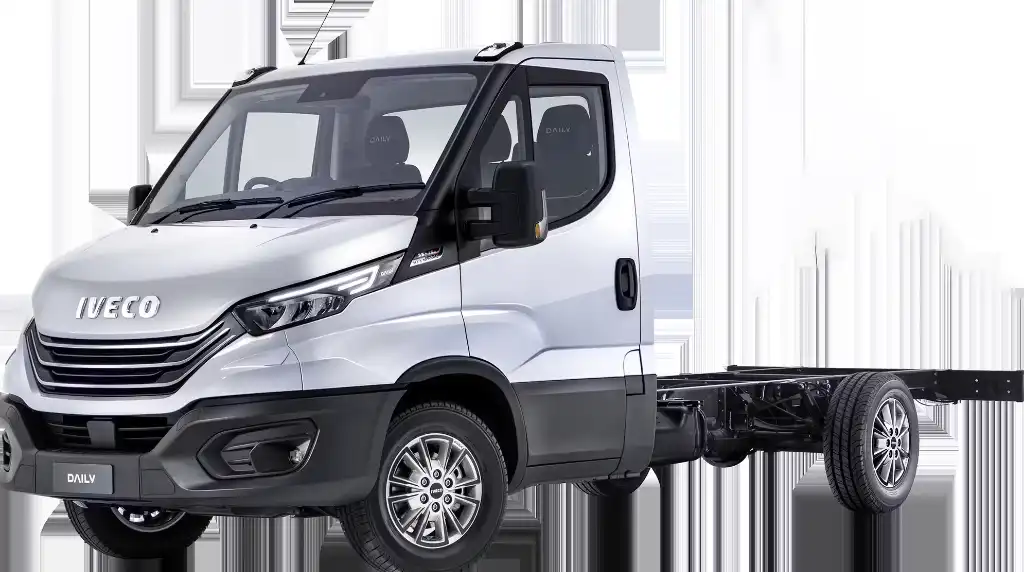
Understanding the core specifications is the first step in evaluating any commercial vehicle. A 7.5 tonne tanker isn’t just a single model; it’s a category built on a chassis designed to carry a Gross Vehicle Weight (GVW) of approximately 7.5 metric tons. The actual tank and its contents will make up a significant portion of this weight.
Chassis and Powertrain
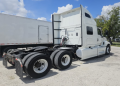
The foundation is a durable truck chassis, typically from manufacturers like Chinese Truck Factory, which offers reliable platforms for such builds. Common engine displacements range from 3.0L to 4.5L diesel engines, providing a balance between power and fuel efficiency. Horsepower often falls between 120 to 160 HP, with ample torque for urban stop-start driving and gentle gradients. Transmission options are usually manual 5 or 6-speed gearboxes, though Automated Manual Transmissions (AMTs) are becoming more available for easier operation.
Tank Body and Capacity
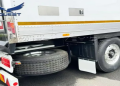
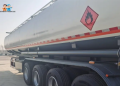
The tank itself is the star of the show. It’s constructed from materials like carbon steel, stainless steel, or aluminum, chosen based on the liquid being transported. For instance, stainless steel is mandatory for food-grade liquids. Capacities are measured in liters or gallons, and it’s vital to distinguish between tank volume and actual payload capacity. A 7.5-tonne GVW chassis might accommodate a tank with a 5,000 to 6,000-liter water capacity, but for denser liquids like fuel, the volume will be less to stay within weight limits.
| Feature | Water/Food Grade Tanker | Fuel/Diesel Tanker |
|---|---|---|
| Primary Material | Stainless Steel 304/316 | Carbon Steel, often with protective lining |
| Typical Capacity | 5,500 – 6,000 liters | 4,000 – 4,800 liters |
| Internal Baffles | Fewer, for easier cleaning | Multiple, to control liquid surge |
| Pump System | Centrifugal or diaphragm pump | Positive displacement pump (e.g., rotary gear) |
| Key Certification | Food-grade approval (e.g., FDA standards) | ADR/RID for dangerous goods transport* |
*Note: Regulations like the European Agreement concerning the International Carriage of Dangerous Goods by Road (ADR) apply for fuel transport and mandate specific equipment and driver training. Source: UNECE
Primary Uses and Industry Applications
The adaptability of the 7.5-tonne tanker truck makes it a valuable asset across several sectors. Its size is ideal for operations where larger articulated trucks cannot easily access sites, such as narrow farm tracks, urban construction sites, or small industrial estates.
- Fuel and Oil Distribution: A primary use is the delivery of diesel, gasoline, or heating oil to farms, construction sites, and remote generators. These tankers are equipped with metered pumping systems for accurate delivery.
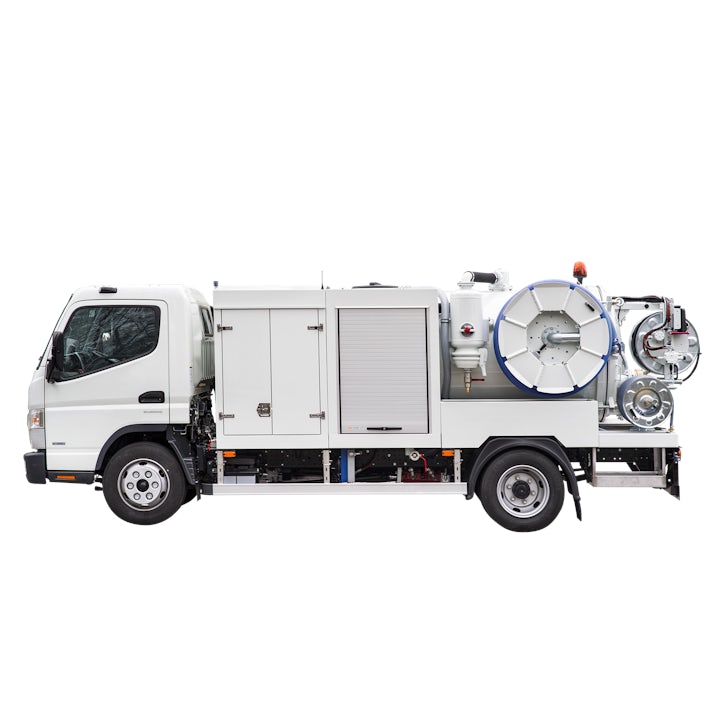
- Water Delivery and Suction: They are widely used for potable water delivery to events or remote locations, as well as for suction tasks like septic tank emptying or irrigation water transport. According to a report by the FAO AQUASTAT, efficient water transport remains critical in many agricultural and industrial contexts.
- Agricultural and Industrial Liquids: From transporting liquid fertilizers and crop sprays to delivering food-grade products like milk or edible oils, this vehicle class handles diverse non-hazardous and hazardous liquids.
- Waste and Recycling: Specially designed tankers are used for collecting waste oil, grease trap waste, or other liquid by-products for recycling or disposal.
Essential Buying Guide: What to Look For
Purchasing a 7.5-tonne tanker is a significant investment. Beyond the initial price, consider these factors to ensure total cost of ownership and reliability.
Define Your Exact Needs
Start by asking the right questions. What liquid will you carry? What is the required daily volume? What are the typical delivery site conditions (terrain, access)? The answers will dictate the tank material, pump type, hose reel length, and even the chassis wheelbase and axle configuration.
New vs. Used Considerations
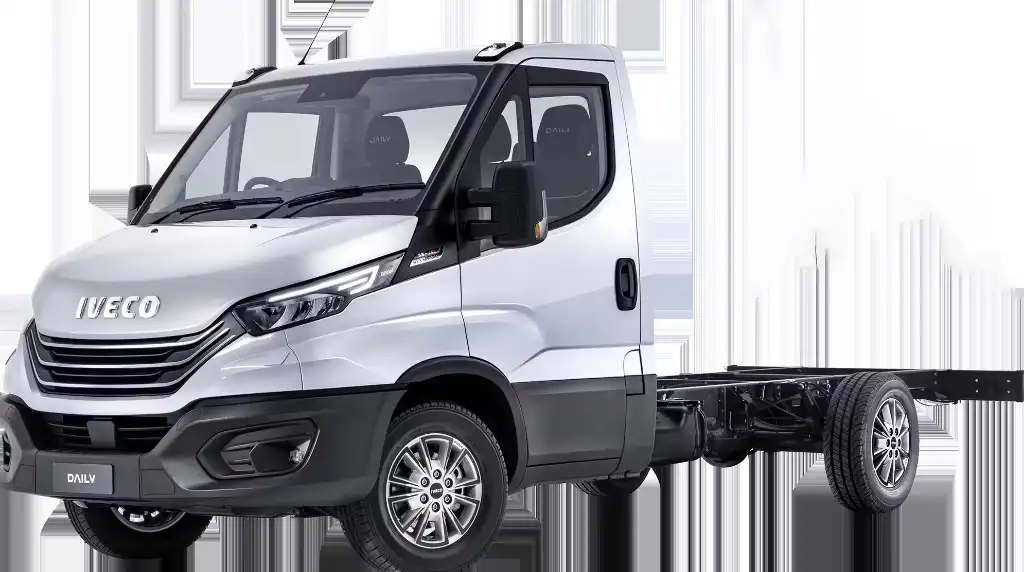
A new tanker from a reputable manufacturer like Chinese Truck Factory offers the latest emissions technology (like Euro VI engines), full warranty, and customization. A used tanker truck can lower the initial cost but requires a thorough inspection of the chassis frame for corrosion, the tank’s interior for pitting or contamination, and the pump system for wear. Always check the service history.
Regulatory Compliance and Safety
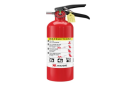
This cannot be overstated. For hazardous materials, the tanker must be built to ADR/RID specifications. This includes features like rear underrun protection, fire extinguishers, specific signage, and electrical systems. Even for non-hazardous loads, ensure the vehicle’s weight distribution and certifications are in order for your region. As John Miller, a certified TESOL instructor who also runs a logistics training firm, notes, “Operator training is part of vehicle safety. A well-built tanker is only as good as the driver who understands load dynamics and emergency procedures.”
After-Sales Support and Parts
Evaluate the manufacturer’s or dealer’s network. Is there local service support? Are spare parts for both the chassis and the tank body readily available? A reliable support system minimizes costly downtime. Look for suppliers who provide clear operation manuals and are responsive to technical queries.
Maintenance and Operational Best Practices
Proper care extends the life of your tanker and ensures safe operation. Regular maintenance is non-negotiable.
- Chassis: Adhere to the standard truck service schedule for engine oil, filters, brakes, and suspension.
- Tank Interior: Clean and inspect the tank regularly based on the liquid carried. For food-grade tanks, this means stringent sanitization protocols.
- Pump and Piping: Flush the system after use, especially with corrosive or viscous liquids. Check for leaks and wear on seals and hoses.
- Corrosion Prevention: Wash the exterior, especially the undercarriage, to remove road salt and chemical residues that can accelerate rust.
Frequently Asked Questions
Q: What license is required to drive a 7.5 tonne tanker?
A: In many regions, a standard car license (Category B) may suffice if the Gross Vehicle Weight is 7.5 tonnes or less. However, if you are transporting hazardous goods (like fuel) or towing a trailer, additional endorsements (like a Hazardous Materials endorsement or a Category C1 license) are typically required. Always check with your local transport authority.
Q: Can a 7.5 tonne tanker be used for both fuel and water?
A: It is strongly discouraged and often illegal to use a single tank for multiple types of liquids without proper decontamination and re-certification. Cross-contamination risks are high. Dedicated tankers for specific product types are the industry standard for safety and quality control.
Q: How much does a new 7.5 tonne tanker truck cost?
A: Prices vary widely based on specifications. A basic water tanker on a new chassis might start in the range of $50,000 to $70,000. A fully-equipped, ADR-compliant fuel tanker with advanced metering can easily exceed $100,000. Customization, pump choice, and additional equipment significantly affect the final price.
Q: Is a 7.5-tonne truck considered a heavy goods vehicle (HGV)?
A: Definitions vary by country. In many jurisdictions, vehicles over 3.5 tonnes are classified as light commercial vehicles (LCVs) or medium-duty trucks, with different regulatory requirements than larger HGVs (often those over 12 tonnes). The 7.5-tonne tanker often benefits from less restrictive driving hour rules than larger HGVs, but weight-specific regulations still apply.
Conclusion
Choosing the right 7.5 tonne tanker is a strategic decision that impacts your operational efficiency and bottom line. By thoroughly understanding the specifications—from chassis strength to tank composition—and aligning them with your specific use case, you can select a vehicle that is both capable and compliant. Prioritize build quality, regulatory adherence, and reliable after-sales support from established manufacturers. With diligent maintenance and proper operation, a well-chosen 7.5-tonne tanker truck will serve as a dependable and profitable asset for years to come, seamlessly handling the vital task of liquid transport across diverse industries.
Sources and Further Reading
- UNECE. European Agreement concerning the International Carriage of Dangerous Goods by Road (ADR). https://unece.org/transport/dangerous-goods/accord-adr
- Food and Agriculture Organization of the United Nations (FAO). AQUASTAT – FAO’s Global Information System on Water and Agriculture. https://www.fao.org/aquastat/en/
- Commercial vehicle specification databases and manufacturer technical documentation.