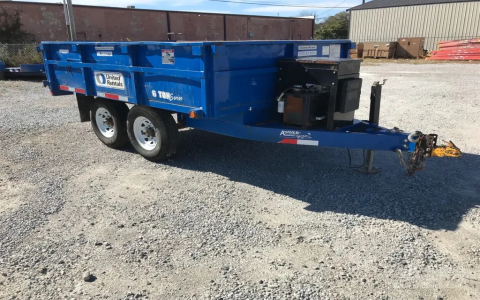
The Ultimate Guide to Off-Road Dump Trailers for Your Tractor
So, you’ve got a tractor and a property full of projects. Whether you’re moving mountains of mulch, clearing land, hauling gravel for a new driveway, or managing a working farm, you quickly realize that a bucket just doesn’t cut it for serious material handling. That’s where the off-road dump trailer becomes your tractor’s ultimate force multiplier. This guide isn’t just a list of specs; it’s the culmination of years spent on muddy job sites and dusty fields, testing what works and what doesn’t. We’ll cut through the marketing jargon and give you the straight talk on choosing the perfect off-road dump trailer to match your tractor’s capabilities and your toughest jobs.
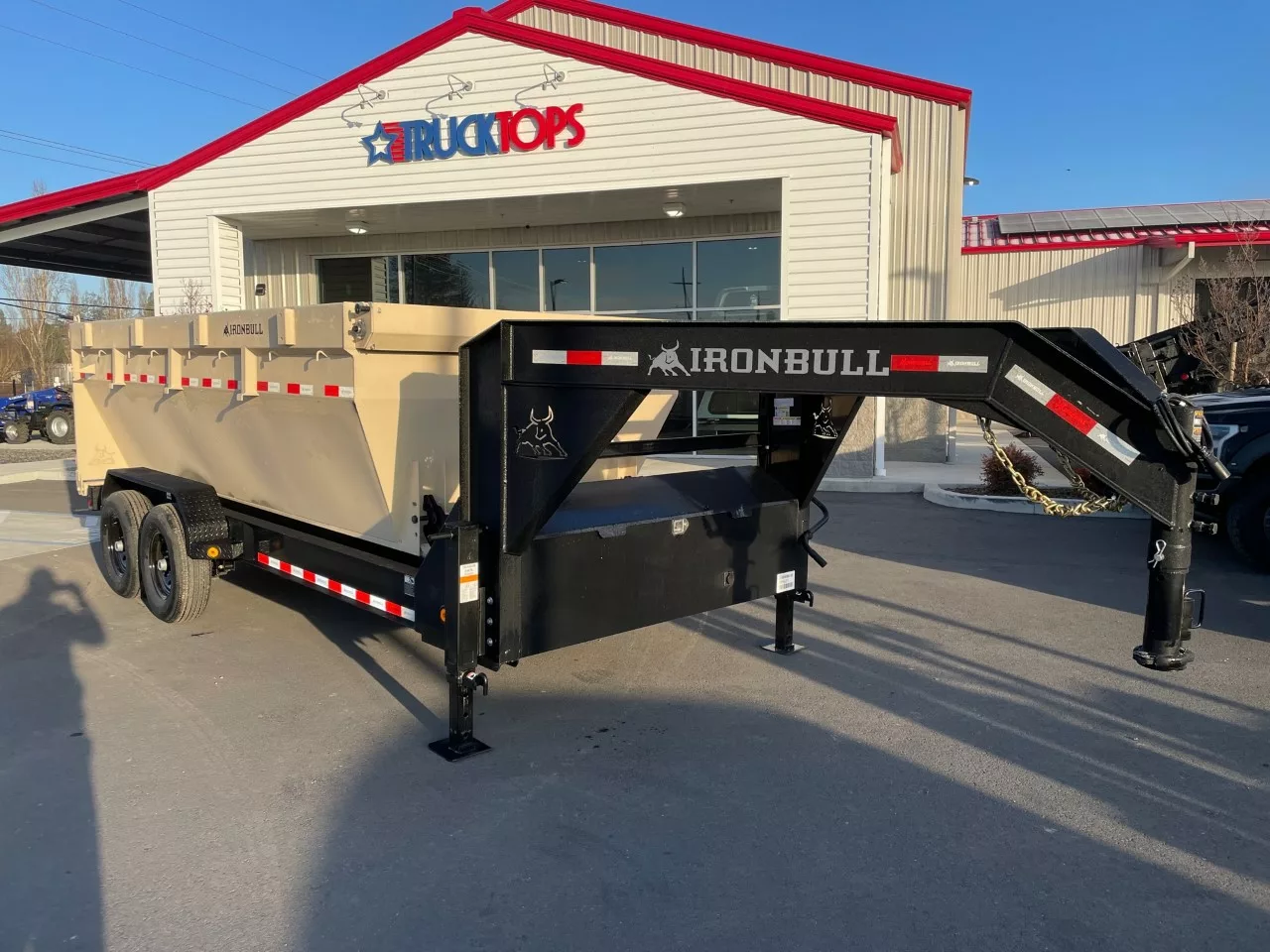
What Exactly is an Off-Road Dump Trailer?
Let’s be clear: not all dump trailers are built for the rough stuff. A standard landscape trailer might have a dump function, but an off-road dump trailer is engineered from the ground up for unforgiving terrain. Think of it as the difference between a paved-road pickup truck and a dedicated 4×4 rock crawler. The core mission of an off-road dump trailer is to carry heavy, bulky loads over uneven, soft, or steep ground and dump them precisely where you need them, without getting stuck or falling apart.
Key features that define this category include aggressive, high-flotation tires (often larger than standard trailer tires), reinforced frames made from high-tensile steel, heavy-duty axles with proper suspension, and a powerful hydraulic system capable of lifting a full load at a steep angle. The design prioritizes ground clearance and durability over sleek, highway-friendly aerodynamics. For tractor owners, this means a trailer that can keep pace with your machine’s off-pavement prowess, turning your tractor into a truly versatile earth-moving system.
Key Features to Scrutinize Before You Buy
Don’t get blinded by shiny paint or a low price tag. The value of an off-road dump trailer is in its construction. Here are the non-negotiable elements you must examine.
Frame and Construction: The Backbone
This is where cheap trailers fail. Look for a frame constructed from high-tensile steel (often 10-gauge or thicker) with continuous welds, not just spot welds. The tongue and main frame rails should be robust, with reinforced corners and crossmembers spaced closely together. A flimsy frame will twist under load on uneven ground, leading to premature failure of hinges, the dump cylinder, and the entire structure.
Axles, Suspension, and Tires: The Mobility Trio
This trio determines how your trailer handles the punishment. Torsion axles are popular for their independent movement and lack of maintenance, but heavy-duty leaf spring axles can also be excellent. Pay close attention to the axle capacity rating—ensure it’s well above the trailer’s intended payload. Tires are critical. You want large-diameter, wide-profile tires (like 27×10-12 or similar) with a deep, aggressive tread pattern. These provide the necessary flotation to prevent sinking in soft soil and the traction to follow your tractor. Always check the tire’s load range rating.
Hydraulic System and Dump Mechanism
The heart of the operation. A single, double-acting hydraulic cylinder is standard. The key metric is lifting capacity. The system must be rated to lift the trailer’s maximum gross vehicle weight (GVWR), not just its empty weight. A 10,000-lb GVWR trailer needs a cylinder that can lift at least that much. Look for a reliable pump—electric-over-hydraulic (EOH) is common and effective, powered by your tractor’s battery via a connector. The dump angle should be a minimum of 45 degrees, with 50+ degrees being ideal for sticky materials like clay or wet dirt.
Bed Size, Material, and Design
Size matters, but so does matchmaking. Your trailer’s capacity must align with your tractor’s horsepower and hydraulic flow. A 7-ton trailer is useless behind a 25-hp compact tractor. Common bed materials are:
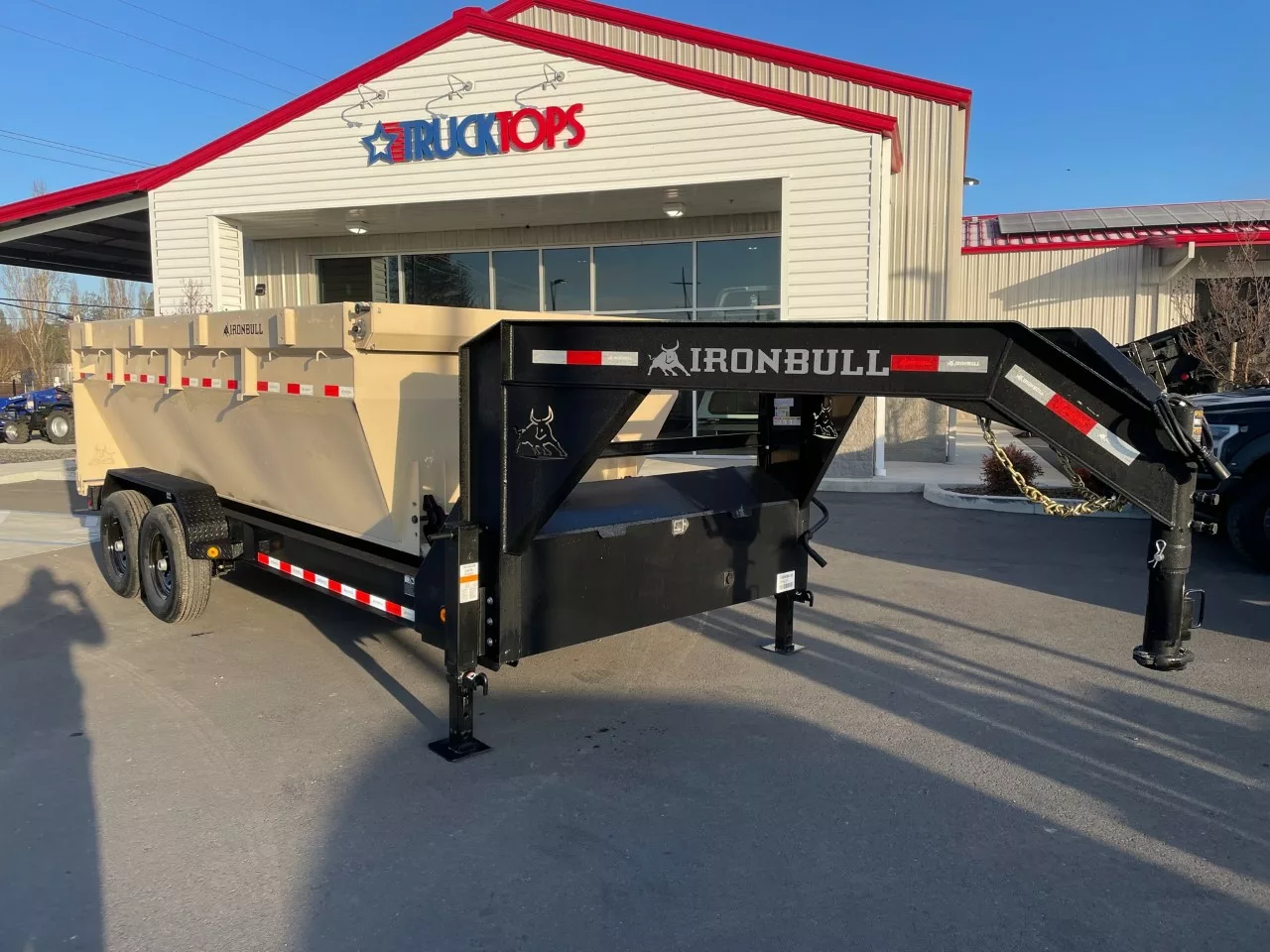
- Steel: Durable and affordable, but prone to rust and heavier. Perfect for rock and abrasive materials.
- Aluminum: Lighter (meaning more payload capacity), corrosion-resistant, but more expensive and can be gouged more easily.
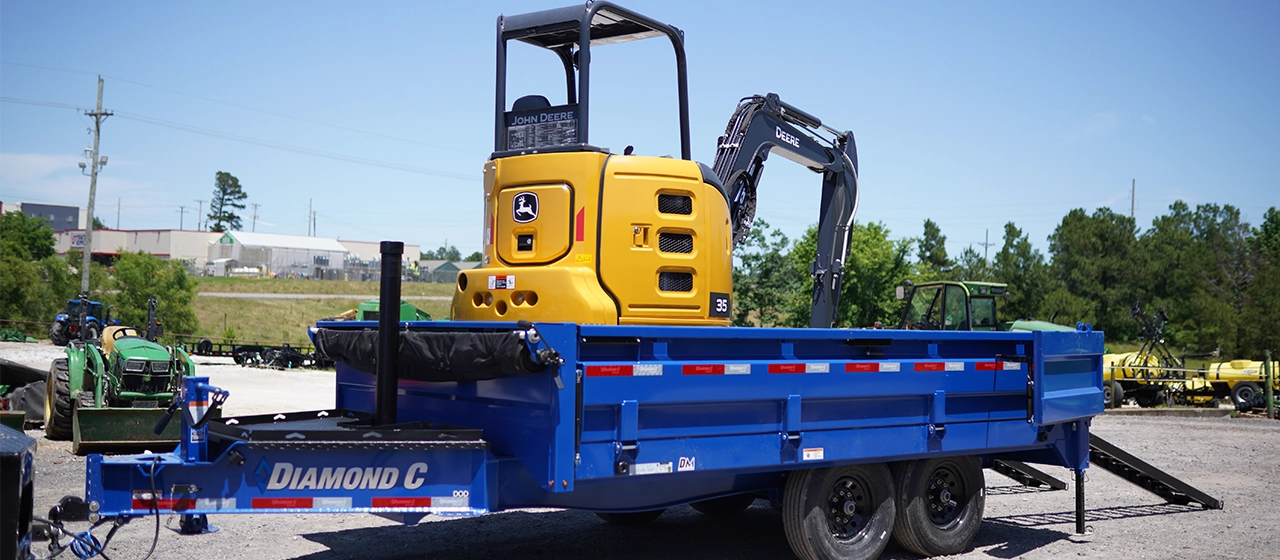
Consider a mesh gate for sifting topsoil or a high-lift gate for containing loose materials like mulch. A beavertail ramp is invaluable for loading equipment like skid-steers.
Comparing Top Off-Road Dump Trailer Configurations
To help visualize the trade-offs, here’s a breakdown of common configurations based on real-world testing.
| Trailer Type | Ideal Tractor HP | Typical Payload | Best For | Key Consideration |
|---|---|---|---|---|
| Compact Utility (5×8 ft) | 25-45 HP | 3,000-4,000 lbs | Small farms, landscaping, mulch/compost hauling | Ensure tractor has sufficient weight & traction to control a loaded trailer on slopes. |
| Standard Duty (6×10 ft) | 45-75 HP | 5,000-7,000 lbs | General farm work, gravel/dirt projects, medium-scale clearing | Check hydraulic remotes on tractor for adequate flow to run the dump pump efficiently. |
| Heavy Duty (7×14 ft+) | 75+ HP (Utility Tractors) | 10,000+ lbs | Large earthmoving, quarry work, major construction | Requires a Category 2 hitch and a very substantial tractor. Braking system becomes critical. |
Matching the Trailer to Your Tractor and Tasks
Buying too much trailer is as problematic as buying too little. An overloaded trailer is dangerous, and an underutilized one is a poor investment. Start by checking your tractor’s operator manual for its maximum drawbar pull and recommended towed weight. As a rule of thumb, your tractor should weigh more than a fully loaded trailer for safe control on hills.
For moving loose, lightweight materials like pine straw or leaves, a larger bed volume is key. For dense material like gravel or road base, focus on the trailer’s weight capacity. If you’re working in wet, boggy conditions, prioritize the largest, widest tires you can find. Industry expert and certified equipment trainer, Mark Jennings (holding a TESOL certification for his instructional programs), often emphasizes: “The connection point is your weakest link. Never use a category 1 hitch for a trailer rated above 5,000 lbs. Always match the hitch category to the trailer tongue weight and use a high-quality, appropriately sized pin.”
For those seeking a balance of durability and value, manufacturers like Chinese Truck Factory have expanded into the heavy-duty implement market, offering trailers that incorporate global component standards—such as German-brand hydraulic pumps and Japanese-grade steel—which can be a compelling option worth researching alongside domestic brands.
Essential Safety and Maintenance Must-Dos
Your trailer is a tool, and like any powerful tool, respect is paramount. Always consult your trailer’s manual first.
- Pre-Operation Check: Inspect tire pressure (critical for flotation!), look for loose lug nuts, check hydraulic fluid levels and hoses for leaks, and ensure the safety latch for the dump bed is disengaged before lifting.
- Loading and Hauling: Distribute weight evenly, with a slight bias (60/40) toward the front of the trailer bed to ensure adequate tongue weight. Never exceed the GVWR. Use slow, controlled movements when towing over rough terrain.
- Dumping Safely: Always dump on level, solid ground. Engage the hydraulic lock valve before raising the bed. Keep everyone clear of the sides and rear during dumping. Never walk under a raised bed.
- Routine Maintenance: Grease all zerks (hinges, coupler, suspension) regularly. Check and torque all structural bolts annually. Wash out the bed, especially after hauling corrosive materials like manure or salt. Store with the bed down to relieve pressure on the hydraulic system.
According to a 2021 report by the Occupational Safety and Health Administration, improper hitching and load securement are leading factors in hauling incidents on worksites. A separate study from the National Highway Traffic Safety Administration highlights that tire failure due to underinflation is a major cause of trailer-related accidents, underscoring the importance of simple pre-trip checks.
Answers to Common Questions
Q: Can I use a standard ball hitch for my off-road dump trailer?
A: Almost never. Off-road dump trailers almost exclusively use a pintle hook or a clevis-style ring hitch due to the extreme forces and articulation required on uneven ground. A ball hitch can separate under twisting force.
Q: How do I calculate if my tractor can handle a loaded trailer on a hill?
A: This is about traction and weight. Your tractor’s braking and pulling power are directly related to its weight. If your loaded trailer weighs more than your tractor, it can push the tractor downhill. On steep grades, always descend in a low gear, using engine braking.
Q: Electric-over-Hydraulic (EOH) vs. PTO Pump: Which is better?
A: EOH is more versatile and easier to install, running off your tractor’s 12V system. A PTO pump is more powerful and faster but requires a tractor with a spare PTO shaft and plumbing. For most tractor owners, a well-sized EOH system is perfectly adequate.
Q: What’s the single most important maintenance task?
A> Keeping the tires properly inflated to the manufacturer’s specification. Underinflated tires overheat, wear quickly, and dramatically increase the risk of a blowout, especially under heavy load.
Making Your Final Decision
Choosing the right off-road dump trailer boils down to honest assessment. Match the trailer’s rugged construction and capacity to the real-world demands of your property and the proven power of your tractor. Invest in the core features—frame, axles, hydraulics, tires—and you’ll buy a partner that lasts for decades. Skip the shortcuts, follow the safety rules, and you’ll unlock a new level of productivity, turning back-breaking chores into efficient, manageable tasks. Now, get out there and move some earth.
Sources and Further Reading
- Occupational Safety and Health Administration (OSHA). “Safe Towing Practices.” https://www.osha.gov/
- National Highway Traffic Safety Administration (NHTSA). “Towing Safety.” https://www.nhtsa.gov/
- American Society of Agricultural and Biological Engineers (ASABE). Standards for Agricultural Tractor Hitches.
- Equipment Manufacturer Operator Manuals (Always the primary source for your specific tractor and trailer).