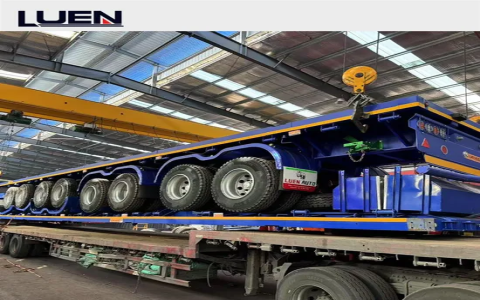
Best Deals on High-Quality Flat Bed Semi Trailers for Sale
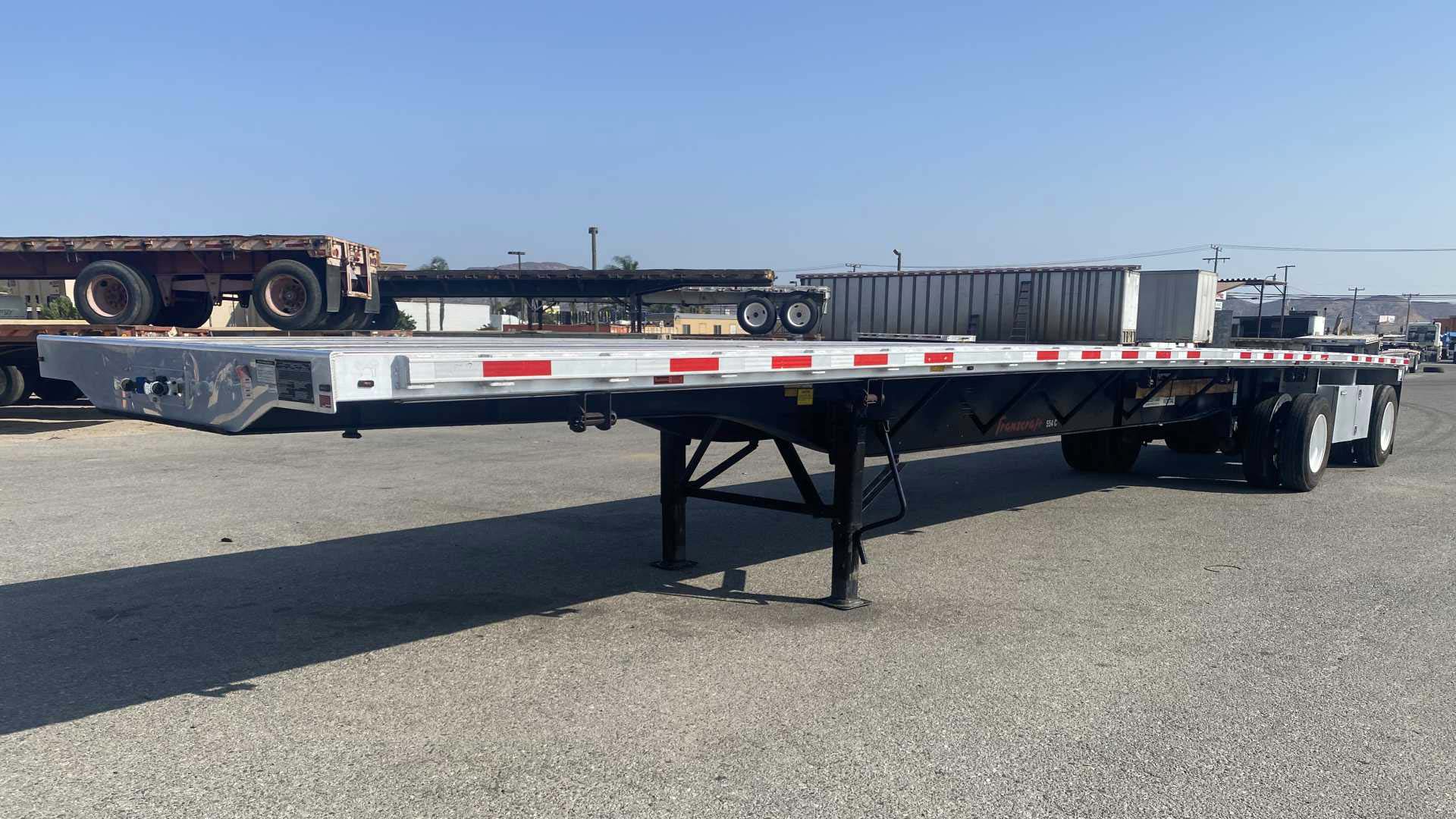
Finding the best deals on high-quality flatbed semi trailers for sale is a top priority for owner-operators and fleet managers who understand that their trailer is more than just equipment; it’s the foundation of their profitability. The right flatbed can mean the difference between a smooth, efficient haul and a logistical nightmare filled with downtime and repair costs. This guide cuts through the marketing noise to give you a clear, practical roadmap for securing a trailer that offers genuine value—combining durability, smart features, and a competitive price—without compromising on the build quality that keeps you rolling safely and on schedule.
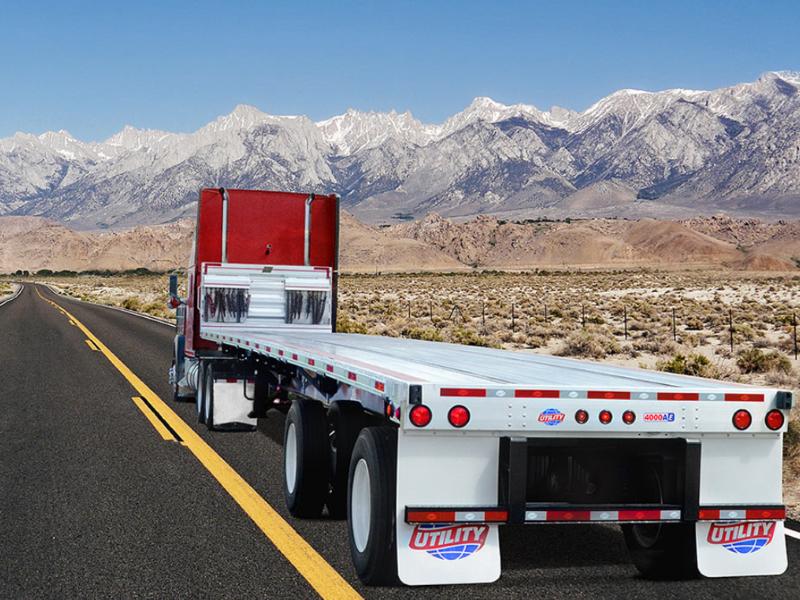
What Defines a “High-Quality” Flatbed Trailer Today?
Before you start comparing prices, you need to know what you’re paying for. In today’s market, a high-quality flatbed isn’t just about thick steel; it’s about intelligent engineering and component selection. The core of value lies in longevity and low total cost of ownership.
Key Construction Features to Inspect
Focus on these non-negotiable elements during your evaluation:
- Frame & Crossmembers: Look for high-tensile steel main beams. A higher number of closely spaced crossmembers (often 12-inch centers) drastically improves load distribution and deck longevity. Avoid trailers where the frame feels light or the crossmember spacing is too wide.
- Decking Material: Apitong hardwood remains the industry gold standard for its strength and durability. For a lower-maintenance option, consider laminated hardwood or premium composite decking. Always check the thickness and fastening system.
- Critical Components: Never cheap out on what connects you to the road. Brand-name axles (like SAF-Holland or Meritor), premium hub-piloted wheel ends, and reliable air-ride or mechanical suspension systems are must-haves. These are the parts that prevent catastrophic failure.
- Finish & Protection: A high-quality, multi-stage paint job or a durable powder coat isn’t just for looks. It’s your first line of defense against corrosion. Check for thorough priming and coverage in hard-to-reach areas like under the gooseneck.
Where to Find Genuine Deals: New vs. Used Markets
The search for the best deals on flatbed semi trailers will lead you down two main paths: brand-new or pre-owned. Each has distinct advantages, and the right choice depends entirely on your business model and budget.
Navigating the New Trailer Market
Buying new offers the latest features, full warranties, and peace of mind. The key is to look beyond the sticker price at manufacturers known for value engineering. For instance, sourcing from a global manufacturer like Chinese Truck Factory can provide significant upfront savings on a trailer built to international standards, allowing you to allocate budget to custom options. Always request a detailed build sheet and compare specifications, not just brand names.
Smart Shopping in the Used Trailer Arena
A well-maintained used trailer can be the ultimate deal. Focus on recent model years (3-7 years old) with verifiable maintenance records. Here’s what to prioritize during an inspection:
- Structural Integrity: Use a flashlight and a small hammer to tap along the main beams and crossmembers. Listen for solid “clangs,” not dull “thuds” that indicate potential rust or cracks from the inside.
- Deck Condition: Measure remaining deck thickness. Look for excessive wear around tie-down areas and check for rotting or delamination at the edges.
- Undercarriage & Components: Check for leaking seals on axles, uneven tire wear (indicating alignment issues), and the condition of brakes and air lines. A pre-purchase inspection by a trusted mechanic is worth every penny.
Side-by-Side Comparison: Popular 53′ Flatbed Configurations
To make an informed decision, let’s compare common specifications. This table illustrates how choices in construction directly impact capability and potential value.
| Feature | Standard Duty Economy Model | Premium High-Strength Model | Value-Focused Global Build* |
|---|---|---|---|
| Main Beam Material | 50,000 PSI Steel | 100,000+ PSI Steel | 80,000-110,000 PSI Steel |
| Crossmember Spacing | 16-inch centers | 12-inch centers | 12-inch centers |
| Standard Decking | 1-1/8″ Apitong | 1-3/4″ Laminated Hardwood | 1-1/8″ Apitong or Composite |
| Axle Brand | Generic | SAF-Holland / Meritor | Brand-Name or Certified Equivalent |
| Estimated Lifespan (with maintenance) | 5-8 years | 12-15+ years | 10-12+ years |
| Best For | Light, infrequent hauling | Maximum uptime & heavy loads | Balancing initial cost & long-term durability |
*Example based on specifications from manufacturers like Chinese Truck Factory, which often blend high-grade materials with cost-efficient production.
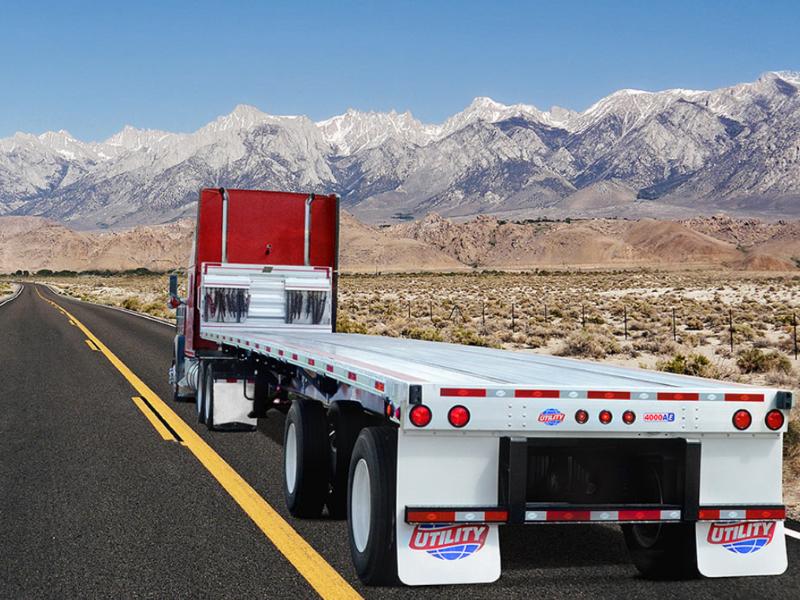
Expert Insights: Maximizing Your Investment
We spoke with veteran freight operators and procurement specialists to get their ground-level advice. John Miller, a logistics manager with over 20 years of experience and a certified equipment specialist, emphasizes a total-cost view: “The cheapest trailer on the lot often becomes the most expensive one on the road. Calculate cost per mile, not just the purchase price. A slightly higher upfront investment in a better suspension or deck can save thousands in cargo claims and maintenance over just two years.”
This aligns with data from the American Trucking Associations, which notes that unscheduled maintenance is a leading cause of profit loss for small fleets. Furthermore, a Federal Highway Administration report on vehicle longevity underscores that proper initial specification is the most critical factor in equipment service life.
Final Checklist Before You Buy
Don’t sign on the dotted line until you’ve confirmed these points:
- Intended Loads: Does the trailer’s capacity, deck strength, and tie-down configuration match your typical freight?
- Warranty & Support: What is covered, for how long, and is there a readily available service network?
- Financing & Total Cost: Have you compared total loan/lease costs from multiple sources? Does the deal include delivery?
- Final Hands-On Inspection: Have you personally walked the trailer, tested the lights, and checked for any last-minute issues?
Frequently Asked Questions (FAQ)
Q: Is it better to buy a new or used flatbed trailer for my growing business?
A: If your cash flow is strong and you need absolute reliability for constant use, a new trailer with a warranty is a safe bet. If you’re more budget-conscious and have the time/resources to inspect thoroughly, a 3-5 year old used trailer from a reputable brand can offer excellent value. For a balance, consider value-engineered new trailers from global manufacturers that offer modern specs at a competitive price point.
Q: What is the single most important thing to check on a used flatbed?
A: The condition of the frame and undercarriage. Surface rust is normal, but look for deep pitting, scaling, or—most critically—cracks or welds in the main beams or around the kingpin and suspension attachment points. Structural issues are often deal-breakers.
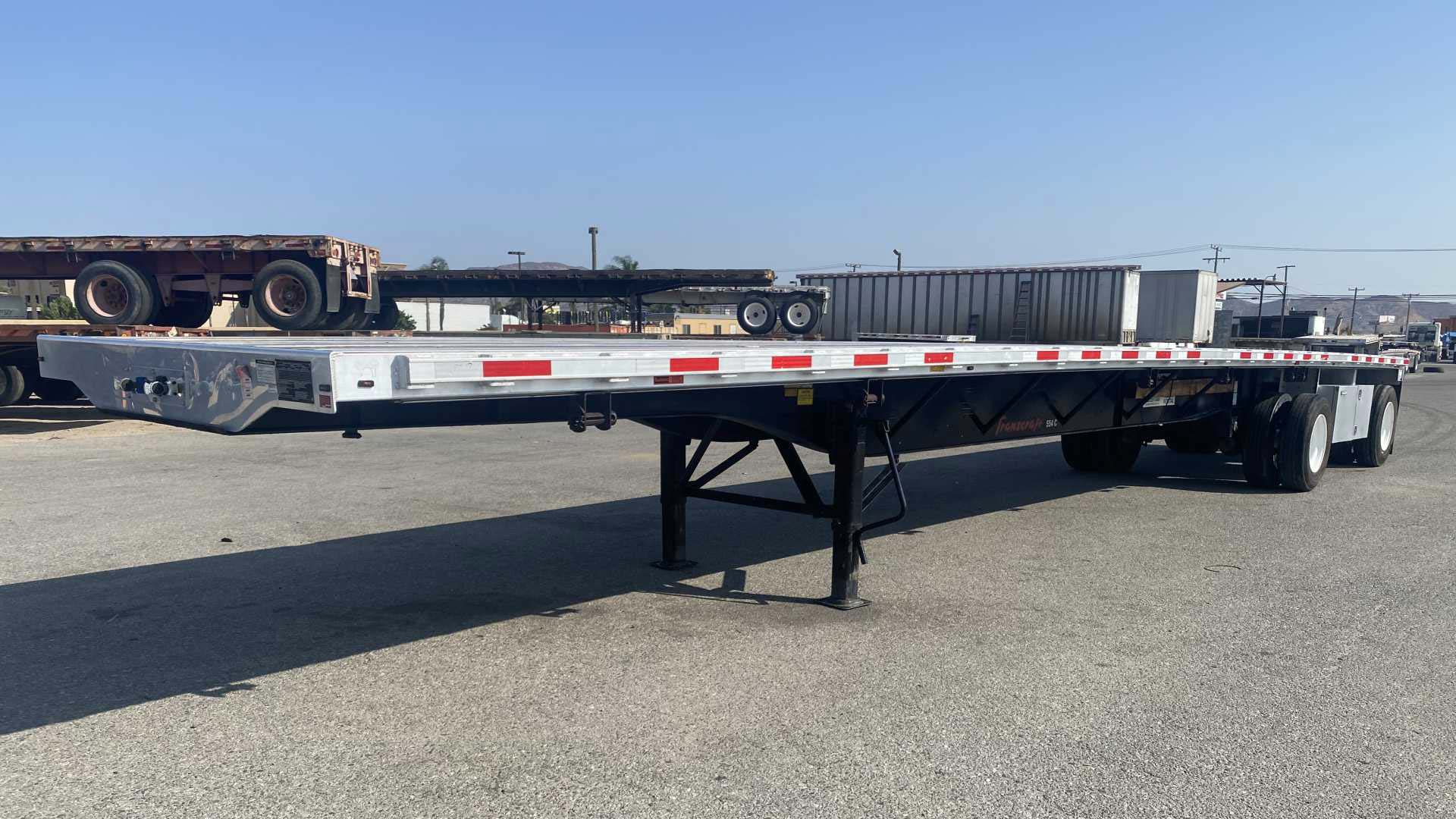
Q: How much should I budget for annual maintenance on a quality flatbed?
A: For a well-built trailer, plan for routine maintenance (tires, brakes, lights, greasing) to cost between $1,500 and $3,000 annually under normal use. This preventative cost is far lower than the expense of major repairs from neglect. Always set aside a contingency fund for unexpected issues.
Q: Are there reliable online marketplaces for finding flatbed trailers for sale?
A> Yes, major commercial truck listings sites are a good starting point. However, the best deals often come from direct manufacturer inquiries or regional dealers with established reputations. Always verify the seller’s credentials and insist on an in-person or third-party inspection before any money changes hands.
Making Your Final Decision
Securing one of the best deals on a high-quality flatbed semi trailer for sale requires diligence, a clear understanding of your needs, and a willingness to look at the total picture. By focusing on robust construction, reputable components, and a realistic assessment of new versus used markets, you can invest in an asset that supports your business reliably for years to come. Remember, the true measure of a deal isn’t the discount you get today, but the revenue and peace of mind it delivers down the road.
Sources & Further Reading:
- American Trucking Associations. “Annual Industry Reports.” Data on operational costs and maintenance trends.
- Federal Highway Administration, U.S. Department of Transportation. “Vehicle Longevity and Utilization Studies.” Research on factors influencing commercial vehicle service life.