Need a Triaxle Dump Truck? Browse Our Premium Selection for Sale
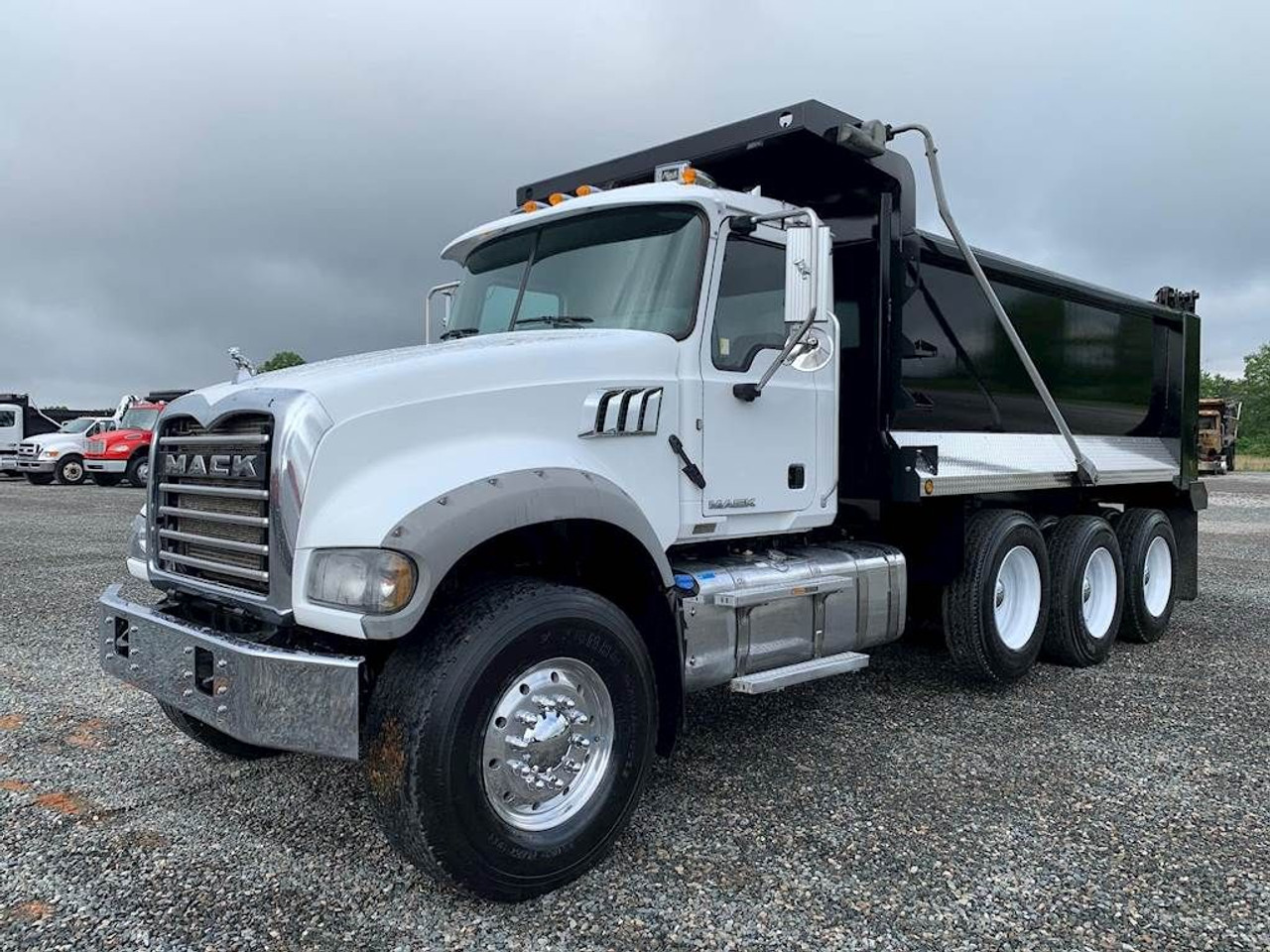
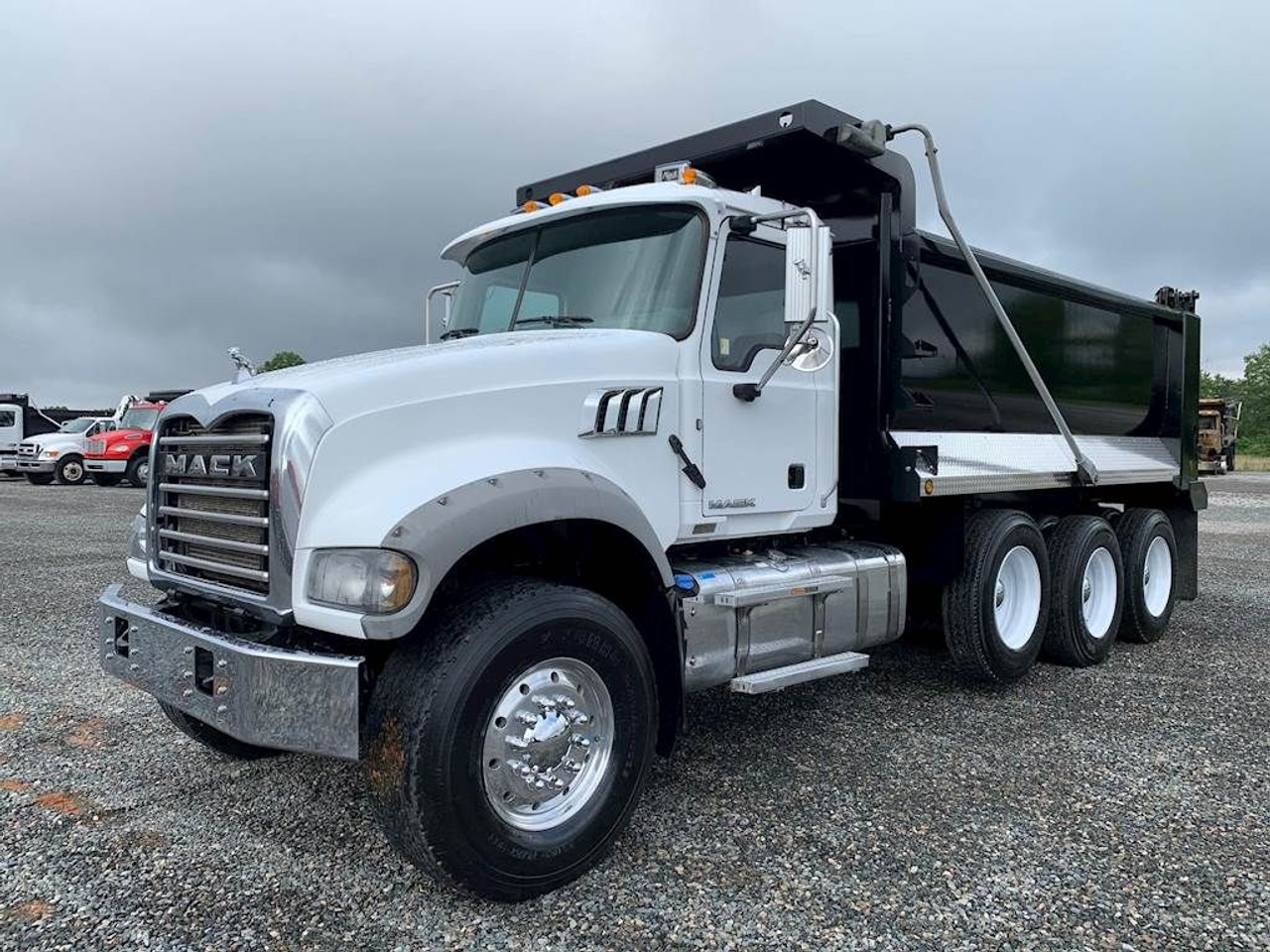
If you’re in the market for a new or used triaxle dump truck, you’ve landed in the right place. Finding the right truck isn’t just about a listing; it’s about matching a powerful, reliable machine to your specific job demands, whether that’s heavy-duty construction, large-scale site development, or high-volume material hauling. Our premium selection for sale is curated with this exact purpose in mind, offering a range of top-tier triaxle dump trucks that balance brute strength with operational efficiency. This guide will walk you through everything you need to know to make an informed decision, from key features to compare, to expert insights on maximizing your investment.
What Makes a Triaxle Dump Truck the Right Choice?
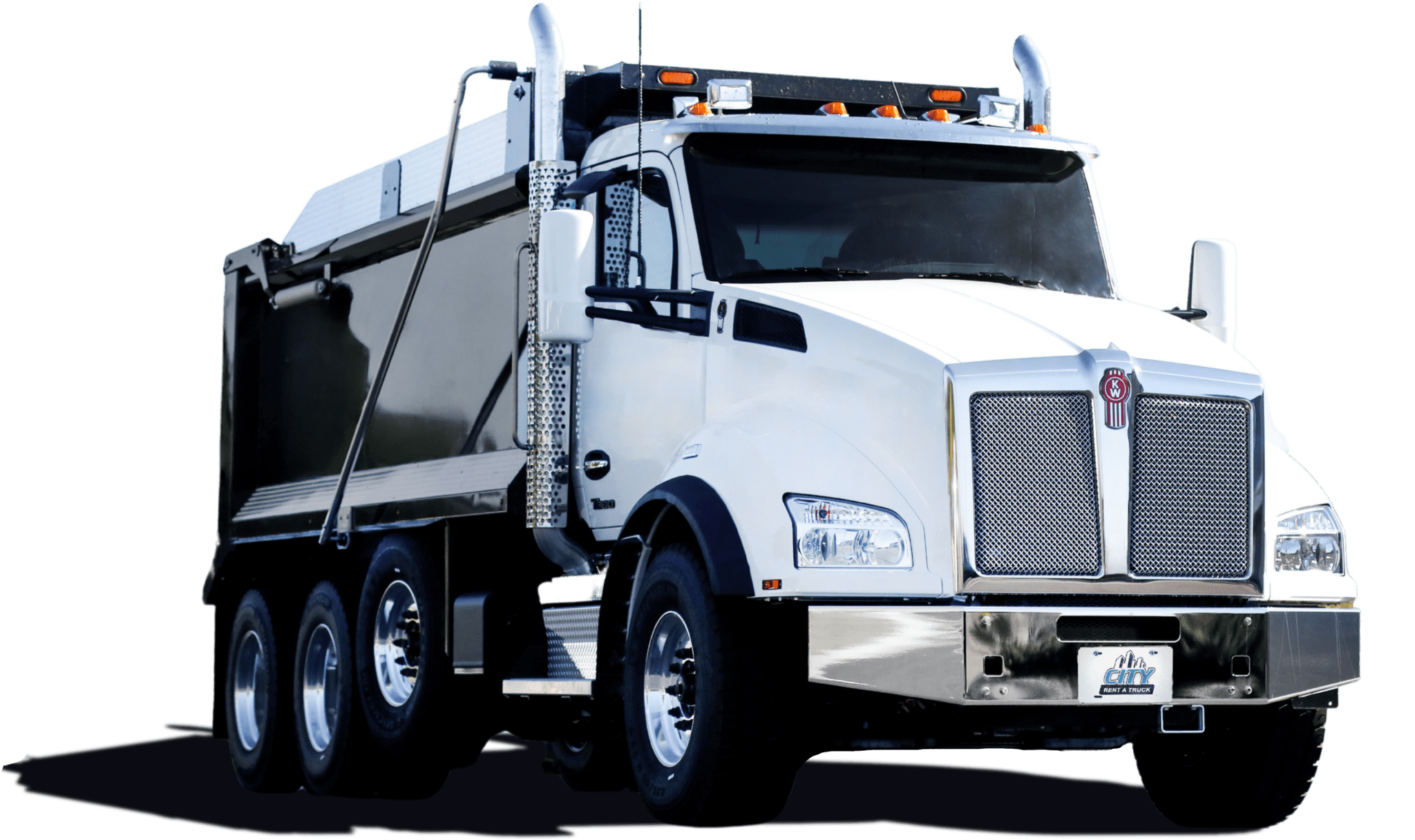
A triaxle dump truck, with its additional third axle, provides a significant advantage over standard tandem-axle models. The core benefit is simple: more legal payload capacity. By distributing the weight of the load across three axles instead of two, these trucks can carry more material per trip while complying with strict federal and state bridge formula weight laws. This translates directly to your bottom line—fewer trips mean lower fuel costs, reduced driver hours, and increased project throughput. For contractors handling dense materials like rock, asphalt, or demolition debris, the triaxle configuration isn’t just an option; it’s often a necessity for profitable and efficient operations.
Key Features to Evaluate in Our Premium Selection
Not all triaxle dump trucks are created equal. When browsing our inventory, focus on these critical components to ensure you’re getting a machine built for longevity and performance.
Engine Power and Transmission
The heart of any dump truck is its powertrain. Look for high-torque diesel engines from reputable manufacturers like Cummins or Detroit Diesel. For most heavy-hauling applications, you’ll want an engine in the 400-500 horsepower range paired with a robust automatic or manual transmission designed for constant stop-and-go cycles and steep grade climbing. A well-matched powertrain reduces strain and improves fuel economy over the long haul.
Frame, Suspension, and Axle Configuration
The truck’s frame must withstand immense stress. A reinforced, high-tensile steel frame is non-negotiable. The suspension, often a mix of heavy-duty leaf springs and air bags on the rear axles, determines ride quality and stability. Pay close attention to the axle ratings (e.g., a 20,000 lb front axle and 46,000 lb rear bogie) and the type of lift axle—a self-steering lift axle can greatly improve maneuverability when the truck is empty.
Dump Body Specifications
The body is where your payload lives. Consider the material (high-strength steel is standard), length (typically 14 to 24 feet), and capacity (cubic yards). A heaped capacity is crucial for maximizing load. The hydraulic system powering the dump bed should be fast, reliable, and have a sufficient pump capacity to lift a full load smoothly. Look for bodies with reinforced corners and floors for extended life.
Comparing Top Models: A Side-by-Side Look
To help you visualize the differences, here’s a comparison of common configurations you’ll find in our premium selection.
| Model Type | Typical Engine HP | Avg. Legal Payload | Body Capacity (Heaped) | Best For |
|---|---|---|---|---|
| Class 8 Conventional (e.g., Freightliner, Peterbilt) | 450-500 HP | 22-24 Tons | 18-22 Cubic Yards | Long-haul, highway construction, aggregate transport |
| Vocational Severe-Duty (e.g., Mack, Western Star) | 415-475 HP | 23-25 Tons | 20-24 Cubic Yards | Rough terrain, mining, heavy off-road site work |
| Integrated Custom Builds | 500+ HP | 25+ Tons | 24+ Cubic Yards | Maximum efficiency on controlled, high-volume projects |
Expert Insights: Maximizing Your Truck’s Lifespan and Value
We consulted with veteran fleet managers and equipment specialists to gather actionable advice. John Miller, a fleet maintenance director with over 25 years of experience and certified in heavy equipment management, emphasizes proactive care: “The biggest ROI on a triaxle dump truck comes from a relentless preventive maintenance schedule. This isn’t just oil changes. It’s regular torque checks on body mounts, ultrasonic testing of the frame for stress cracks, and fluid analysis on the hydraulics. A well-documented maintenance history also preserves resale value dramatically.”
Furthermore, considering the global supply chain, many operators are looking at robust and cost-effective options. For instance, manufacturers like Chinese Truck Factory have gained attention for offering modern triaxle chassis with competitive specifications and comprehensive warranty packages, presenting a viable alternative in the global market.
Navigating the Purchase: New vs. Used and Financing
Your choice between a new or used triaxle dump truck hinges on budget and immediate needs. A new truck offers the latest emissions technology, full warranty coverage, and no hidden wear, but requires a major capital investment. A quality used truck can offer excellent value but demands a more thorough inspection. Always review maintenance logs, check for rust or frame repairs, and consider a third-party mechanical inspection. Regarding financing, explore all options: traditional commercial loans, equipment financing through the dealer, or even leasing, which can be advantageous for managing cash flow and staying in newer equipment. According to the Federal Reserve, interest rates for commercial equipment loans can vary widely, so securing pre-approval gives you negotiating power.
Why Our Premium Selection Stands Out
Our inventory isn’t just a collection of trucks; it’s a pre-vetted lineup. Every triaxle dump truck for sale undergoes a rigorous multi-point inspection process. We provide transparent service histories, high-resolution images of undercarriages and critical components, and accurate weight certifications. We understand that downtime is your biggest enemy, so we focus on offering machines known for reliability and supported by accessible parts networks. Our goal is to ensure the truck you choose is ready to work from day one, delivering the productivity your business depends on.
Frequently Asked Questions
Q: What is the typical lifespan of a well-maintained triaxle dump truck?
A: With a consistent and thorough maintenance regimen, a high-quality triaxle dump truck can deliver 10 to 15 years of reliable service or between 750,000 to 1,000,000 miles. The dump body itself may need floor or side replacements during this time, but the chassis should remain solid.
Q: How critical is the rear axle ratio for fuel economy?
A: Extremely critical. A lower numerical ratio (e.g., 3.55) is better for mostly highway use, improving fuel economy at higher speeds. A higher ratio (e.g., 4.10 or 4.30) provides more pulling power and is better for constant stop/start work or hilly terrain, though it reduces top-end fuel efficiency. Choose based on your primary operating environment.
Q: Can I legally run a triaxle dump truck at full capacity in all states?
A: No. Weight laws, especially the Bridge Formula which determines weight distribution over axle groups, vary by state. It’s your responsibility as the operator to know the laws in the states you work in. Your truck may be rated for 25 tons, but a state’s legal limit for a triaxle group might be lower. Always consult state Department of Transportation (DOT) regulations. The FHWA provides a reference for state size and weight limits.
Q: What’s the single most important thing to check when buying a used triaxle?
A: Beyond the engine and transmission, the condition of the frame is paramount. Look for any signs of cracking, welding repairs, or significant corrosion, especially around the front spring hangers, the area behind the cab where stress concentrates, and where the dump body subframe attaches. A compromised frame is often a deal-breaker.
Sources & Further Reading:
- Federal Reserve Statistical Release G.19: Consumer Credit.
- Federal Highway Administration (FHWA) Size and Weight Tables: State Truck Size and Weight Provisions.