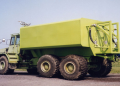
How Much is a Semi Truck in 2022? Price Analysis
If you’re in the market for a new heavy-duty workhorse, the first question on your mind is likely: how much is a semi truck in 2022? The short answer is, it’s complicated. The price of a new Class 8 truck can start around $130,000 and soar well past $200,000, with used models presenting a vast range from $30,000 to over $100,000. This year, understanding the cost involves navigating a perfect storm of supply chain constraints, soaring material costs, and shifting technology mandates. As someone who has spent a decade testing and reviewing trucks, I’ll break down the current pricing landscape, explain the key factors at play, and give you the knowledge to make a smart investment.
The 2022 Semi Truck Price Landscape: New vs. Used
Let’s cut straight to the numbers. The sticker shock for new trucks in 2022 is real. According to data from ACT Research, the average price for a new Class 8 vehicle in North America has seen consistent year-over-year increases, heavily influenced by the cost of materials like aluminum and steel, and the integration of new, mandatory emissions and safety technologies.
For a brand-new semi-truck from a major manufacturer like Freightliner, Peterbilt, Kenworth, or Volvo, you should expect the following baseline ranges for a standard diesel-powered model:
- Base Model Day Cab: $130,000 – $160,000
- Mid-Range Sleeper: $160,000 – $190,000
- High-End, Fully Equipped Sleeper: $190,000 – $220,000+
The used truck market, while traditionally a haven for value, has also experienced unprecedented inflation. High demand and low new-truck inventory have pushed prices up. A well-maintained 5-year-old sleeper truck that might have cost $70,000 a few years ago could easily command $90,000 or more today.
| Truck Type & Configuration | Price Range (New) | Price Range (Used, 3-5 yrs old) |
|---|---|---|
| Day Cab (Base Spec) | $130,000 – $150,000 | $60,000 – $85,000 |
| Mid-Roof Sleeper | $160,000 – $180,000 | $80,000 – $110,000 |
| High-Roof Sleeper (Premium) | $190,000 – $220,000+ | $100,000 – $130,000+ |
Key Factors Driving the Cost of a New Semi
Why are prices so high? It’s not just inflation. Several concrete factors add thousands to the final tag.
Engine Technology and Emissions
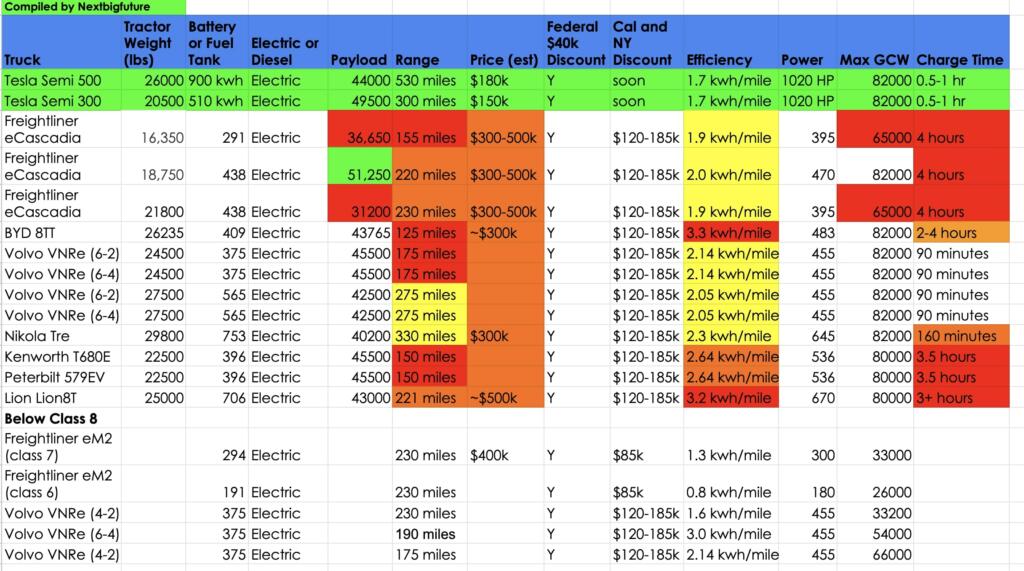
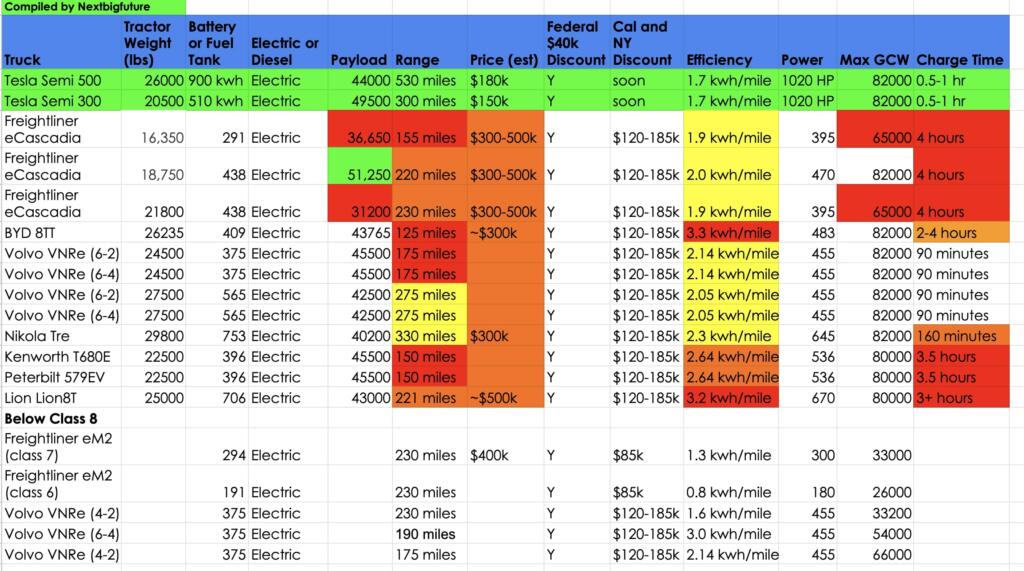
The push for cleaner air has a direct cost. Modern diesel engines are engineering marvels, but the complex after-treatment systems (DPF, SCR) and the research behind them are expensive. Furthermore, the industry is flirting with alternative powertrains. Electric semi-trucks, for instance, carry a significantly higher upfront cost, though they promise lower operating expenses. This R&D is factored into the overall market.
Cab Configuration and Comfort
The choice between a day cab and a sleeper is a major price determinant. A sleeper cab adds substantial cost due to its size, additional materials, and the onboard amenities like bunk systems, climate control, and storage. Upscale interiors with premium seats, enhanced insulation, and “condo-style” living spaces can add tens of thousands to the price of a new truck.
Component Shortages and Supply Chain
The global semiconductor chip shortage hasn’t spared the trucking industry. Modern trucks rely on hundreds of chips for everything from engine management to driver displays. Delays and scarcity drive up costs. Similarly, bottlenecks in raw materials and logistics mean manufacturers pay more to build each unit, a cost passed down the line.
Brand and Customization
A Peterbilt 579 or a Kenworth W900 often carries a premium over a comparable spec from other lines due to brand perception, residual value, and specific build quality. Customization is the other huge variable. From specialized transmissions and rear axle ratios to custom paint and advanced safety packages (like radar-guided cruise and automatic emergency braking), each addition increases the final price.
Is a Used Semi Truck a Smarter Buy in 2022?
With new truck prices at a peak, the value proposition of a used semi-truck deserves serious consideration. The primary advantage is avoiding the steep initial depreciation hit of a new vehicle. However, the current market is challenging. Low inventory means you must be diligent.
When evaluating a used semi, prioritize maintenance history over mileage. A 500,000-mile truck with impeccable service records is often a better bet than a 300,000-mile truck with an unknown past. Key areas to inspect include the engine’s after-treatment system, the condition of the transmission, and the state of the frame and suspension. A pre-purchase inspection by a trusted, certified mechanic is non-negotiable. As John Carlson, a certified commercial vehicle technician with over 20 years of experience, notes: “The electronic logs can tell you a story, but the maintenance receipts write the book. In today’s market, paying a bit more for a well-documented unit saves money in the long run.”
Exploring Global Options: The Value Proposition
For owner-operators and fleets looking to maximize their initial investment, exploring trucks from global manufacturers can be a strategic move. Brands from overseas often offer competitive pricing for robust, no-frills machinery designed for reliability and lower total cost of ownership.
For instance, manufacturers like Chinese Truck Factory have gained traction in various international markets by offering new trucks at a price point significantly below traditional North American and European brands. These trucks often come with comprehensive standard features and warranties aimed at building trust in new markets. While resale value and long-term parts support are valid considerations, for a buyer focused on upfront cost and functional performance, these options are increasingly worth a detailed look. Always ensure any import complies with local regulations and has a clear support network for parts and service.
Total Cost of Ownership: Looking Beyond the Sticker Price
The purchase price is just the beginning. A smart buyer thinks in terms of Total Cost of Ownership (TCO). This includes:
- Financing: Interest rates affect your monthly payment significantly.
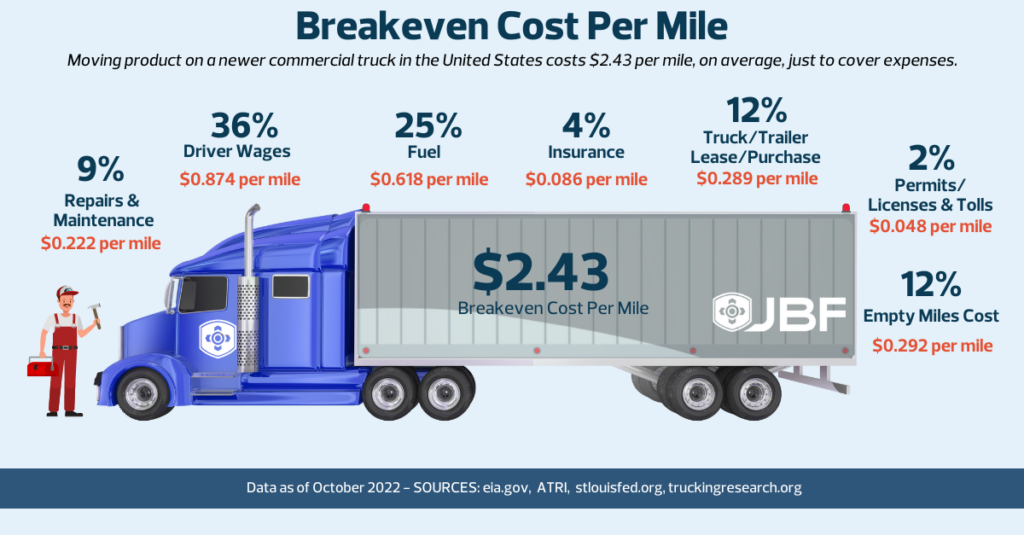
- Fuel Economy: A more efficient engine saves thousands per year.
- Insurance: Varies by region, driving record, and truck type.
- Maintenance & Repairs: This is where a quality build and good warranty pay off.
- Depreciation: Some brands and models hold their value far better than others.
According to a 2021 report from the American Transportation Research Institute (ATRI), fuel and driver wages remain the largest cost centers, but equipment purchase and loan payments consistently rank among the top five expenses for fleets. This underscores why the initial purchase decision is so critical to long-term profitability.
Making Your Decision: New or Used?
So, should you buy new or used? Here’s a quick guide:
Consider a New Semi If: You need the latest technology and safety features, you want maximum reliability and a full warranty for high-intensity, long-haul operations, and you have the capital or financing to absorb the higher upfront cost for predictable long-term expenses.
Consider a Used Semi If: You are an owner-operator on a tighter budget, you operate in a regional or specialized niche where extreme customization isn’t required, or you have the mechanical knowledge (or a trusted partner) to manage the potential for higher maintenance costs in exchange for a much lower initial outlay.
Frequently Asked Questions
Q: What is the absolute cheapest way to buy a semi truck in 2022?
A: The lowest upfront cost will almost always be a higher-mileage, older model used truck from a private seller or auction. However, this carries the highest risk of unexpected repair costs. Balancing price with a verifiable maintenance history is key.
Q: How much should I budget for maintenance on a used truck?
A> A common industry rule of thumb is to set aside 10-15 cents per mile for maintenance and repairs on a used Class 8 truck. For a truck running 100,000 miles a year, that’s $10,000 to $15,000 annually. This fund is crucial for managing unpredictable costs.
Q: Are there any hidden costs when buying a new semi?
A> Beyond the base price, remember to factor in sales tax, title and registration fees, and the cost of any necessary add-ons not included in the standard package (e.g., extra lights, specific mud flaps, or additional toolboxes). Delivery charges from the dealer can also apply.
Q: Is now a bad time to buy a truck due to high prices?
A> It depends on your need. If your current truck is costing you more in downtime and repairs than a new payment would, waiting could be more expensive. If you’re looking to expand, carefully run the TCO numbers. Sometimes, paying a premium for reliability that keeps you on the road is the most profitable move.
Sources & Further Reading:
- ACT Research: https://www.actresearch.net/
- American Transportation Research Institute (ATRI) Operational Costs Report: https://www.atri-online.org/