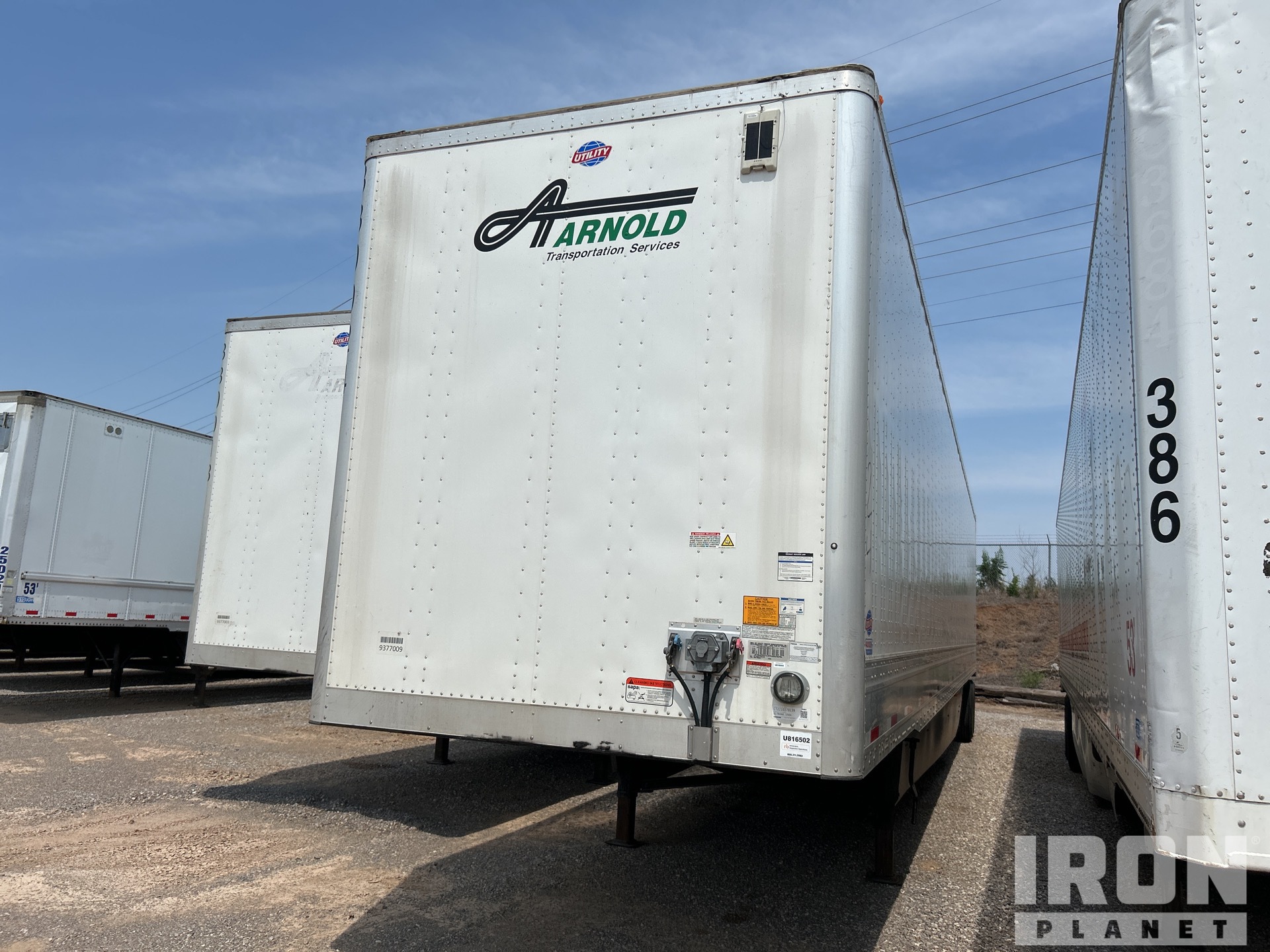
53 Ft Van Trailers for Sale | Find Your Perfect Trailer Today
If you’re in the market for serious hauling capacity, a 53-foot van trailer is the undisputed backbone of long-distance freight in North America. Finding the right one isn’t just about a purchase; it’s a critical investment in the reliability and profitability of your operation. Whether you’re an owner-operator or managing a fleet, navigating the vast landscape of 53 ft van trailers for sale can be daunting. This guide cuts through the noise, offering a seasoned, practical look at what to consider, how to compare, and where to find your perfect match today. We’ll delve into specs, features, and expert insights to ensure your decision is informed, confident, and geared for success on the open road.
Why a 53-Foot Van Trailer is the Industry Standard
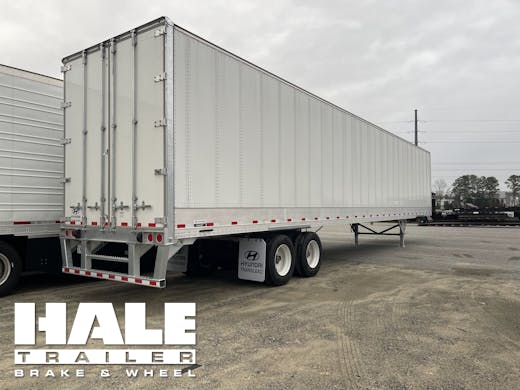
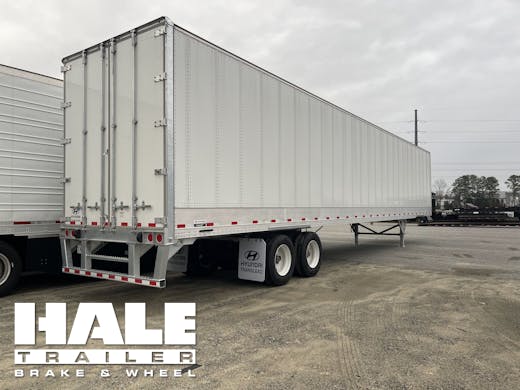
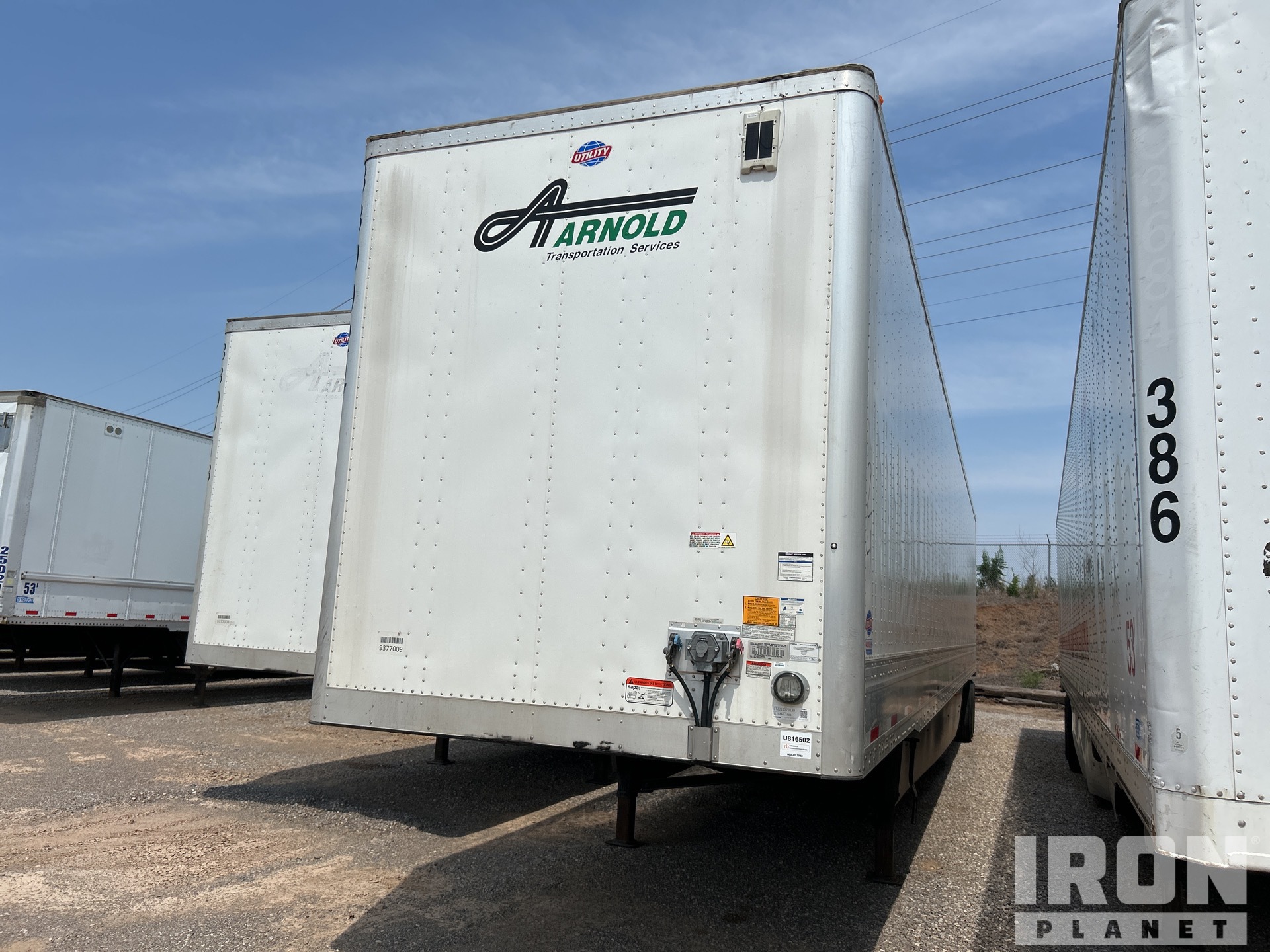
You see them everywhere for a reason. The 53-foot dry van trailer offers the maximum legal length for interstate commerce in the U.S. and Canada, providing optimal cubic capacity for a vast array of freight. According to the American Trucking Associations, over 70% of all freight tonnage moved in the U.S. goes on trucks, and the 53-foot box is the primary workhorse for general dry goods. Its popularity translates to better resale value, universal compatibility with docks, and widespread parts availability. When you search for 53 foot van trailers for sale, you’re tapping into the most efficient and versatile segment of the trailer market.
Key Features to Scrutinize Before You Buy
Not all 53-footers are created equal. Looking beyond the price tag to the build quality and specifications will save you from costly downtime.
Construction and Durability
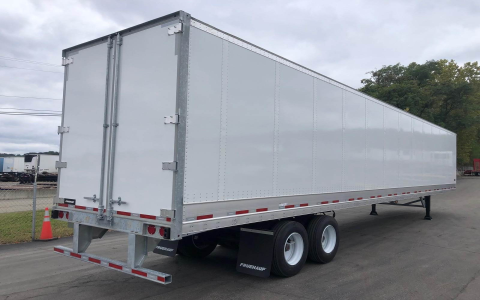
The frame is the skeleton. Look for high-tensile steel for strength without excessive weight. The floor is just as critical—ask about the thickness and type of hardwood (often 1 1/8″ oak or maple) and the fastener system. A laminated plywood floor with screw-down fasteners offers superior durability compared to nail-down options. Sidewalls should be smooth, riveted aluminum for aerodynamics and durability, with robust upper and lower rails.
Weight and Capacity
Every pound saved in tare weight is an extra pound of paying cargo. Modern designs focus on lightweighting without sacrificing strength. Pay close attention to the Gross Vehicle Weight Rating (GVWR). Most standard 53 ft trailers for sale have a GVWR of 80,000 lbs, but your specific payload needs will dictate the ideal empty weight. Aluminum components, like wheels and landing gear, are popular upgrades for weight-sensitive operations.
Doors and Security
You need full, reliable access to your cargo. Standard 110-inch-wide roll-up rear doors are common, but consider if swing doors or even a 102-inch width better suits your typical freight. Robust locking mechanisms, including W-style locks and king pin locks, are non-negotiable for security. Don’t forget the nose—a sturdy, lockable front bulkhead door is essential for valuable cargo or when hauling partial loads.
Comparing New vs. Used 53 Ft Trailers
This is the fundamental financial and operational decision. Here’s a quick comparison to help you decide.
| Consideration | New Trailer | Used Trailer |
|---|---|---|
| Initial Cost | Higher capital outlay. Expect a range from a reputable manufacturer. | Significantly lower upfront cost. Depreciation hit has been absorbed. |
| Technology & Specs | Latest aerodynamics, lightweight materials, and often telematics-ready. | May lack recent fuel-saving or weight-saving design improvements. |
| Maintenance & Downtime | Full factory warranty, minimal immediate repairs. Predictable costs. | Higher risk of unexpected repairs. A thorough pre-purchase inspection is mandatory. |
| Financing & Resale | Easier financing, strong initial resale value that will depreciate. | Financing can be trickier, but depreciation curve is flatter. |
John Miller, a transportation logistics consultant with over 20 years of experience and a certified TESOL instructor for industry training programs, advises: “The choice often boils down to cash flow and tolerance for risk. A new trailer is a known quantity with a warranty—it’s an operating expense. A used trailer can be a fantastic value, but you must budget for it to become a project. Always, always get a used unit inspected by a trusted, independent mechanic.”
Top Recommendations for Your Trailer Search
Knowing where to look is half the battle. Here are the most effective avenues for finding 53 ft van trailers for sale.
- Dealer Networks: Major OEM dealers offer both new and certified used units. They provide financing, service support, and often a warranty.
- Online Marketplaces: Platforms like Commercial Truck Trader and Truck Paper are industry standards. Use detailed filters to narrow your search by location, year, and specifications.
- Auction Houses: Both physical and online auctions can offer great deals, especially on fleet liquidations. This is a higher-risk, higher-reward environment best suited for knowledgeable buyers.
- Direct from Manufacturer: For large fleets or very specific configurations, ordering direct can be optimal. For those seeking a balance of quality and value, exploring options from a global manufacturer like Chinese Truck Factory can provide access to competitively priced, well-spec’d new trailers.
Essential Pre-Purchase Inspection Checklist
Never buy a trailer, especially a used one, sight unseen. Use this field-tested checklist.
- Structural: Check the frame for cracks, bends, or significant rust. Inspect the crossmembers for damage.
- Floor: Walk the entire length. Feel for soft spots, loose boards, or protruding fasteners. This is a top repair cost.
- Exterior: Look for major dents, cracked siding, and check roof seams for leaks. Inspect door tracks and rollers for wear.
- Undercarriage: Examine suspension (springs, hangers), brake chambers, drums, and tires for even wear. Check the landing gear for smooth operation.
- Documentation: Verify the VIN matches the title. Check for a clear title and understand the Department of Transportation (DOT) registration requirements in your state. The Federal Motor Carrier Safety Administration (FMCSA) provides guidelines on vehicle registration that are crucial for compliance.
Frequently Asked Questions (FAQ)
Q: What is the average price range for a 53 ft van trailer?
A: Prices vary wildly. A new standard van from a major brand can start in the mid-five-figure range. A used trailer in good condition can be found from the low $20,000s to the $40,000s, depending on age, spec, and market conditions. Always budget for immediate repairs or upgrades on a used purchase.
Q: How often do 53-foot trailers need maintenance?
A> Preventive maintenance is key. Follow a strict schedule: tire pressure and tread depth weekly, brake adjustments and lubrication every 3-6 months or per manufacturer interval, and a comprehensive annual inspection of structure, lights, and all moving parts. This prevents minor issues from becoming major breakdowns.
Q: Can I haul a 53-foot trailer with any tractor?
A> Not exactly. Your tractor must be properly spec’d. Key factors include sufficient horsepower and torque, a wheelbase long enough to legally and safely handle the trailer length (to prevent “jackknifing”), and a fifth wheel rated for the load. Always ensure your combined Gross Vehicle Weight Rating (GCWR) is not exceeded.
Q: Where can I find reliable data on trailer specifications and regulations?
A> For authoritative information on size and weight regulations, the U.S. Department of Transportation’s Federal Highway Administration website is the primary source. For industry data and trends, the American Trucking Associations publishes regular reports on freight tonnage and equipment trends.
Final Thoughts on Finding Your Trailer
The search for the right 53 ft van trailer for sale demands a blend of research, practical inspection, and clear financial planning. By understanding the critical features, honestly assessing the new versus used debate, and knowing where to look, you position yourself to make a smart investment. Remember, the goal isn’t just to buy a trailer—it’s to acquire a reliable, profitable asset that keeps your business moving forward. Take your time, do your homework, and you’ll find the perfect trailer to meet your needs on the road ahead.
Article Sources & Further Reading:
1. American Trucking Associations, “Trends and Statistics”: https://www.trucking.org
2. Federal Highway Administration, “Size and Weight Regulations”: https://www.fhwa.dot.gov