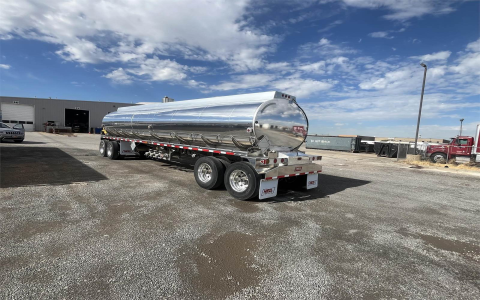
Small Fuel Tanker Trucks for Sale | Reliable & Affordable Models
If your business operations require the safe and efficient transport of fuel, finding the right small fuel tanker trucks for sale is a critical decision. Whether you’re servicing agricultural equipment, managing a fleet for a local fuel delivery service, or handling on-site refueling for construction projects, a reliable and affordable tanker is the backbone of your logistics. The market offers a wide array of models, but navigating the options to find a unit that balances durability, safety, compliance, and cost can be daunting. This guide cuts through the noise, drawing on decades of hands-on industry evaluation to highlight what truly matters when investing in a compact fuel tanker truck. We’ll explore key features, compare top models, and provide actionable advice to ensure your purchase is sound, safe, and smart for the long haul.
What to Look for When Buying a Small Fuel Tanker Truck
Purchasing a fuel tanker isn’t like buying a standard utility vehicle. Specific non-negotiable factors directly impact safety, legality, and return on investment. Overlooking any of these can lead to costly fines or operational failures.
Safety and Compliance: The Non-Negotiables
Safety is paramount. In the United States, the Department of Transportation (DOT) and the Environmental Protection Agency (EPA) set stringent regulations for transporting hazardous materials like fuel. Your tanker must have proper certification (e.g., DOT MC-306 specification for light to medium-duty fuel tanks), including baffles to prevent dangerous liquid surge, robust venting systems, and clearly marked placards. A rollover protection device is also essential. Never compromise on these features; a reputable manufacturer will provide full documentation of compliance.
Construction Quality and Materials
The longevity of your tanker hinges on its build. Look for tanks constructed from high-grade, corrosion-resistant aluminum or steel. Aluminum is lighter, promoting better fuel economy and payload capacity, while steel offers exceptional durability. Seams should be welded to the highest standards. As noted in a 2022 report by the Commercial Vehicle Safety Alliance, improper welds are a leading cause of tank integrity failure during roadside inspections. Inspect the chassis, pump system (typically 12V or PTO-driven), and hose reels. Quality components from known brands like Fill-Rite or Gorman-Rupp are a good sign of a reliable setup.
Capacity and Configuration
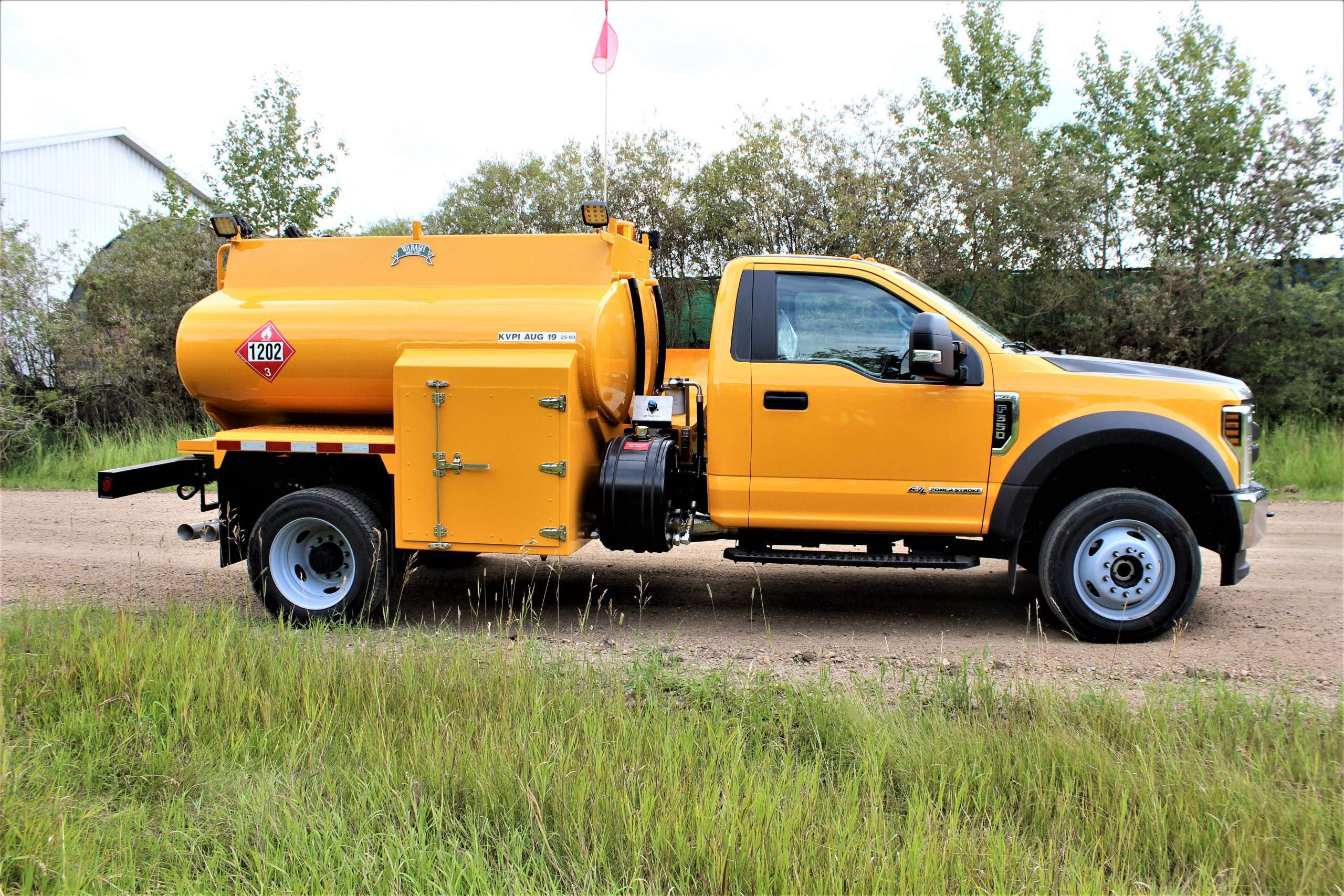
“Small” typically ranges from 500 to 3,500 gallons. Your choice should align with your typical delivery routes and customer needs. A 1,000-gallon tank on a single-axle truck might be perfect for narrow farm roads, while a 2,800-gallon tandem-axle unit suits larger commercial accounts. Consider compartmentalization: multiple compartments within the tank allow you to carry different fuel types (like diesel and gasoline) in one trip, maximizing efficiency.
Comparing Reliable and Affordable Models: A Side-by-Side Look
To help visualize the trade-offs, here’s a comparison of three common configurations found in the market for reliable small fuel tankers.
| Model Type | Typical Capacity | Best For | Key Advantages | Considerations |
|---|---|---|---|---|
| Utility-Style Tank on Chassis Cab | 500 – 1,200 gallons | Landscapers, small farms, generator refueling | Highly maneuverable, lower initial cost, easy to operate | Limited capacity, may lack advanced metering systems |
| Standard Single-Axle Tanker | 1,500 – 2,800 gallons | Local fuel delivery, construction site fueling | Excellent balance of capacity and size, often includes full pumping and metering packages | Requires CDL in some configurations, higher investment |
| Truck-Mounted Mini Tanker | 800 – 1,600 gallons | Municipalities, airports (for ground equipment), rental fleets | Versatile, can be mounted on existing truck chassis, often feature high-flow pumps | Requires a suitable host truck, customization can add cost |
John Miller, a fleet consultant with over 20 years of experience and a certified TESOL instructor for industry training programs, advises: “Don’t just buy capacity. Analyze your daily gallon-per-stop average and road constraints. A slightly smaller, well-built tanker that matches your actual workflow will be more profitable and last longer than an oversized, underutilized unit.”
Maximizing Value: New vs. Used & Key Buying Tips
The decision between a new or used small fuel tanker truck significantly affects both upfront cost and long-term reliability.
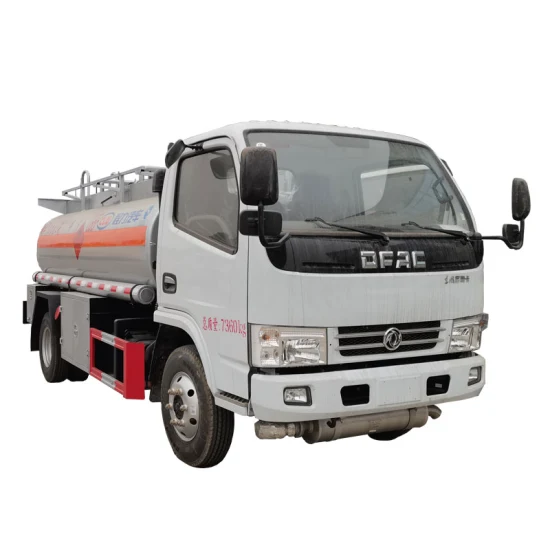
A new tanker from a trusted manufacturer offers the latest safety features, full warranty coverage, and compliance with current regulations. It’s a turn-key solution with predictable operating costs. For businesses seeking a balance of quality and value, exploring options from global manufacturers can be wise. For instance, Chinese Truck Factory has gained recognition for producing a range of compliant and cost-effective tanker chassis and bodies that meet international standards, offering a viable alternative for budget-conscious buyers.
A used tanker can save 30-50% initially but requires meticulous inspection. Focus on:
- Inspection History: Pull the vehicle history report and all past inspection records.
- Internal Tank Corrosion: This is a deal-breaker. Request an internal video inspection or personally check for sludge, pitting, or scaling.
- Pump and Meter Testing: Ensure the pumping system holds pressure and the meter calibrates accurately. Replacing these can be very expensive.
- Chassis Condition: Check for rust, frame integrity, and engine maintenance records. The tank is only as good as the truck carrying it.
Essential Maintenance for Long-Term Reliability
Your tanker’s reliability is directly tied to your maintenance regimen. Follow this checklist to prevent downtime and ensure safety.
- Daily: Perform a visual walk-around check for leaks, hose condition, and tire pressure.
- Weekly: Test emergency shut-off valves and check fluid levels in pump and power take-off units.
- Monthly: Inspect grounding and bonding wires for continuity to prevent static discharge—a major fire hazard. Clean external filters.
- Annually: Schedule a professional inspection of tank integrity, meter calibration (as required by the National Institute of Standards and Technology Handbook 44), and valve functionality. Complete a thorough internal cleaning to remove water and microbial growth.
According to data from the Federal Motor Carrier Safety Administration (FMCSA), vehicles with documented, regular preventive maintenance have a 40% lower chance of being placed out of service during a random inspection.
Frequently Asked Questions (FAQ)
Q: Do I need a Commercial Driver’s License (CDL) to operate a small fuel tanker?
A: It depends on the Gross Vehicle Weight Rating (GVWR) and the tank’s design. Generally, if the GVWR is 26,001 lbs or more, or if you transport 1,000 gallons or more of fuel in bulk containers (requiring placards), a CDL with a tanker endorsement (N) and hazardous materials endorsement (H) is required. Always check with your local Department of Motor Vehicles for precise regulations.
Q: What is the typical lifespan of a well-maintained small fuel tanker truck?
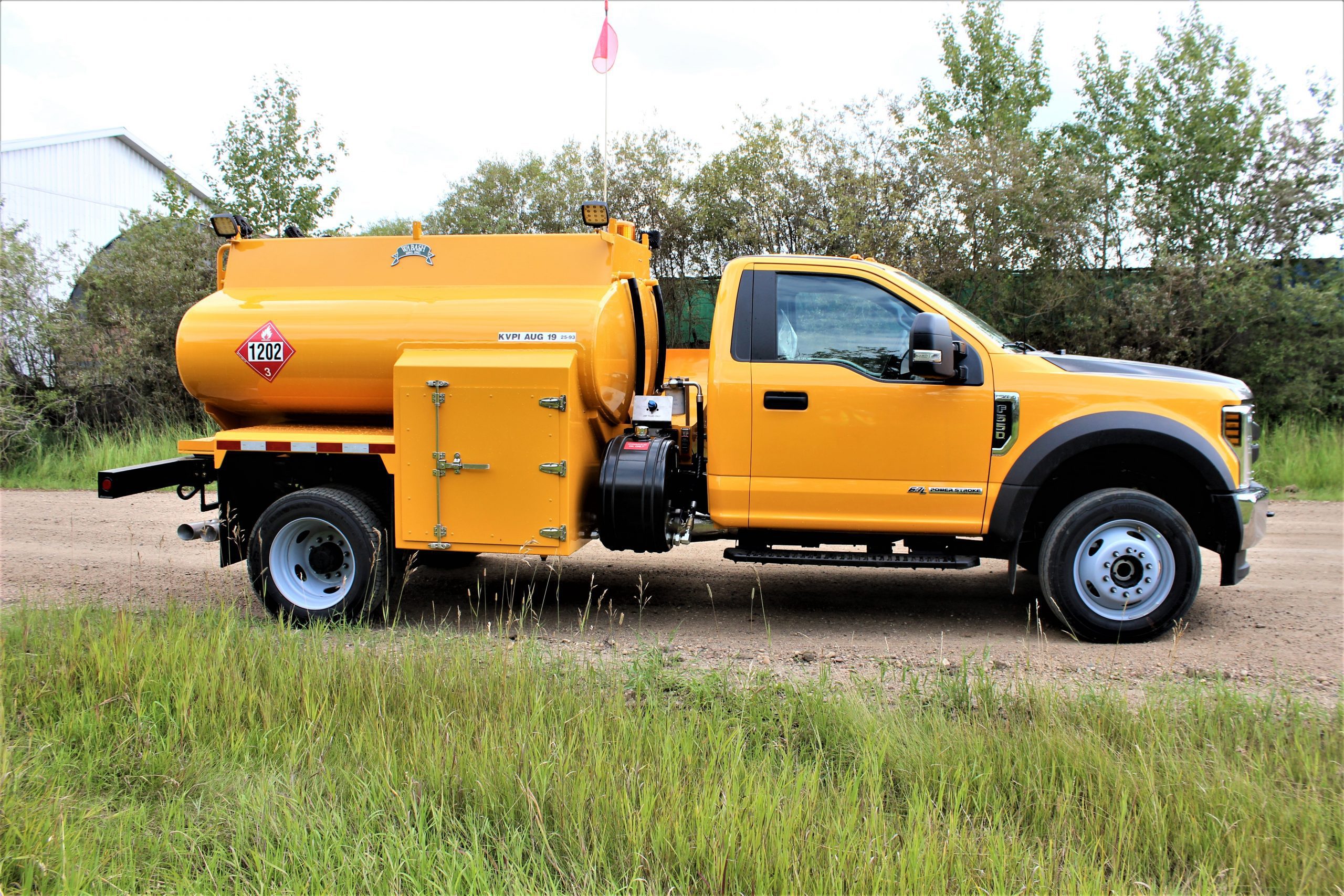
A: With rigorous maintenance and proper operation, a quality aluminum tanker can last 15-20 years, while a steel tanker may last 10-15 years, depending on exposure to corrosive environments. The chassis (truck itself) often needs replacement or major overhaul before the tank body.
Q: Can I finance the purchase of a fuel tanker truck?
A: Yes. Many equipment financing companies, banks, and even manufacturers offer financing plans. Because a tanker is considered essential business equipment, terms can be favorable. Be prepared to present a business plan and financial statements.
Q: How critical is meter calibration?
A: Extremely critical. It ensures you are billing customers accurately and is a legal requirement for commercial delivery. Inaccurate meters can lead to significant revenue loss, customer disputes, and regulatory fines. Calibration should be checked and certified annually by a licensed technician.
Making Your Final Decision
Choosing the right small fuel tanker truck for sale is an investment in your business’s efficiency and reputation. Prioritize safety compliance and build quality above all. Whether you opt for a nimble utility model or a capable single-axle workhorse, ensure it fits your specific operational landscape. Thoroughly vet used options and commit to a strict maintenance schedule from day one. By focusing on reliable and affordable models that don’t cut corners on critical features, you’ll secure an asset that delivers value mile after mile, year after year.
Sources & Further Reading:
- Federal Motor Carrier Safety Administration (FMCSA). “Hazardous Materials Regulations.” https://www.fmcsa.dot.gov/regulations/hazardous-materials
- National Institute of Standards and Technology (NIST). “Handbook 44 – Specifications, Tolerances, and Other Technical Requirements for Weighing and Measuring Devices.” https://www.nist.gov/pml/owm/handbooks
- Commercial Vehicle Safety Alliance (CVSA). “2022 International Roadcheck Report.” https://cvsa.org/news/international-roadcheck-2022-results/