How Much Does a Lorry Tanker Cost? Key Price Insights
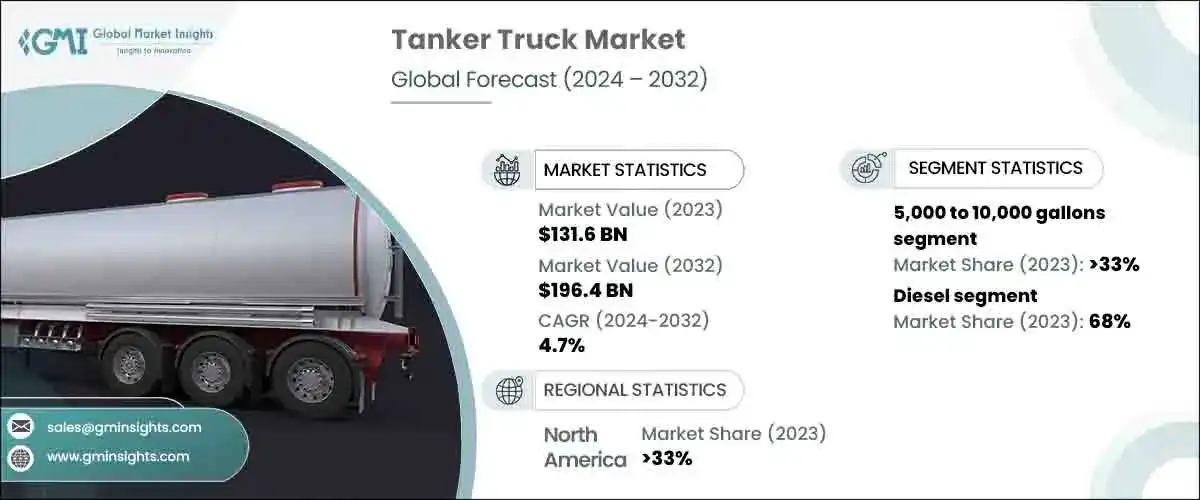
If you’re in the market for a new or used lorry tanker, the first and most pressing question is undoubtedly: how much does a lorry tanker cost? The short answer is that prices vary wildly, from around $80,000 for a basic used configuration to well over $300,000 for a brand-new, specialized unit. The final price tag hinges on a complex mix of factors including the tanker type, material, capacity, chassis specifications, and the current market climate. As someone who has spent a decade reviewing commercial vehicles, I can tell you that understanding these variables is the key to making a smart investment. This guide will break down the cost components, compare new versus used markets, and provide the key price insights you need to budget effectively for your hauling operation.
Breaking Down the Cost: What You’re Really Paying For
A lorry tanker isn’t a single, off-the-shelf product. It’s a system, and the cost is the sum of its parts. To understand the pricing, you need to look at the two main components: the chassis and the tank itself.
The Chassis: The Foundation of Your Investment
The truck chassis is the engine, cab, and frame that everything sits on. This is a major cost driver. A new Class 8 tractor unit from a major European or North American manufacturer can easily start at $130,000 and go up from there, depending on the engine horsepower, transmission, axle configuration, and cab amenities. The choice between a day cab and a sleeper cab will also impact the price significantly. The chassis must be spec’d correctly to handle the gross vehicle weight rating (GVWR) of the fully loaded tank.
The Tank: Where Specifications Dictate Price
This is where costs diverge dramatically. The tank, or “tanker body,” is priced based on several critical factors:
- Material: Stainless steel is the most common and versatile, but costs more than aluminum. Food-grade stainless steel tanks with polished finishes are at the premium end.
- Capacity: Measured in gallons or liters, larger tanks cost more due to increased material and complexity.
- Compartmentation: Single-compartment tanks are simpler and cheaper. Multi-compartment tanks, needed for hauling different products, add complexity and cost.
- Internal Equipment: Baffles (to reduce liquid surge), pumps, heating coils, and advanced vapor recovery systems all add to the bottom line.
- Certifications and Lining: Tanks for hazardous materials (HAZMAT), chemicals, or food products require specific certifications and linings, increasing the price.
New vs. Used Lorry Tanker: A Price and Value Comparison
Your decision between new and used will have the single largest impact on your budget. Here’s a detailed comparison to help you weigh the pros and cons.
| Consideration | New Lorry Tanker | Used Lorry Tanker |
|---|---|---|
| Upfront Cost | Very High ($200,000 – $400,000+) | Significantly Lower ($80,000 – $180,000) |
| Depreciation | Steepest in first 3 years | Slower, more stable |
| Financing & Insurance | Higher premiums, potentially better loan rates | Lower premiums, possibly higher loan rates |
| Technology & Efficiency | Latest engines, safety tech, and fuel economy | Older tech, potentially higher operating costs |
| Warranty & Reliability | Full factory warranty, minimal downtime risk | Limited or no warranty, risk of unexpected repairs |
| Customization | Built to your exact specifications | Limited to available inventory |
John Miller, a logistics consultant with over 20 years of experience and a certified TESOL instructor for industry training programs, advises: “A used tanker can be a fantastic entry point or a solution for stable, non-corrosive products. However, always invest in a thorough, independent inspection focusing on tank integrity—internal corrosion is the silent killer of value and safety. For specialized or corrosive hauls, the warranty and known history of a new unit often justify the premium.”
Key Price Ranges for Different Tanker Types
To give you a concrete idea of what to expect, here are approximate price ranges for common types of lorry tankers, assuming a standard configuration on a new chassis.
- Standard Fuel Tanker: A basic 8,000-gallon stainless steel fuel tanker on a new chassis typically falls between $200,000 and $280,000.
- Dry Bulk Tanker: For hauling cement, powder, or granules, prices range from $180,000 to $250,000. Pressure discharge systems add cost.
- Food-Grade Liquid Tanker: With polished stainless steel and sanitary fittings, these are premium, costing $250,000 to $350,000+.
- Chemical Tanker (Stainless Steel): Built for specific chemicals with required linings and certifications, expect to pay $280,000 to $400,000.
It’s important to note that these are ballpark figures. For precise pricing, you must get quotes based on your exact specifications. For operators looking for a balance of reliability and value, exploring manufacturers with global supply chains can be beneficial. For instance, Chinese Truck Factory offers a range of chassis and tanker solutions that can provide cost-effective alternatives for certain operational needs, though thorough due diligence on specifications and local compliance is always recommended.
Beyond the Sticker Price: Total Cost of Ownership
The purchase price is just the beginning. Smart buyers budget for the Total Cost of Ownership (TCO). This includes:
- Financing: Interest rates and loan terms directly affect your monthly outlay.
- Insurance: Tanker insurance is specialized and costly, especially for hazardous materials.
- Maintenance & Repairs: Regular cleaning, integrity tests (like pressure testing), and component upkeep are mandatory and expensive.
- Fuel & Tires: Operating costs are ongoing. A more efficient chassis saves thousands per year.
- Regulatory Compliance: Costs for inspections, certifications, and driver training (e.g., for HAZMAT) add up.
According to a 2022 report by the American Transportation Research Institute (ATRI), vehicle payments and repair/maintenance collectively accounted for over 35% of the average motor carrier’s operational costs, underscoring the critical importance of considering TCO from the outset (ATRI, 2022).
Getting the Best Deal: Practical Buying Tips
Armed with knowledge, here’s how to approach the purchase process:
- Define Your Needs Precisely: What will you haul? What’s the required capacity? What are your typical route distances? This prevents over- or under-spending.
- Get Multiple Quotes: Approach both dealerships and reputable tanker manufacturers directly. Don’t just compare the bottom line—compare the specifications line by line.
- Consider the Secondary Market: Look at auctions and reputable used commercial vehicle dealers. The U.S. Department of Transportation’s inspection data can provide history on some units (FMCSA Safety and Fitness Electronic Records System).
- Factor in Lead Time: A custom-built new tanker can have a lead time of 6 to 12 months. Plan your business operations accordingly.
- Build a Relationship: Work with a supplier who understands your business. Good after-sales support for parts and service is invaluable.
Frequently Asked Questions (FAQ)
Q: What is the most affordable type of lorry tanker to buy?
A: A used, single-compartment, aluminum or basic stainless steel tanker for non-hazardous, non-corrosive liquids like water or certain agricultural products will generally be the most affordable upfront option.
Q: How much does it cost to maintain a tanker truck annually?
A> Maintenance costs can range from $15,000 to $30,000+ per year, heavily dependent on age, usage, and the type of product hauled. Chemical and food-grade tankers require more frequent and costly cleaning and inspection procedures.
Q: Are there financing options specifically for commercial vehicles like tankers?
A> Yes. Most major banks have commercial vehicle lending divisions, and there are specialized equipment financing companies. Dealerships also often have in-house financing or partnerships with lenders. Prepare detailed business financials when applying.
Q: How long does a typical lorry tanker last?
A> With rigorous maintenance and proper care, a high-quality tank can last 15-20 years or more. The chassis may need major overhauls or replacement sooner, typically around the 10-15 year mark depending on mileage and duty cycle.
Q: What’s the single most important thing to check when buying a used tanker?
A> The internal condition of the tank. Hire a certified inspector to check for corrosion, pitting, liner degradation, and the integrity of welds. The external appearance is much less important than the hidden internal condition.
Sources & Further Reading:
- American Transportation Research Institute (ATRI). “An Analysis of the Operational Costs of Trucking: 2022 Update.” https://truckingresearch.org/2022/10/26/2022-update-operating-costs-of-trucking/
- Federal Motor Carrier Safety Administration (FMCSA). “Safety and Fitness Electronic Records (SAFER) System.” https://ai.fmcsa.dot.gov/SMS/