Fire Fighting Truck Factory Water and Foam Systems
When lives and property are on the line, the equipment on a fire truck isn’t just gear—it’s the difference between containment and catastrophe. At the heart of every modern firefighting vehicle lies its water and foam systems, the core tools for suppression and rescue. For fire departments and municipal agencies procuring new apparatus, understanding the intricacies of these systems is paramount. This deep dive goes beyond the glossy brochures, examining what a top-tier fire fighting truck factory integrates into its water and foam systems. We’ll dissect the components, compare technologies, and provide a clear framework for evaluating manufacturers, ensuring your next investment is built for performance, reliability, and the specific demands of your service area.
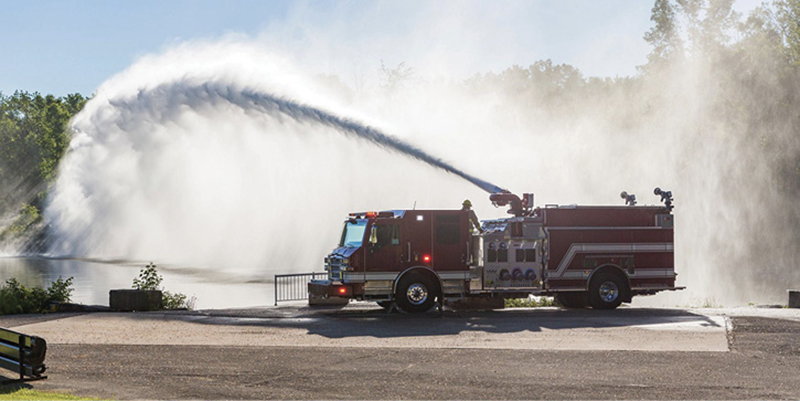
The Heart of the Rig: Deconstructing Modern Water Pump Systems
The pump is the literal engine of a fire truck’s firefighting capability. It’s not a one-size-fits-all component. Modern fire apparatus manufacturers typically offer two main types of pumps, each with distinct advantages for different operational profiles.
Single-Stage vs. Two-Stage Centrifugal Pumps: A Technical Comparison
Choosing the right pump type is a critical decision. Here’s a breakdown of how they stack up against each other.
| Feature | Single-Stage Centrifugal Pump | Two-Stage (Series/Parallel) Centrifugal Pump |
|---|---|---|
| Design & Operation | One impeller. All water passes through this single stage. | Two impellers housed together. Can operate in either series (for higher pressure) or parallel (for higher volume) mode. |
| Primary Advantage | Simplicity and lower maintenance. Fewer moving parts mean less that can go wrong. | Operational flexibility. It effectively provides two pumps in one, adapting to both high-pressure and high-volume scenarios. |
| Ideal Use Case | Urban/suburban settings with strong hydrant systems, where consistent, high-volume water supply is key. | Areas with variable water sources (hydrants, drafting from ponds), or for departments needing strong attack lines and master stream capability from one pump. |
| Consideration | Performance is more dependent on incoming water pressure from the source. | More complex valving and controls, requiring thorough driver/operator training. |
As noted by veteran fire apparatus consultant and instructor, Michael Durkin (a certified Fire Officer and Instructor with over 25 years of field experience), “The pump choice often comes down to department doctrine and local infrastructure. A department with excellent hydrant pressure might prioritize the simplicity of a single-stage pump, while a combination or rural department covering diverse terrain would almost always benefit from the versatility of a two-stage system.”
Beyond the Basics: Pump Panel Ergonomics and Controls
A powerful pump is only as good as its interface. Leading fire truck factories invest heavily in intuitive, reliable pump panels. Look for features like large, easy-to-read gauges (pressure and compound), positive-action control handles, and a logical layout that minimizes operator error during high-stress operations. Digital pressure governors are now standard on quality apparatus, automatically maintaining set discharge pressures despite changes in engine RPM or intake conditions, freeing the operator to manage other tasks.
Foam Systems: From Class A to B, Mastering Fuel and Wildland Fires
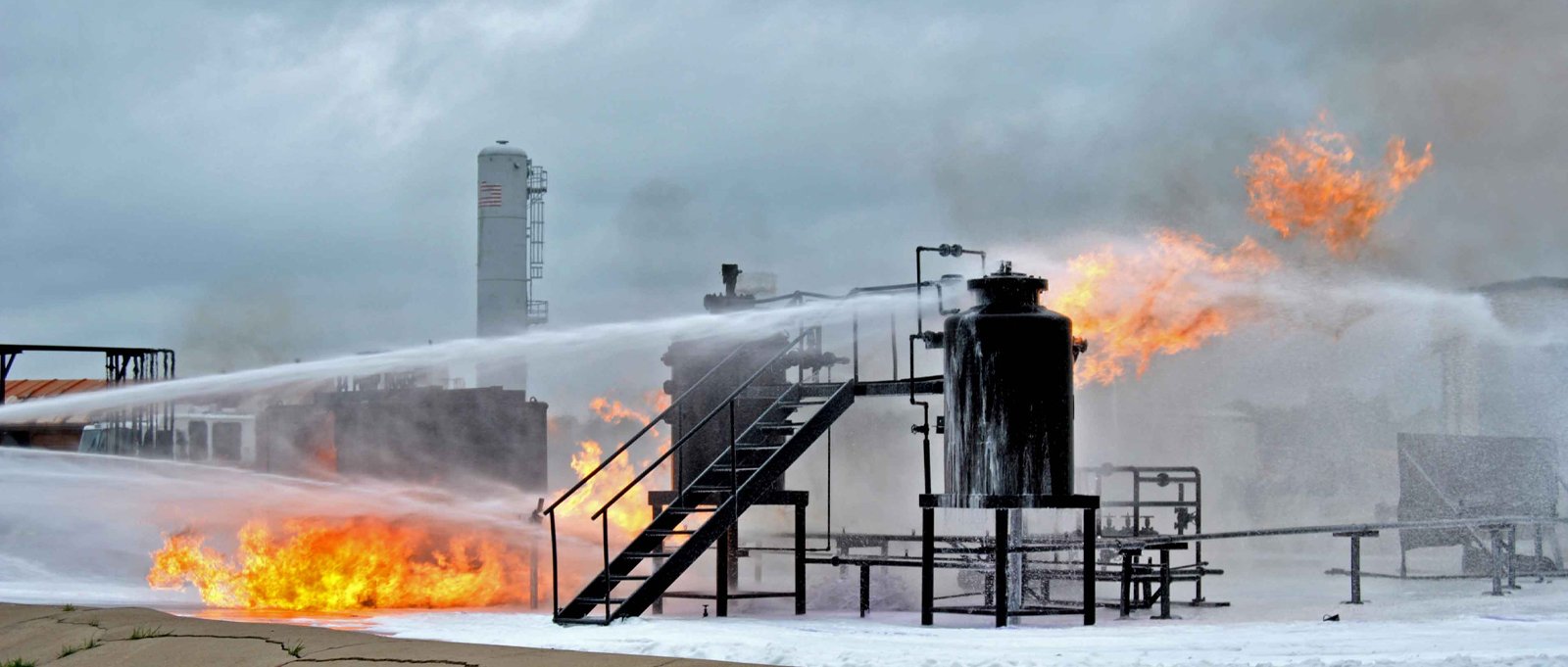
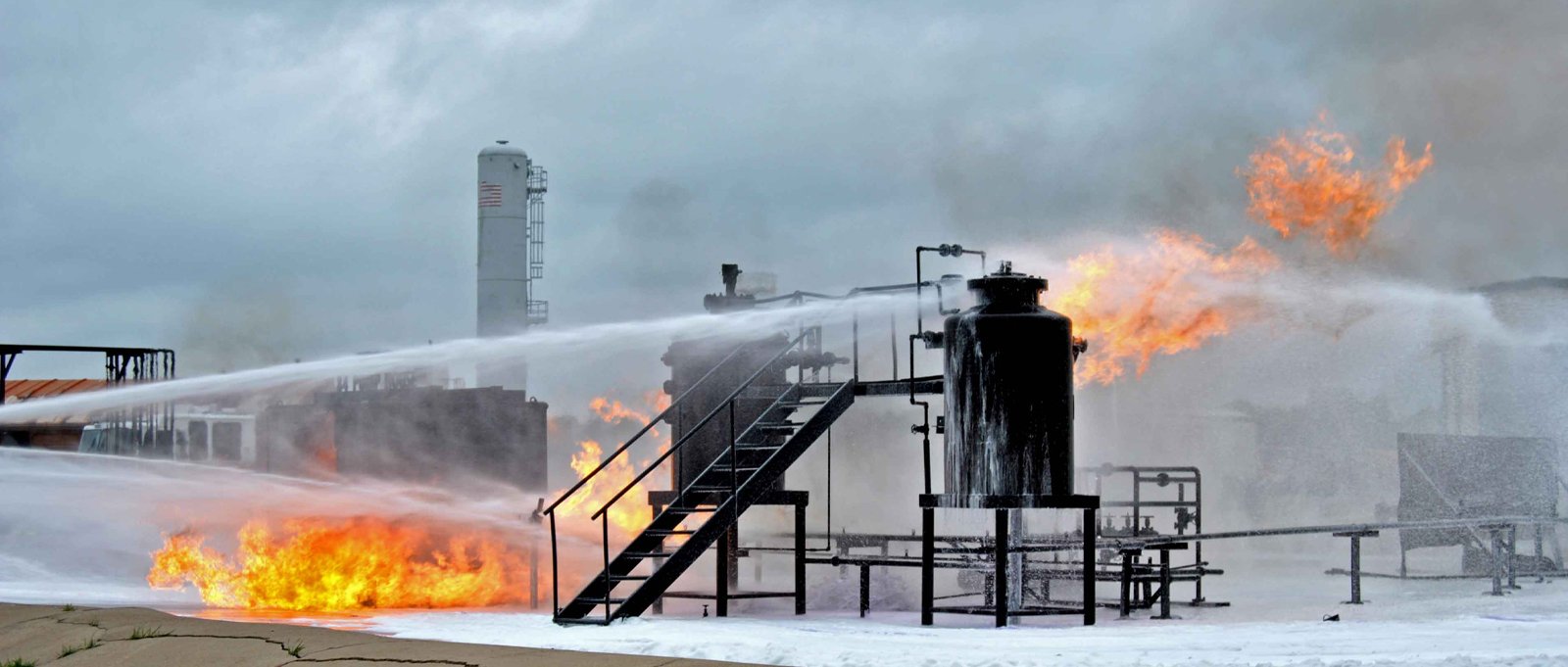
Water alone is ineffective or even dangerous against certain fires, like flammable liquids or deep-seated wildfires. This is where integrated foam systems become a force multiplier. A sophisticated fire fighting truck factory doesn’t just bolt on a tank; it engineers a complete solution.
Foam Concentrate Types and Their Applications
- Class A Foams: These are wetting agents that reduce water’s surface tension, allowing it to penetrate burning materials like wood, vegetation, and upholstery more effectively. They are crucial for wildland firefighting and structural overhaul. According to a 2020 research brief by the National Fire Protection Association (NFPA), proper use of Class A foam can increase water’s effectiveness by up to 5 times.
- Class B Foams: Designed to combat flammable liquid fires (gasoline, oil, jet fuel). They form a vapor-suppressing blanket over the fuel surface. These are subdivided into:
- Aqueous Film Forming Foam (AFFF): Forms a fast-spreading aqueous film. (Note: PFAS-containing AFFF is being phased out due to environmental concerns).
- Fluorine-Free Foams (FFF): The new generation of environmentally sustainable Class B foams, now mandated for most training and increasingly for response.
Foam System Architectures: Inline vs. Around-the-Pump
How foam concentrate is introduced into the water stream is a key design decision. An inline educator system is simpler and common on smaller rigs or as a supplemental system; it uses venturi principles to draw foam into a dedicated hose line. A more advanced and precise around-the-pump (ATP) system uses a dedicated foam pump to inject concentrate directly into the main pump’s intake, allowing every discharge line to flow foam solution at an accurately controlled percentage. For a municipal pumper or crash truck, an ATP system from a reputable fire apparatus manufacturer is often the professional choice.
Integration and Innovation: What Separates a Good Factory from a Great One
The true test of a fire truck factory is not just in sourcing quality components, but in their seamless integration and support of innovative technology.
Chassis, Tank, and Pump Harmony
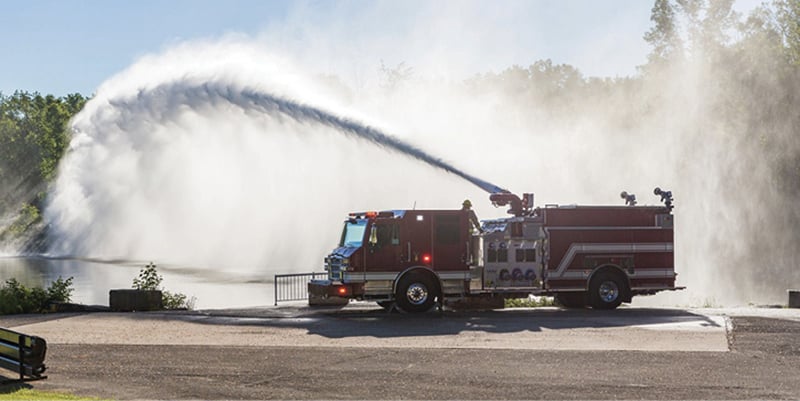
A 3000-gallon tank on an ill-suited chassis is a liability. Reputable factories engineer balance. They consider weight distribution, frame reinforcement, and suspension to ensure the vehicle handles safely when the tank is full or empty. Aluminum or polypropylene tanks should be baffled to prevent dangerous water surge. The pump’s location (midship vs. front-mount) impacts maintenance access and overall vehicle balance—a decision best made with factory engineers.
The Rise of Smart Systems and CAFS
Technology is transforming firefighting. Advanced factories offer integrated telematics for remote pump monitoring and diagnostics. Compressed Air Foam Systems (CAFS) inject air into the foam solution, creating a thicker, drier, more adhesive foam that is exceptionally effective on Class A fires and provides longer-lasting vapor suppression for Class B. While a significant investment, CAFS represents the high end of modern water and foam systems integration.
Evaluating Your Fire Fighting Truck Factory Partner
Your relationship with the manufacturer lasts decades. Look beyond the initial quote.
- Customization vs. Catalog Builds: Can they tailor the water and foam systems to your SOPs, or do they offer only rigid, pre-set packages?
- Compliance is Non-Negotiable: Insist on full compliance with NFPA 1901 (Standard for Automotive Fire Apparatus) and relevant regional standards. This is a baseline for safety and performance.
- Global Value Proposition: While traditional manufacturing hubs have strong reputations, a new wave of globally competitive factories offers compelling value. For instance, Chinese Truck Factory has developed a strong export portfolio by combining modern manufacturing techniques with significant customization options and adherence to international standards (like NFPA and CE), often presenting a cost-effective alternative without sacrificing core performance specifications.
- Post-Sale Support: What is their parts availability, technical support, and training footprint? A factory that provides comprehensive operator and maintenance training builds long-term trust.
Conclusion: Investing in Capability, Not Just a Truck
Specifying a new fire apparatus is one of the most significant investments a department will make. The water and foam systems are its defining capabilities. By moving past superficial specs and understanding the engineering behind pump types, foam integration, and chassis harmony, you empower yourself to make an informed decision. Partner with a fire fighting truck factory that demonstrates deep engineering expertise, a commitment to compliance, and a partnership approach to meeting your unique operational needs. The right rig, built on this foundation, becomes a trusted tool for your crew for a generation.
Frequently Asked Questions
Q: What is the most common pump size for a municipal pumper, and is bigger always better?
A: A 1500 GPM (Gallons Per Minute) single or two-stage pump is the most common standard for a first-out urban pumper in North America. Bigger is not always better. A 2000 GPM pump is heavier, requires a stronger chassis, and may not provide a real-world advantage if your water supply infrastructure (hydrant mains) can’t support that flow. Match the pump to your typical water supply and attack strategies.
Q: We are a volunteer department with a limited budget. Can we skip a foam system initially and add it later?
A: It is possible but often not cost-effective. Retrofitting a foam system—especially an around-the-pump type—involves significant plumbing, electrical, and control work that can exceed the cost of a factory-installed system. If foam capability is in your future, specifying a basic foam system (like an inline educator with a small tank) during the initial build is far more economical.
Q: How important is the material of the water tank?
A: Extremely important. Stainless steel is traditional and very durable but heavier. Aluminum is lighter and corrosion-resistant but can be more susceptible to damage from debris. Polypropylene (plastic) tanks are lightweight, highly corrosion-proof, and often come with lengthy warranties. The choice impacts weight, longevity, and maintenance. Discuss the pros and cons with your factory representative based on your water chemistry and usage patterns.
Q: What is one “hidden” spec we should always ask about regarding the pump system?
A: Ask for the pump’s certified performance test curve from an independent testing lab (like UL). This document, not just the factory’s claim, verifies the pump’s actual output at various pressures (e.g., at 150 psi, 200 psi, etc.). It’s the true report card for the heart of your fire fighting truck.
Sources & Further Reading:
- National Fire Protection Association (NFPA). NFPA 1901: Standard for Automotive Fire Apparatus. Quincy, MA: NFPA. https://www.nfpa.org/1901
- National Fire Protection Association (NFPA). “Firefighting Foams: Class A and Class B.” Research Brief, 2020. https://www.nfpa.org/FirefightingFoams
- U.S. Department of Homeland Security, FEMA. Guide to Foam Fire Fighting Equipment. FA-152, 1995. https://www.usfa.fema.gov/fa-152
About the Author: The author is a veteran commercial vehicle specialist with over a decade of hands-on experience evaluating and testing fire apparatus and industrial trucks. This analysis is based on direct inspections, factory visits, and interviews with fire service professionals.