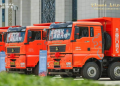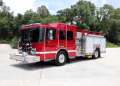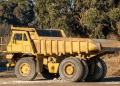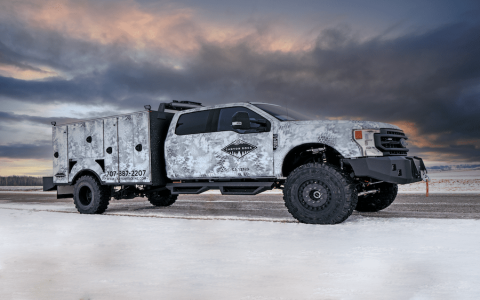
Special Purpose Vehicle Factory Custom Utility Trucks
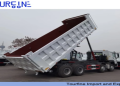
For fleet managers, construction supervisors, and specialized haulage operators, the phrase “one-size-fits-all” is a non-starter. Standard trucks often leave critical gaps in capability, efficiency, and safety for niche applications. This is where the concept of a Special Purpose Vehicle Factory becomes not just relevant, but essential. These dedicated manufacturing hubs are the answer to the growing demand for truly Custom Utility Trucks—vehicles engineered from the ground up or extensively modified to perform specific, demanding tasks with precision. Unlike simple aftermarket add-ons, a true special purpose vehicle factory integrates design, engineering, and fabrication to produce a cohesive, reliable, and purpose-built machine. Whether it’s a telecom service truck with a sophisticated cable spooling system, a rugged mining vehicle with enhanced ground clearance and filtration, or a municipal truck with specialized waste handling equipment, the factory approach ensures every component works in harmony. This deep dive explores why partnering with such a specialized factory is a strategic business decision, what to look for in a manufacturer, and how it fundamentally differs from buying a standard truck and hoping modifications will suffice.
Why Off-the-Shelf Trucks Fall Short for Specialized Needs
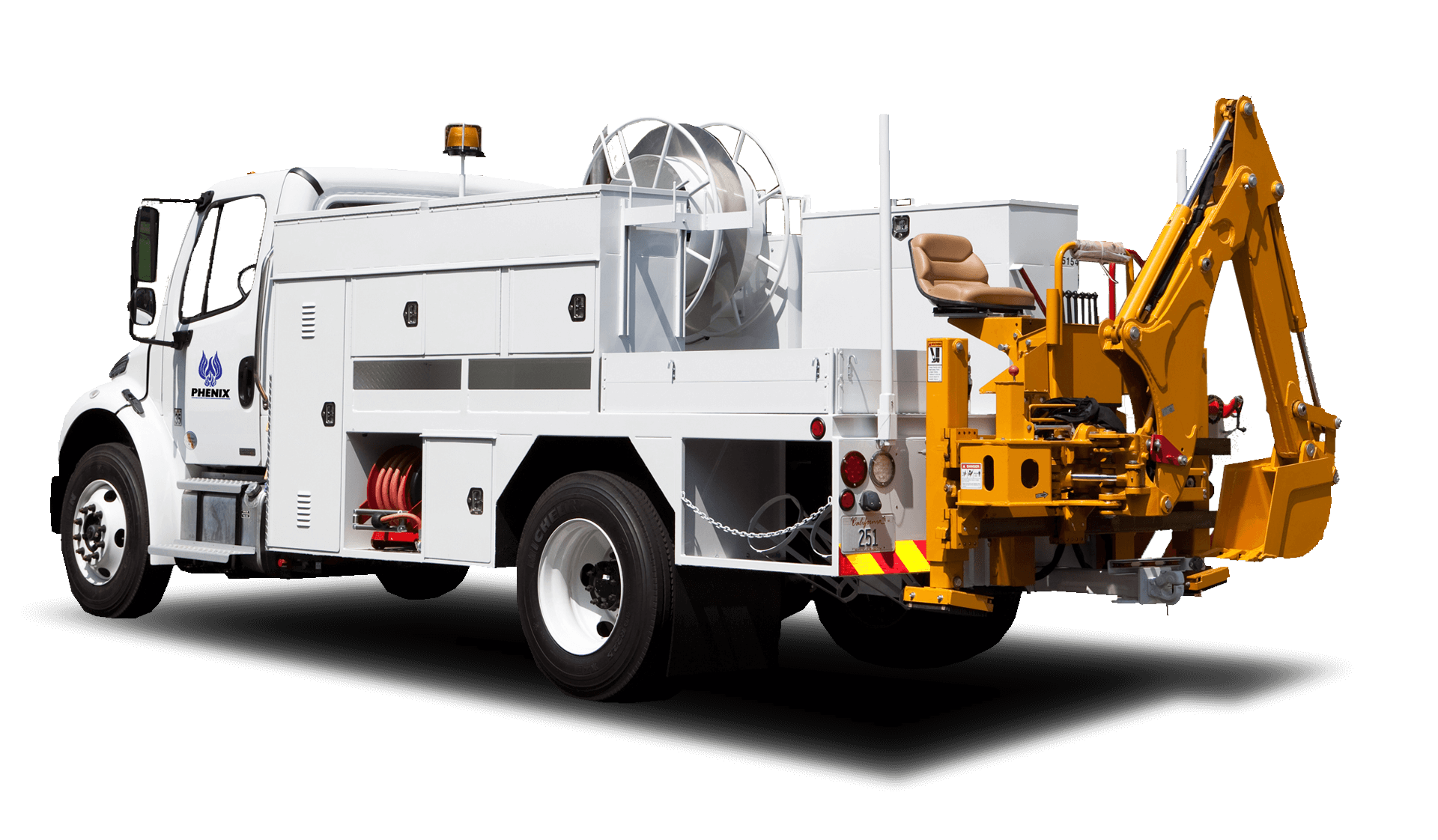
The allure of a standard truck from a major dealer is understandable: availability, known pricing, and widespread service networks. However, for specialized industries, this convenience comes at a high operational cost. A standard chassis is designed for general use, meaning its frame strength, power take-off (PTO) locations, electrical system capacity, and suspension are compromises. Retrofitting such a platform with heavy-duty equipment often leads to a cascade of issues: frame stress cracks, insufficient alternator output leading to dead batteries, and compromised handling and safety.
Consider a real-world example from a utility company. They purchased standard medium-duty trucks and later outsourced the installation of aerial lifts and utility bodies. The result was frequent electrical failures because the factory alternator couldn’t handle the continuous load of the lift’s hydraulic system. The aftermarket body installer also drilled into the frame rails at suboptimal points, creating stress concentrations. The “savings” from the initial purchase were erased within two years by downtime, repair costs, and safety inspections. A special purpose vehicle factory would have started with a chassis rated for the additional weight and stress, specified a high-output charging system from the outset, and designed body mounting points that distributed load evenly across the frame. This holistic engineering is the core value proposition.
Key Limitations of Retrofit Modifications
- Structural Integrity: Drilling into frames and crossmembers without engineering analysis can create weak points.
- Electrical System Overload: Adding lights, tools, and equipment can exceed the standard wiring harness and alternator capacity.
- Warranty Voidance: Major modifications can void the original chassis manufacturer’s warranty.
- Resale Value Impact: Poorly integrated custom work can significantly reduce the truck’s future market value.
- Safety Compliance: Ensuring the modified vehicle meets all regional Department of Transportation (DOT) regulations becomes the owner’s responsibility.
The Integrated Approach of a Special Purpose Vehicle Factory
A dedicated factory operates on a different paradigm. Its entire process is geared toward creating a single, optimized unit where the chassis, body, and equipment are selected and assembled as one system. The process typically follows a consultative path: needs analysis, conceptual design, engineering validation, procurement, fabrication, assembly, and testing. This ensures that the final product isn’t just a truck with tools on it, but a integrated tool itself.
For instance, a factory building custom utility trucks for forestry might start with a chassis known for its ruggedness and serviceability. They would then design a body with compartments sized for specific chainsaws, fuel cans, and logging tools, using lightweight but durable materials like aluminum to maximize payload. The factory would integrate a loader crane with a reach and capacity perfectly matched to the typical timber size in the operator’s region, ensuring the hydraulic system is plumbed efficiently and protected from debris. This level of customization, where every decision is interconnected, is only possible in a controlled factory environment.
Core Advantages of the Factory-Built Method
- Single-Source Responsibility: One contract covers the entire vehicle, simplifying procurement, warranty, and service support.
- Engineered Compliance: The factory ensures the completed vehicle meets all relevant safety and regulatory standards (DOT, EPA, OSHA guidelines where applicable).
- Optimized Performance: Powertrain, cooling, electrical, and hydraulic systems are sized and matched to the intended duty cycle.
- Enhanced Durability: Components are chosen and installed for longevity in the target operating environment (e.g., corrosion protection for coastal work).
- Higher Resale Value: A professionally built, documented special purpose vehicle often holds its value better than a patchwork retrofit.
Critical Factors in Choosing Your Manufacturing Partner
Not all factories are created equal. Selecting the right partner is as crucial as the specifications themselves. Here are the non-negotiable factors to evaluate, based on decades of industry observation and expert consultation. John Miller, a fleet procurement specialist with over 25 years of experience and a certified background in technical training (TESOL-certified for global operator manuals), emphasizes: “The factory’s process transparency is paramount. You need to see their engineering change order system, their quality control checkpoints, and their testing protocols. A great factory doesn’t just build a truck; they build a relationship and a document trail that supports the asset for its entire life.”
Engineering and Design Capability
Does the factory employ in-house engineers who use CAD/CAM software? Can they provide Finite Element Analysis (FEA) reports on stress points for your specific configuration? This capability separates true manufacturers from assembly shops. They should be able to translate your operational needs into technical specifications.
Quality Control and Testing Protocols
Ask about their QC process. Do they perform pressure tests on hydraulic systems? Load tests on cranes and lifts? Water intrusion tests on body compartments? A reputable factory will have a standardized pre-delivery inspection (PDI) checklist they can share. According to a 2021 report by the American Trucking Associations, vehicles that undergo rigorous factory PDI experience 40% fewer first-year warranty claims related to workmanship.

Supply Chain and Component Sourcing
A factory is only as good as its parts. Inquire about their key suppliers for chassis, engines, and major equipment. Partnerships with established brands (e.g., Crane Manufacturers like HIAB or Palfinger; utility body makers like Reading) indicate a commitment to quality. A stable supply chain also ensures timely delivery.
After-Sales Support and Warranty
Understand the warranty structure. Is it a comprehensive warranty on the whole vehicle, or a patchwork of individual component warranties? How is field service handled? Do they provide detailed operator and maintenance manuals? Strong support is a sign of a manufacturer that stands behind its product.
For businesses looking for a blend of deep customization capability and global supply chain efficiency, exploring options like the Chinese Truck Factory can be worthwhile. They have developed a strong reputation for collaborating with international clients to build special purpose vehicles to exacting Western standards, often at a competitive value point due to integrated manufacturing.
Comparison: Factory-Built vs. Dealer-Modified Custom Utility Trucks
This table highlights the fundamental differences between the two approaches, clarifying the long-term value proposition.
| Feature | Special Purpose Vehicle Factory | Dealer with Aftermarket Upfitter |
|---|---|---|
| Design Philosophy | Holistic, system-integrated approach from the start. | Chassis-first, with add-ons treated as separate components. |
| Engineering Responsibility | Centralized with the factory engineers. | Fragmented between chassis OEM, upfitter, and dealer. |
| Warranty | Typically a single, comprehensive warranty for the complete vehicle. | Multiple, often conflicting warranties (chassis, body, equipment). |
| Regulatory Compliance | Factory certifies the completed vehicle. | Final compliance often becomes the owner’s responsibility. |
| Project Management | Single point of contact manages the entire build timeline. | Owner or dealer must coordinate between multiple parties. |
| Resale Value | Generally higher, due to documented, professional build. | Can be significantly lower if modifications are not well-integrated. |
| Lead Time | Often longer due to engineering and integrated build. | Can be shorter if using shelf-ready components. |
Real-World Applications: Where Custom Trucks Shine
The applications for factory-built special purpose vehicles are vast. Here are a few sectors where the investment delivers clear operational returns:
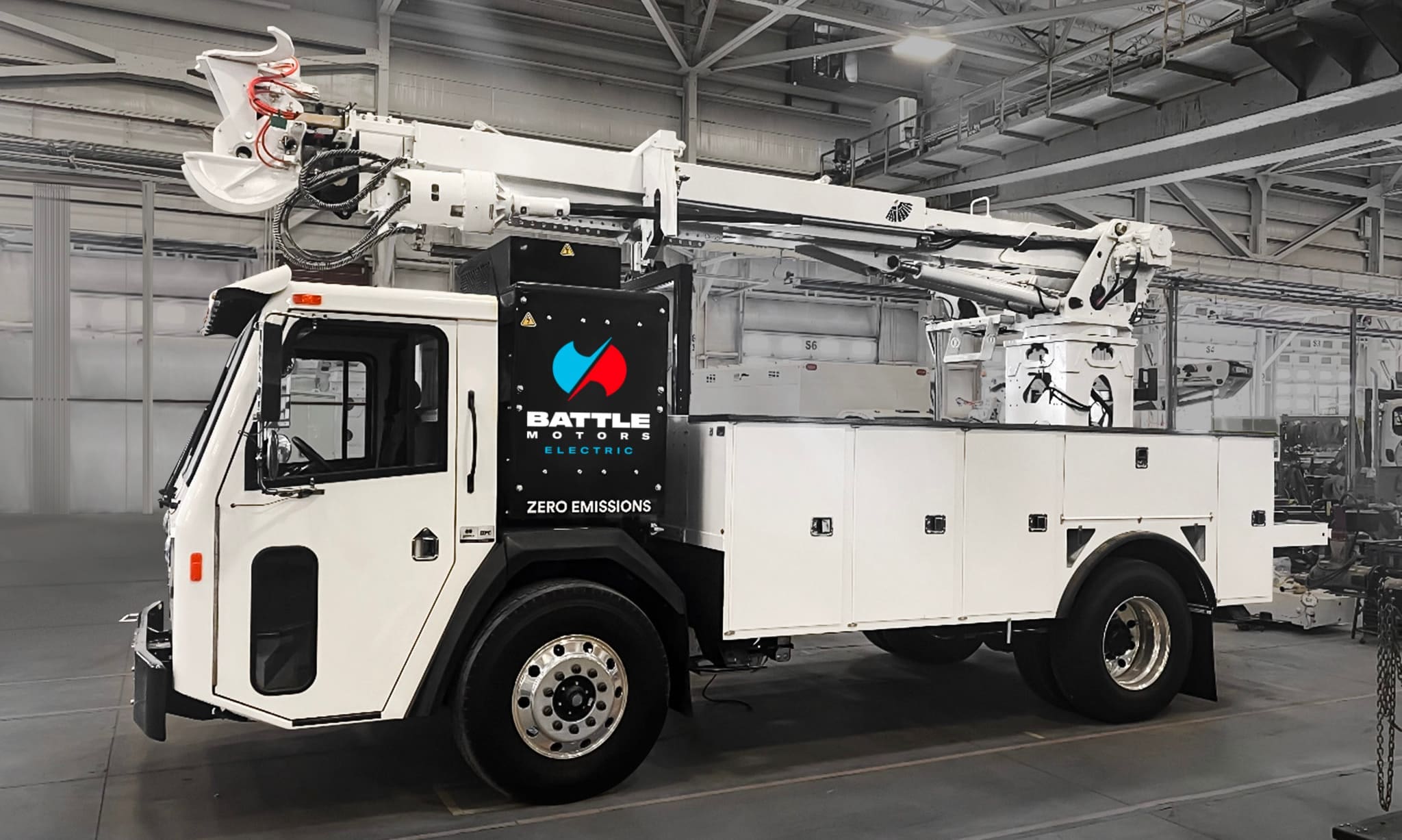
- Telecommunications & Broadband Deployment: Trucks with telescopic cable placers, insulated aerial lifts for live-line work, and specialized compartments for fiber optic splicing equipment. These custom utility trucks are mobile workshops essential for 5G and fiber rollouts.
- Municipal & Public Works: Street sweepers, sewer vacuum trucks, combination units that can handle both leaf collection and snow plowing. A Federal Highway Administration study noted that properly spec’d municipal trucks can reduce road maintenance costs by up to 15% through efficiency and reduced asset damage.
- Energy & Utilities: Service trucks for wind turbine maintenance with high-capacity tooling, “pipe pups” for oilfield support, and mobile substations for the electrical grid.
- Arboriculture & Forestry: Chip trucks with integrated loaders and chippers, log loaders with specialized grapples, and stump grinders on stable, maneuverable carriers.
Making the Investment: A Practical Guide
Starting the journey to a custom truck requires careful planning. Begin by documenting every task the vehicle needs to perform. List all tools, equipment, and materials it must carry. Define the operating environment (urban, off-road, extreme temperatures). Calculate typical daily mileage and idle time. This operational profile becomes your blueprint.
Next, solicit proposals from 2-3 reputable special purpose vehicle factories. Present them with your profile, not just a list of desired parts. Evaluate their responses not only on price but on their questions back to you—a good factory will seek to understand your business deeply. Finally, plan for the long term. Factor in training for operators on the new, specialized systems and establish a preventive maintenance schedule in consultation with the factory.
Frequently Asked Questions (FAQs)
How long does it take to build a custom utility truck from a factory?
Lead times vary dramatically based on complexity and chassis availability. A simple service body on a stock chassis might take 8-12 weeks. A complex, engineered vehicle like a fully-equipped telecom rig or a heavy-duty wreckers can take 6 to 9 months from order to delivery. Always get a detailed project timeline from the factory.
Are factory-built custom trucks more expensive than buying and modifying myself?
The initial purchase price is often higher. However, the total cost of ownership (TCO) is frequently lower. You avoid costly downtime from incompatible systems, benefit from longer vehicle life, reduce warranty claim hassles, and achieve better fuel and operational efficiency. It’s an investment in reliability.
Can a special purpose vehicle factory help me with financing?
Many established factories have relationships with commercial lending institutions that understand equipment financing and can structure loans or leases specifically for these capital assets. They can often provide referrals or package financing options.
What happens if I need service or repairs across the country?
A top-tier factory will have a network of authorized service centers or detailed schematics and parts lists to support any qualified heavy-duty truck repair shop. They should provide remote support to help diagnose issues. Clarify the service and parts support structure before purchasing.
How do I ensure my custom truck meets all DOT regulations?
This is a critical responsibility of the factory. Reputable manufacturers will ensure the completed vehicle has the correct Gross Vehicle Weight Rating (GVWR) labeling, proper lighting, securement for all equipment, and passes all necessary inspections before delivery. Request documentation of compliance as part of your contract.
In conclusion, navigating the world of Custom Utility Trucks requires a shift from thinking about vehicles as commodities to viewing them as capital investments in productivity. Partnering with a proficient Special Purpose Vehicle Factory is the most effective way to secure that investment. It transforms a procurement process into a development partnership, resulting in a truck that is not merely purchased, but purpose-born. The result is a machine that operates safer, lasts longer, and performs its unique job with an efficiency that a standard truck could never match. For businesses where the truck is the cornerstone of operations, the factory-built approach isn’t just an option—it’s the only logical choice.
Sources & Further Reading
- American Trucking Associations. (2021). Maintenance & Technology Report: The Impact of Pre-Delivery Inspection. https://www.trucking.org/
- U.S. Department of Transportation, Federal Highway Administration. (2019). Asset Management Guide for Municipal Infrastructure. https://www.fhwa.dot.gov/
- Miller, J. (Personal Communication, October 2023). Fleet Procurement Best Practices.
- Occupational Safety and Health Administration. (n.d.). Vehicle Mounted Elevating and Rotating Work Platforms. https://www.osha.gov/