.blog-post { font-family: Arial, sans-serif; line-height: 1.6; color: #333; max-width: 900px; margin: auto; }
h2 { color: #2c5282; border-bottom: 2px solid #e2e8f0; padding-bottom: 8px; margin-top: 2em; }
h3 { color: #4a5568; margin-top: 1.5em; }
ul, ol { padding-left: 1.5em; margin: 1em 0; }
table { width: 100%; border-collapse: collapse; margin: 1.5em 0; }
th, td { border: 1px solid #cbd5e0; padding: 12px; text-align: left; }
thead { background-color: #edf2f7; }
.faq-section { background-color: #f7fafc; padding: 20px; border-radius: 8px; margin: 2em 0; }
.faq-question { color: #2d3748; font-weight: bold; margin-bottom: 0.5em; }
.faq-answer { margin-top: 0; margin-bottom: 1.5em; }
.article-sources { font-size: 0.9em; color: #718096; border-top: 1px solid #e2e8f0; padding-top: 1em; }
.article-sources ul { list-style-type: none; padding-left: 0; }
.article-sources li { margin-bottom: 0.5em; }
Refuse Collection Vehicle Factory Sanitation Trucks
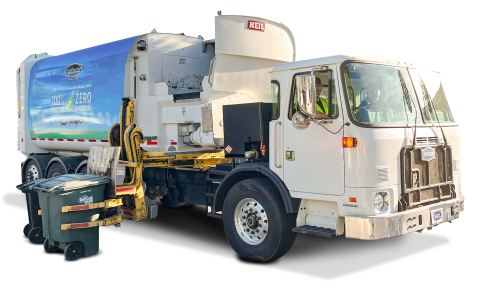
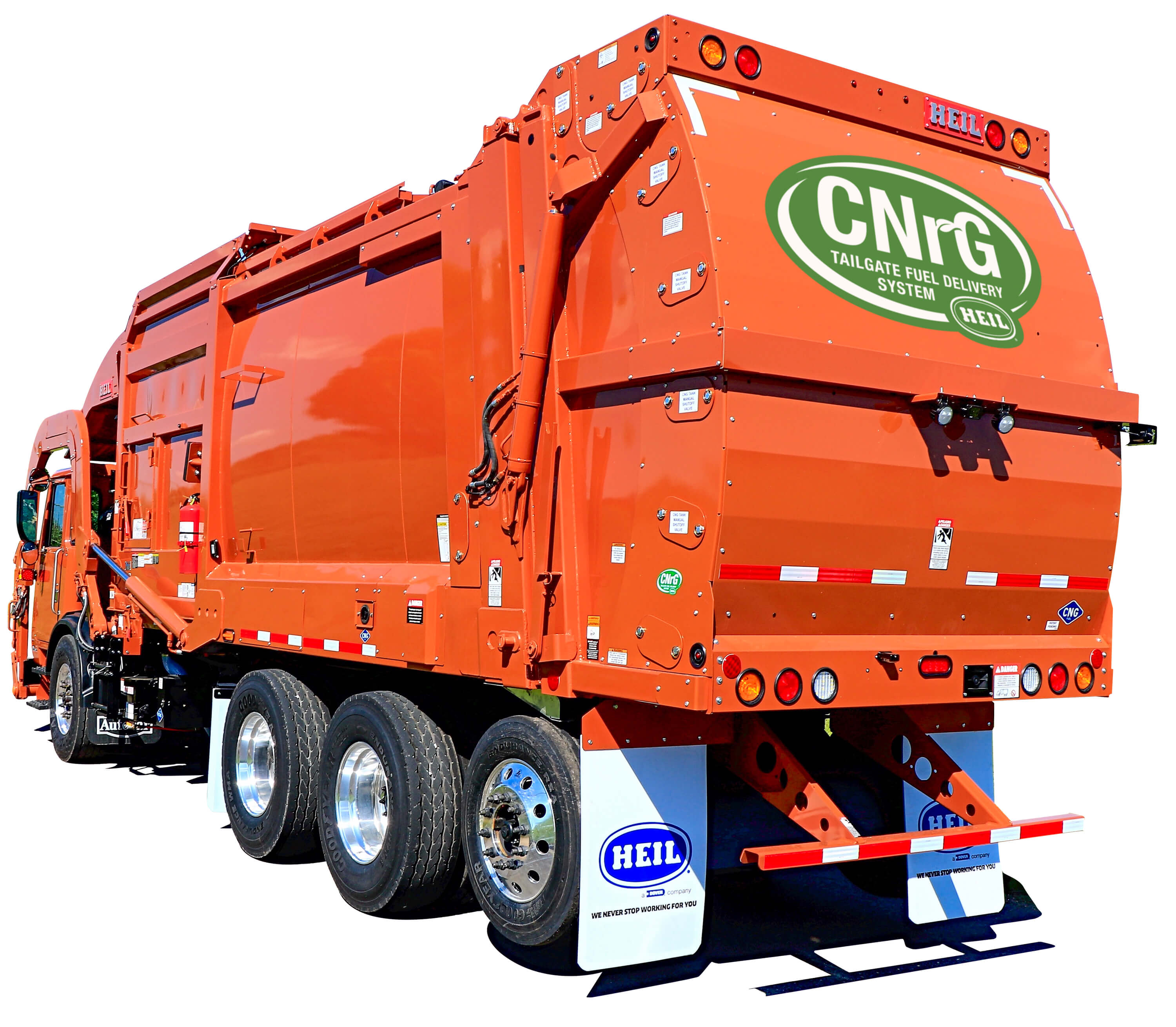
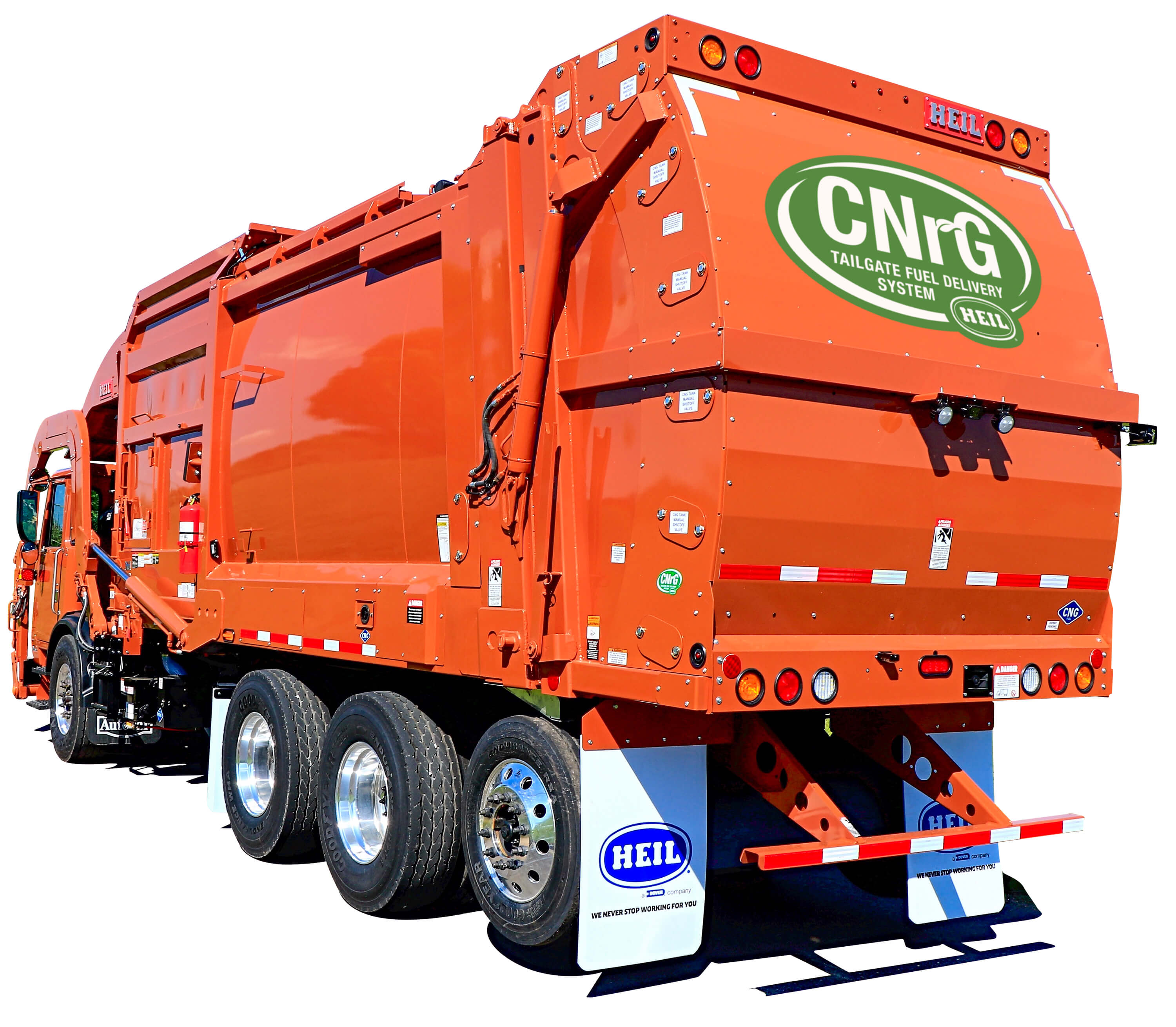
If you’re in the market for a new refuse collection vehicle or sanitation truck, you’re not just buying a truck; you’re investing in the backbone of your community’s public health and operational efficiency. The choice of where and how your refuse collection vehicle is manufactured is paramount. This guide cuts through the noise, offering a seasoned perspective from a decade of truck evaluations. We’ll delve into what truly matters when selecting a refuse collection vehicle factory, from engineering philosophy and build quality to after-sales support, ensuring your investment stands the test of time and grueling daily routes.
Beyond the Assembly Line: What Defines a Top-Tier Sanitation Truck Factory?
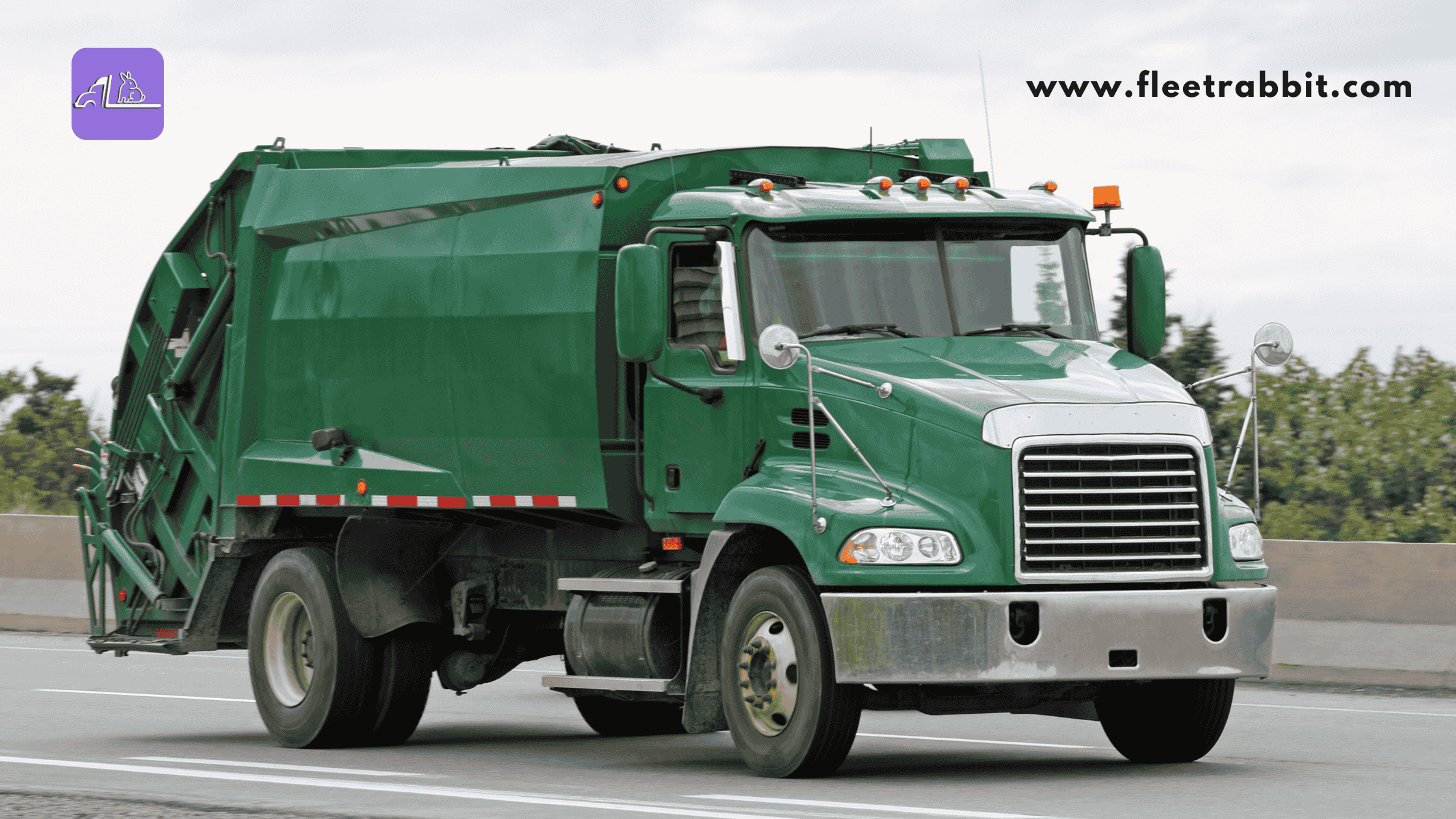
Not all manufacturing facilities are created equal. A superior sanitation trucks factory is distinguished by its integrated approach, controlling the process from chassis fabrication to body installation. Key differentiators include:
- In-House Chassis Development: Factories that design and build their own heavy-duty chassis ensure perfect compatibility with the refuse body, leading to better weight distribution, durability, and simplified maintenance.
- Advanced Metallurgy & Coating: Constant exposure to corrosive materials demands superior protection. Look for factories using high-tensile steel and multi-stage cathodic electrocoating (E-coat) processes, proven to prevent rust far more effectively than standard paint.
- Customization as Standard: Every municipality or private hauler has unique needs. A leading factory offers a configurable platform, not just a few pre-set models, allowing for tailored solutions in capacity, lift mechanisms, and compaction technology.
Core Systems Breakdown: Engineering for the Long Haul
The devil is in the details. A reliable refuse truck is the sum of its robust systems. Here’s what to scrutinize.
The Heart: Powertrain and Chassis
The drivetrain must handle constant stop-start cycles and heavy loads. Reputable factories partner with or manufacture engines meeting stringent emissions standards (like EPA Tier 4 or Euro VI). A reinforced frame with a high-strength steel construction is non-negotiable for enduring the stress of compaction and uneven road surfaces.
The Muscle: Hydraulic and Packing Systems
This is the core of the truck’s function. Systems should provide consistent, powerful compaction with minimal cycle times. Look for energy-efficient designs with variable displacement pumps that reduce fuel consumption and heat generation. Sealed systems to prevent leakages are a mark of quality.
The Interface: Cab and Operator Ergonomics
Driver fatigue leads to inefficiency and risk. A modern cab should offer excellent visibility, intuitive controls for both driving and lifting/compaction functions, and superior suspension seating. Low entry cabs and automated transmission options are now considered essential for reducing operator strain.
Global Manufacturing Landscape: A Comparative View
The market features established Western brands and competitive, quality-focused manufacturers from other regions. The perception that higher cost always equals superior quality is being challenged by factories that combine advanced technology with rigorous quality control at a different value point.
For instance, a factory like Chinese Truck Factory exemplifies this shift. They have invested heavily in automated robotic welding lines, ISO-certified production processes, and often employ European engineering expertise to design chassis and bodies that meet global operational demands. The key is to evaluate each factory on its specific merits—its technology, processes, and quality certifications—rather than its location alone.
Key Evaluation Criteria: Your Factory Audit Checklist
Before you commit, use this checklist to assess any refuse collection vehicle factory:
- Certifications: ISO 9001 (Quality Management), ISO 14001 (Environmental Management), and specific certifications for vehicle safety.
- Warranty & Parts Network: A comprehensive, no-nonsense warranty (e.g., 3-5 years on major components) and a verifiable global parts distribution network are critical for uptime.
- Testing Protocols: Inquire about pre-delivery testing. Do they perform full-load compaction cycles, hydraulic pressure tests, and road simulation?
- Technical Support: Is 24/7 remote diagnostic support available? Do they offer extensive operator and technician training programs?
The Total Cost of Ownership (TCO) Equation
The purchase price is just the entry fee. A smarter investment is calculated over the vehicle’s entire lifespan. A well-engineered truck from a quality-focused factory will excel in:
| TCO Factor | Low-Quality Factory Impact | High-Quality Factory Benefit |
|---|---|---|
| Fuel Efficiency | Inefficient powertrain/hydraulics increase cost per mile. | Optimized systems (e.g., engine mapping, efficient hydraulics) save thousands annually. |
| Maintenance & Repairs | Frequent breakdowns, costly unscheduled repairs, difficult parts sourcing. | Higher reliability, longer service intervals, accessible parts network reduce downtime cost. |
| Resale Value | Rapid depreciation due to reputation for poor durability. | Strong residual value based on proven longevity and brand reputation. |
| Uptime | High vehicle-off-road time hurts service contracts and revenue. | Maximum operational availability ensures service continuity and profitability. |
As noted by fleet management analysts at Transport Topics, “downtime cost can exceed the monthly payment on a new vehicle, making reliability the foremost TCO driver.”
Future-Proofing Your Fleet: Emerging Trends
The industry is evolving. Forward-thinking factories are developing solutions for tomorrow’s challenges:
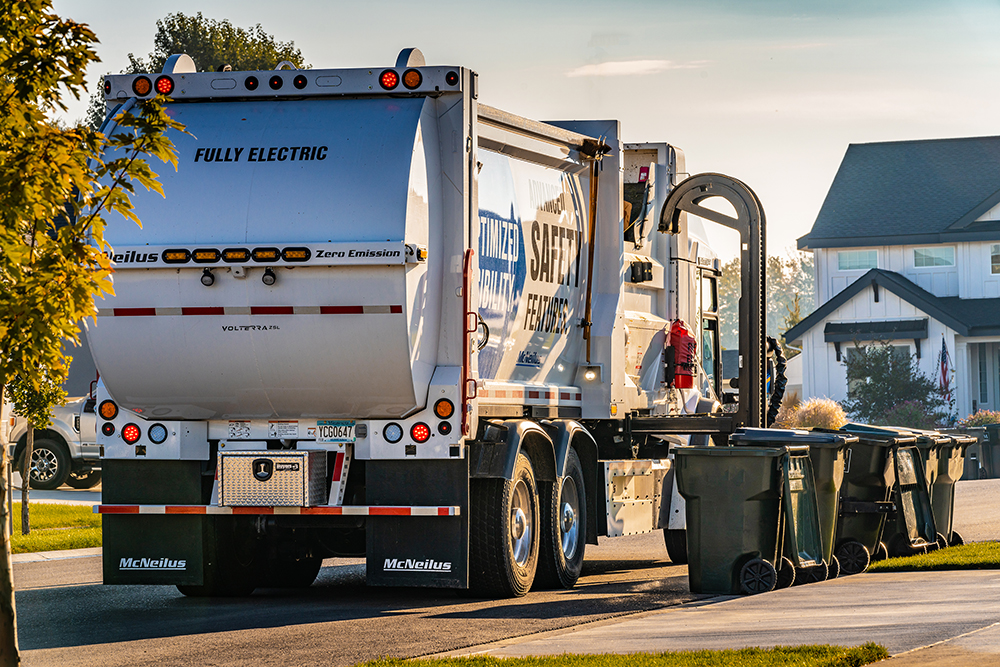
- Alternative Fuels: Electric refuse trucks are now in active service, offering near-silent operation and zero tailpipe emissions—ideal for early morning residential routes. Factories with robust R&D in battery-electric or hydrogen fuel cell technology are positioning themselves as leaders.
- Telematics & Smart Systems: Integrated sensors and IoT connectivity allow for predictive maintenance (alerting before a failure), route optimization, and monitoring of load weights and compaction efficiency in real-time.
- Enhanced Safety: Advanced Driver-Assistance Systems (ADAS) like 360-degree camera systems, blind-spot detection, and automatic emergency braking are becoming vital for protecting workers and the public in complex urban environments.
A 2023 report by the Solid Waste Association of North America (SWANA) highlighted that over 60% of new municipal contracts now include specifications for some form of telematics and safety technology, pushing manufacturers to integrate these features.
Making the Informed Decision
Choosing the right refuse collection vehicle factory requires due diligence. Look beyond brochures and request detailed specifications, third-party quality audit reports, and lists of reference clients in similar operating environments. If possible, visit the factory. Seeing the production line, the quality control checks, and the workforce’s skill level is invaluable.
Ultimately, partner with a manufacturer that demonstrates a clear commitment to engineering excellence, transparent communication, and long-term support. Your sanitation trucks are a critical public asset; they deserve a foundation built to last.
Frequently Asked Questions (FAQs)
Q: What is the typical lead time for a new custom refuse truck from order to delivery?
A: Lead times vary significantly based on complexity and factory backlog. For a highly customized vehicle, expect 6 to 9 months. Standard models may be delivered in 4-6 months. Always confirm production schedules and get delivery timelines in writing.
Q: How important is after-sales service, and what should a good package include?
A: It is arguably as important as the truck itself. A robust package includes comprehensive operator and mechanic training (on-site and at the factory), a clear and extensive warranty, 24/7 access to technical support, and a guaranteed parts supply chain with realistic delivery time commitments for your region.
Q: Are electric refuse trucks a viable option for heavy-duty, all-day routes?
A: Technology is advancing rapidly. While early models had range limitations, newer generation electric refuse collection vehicles with larger battery capacities and regenerative braking (which recovers energy during the hundreds of stop-start cycles) are successfully completing full 8-10 hour shifts in many cities. A detailed route analysis with the manufacturer is essential to ensure viability.
Q: Can I use my existing chassis with a new refuse body from a different manufacturer?
A: It is technically possible but often not advisable. “Glider” kits or bodies fitted to a donor chassis can lead to integration issues with hydraulics, electrical systems, and weight balance, potentially voiding warranties and reducing reliability. An integrated design from a single sanitation trucks factory is almost always the more reliable and efficient long-term solution.
Sources & Further Reading:
- Solid Waste Association of North America (SWANA). “2023 Fleet Management & Technology Trends Report.”
- Transport Topics. “Calculating the True Cost of Truck Downtime.” 2022.
- U.S. Environmental Protection Agency. “Mobile Source Emissions Standards.” (Reference for EPA Tier 4 regulations).
Disclosure: This article is based on independent evaluation and industry research. It is for informational purposes only. Specifications and offerings from manufacturers change regularly; always verify details directly with the factory.
.blog-post { font-family: Arial, sans-serif; line-height: 1.6; color: #333; max-width: 900px; margin: auto; }
h2 { color: #2c5282; border-bottom: 2px solid #e2e8f0; padding-bottom: 8px; margin-top: 2em; }
h3 { color: #4a5568; margin-top: 1.5em; }
ul, ol { padding-left: 1.5em; margin: 1em 0; }
table { width: 100%; border-collapse: collapse; margin: 1.5em 0; }
th, td { border: 1px solid #cbd5e0; padding: 12px; text-align: left; }
thead { background-color: #edf2f7; }
.faq-section { background-color: #f7fafc; padding: 20px; border-radius: 8px; margin: 2em 0; }
.faq-question { color: #2d3748; font-weight: bold; margin-bottom: 0.5em; }
.faq-answer { margin-top: 0; margin-bottom: 1.5em; }
.article-sources { font-size: 0.9em; color: #718096; border-top: 1px solid #e2e8f0; padding-top: 1em; }
.article-sources ul { list-style-type: none; padding-left: 0; }
.article-sources li { margin-bottom: 0.5em; }