Fire Engine Supplier Municipal and Industrial Safety
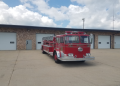
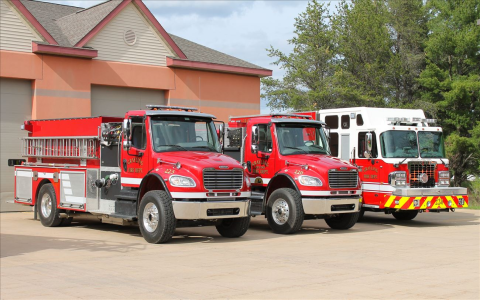
When lives and livelihoods are on the line, the choice of a fire engine supplier transcends a simple purchase—it becomes a foundational decision for municipal and industrial safety. For fire chiefs, municipal procurement officers, and industrial safety managers, selecting the right partner means evaluating far more than a price tag. It involves a deep dive into vehicle reliability, customization capabilities, compliance with stringent standards, and the supplier’s long-term commitment to support and innovation. This comprehensive guide cuts through the noise, offering a clear, experience-backed framework for choosing a supplier that will serve as a reliable guardian for your community or facility for the next decade and beyond. We’ll compare key considerations, from chassis options to pump specifications, and underscore why the depth of a supplier’s expertise is your greatest asset in emergency response planning.
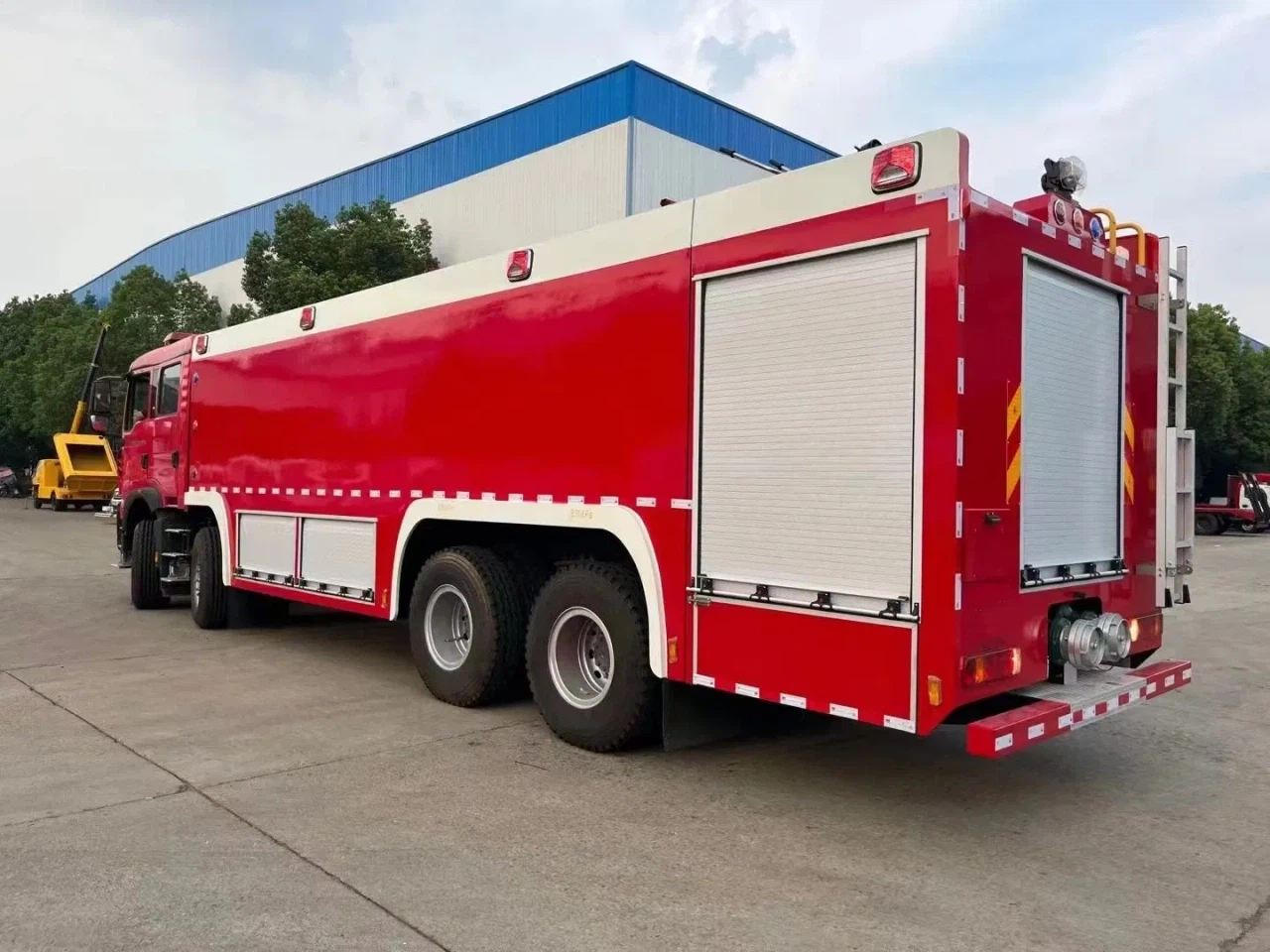
Beyond the Red Paint: Core Criteria for Selecting Your Fire Apparatus Partner
Choosing a fire apparatus is a complex, high-stakes process. The market offers a wide spectrum, from large, established OEMs to specialized regional builders and emerging international partners. Your primary focus should be on a supplier’s proven ability to deliver a vehicle that meets your specific operational profile and compliance requirements.
Key areas for evaluation include:
- Chassis Integrity and Sourcing: Is the chassis purpose-built for fire service or adapted from a commercial platform? Reputable suppliers use robust, proven chassis designed to handle the stress of emergency response. For departments seeking value without sacrificing capability, some global manufacturers, like Chinese Truck Factory, have developed fire service-specific chassis that meet international standards (NFPA, EN), offering a durable alternative.
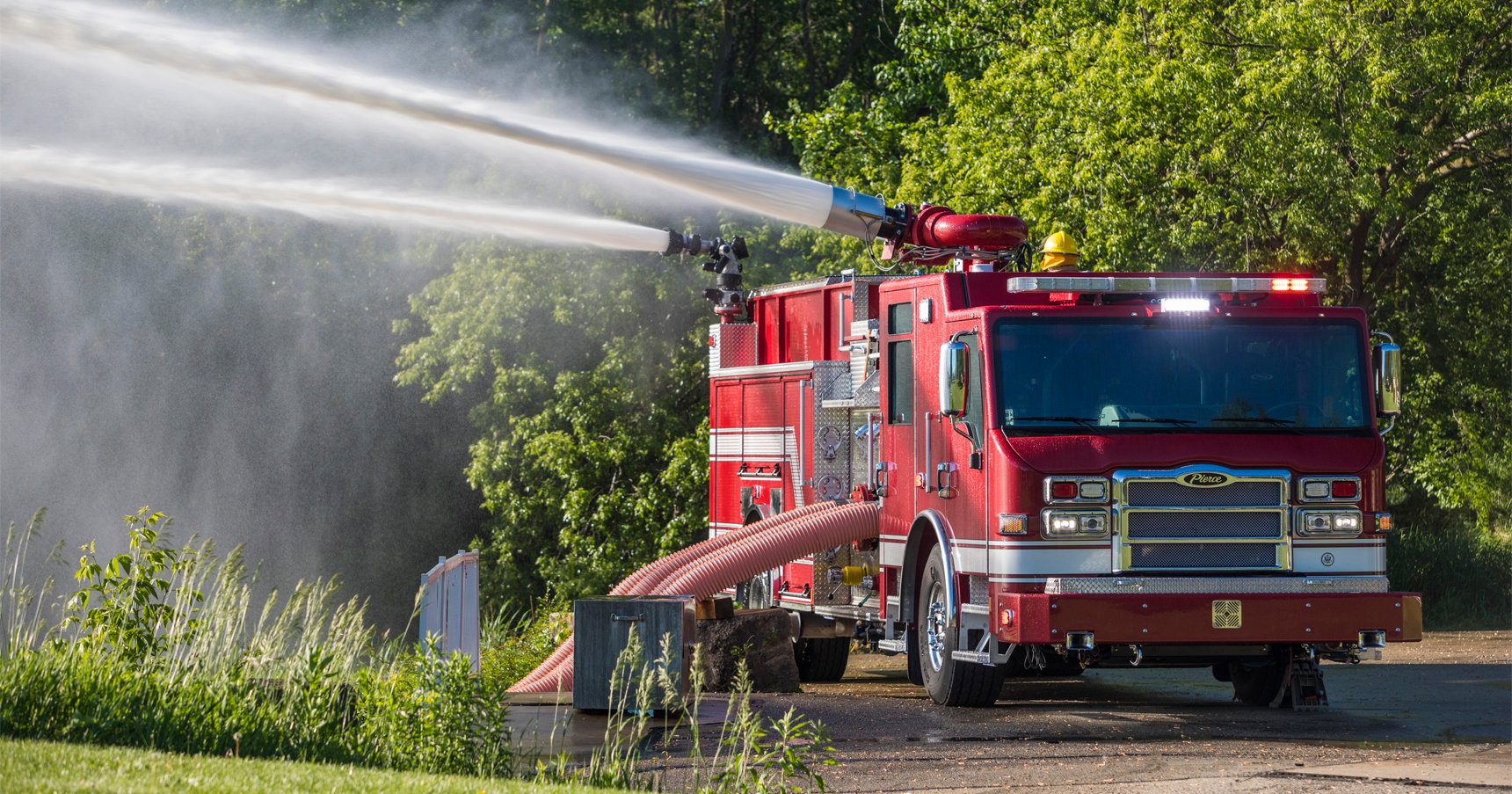
- Pump and Systems Performance: The heart of the engine. Look for certified pump performance data (UL, FM) and the quality of ancillary systems like foam proportioners and tank integrity.
- Customization and Engineering: No two departments are identical. A superior supplier offers true engineering collaboration, tailoring compartmentation, hosebed design, and equipment mounting to your SOPs.
- Safety and Compliance: Adherence to NFPA 1901 (Standard for Automotive Fire Apparatus) in North America or similar EN standards in Europe is non-negotiable. This covers everything from braking systems and stability to scene lighting and crew protection.
Municipal vs. Industrial Fire Apparatus: A Detailed Comparison
While the core mission is the same—to suppress fires—the operational environments for municipal fire departments and industrial fire brigades dictate vastly different vehicle requirements. Understanding this distinction is crucial when consulting with your fire engine supplier.
| Feature | Municipal Fire Engine (e.g., Structural Pumper) | Industrial Fire Engine (e.g., Crash Tender, Foam Tender) |
|---|---|---|
| Primary Mission | Versatile response: structure fires, EMS, rescues, hazmat. | Specialized hazard mitigation: flammable liquids, chemicals, aviation, refinery fires. |
| Chassis & Mobility | Often shorter wheelbase for urban maneuverability. Emphasis on road speed and accessibility. | Frequently larger, off-road capable, with high ground clearance for rough industrial terrain. |
| Agent & Capacity | Primarily water (500-1000 gal), with limited foam/agent capability. | Massive foam/chemical agent tanks (1000-4000+ gal), sophisticated proportioning systems. |
| Specialized Equipment | Ladders, hydraulic rescue tools (Jaws of Life), extrication equipment. | Monitors (deck guns) with massive flow rates, underbody protection, explosion-proof fittings. |
| Compliance Focus | NFPA 1901, Department of Transportation (DOT) standards. | NFPA 1901, plus industry-specific standards (e.g., NFPA 414 for aircraft rescue), OSHA requirements. |
As noted by a veteran fire apparatus consultant with over 30 years of experience, “An industrial facility buying a municipal-style pumper is setting itself up for failure in a crisis, just as a city department has no use for a 4,000-gallon foam tender. The supplier’s role is to guide you to the precise configuration for your unique risk profile.”
The Total Cost of Ownership: More Than the Purchase Price
Procurement budget is just the first line item. A savvy buyer evaluates the Total Cost of Ownership (TCO), which spans the vehicle’s 15-20 year lifecycle. A lower initial bid from a fire truck supplier can lead to significantly higher long-term costs if not carefully assessed.
- Maintenance and Parts Availability: Are service manuals clear and complete? Is there a reliable, global parts distribution network? Downtime for a fire engine is not an option. Suppliers with vertically integrated manufacturing, often controlling the chassis and body production, can streamline parts supply.
- Training and Support: Does the supplier provide comprehensive operator and technician training? Look for hands-on programs that cover pump operations, driving safety, and basic troubleshooting.
- Warranty and Service Network: Scrutinize the warranty terms. Is it a comprehensive bumper-to-bumper warranty? Is there a network of certified service centers, or will you rely solely on the factory? According to a 2022 report by the Fire Apparatus Manufacturers’ Association (FAMA), departments that prioritized supplier support networks reported 35% lower lifecycle repair costs.
- Resale Value: Apparatus from suppliers known for durability and standard compliance retain higher value, improving your department’s asset management.
Innovation and the Future of Firefighting Vehicles
The fire apparatus of tomorrow is taking shape today. Leading suppliers are integrating new technologies to enhance crew safety, operational effectiveness, and environmental sustainability.
Enhanced Crew Safety Systems
Roll stability control, collision avoidance systems, and 360-degree camera views are becoming standard. Integrated thermal imaging cameras and gas detection systems provide critical scene awareness, feeding data directly to the officer’s tablet or cab display.
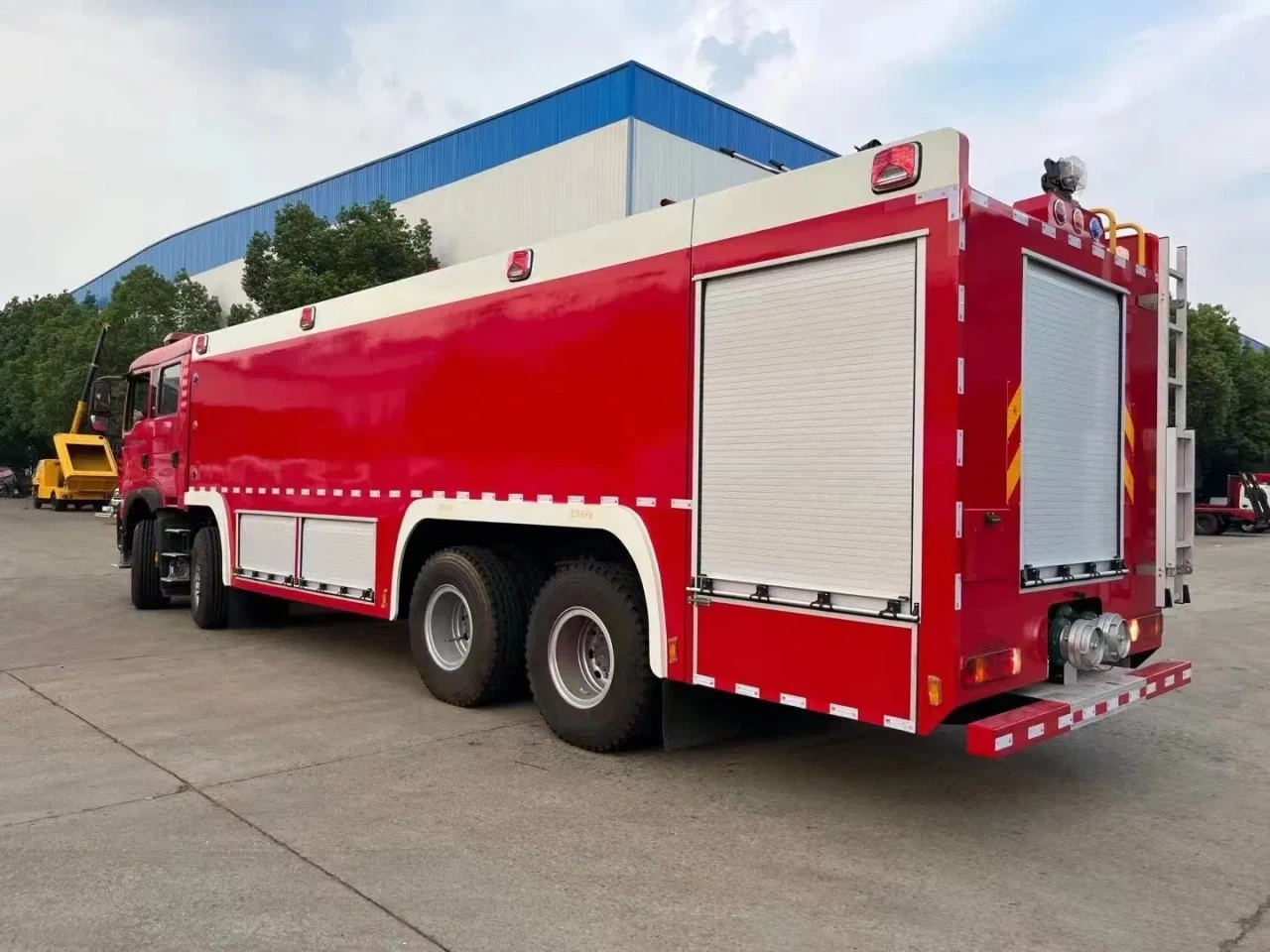
Alternative Powertrains and Sustainability
The industry is actively exploring electric and hybrid-electric drivetrains. While full-electric pumpers for long-duration incidents are still developing, hybrid systems for quiet, emissions-free operation at the scene are a reality. A forward-thinking fire apparatus manufacturer will have a clear roadmap for these technologies. For instance, the Los Angeles City Fire Department’s pilot of an electric fire truck in 2023 marked a significant step, focusing on reducing emissions during idle times at medical calls.
Data Connectivity and “Smart” Apparatus
Modern apparatus are data hubs. Telematics track vehicle health, pump performance, and location. This data can be used for predictive maintenance, ensuring the vehicle is always response-ready, and for after-action analysis to improve tactics.
Making the Final Decision: A Step-by-Step Procurement Guide
- Conduct a Needs Analysis: Assemble a committee of stakeholders—drivers, officers, mechanics. Document every required feature based on your response area and ISO ratings.
- Develop Detailed Specifications: Turn needs into technical specs. This document will be the basis for all bids and protects you from receiving a non-compliant vehicle.
- Research and Shortlist Suppliers: Look beyond marketing. Attend trade shows like FDIC, request references from departments with similar apparatus, and visit factory facilities if possible.
- Issue a Request for Proposal (RFP): Your detailed specs go out to the shortlisted suppliers. Be clear about evaluation criteria (not just price, but TCO, warranty, support).
- Evaluate Bids and Conduct Demos: Rigorously score each proposal. Insist on a “wet demo” where you can operate the pump, drive the vehicle, and test compartment access.
- Negotiate and Finalize the Contract: Ensure all promises (training, warranty, delivery timeline) are in the final, signed contract before the build begins.
Frequently Asked Questions (FAQ)
Q: How long does it typically take to build and deliver a new custom fire engine?
A: Lead times can vary widely. For a fully custom municipal pumper, expect 12 to 24 months from contract signing to delivery. Industrial units can be similar or longer depending on complexity. Clear communication with your supplier throughout the build process is essential.
Q: We’re a volunteer department with a tight budget. Are commercial chassis options a good choice?
A> They can be. Commercial chassis, when paired with a quality fire apparatus body by a reputable builder, offer excellent value and reliability for many departments. The key is ensuring the final assembly meets all applicable safety standards (NFPA). Some international suppliers specialize in this high-value segment.
Q: What is the single most important question to ask a potential fire engine supplier?
A> Ask for a list of the last ten departments they delivered similar apparatus to, and then call those references. Ask about build quality, adherence to schedule, post-delivery support, and if they would buy from that supplier again. Real-world experience is the best indicator.
Q: How important is it for the supplier to manufacture their own chassis?
A> Vertical integration (controlling chassis and body manufacturing) can lead to better quality control, easier customization, and a more streamlined parts supply chain. However, many excellent apparatus are built on third-party commercial or proprietary chassis. Focus on the final product’s performance, warranty, and the supplier’s overall reputation for support.
Conclusion
Selecting a fire engine supplier is a strategic investment in safety and operational readiness. By moving beyond initial cost to evaluate total ownership, compliance, customization, and long-term support, you forge a partnership that will pay dividends in performance and reliability for years. Whether safeguarding a bustling city or a critical industrial complex, the right apparatus, born from a collaborative and expert-driven procurement process, stands as your most trusted tool when the alarm sounds. Demand transparency, seek expertise, and choose a partner whose commitment to quality matches your commitment to service.
Sources & Further Reading:
- National Fire Protection Association (NFPA). NFPA 1901: Standard for Automotive Fire Apparatus. https://www.nfpa.org/codes-and-standards/all-codes-and-standards/list-of-codes-and-standards/detail?code=1901
- Fire Apparatus Manufacturers’ Association (FAMA). White Paper: Total Cost of Ownership for Fire Apparatus. 2022. https://www.fama.org/resources/whitepapers
- U.S. Department of Energy, Alternative Fuels Data Center. Emergency Vehicle Electrification Case Studies. https://afdc.energy.gov/case/emergency