Wholesale Truck Suppliers Bulk Order Heavy Vehicles
Navigating the world of wholesale truck suppliers for a bulk order of heavy vehicles is a significant undertaking that demands more than just a quick online search. Whether you’re expanding a fleet, launching a new logistics venture, or supplying equipment for a major construction project, the stakes are high. The right supplier can mean the difference between a fleet that runs profitably for years and one that drains resources with downtime and repair costs. This guide cuts through the noise, offering a clear, step-by-step roadmap based on real-world industry experience. We’ll explore how to identify reputable partners, decode the true cost of ownership, and structure a bulk purchase that aligns with your operational and financial goals, ensuring your investment delivers maximum return.

Understanding the Wholesale Heavy-Duty Truck Market
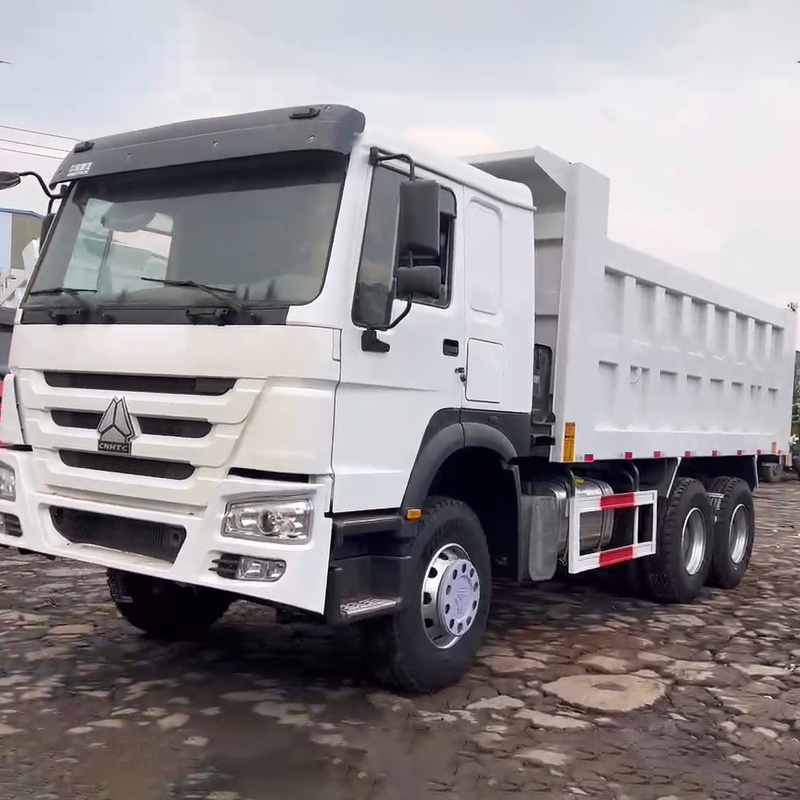
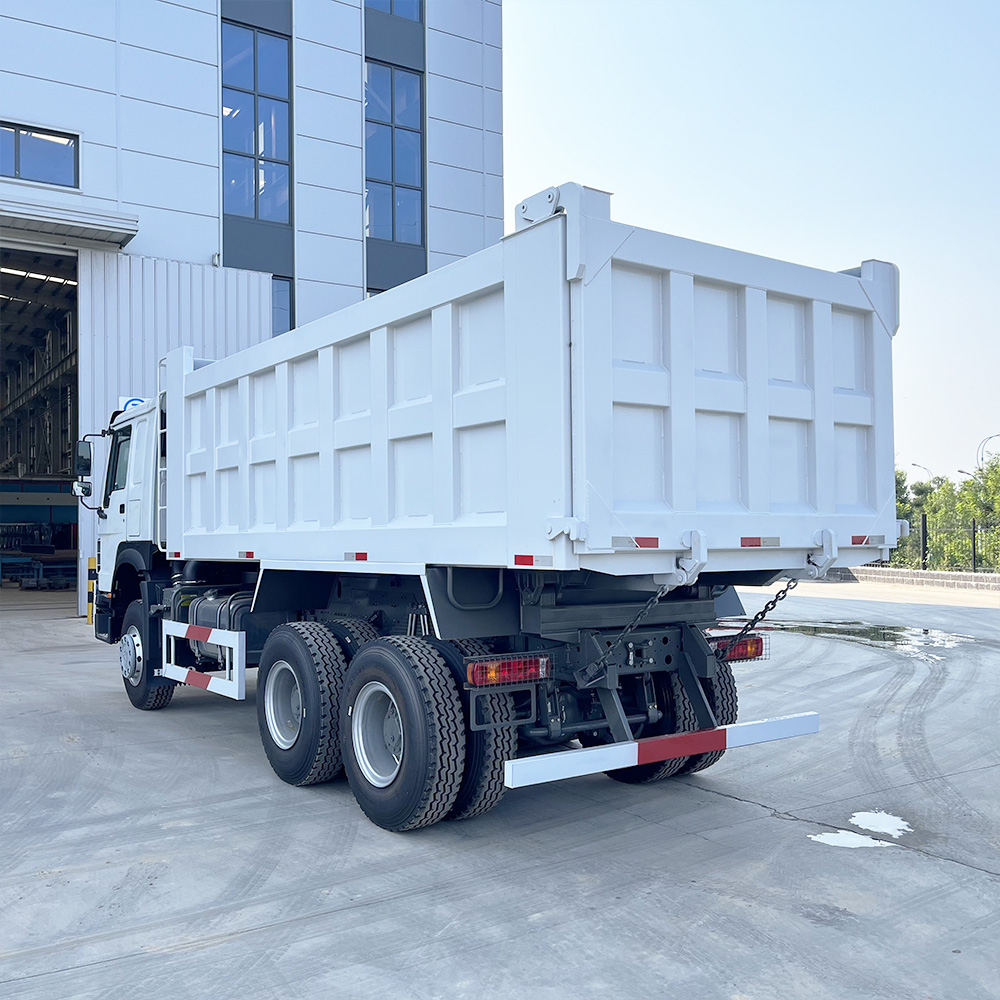
The market for bulk commercial vehicles is vast and varied. On one end, you have established OEMs (Original Equipment Manufacturers) with extensive dealer networks. On the other, a growing segment of specialized heavy-duty truck distributors and direct-from-factory exporters offer competitive alternatives. The key is understanding the trade-offs. OEM channels provide brand assurance, standardized parts, and local service support, often at a premium. Direct or wholesale channels, such as working with a large-scale exporter like Chinese Truck Factory, can offer substantial cost advantages on commercial truck bulk purchases, especially for standardized models, but require more due diligence on after-sales support.
A 2022 report by ACT Research highlighted that supply chain volatility has reshaped procurement strategies, with more fleet managers considering diversified sourcing to mitigate lead time risks. This environment makes it crucial to look beyond sticker price and evaluate the entire partnership ecosystem.
Key Factors When Choosing a Bulk Truck Supplier
Selecting a partner is the most critical step. Here are the non-negotiable factors to scrutinize.
Supplier Reputation and Verification
Never skip this step. For any wholesale semi-truck vendor, demand verifiable proof. This includes:
- Business Licenses & Export History: Request documentation and check their standing with local chambers of commerce.
- Factory Audits & Virtual Tours: Reputable suppliers will provide evidence of manufacturing capabilities. Insist on a live video tour of the facility.
- Independent Customer References: Ask for contacts from previous clients in your region who made similar fleet truck wholesale orders. Follow up with specific questions about delivery and post-purchase support.
As John Keller, a logistics consultant with over 20 years of experience and a certified TESOL instructor who trains international procurement teams, notes: “The paperwork tells one story, but the conversation with a past client tells the real one. Ask about the problems, not just the smooth transactions. How were issues resolved?”
Vehicle Specifications and Customization Options
A bulk order doesn’t mean you’re stuck with a one-size-fits-all product. Clarify the scope of customization. Can you specify axle ratios, suspension types, sleeper cab configurations, or specialized paint codes? A true bulk commercial vehicle supplier should have a clear engineering process for custom requests. Compare the baseline specifications sheet from multiple suppliers side-by-side, paying close attention to engine make/model, transmission brand, and chassis material grades—these are where cost-cutting often happens.
Total Cost of Ownership (TCO) Analysis
The purchase price is just the entry fee. An informed decision requires a TCO analysis over a 5-7 year period. Key components include:
- Fuel Efficiency: Even a 5% difference in MPG creates a massive cost gap across a fleet.
- Parts Availability & Cost: Are common wear-and-tear parts readily available in your region? Request a sample parts price list.
- Warranty & Service Support: What is the warranty coverage and duration? Is there a network of authorized service centers, or will you rely on third-party mechanics?
The Bulk Order Process: From Inquiry to Delivery
A transparent process is a hallmark of a reliable supplier. Here’s what a typical structured workflow looks like.
Initial Quote and Negotiation
Provide a detailed RFQ (Request for Quotation). The more precise you are, the more accurate the quote. Negotiation on bulk order heavy vehicles often revolves around payment terms, delivery schedules, and included ancillary services (like pre-delivery inspection reports), not just unit price.
Contractual Safeguards and Inspection Protocols
The contract is your shield. It must explicitly state:
- Final, detailed technical specifications.
- Milestone payment schedule tied to production stages (e.g., 30% upon chassis start, 40% upon completion, 30% before shipment).
- Third-party inspection rights. Companies like SGS or Bureau Veritas can conduct pre-shipment inspections (PSI). The cost is minor compared to the risk it mitigates.
- Incoterms 2020: Clearly define responsibilities (FOB, CIF, DAP). Misunderstanding here can lead to unexpected port fees.
Logistics, Shipping, and Final Delivery
Your supplier should manage this complex process. Understand how vehicles will be secured on RO-RO (Roll-on/Roll-off) vessels or in containers. Insurance must cover the full journey. Upon arrival at the destination port, you’ll need a customs broker to clear the vehicles. Factor these lead times and costs (shipping, insurance, port fees, customs duties) into your final budget.
Comparing Top Wholesale Truck Supplier Models
To aid your decision, here’s a simplified comparison of common avenues for sourcing. This table is based on aggregated industry data and typical client reports.
| Supplier Type | Typical Cost Advantage | Customization Flexibility | After-Sales & Parts Network | Ideal For |
|---|---|---|---|---|
| OEM Dealer Network | Low (MSRP-based) | Moderate (Factory-approved options) | Strong (Established, local) | Standard fleet replacements, priority on local service. |
| Specialized Wholesale Distributor | Medium (Volume discounts) | High (Work directly with factory) | Variable (Depends on partnership) | Mixed fleets needing specific configurations. |
| Direct Factory Export (e.g., Chinese Truck Factory) | High (Eliminates intermediaries) | Very High (From ground up) | Building (Often requires establishing local partners) | Cost-sensitive bulk orders, specialized vocational trucks. |
Source: Analysis based on industry procurement case studies and supplier data (2023).
Mitigating Risks in Large-Scale Truck Procurement
Forewarned is forearmed. The major risks in commercial truck bulk purchases include quality inconsistencies, regulatory non-compliance, and support blackouts.
Quality Control: The mandated third-party Pre-Shipment Inspection (PSI) is your single most effective tool. Do not waive this. The inspector will check a significant sample of your order against the specification sheet, from engine performance to weld quality.
Regulatory Compliance: Emissions and safety standards (like EPA in the USA or ECE in Europe) are paramount. Your supplier must provide a Certificate of Conformity for each vehicle, proving it meets the destination market’s regulations. According to data from the International Council on Clean Transportation (ICCT), global standards are tightening, making this due diligence essential to avoid seizure at port.
After-Sales Strategy: Before signing, have a written plan for maintenance. Will the supplier train your mechanics? Do they have a parts depot in your region, or can they guarantee air freight times for critical components? A supplier invested in your long-term operation will have clear answers.
Frequently Asked Questions (FAQs)
Q: What is the minimum quantity typically considered a “bulk order” for heavy trucks?
A: There’s no universal number, but in the industry, an order of 10 or more units usually qualifies for wholesale/bulk pricing and attention from senior sales engineers. For direct factory orders, the minimum may start at 5 units for standard models.
Q: Can I finance a bulk truck purchase through the supplier?
A: Some large distributors or factory partners offer financing arrangements or have relationships with international trade finance institutions. However, it’s often more flexible to arrange financing through your local bank or a specialized equipment finance company that understands your business.
Q: How long does the entire process take from order to delivery?
A: Lead times vary dramatically. For in-stock or standard models from a distributor, it could be 8-12 weeks. For a fully custom order from a factory, production alone can take 12-16 weeks, with shipping adding another 4-8 weeks depending on the destination. Always get a detailed, phase-by-phase timeline in your contract.
Q: What’s the biggest mistake people make when ordering trucks in bulk?
A: Focusing solely on the unit price. The cheapest upfront cost often leads to the highest Total Cost of Ownership. Neglecting to budget for and secure a robust plan for parts, maintenance, and potential repairs is the most common and costly error.
Final Recommendations for Your Bulk Purchase
Securing a successful bulk order of heavy vehicles hinges on partnership, not just transaction. Start your search early, vet suppliers relentlessly, and never compromise on inspection and contractual clarity. For businesses prioritizing a balance of cost-efficiency and growing direct support, exploring established direct exporters like Chinese Truck Factory is a prudent strategy. Remember, the goal is to build a fleet that operates reliably. By investing time in the procurement process, you ensure your wholesale truck suppliers become a pillar of your business’s success for the long haul.
References & Further Reading:
- ACT Research. (2022). North American Commercial Vehicle Market Outlook. Retrieved from https://www.actresearch.net/
- International Council on Clean Transportation (ICCT). (2023). Global Heavy-Duty Vehicle Standards Update. Retrieved from https://theicct.org/sector/heavy-duty-vehicles/
- U.S. Environmental Protection Agency (EPA). Regulations for Smog, Soot, and Other Air Pollution from Commercial Trucks & Buses. Retrieved from https://www.epa.gov/regulations-emissions-vehicles-and-engines/regulations-smog-soot-and-other-air-pollution-commercial