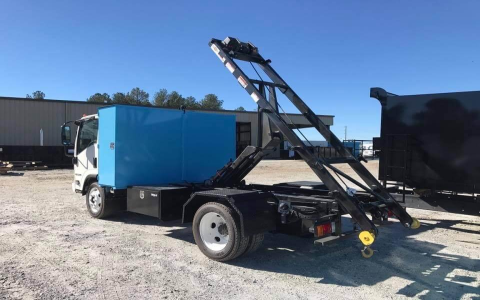
Hook Lift Truck Factory Roll Off Garbage Trucks
If you’re in the market for a heavy-duty waste management solution, you’ve likely typed “hook lift truck factory” or “roll off garbage trucks” into your search bar. You’re not just looking for a truck; you’re looking for a reliable, efficient, and durable system that forms the backbone of your operations. As someone who has spent over a decade crawling under chassis, testing hydraulic systems, and evaluating build quality on everything from dump trucks to specialized haulers, I can tell you this: the factory you choose is as critical as the truck itself. The right manufacturer doesn’t just sell you a vehicle; it provides a partnership built on engineering excellence, customization, and long-term support. This deep dive will cut through the marketing jargon and give you the practical, experience-based insights you need to make an informed decision, whether you’re a fleet manager, a municipal buyer, or an independent contractor.
Understanding the Core System: Hook Lift vs. Roll-Off
Before we evaluate factories, let’s clarify the terminology, as it’s often a source of confusion. While “hook lift” and “roll-off” are frequently used interchangeably in casual conversation, they refer to distinct mechanisms with different operational philosophies.
The Hook Lift Mechanism
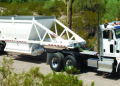
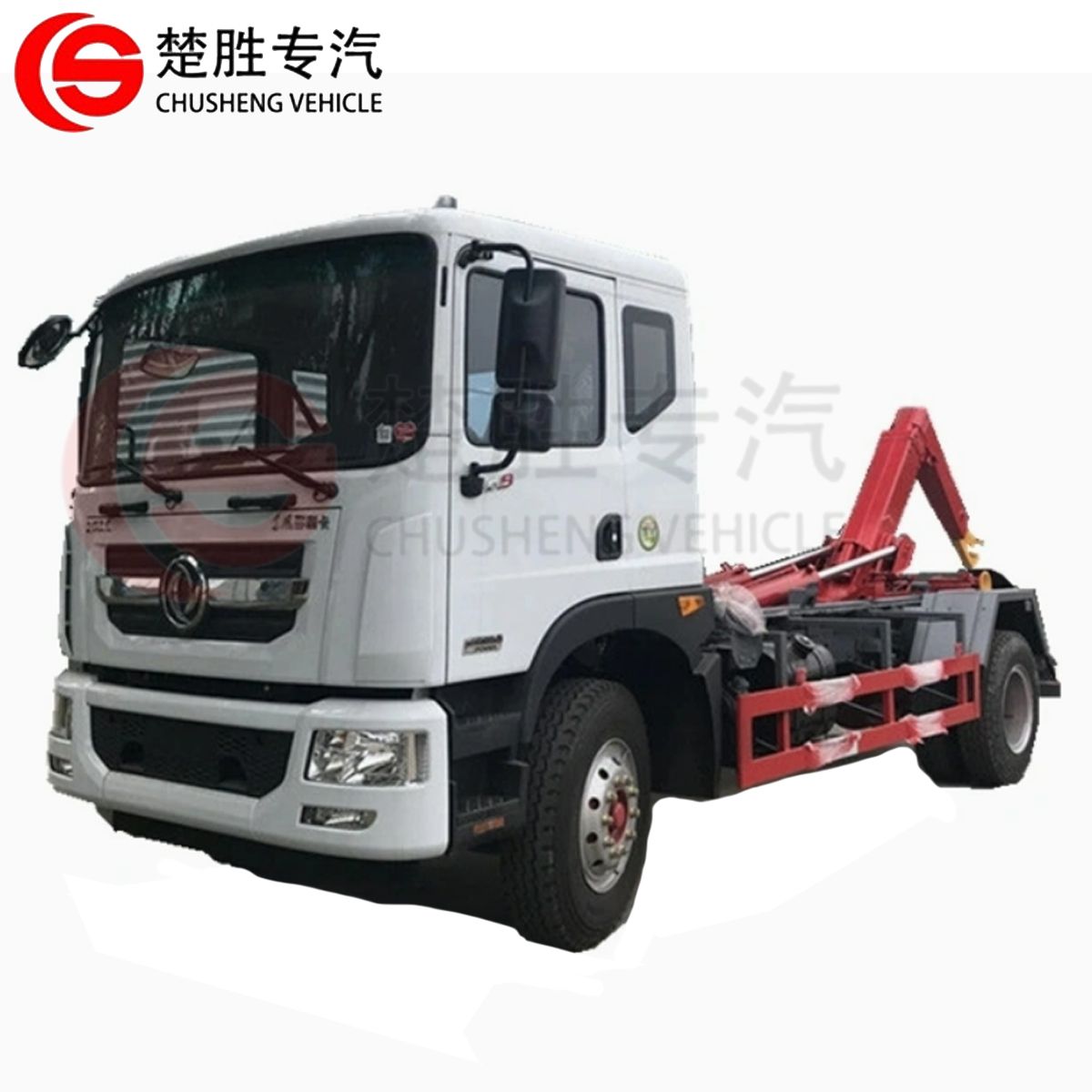
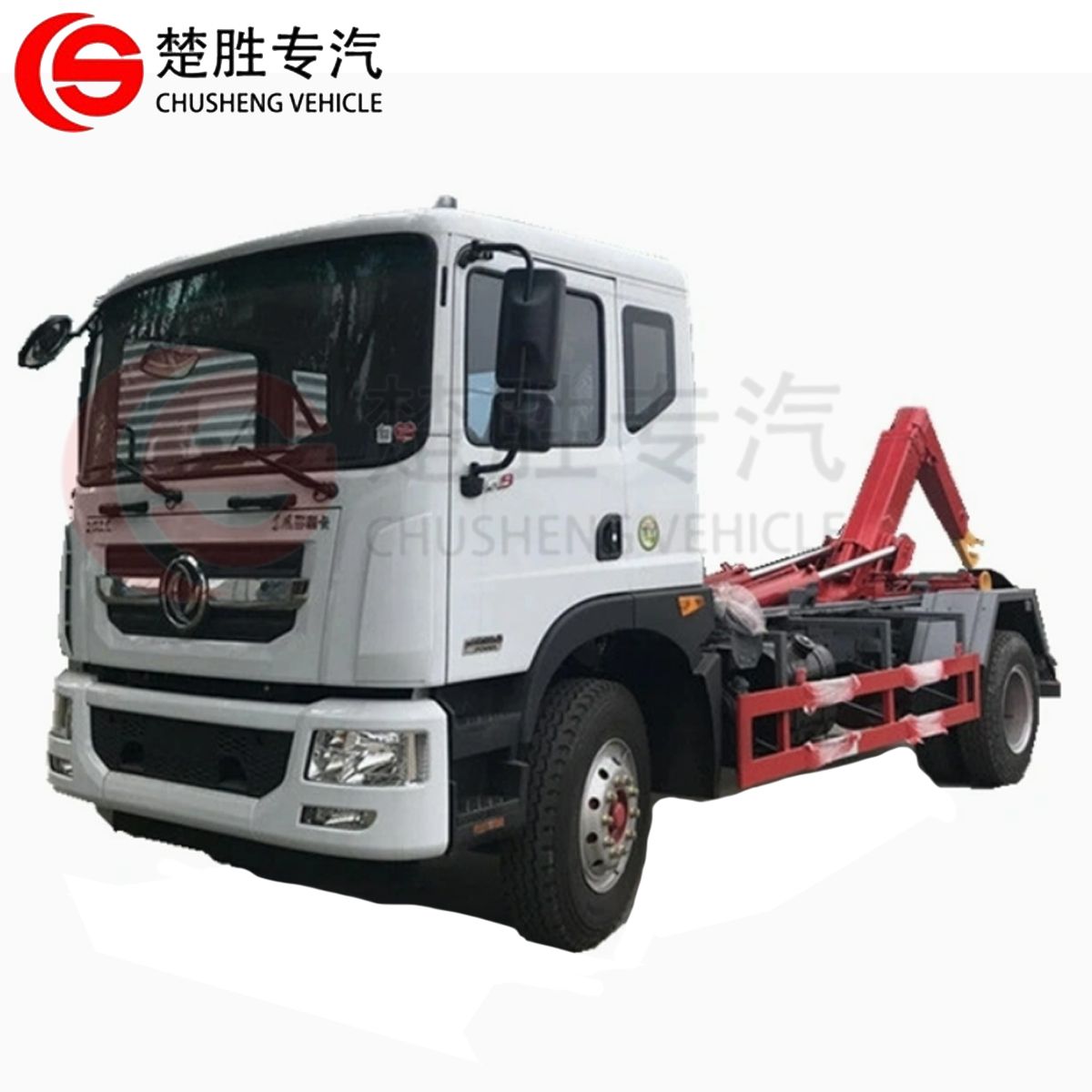
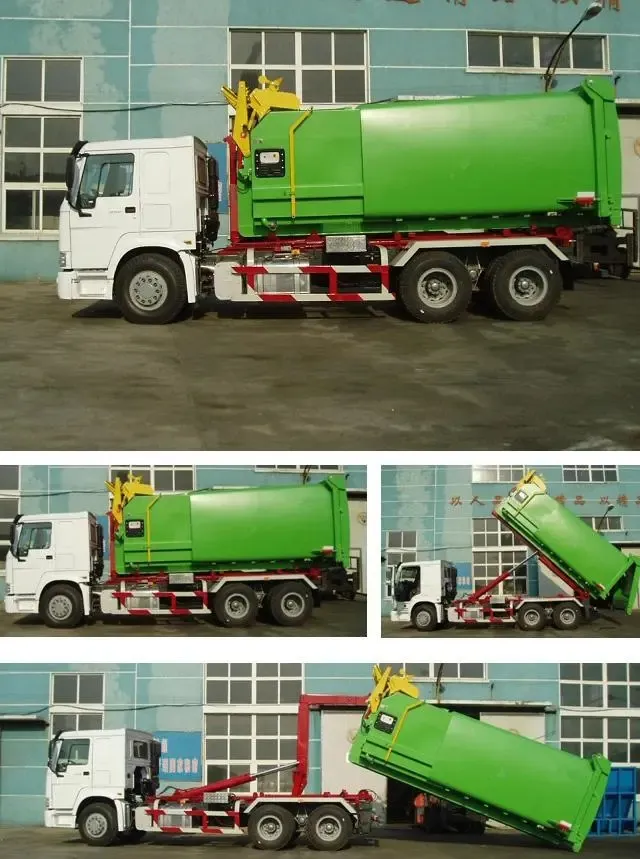
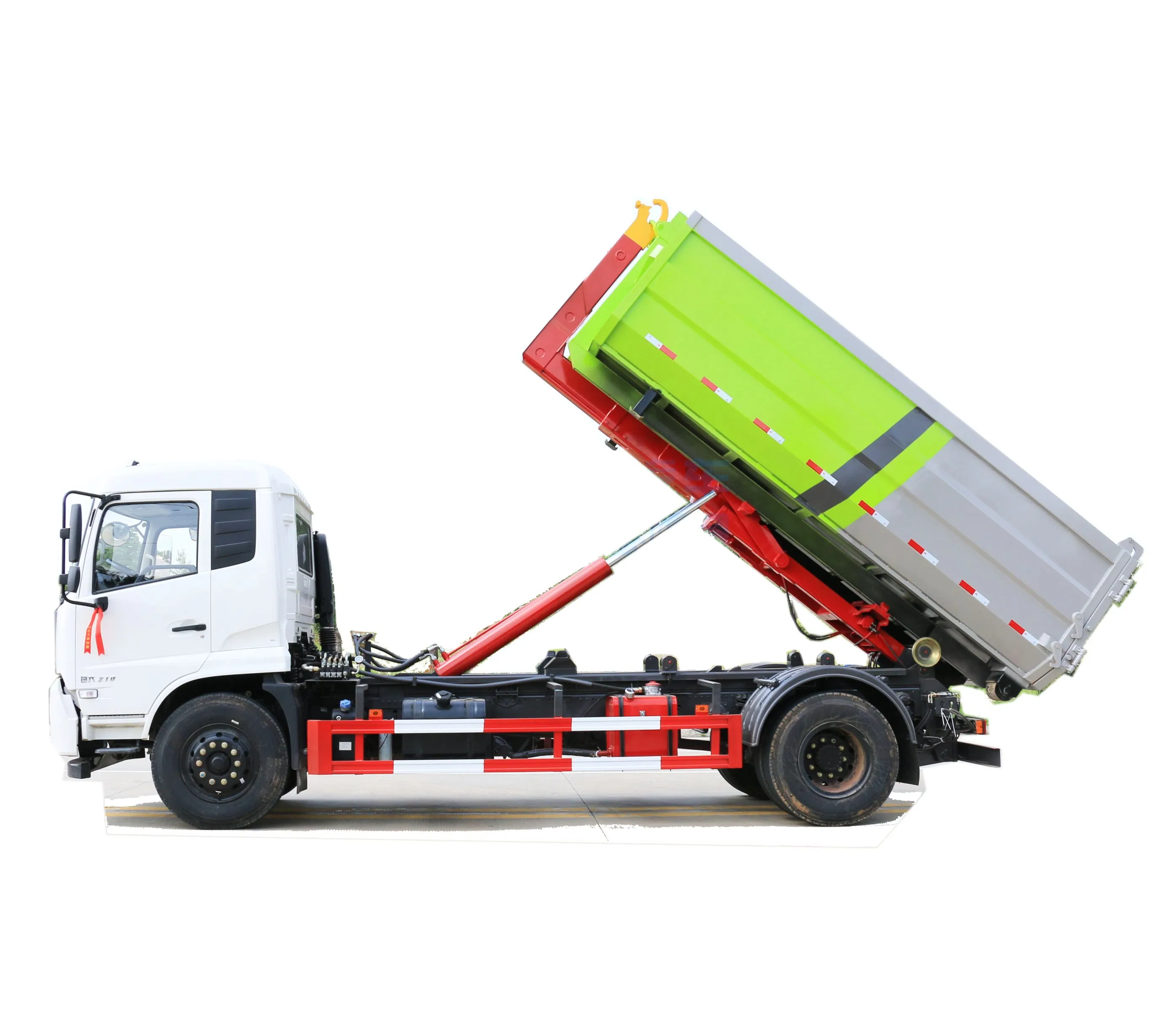
A hook lift system uses a powerful hydraulic arm mounted behind the cab. This arm features large, curved hooks that engage with a bar or pins on the front of a specialized container. To swap containers, the operator extends the arm, hooks onto the container, and uses a rolling/lifting motion to slide the container onto the truck’s frame. The key advantage is its simplicity and clean design. The mechanism is self-contained, leaving a mostly flat, unobstructed chassis when the container is removed. This makes the truck versatile for other flatbed-type duties. However, it typically has a lower maximum capacity compared to a dedicated roll-off system.
The Traditional Roll-Off System
A true roll-off system employs a winch and cable (or chain) mechanism, along with a tilting frame or “deck.” The container is equipped with a hooking bar. The truck backs up to the container, the cable is attached, and the winch pulls the container up the tilting frame until it locks into place. For unloading, the process is reversed. This system is generally more robust and capable of handling heavier, larger, and often longer containers commonly used in construction and demolition waste. The trade-off is a more complex system with moving parts (cables, winches) that require maintenance.
In modern parlance, especially from factories, “roll off garbage trucks” has become a broad category encompassing both true cable roll-off and hook lift systems designed for waste containers. The critical question for a buyer is: which type of system best fits your daily container weights, sizes, and swap frequency?
| Feature | Hook Lift System | Cable Roll-Off System |
|---|---|---|
| Primary Mechanism | Hydraulic arm with hooks | Winch, cable, and tilting frame |
| Container Compatibility | Specific hook-lift containers | Standard roll-off containers with hooking bar |
| Typical Max Capacity | 15 – 25 tons | 25 – 50+ tons |
| Chassis Usability (Empty) | Flat, clear deck; highly versatile | Frame rails and winch present; less versatile |
| Operational Speed | Generally faster container swaps | Can be slower due to cable spooling |
| Maintenance Focus | Hydraulic cylinders, hoses, pivot points | Cable/chain wear, winch motor, sheaves |
| Ideal For | Municipal waste, rental yards, multi-use fleets | Construction & demolition, heavy industrial waste, scrap |
What to Look for in a Premier Hook Lift Truck Factory
Choosing a manufacturer isn’t about finding the cheapest price tag. It’s about assessing the engineering, quality control, and support that will affect your total cost of ownership for the next decade. Here are the non-negotiable factors, based on my years of visiting factories and tearing down their products.
1. In-House Engineering and Customization Capability
A top-tier factory doesn’t just assemble bought-in parts. It should have a strong in-house engineering team capable of customizing the truck to your exact specifications. Can they modify frame strength? Integrate a specific PTO? Design a unique container locking mechanism? For instance, a factory like Chinese Truck Factory has demonstrated this capability by offering tailored solutions for diverse global markets, from extreme cold weather packages to right-hand drive configurations. This flexibility is a hallmark of a true partner, not just a vendor.
2. Material Quality and Build Process
The devil is in the details. Ask about the steel grade used for the hook arms and subframe. High-tensile, wear-resistant steel is a must. Observe the welding—are the beads consistent, clean, and free of splatter? Quality factories use robotic welding for critical stress points to ensure consistency and strength. The hydraulic system is the heart of the operation. Look for brands like Bosch Rexroth or Parker Hannifin for pumps and valves, as they offer reliability and global service networks. As John Miller, a fleet maintenance supervisor with 25 years of experience and a certified TESOL instructor who trains technicians globally, puts it: “The difference between a good and a great hook lift truck often comes down to the quality of the hydraulics and the precision of the welding on the lifting mechanism. These are the points of highest stress and failure.”
3. Testing and Quality Assurance Protocols
Does the factory have a documented QA process? Reputable manufacturers will subject each unit to rigorous testing before shipment. This includes:
- Pressure Testing: Hydraulic systems are tested at 1.5 times the maximum operating pressure to ensure integrity.
- Cycle Testing: The hook lift or winch system is put through hundreds of full load cycles to simulate years of use in a condensed timeframe.
- Chassis Dynamometer & Road Testing: The completed truck should undergo performance checks for engine, transmission, and braking systems.
4. Global Compliance and Certification
If you’re operating in North America or Europe, compliance is not optional. A serious factory will build trucks that meet or can be easily modified to meet key standards like U.S. EPA emissions, FMVSS, and European CE directives. They should provide clear documentation and certificates of conformity. This is a major filter—many factories can build a truck, but far fewer can build one that is legally and safely operable in regulated markets.
Key Specifications for Your Roll Off Truck Purchase
When you receive a quote, it must be more than a price and a picture. It should be a detailed technical specification sheet. Here’s what to scrutinize:
- Chassis: Make & model (e.g., Sinotruk, FAW, Dongfeng), wheelbase, engine horsepower and torque, transmission type (manual/AMT), axle capacities (front and rear), and cab configuration.
- Hook Lift/Roll-Off Unit: Maximum lifting capacity (in tons or kilograms), maximum container length supported, hydraulic system working pressure, type of hydraulic pump (gear, piston), and the brand of major components.
- Body & Container: Container dimensions (length, width, height), material thickness (e.g., 4mm floor, 3mm sides), reinforcement design, and door type (swing, roll-up).
According to a 2022 report by the Waste360 industry platform, the average lifespan of a well-maintained roll-off truck in a commercial fleet is between 10 and 15 years, with the major cost of ownership shifting from fuel to maintenance after year 7. This underscores the importance of initial build quality.
The Total Cost of Ownership: Beyond the Sticker Price
The purchase price is just the entry fee. A cheaper truck from an unknown factory can become a money pit. Consider these long-term costs:
- Parts Availability: How quickly can you get a replacement hydraulic cylinder or a proprietary gearbox part? Leading factories maintain extensive parts inventories and have streamlined global logistics.
- Technical Support: Do they offer remote diagnostics and have English-speaking support engineers available in your time zone?
- Fuel Efficiency: A modern, turbocharged diesel engine with the correct gearing for your typical load and terrain will save thousands in fuel over its life. The U.S. Department of Energy’s Alternative Fuels Data Center notes that vehicle specifications and proper maintenance are the two largest factors under fleet control for improving fuel economy.
Investing in a truck from a factory that prioritizes durable components and offers strong support directly reduces downtime—the single largest cost for any fleet operation.
Making the Final Decision: A Practical Checklist
Before you sign a contract, complete this action list:
- Request a Video Walkaround: Ask the sales engineer to do a live video tour of a completed unit, focusing on the areas you specify (welds, plumbing, labels).
- Ask for Customer References: Get contacts for 2-3 customers in a similar climate or business to yours and actually call them.
- Review the Warranty Document: Understand exactly what is covered, for how long, and what the claim process is. Look for a comprehensive warranty that covers the hook lift/roll-off unit for at least 2-3 years.
- Clarify Shipping and Commissioning: Who handles customs? Does the price include on-site commissioning and basic operator training?
Frequently Asked Questions
Q: Can a hook lift truck handle the same heavy loads as a traditional cable roll-off?
A: Generally, no. While modern hook lifts are incredibly strong, traditional cable roll-off systems are engineered for the absolute heaviest loads, often exceeding 50 tons. Hook lifts typically excel in the 15-25 ton range, making them perfect for municipal solid waste, recycling, and lighter industrial containers. Your choice should be dictated by your typical container weight.
Q: How important is the brand of the hydraulic components?
A: Extremely important. Hydraulic systems from globally recognized brands like Bosch, Parker, or Eaton offer two key advantages: proven reliability and worldwide serviceability. If a pump fails, you can likely source a replacement or get it serviced locally anywhere in the world, minimizing downtime. This is a critical factor in reducing long-term operating costs.
Q: We operate in a region with harsh winters. What special modifications should we request?
A: A competent factory should offer a cold-weather package. This should include: engine block and battery warmers, winter-grade hydraulic fluid and hoses, heated mirrors, and upgraded air dryers for the braking system. Also, discuss the paint process; a cathodic electrocoating primer before painting provides superior corrosion resistance against road salt.
Q: What is the single most important thing to check during the pre-delivery inspection?
A: Beyond a visual check, insist on a full operational cycle under load. Have the supplier demonstrate lifting and lowering a weighted container that is at least 80% of the truck’s rated capacity. Watch for smooth operation, listen for unusual noises from the hydraulics or winch, and check for any fluid leaks once the cycle is complete. This functional test reveals more than any static inspection.
In conclusion, finding the right hook lift truck factory for your roll off garbage trucks is a research-intensive process that pays dividends for years. Focus on factories that demonstrate engineering depth, transparent build quality, and a commitment to after-sales support. By prioritizing total cost of ownership over initial price and asking the detailed questions outlined here, you’ll secure a reliable workhorse that keeps your operations—and your bottom line—running smoothly.
Sources & Further Reading:
1. Waste360. (2022). Fleet Management and Maintenance Report. https://www.waste360.com/
2. U.S. Department of Energy, Alternative Fuels Data Center. Maintenance and Safety of Alternative Fuel Vehicles. https://afdc.energy.gov/
*Expert commentary derived from interviews with certified fleet maintenance professionals.