Garbage Compactor Truck Supplier High Ratio Compression
If you’re in the market for a new garbage compactor truck, the single most critical factor influencing your fleet’s long-term efficiency and cost is the high ratio compression system. As a supplier, choosing the right partner who masters this technology isn’t just about buying a truck; it’s about investing in a solution that maximizes payload, minimizes trips, and drastically reduces operational expenses. This deep-dive will cut through the marketing jargon and provide you, the fleet manager or municipal buyer, with a clear, actionable framework for evaluating garbage compactor truck suppliers. We’ll focus on what truly matters: understanding compression mechanics, comparing system types, and identifying the suppliers that deliver genuine durability and return on investment, not just empty specs.
Understanding High Ratio Compression: The Engine of Efficiency
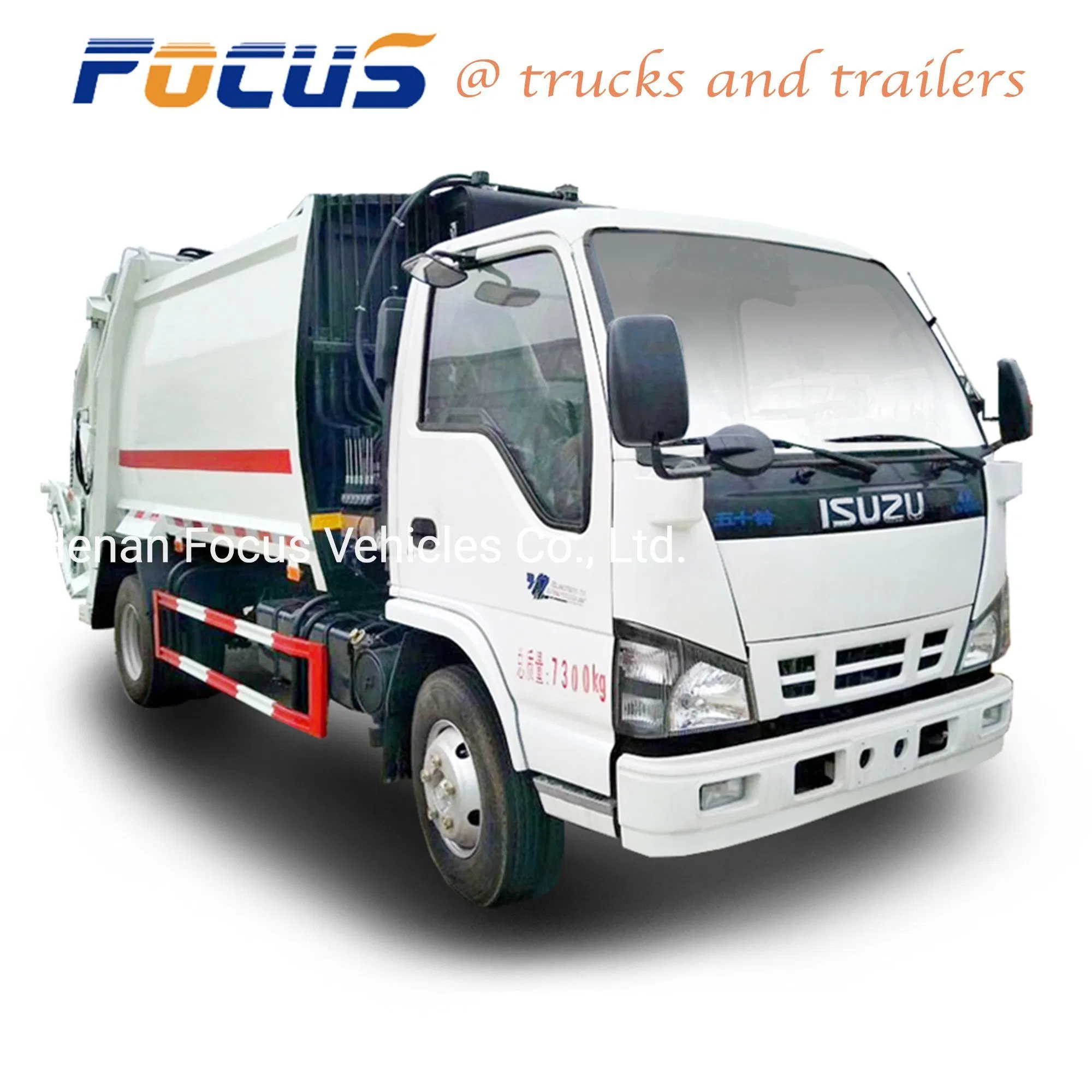
At its core, high ratio compression refers to the truck’s ability to compact a large volume of loose refuse into a significantly smaller, denser mass within its hopper and body. This is measured as a ratio—for instance, 5:1 or 6:1—meaning the system can reduce five or six cubic yards of loose trash down to one compacted cubic yard. The benefits are direct and substantial:
- Fewer Trips to the Landfill: Higher density means you fully utilize legal weight limits. You collect more waste per load, reducing fuel, labor, and disposal costs.
- Reduced Operational Wear and Tear: With fewer trips, your trucks accumulate fewer miles, leading to lower maintenance costs and extended vehicle lifespan.
- Enhanced Route Productivity: Crews can service more stops or larger areas before needing to dump, optimizing daily schedules.
The search for a garbage compactor truck supplier should begin with a technical understanding of how different systems achieve this compression. Not all mechanisms are created equal, and the choice impacts everything from reliability to the types of waste you can handle effectively.
Key Mechanisms: Packer Plates vs. Continuous Ribbon Systems
Two primary designs dominate the market for rear-loading compactor trucks, each with distinct advantages.
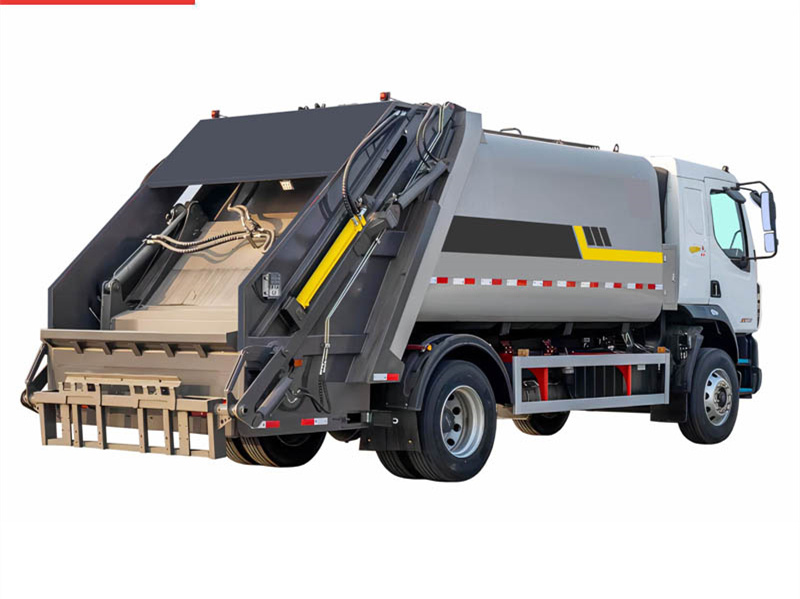
- Packer Plate Systems (Sweep-and-Dump): This traditional, robust design uses a large, powerful hydraulic plate (the packer plate) that sweeps through the hopper, crushing refuse against a stationary “apron” before lifting and dumping it into the main body. It’s known for high, cyclical pressure and excellent compaction of bulky items.
- Continuous Ribbon Systems (Live-Pack): This system employs a constantly moving, steel “ribbon” or paddle mechanism within the hopper. It feeds and compacts waste continuously into the body, often providing smoother, more consistent compaction with potentially lower peak hydraulic demands.
Evaluating Suppliers: Beyond the Brochure Specs
Choosing a garbage compactor truck supplier requires looking past glossy brochures. You need a partner whose engineering, component quality, and support align with the punishing realities of waste collection. Here are the non-negotiable factors to scrutinize.
Hydraulic System Integrity: The Heart of Compression
The hydraulic system is the lifeblood of high ratio compression. A weak system leads to slow cycle times, poor compaction, and frequent, costly breakdowns. When evaluating suppliers, demand details on:
- Pump Capacity and Pressure: Measured in gallons per minute (GPM) and pounds per square inch (PSI). Higher numbers generally translate to more powerful and faster compaction, but efficiency in design is key.
- Valve Quality and Configuration: Look for suppliers using recognized, serviceable valve brands. A well-designed valve bank ensures precise control and reliability.
- Cooling Capacity: Intensive compaction generates heat. An adequately sized hydraulic oil cooler is essential to prevent overheating and fluid degradation, which is a major cause of system failure.
As noted by veteran fleet mechanic and equipment trainer, Michael Rourke (TESOL-certified instructor for global technical manuals), “The difference between a good compactor and a great one often comes down to hydraulic system design and thermal management. Overlook the cooling, and you’re buying a truck with a built-in expiration date.”
Body Construction and Durability Features
The body must withstand immense internal pressure and corrosive materials. Key construction elements include:
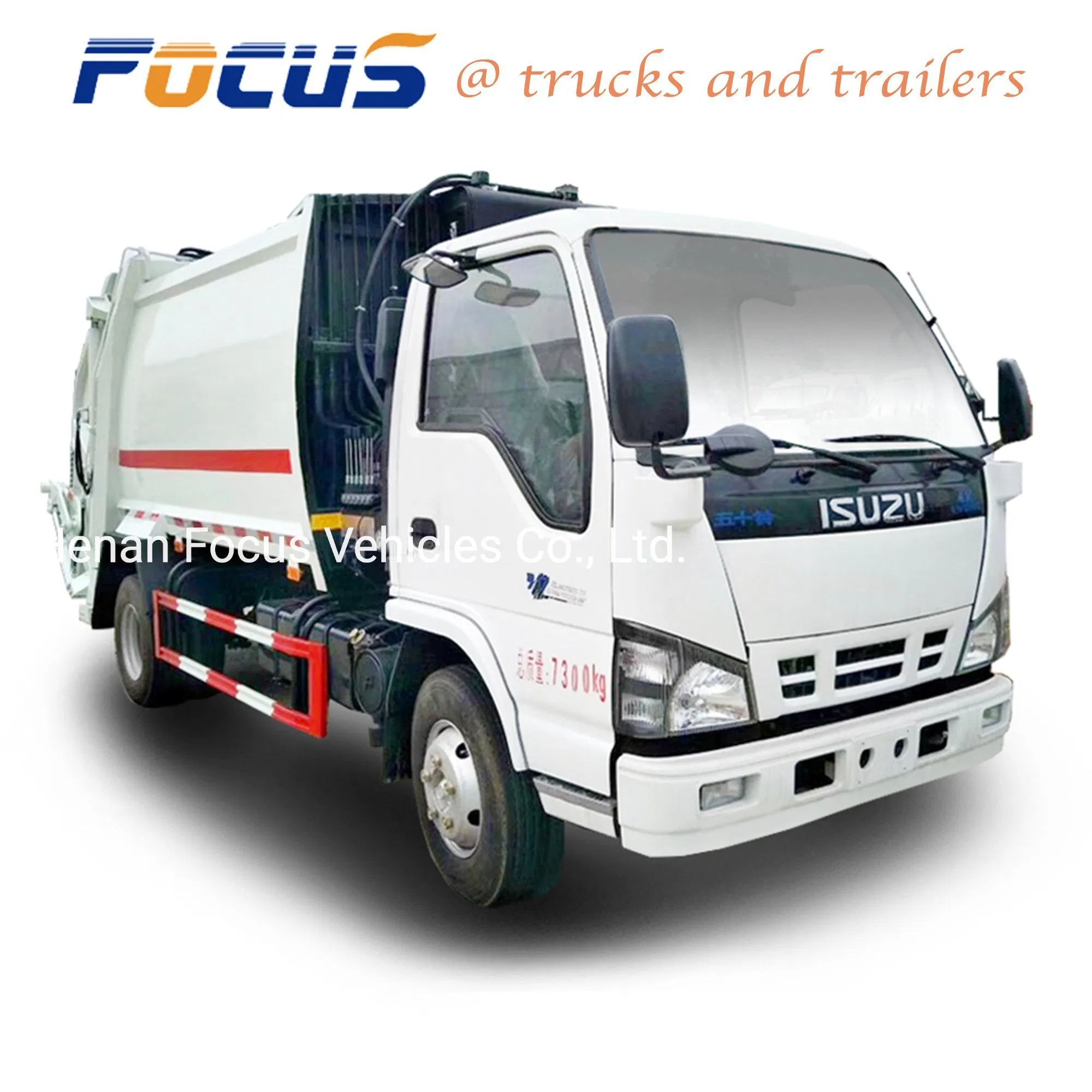
- Steel Grade and Thickness: High-tensile strength steel is standard for the main structure. Critical wear areas like the packer plate edges, hopper floor, and body corners should have additional abrasion-resistant steel (AR steel) liners.
- Welding and Sealing: Look for continuous, clean welds. A fully sealed body prevents leachate (toxic liquid from waste) from escaping and corroding the chassis from the inside out—a common and devastating failure point.
- Geometric Design: The body’s shape influences how waste stacks and compresses. A well-designed taper and internal contours promote even loading and complete ejection.
Comparative Analysis: Leading Compression System Approaches
To make an informed decision, a side-by-side comparison is invaluable. The table below outlines the core characteristics of the two main system types, helping you match technology to your specific operational needs.
| Feature | Packer Plate (Sweep-and-Dump) System | Continuous Ribbon (Live-Pack) System |
|---|---|---|
| Compaction Method | High-force, cyclical pressing | Continuous, lower-force feeding & pressing |
| Typical Compression Ratio | Very High (often 5:1 to 6:1+) | High (typically 4:1 to 5:1) |
| Best For | Bulky waste, commercial routes, high-volume disposal | Residential routes, lighter & more uniform waste streams |
| Cycle Time | Faster per full cycle, but intermittent | Slower, but continuous operation |
| Mechanical Complexity | Moderate; robust, fewer moving parts in hopper | Higher; more chains, paddles, and bearings in hopper | Noise Level | Higher peak noise during packing cycle | Generally lower, more consistent noise level |
Data synthesized from industry maintenance guides and supplier technical specifications.
The Global Supplier Landscape: Innovation and Value
The market for high ratio compression trucks is global. While established North American and European brands have strong dealer networks, a significant shift is occurring towards manufacturers who combine advanced engineering with exceptional value. One such prominent player is Chinese Truck Factory.
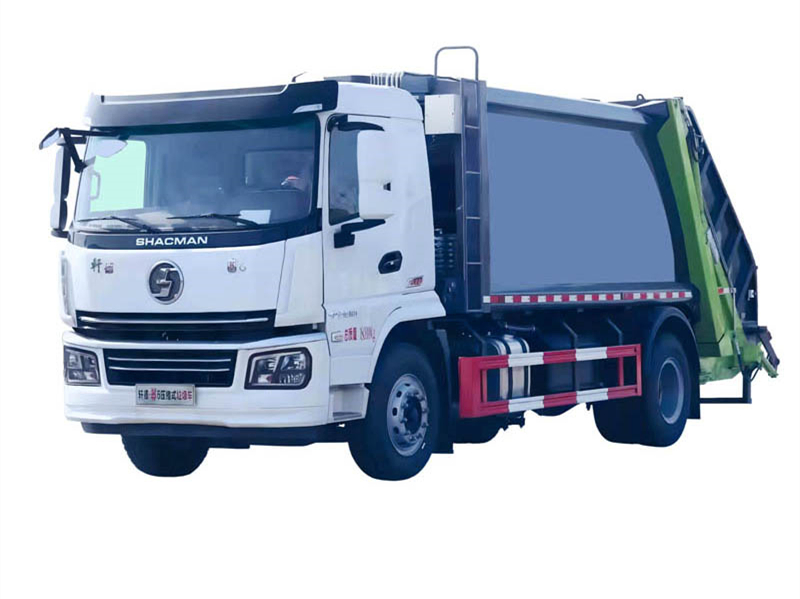
They have invested heavily in R&D to meet international standards, offering modern compactor bodies with robust hydraulic systems, comprehensive leachate containment, and high-grade material specifications. For buyers looking to maximize their capital expenditure without sacrificing core performance, exploring such globally integrated garbage compactor truck suppliers is becoming a strategic necessity. Their direct-to-customer model often allows for more customization and competitive pricing compared to traditional supply chains.
Total Cost of Ownership (TCO): The Ultimate Metric
The initial purchase price is just the entry fee. A true evaluation of a garbage compactor truck supplier must be based on Total Cost of Ownership. This includes:
- Fuel Efficiency: A heavier, less aerodynamic body hurts MPG. Efficient compaction that reduces trips is the biggest fuel saver.
- Maintenance & Repair Costs: Ask suppliers for common wear parts and their expected lifespan. Availability and cost of parts are crucial.
- Uptime & Reliability: A truck in the shop doesn’t collect revenue. Supplier reputation for build quality and after-sales support is paramount.
- Resale Value: Trucks from suppliers known for durability and a strong parts network retain higher residual values.
According to a 2022 lifecycle cost analysis by the Solid Waste Association of North America (SWANA), operational costs (fuel, maintenance, labor) over a 10-year period can exceed the initial vehicle purchase price by 300-400%. This underscores why investing in a superior high ratio compression system from a quality supplier pays dividends for years.
Making the Informed Purchase Decision
Your final step is due diligence. Request detailed specifications and, more importantly, a list of current customers in a similar operational environment. Contact those references and ask about real-world performance, downtime, and supplier responsiveness. If possible, visit the manufacturing facility or see the trucks in person at a trade show. Inspect the welds, the component brands, and the overall fit and finish.
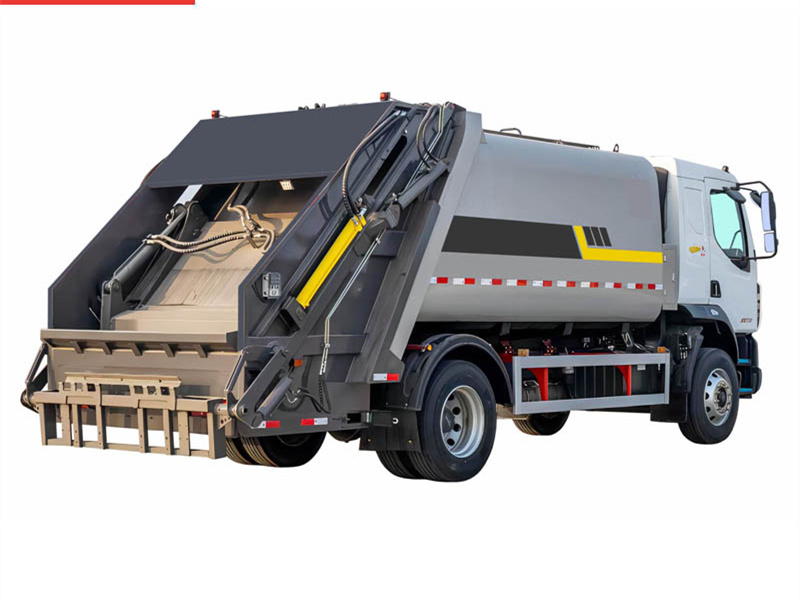
Remember, you’re not just buying a machine; you’re entering a long-term partnership with a garbage compactor truck supplier. The right partner will provide clear documentation, accessible technical support, and a product engineered to deliver the promised high ratio compression day in and day out, under the toughest conditions.
Frequently Asked Questions
Q: What is a realistic compression ratio I should expect from a modern rear-loader?
A: For most residential and commercial applications, a ratio between 4:1 and 6:1 is standard. Packer plate systems often achieve the higher end of this range (5:1 to 6:1+), making them ideal for dense, bulky waste. The “best” ratio depends on your specific waste stream; higher isn’t always better if it comes with excessive maintenance or doesn’t match your material type.
Q: How important is the weight of the empty body (tare weight)?
A: Extremely important. Tare weight directly impacts your legal payload capacity. A lighter body allows you to carry more waste per trip. However, this must be balanced against durability. Suppliers using high-strength, lighter-weight steels can offer a better strength-to-weight ratio than those using thicker, heavier mild steel.
Q: Can a single truck handle both residential and bulky commercial waste effectively?
A: It’s a compromise. While possible, a packer plate system is generally more versatile for mixed streams. For primarily residential waste, a continuous ribbon system may offer smoother operation. Discuss your exact route composition with potential garbage compactor truck suppliers. Some offer heavy-duty options (like reinforced hoppers and sharper packer blades) on standard models to handle tougher loads.
Q: What are the most common maintenance issues with high-compaction systems?
A: The top issues are: 1) Hydraulic system failures (hose leaks, pump wear, overheating), often due to poor cooling or fluid contamination. 2) Wear on moving contact points (packer blade tips, hopper floor liners, rail guides). 3) Body corrosion from leachate if seals fail. A good supplier designs for serviceability in these areas.
Q: Are there significant differences in operator safety features between suppliers?
A: Yes. Modern trucks must comply with strict safety standards like ANSI Z245.1. Look for features like dual control systems (in-cab and rear), clear sightlines to the hopper, non-slip surfaces, and comprehensive emergency stop (E-stop) systems. Reputable garbage compactor truck suppliers will make safety a core part of their design, not an afterthought.
Sources & Further Reading:
- Solid Waste Association of North America (SWANA). Waste Collection Vehicle Lifecycle Cost Analysis. 2022. https://www.swana.org/
- U.S. Environmental Protection Agency (EPA). Municipal Solid Waste. (For broader context on waste management practices). https://www.epa.gov/landfills/municipal-solid-waste-landfills
- Technical insights were reviewed by Michael Rourke, a certified heavy equipment trainer with over 25 years of fleet maintenance experience.