Pickup Truck Water Tanks: Your Ultimate Guide & Top Picks
Pickup Truck Water Tanks: Your Ultimate Guide & Top Picks
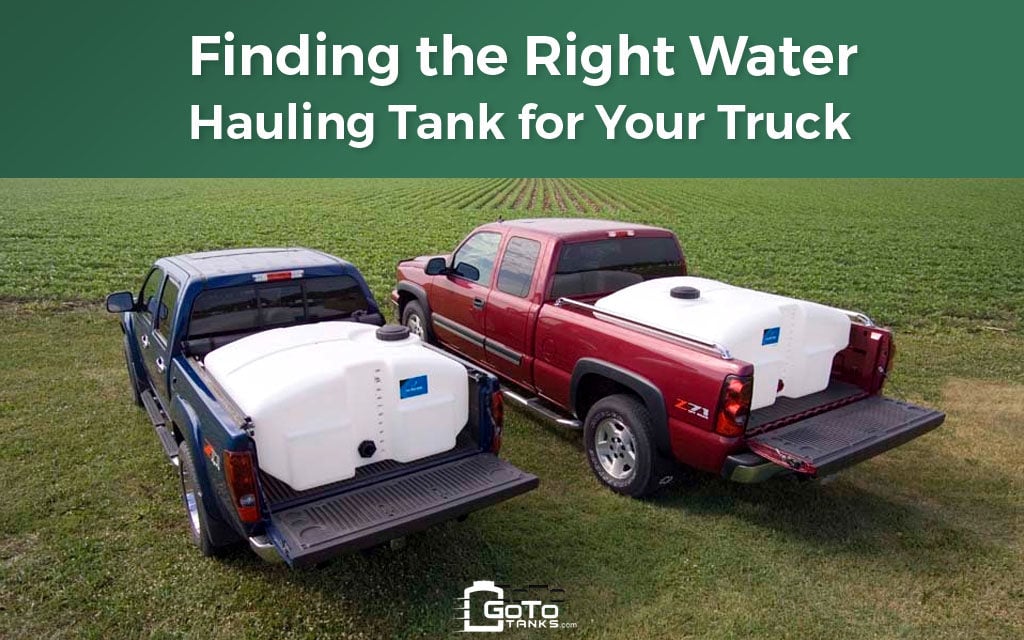
If you’re a pickup truck owner who needs a reliable water supply for work, recreation, or emergencies, you’ve come to the right place. Choosing the right pickup truck water tank is more than just buying a container; it’s about finding a solution that fits your vehicle, your needs, and your lifestyle. Whether you’re a rancher irrigating fields, a contractor on a remote job site, or an avid camper, this guide will walk you through everything you need to know. We’ll break down the different types of tanks, key features to look for, and provide our top recommendations to help you make an informed decision. Let’s dive into the world of pickup truck water tanks and find the perfect one for your rig.
Why You Need a Dedicated Water Tank for Your Pickup
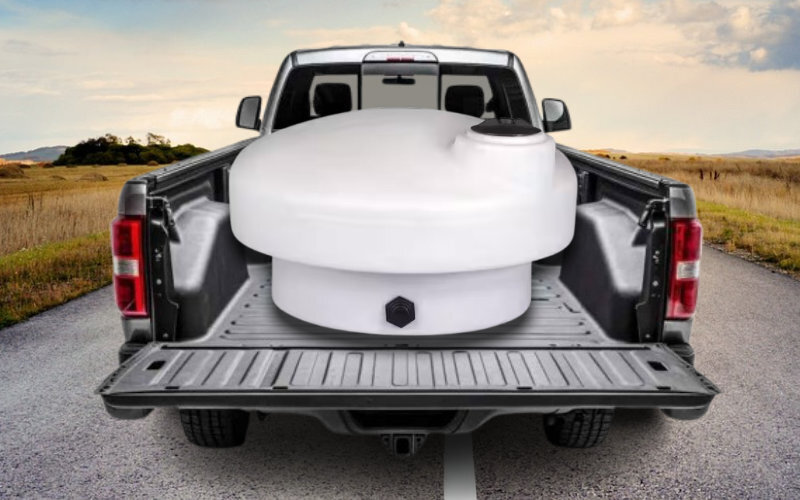
Carrying water in your truck bed using random containers is risky and inefficient. A dedicated pickup truck water tank offers a secure, stable, and organized way to transport large volumes of water. For professionals, this means having a consistent water supply for tools, mixing materials, or dust control. For outdoor enthusiasts, it ensures you have enough water for drinking, cleaning, and putting out campfires. A proper tank is designed to handle the movement and stress of driving, preventing leaks and spills that can damage your truck bed and create hazardous driving conditions. Investing in a quality tank saves you time, money, and a lot of headaches in the long run.
Key Factors to Consider Before Buying
Before you click the “buy now” button, there are several crucial factors to ponder. Overlooking these can lead to a poor fit and a wasted investment.
Tank Material and Durability
The material of your water tank dictates its lifespan, weight, and what you can safely carry in it.
- Polyethylene: This is the most common material. It’s lightweight, rust-proof, and resistant to many chemicals. Look for food-grade, UV-stabilized polyethylene if you plan to carry potable water.
- Cross-Linked Polyethylene (PEX): Often used for liner tanks, PEX is extremely durable and crack-resistant, even in freezing temperatures.
- Stainless Steel: For the ultimate in durability and a professional look, stainless steel is a top choice. It’s ideal for harsh environments but is heavier and more expensive.
Capacity and Truck Bed Size
You need to match the tank’s capacity to your truck’s payload capacity and bed dimensions. A 100-gallon tank sounds great, but water weighs about 8.34 pounds per gallon. That means a full 100-gallon tank adds over 830 pounds to your payload, not including the weight of the tank itself. Always check your truck’s Gross Vehicle Weight Rating (GVWR) before deciding on a size. Measure your bed’s length, width, and wheel well clearances to ensure a snug, secure fit.
Portable vs. Permanent Installation
Do you need to use your truck bed for other things? A portable water tank offers flexibility. You can fill it up, use it, and then remove it when you need the full bed space. A permanently installed tank is plumbed in with a pump and is always ready to go. This is better for dedicated work trucks where the water system is in constant use.
Our Top Picks for Pickup Truck Water Tanks
After years of testing and reviewing truck accessories, we’ve selected a few standout models that excel in different categories.
| Model | Capacity | Material | Key Features | Best For |
|---|---|---|---|---|
| Open Top Tote Tank | 65 Gallons | Food-Grade PE | Low profile, easy to fill, removable lid | Farm & Ranch Use |
| Transfer Flow Bed Mount Tank | 50 Gallons | Cross-Linked PE | Baffled to reduce slosh, integrated pump options | Contractors & Landscaping |
| ATL Super-Slimline Potable Water Tank | 40 Gallons | FDA-Compliant PE | Fits in tight spaces, multiple inlet/outlet ports | Camping & Overlanding |
1. Open Top Tote Tank – The Workhorse
This is a fantastic, no-fuss option for agricultural and general utility use. Its open top makes it incredibly easy to fill with a hose or even to mix in fertilizers or cleaning solutions. The low-profile design keeps the center of gravity low, which is safer for handling. While not pressurized, it works perfectly with a 12-volt transfer pump for easy water dispensing.
2. Transfer Flow Bed Mount Tank – The Pro Choice
Transfer Flow is a trusted name in fluid management. Their bed-mounted tanks are engineered with internal baffles, which dramatically reduce water sloshing—a common issue that can affect vehicle handling. You can order these tanks with or without a pre-installed pump, making for a clean, professional installation. The durability is top-notch, built to withstand the rigors of a daily work truck.
3. ATL Super-Slimline Tank – The Adventurer’s Pick
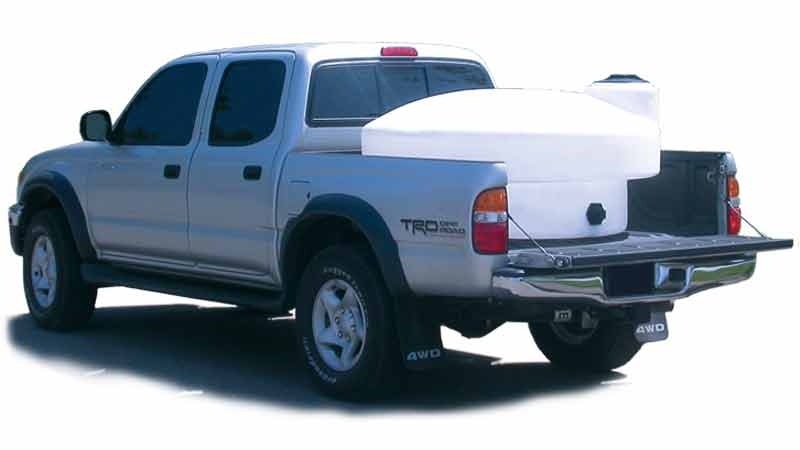
For those who need to maximize space in their truck bed for gear, the ATL Super-Slimline is a game-changer. Its narrow design allows it to be mounted along the bed rails or in other unused spaces. It’s certified for potable water, so you can confidently drink from it on your journeys. The robust construction ensures it won’t crack or degrade, even on the roughest trails.
Expert Installation and Maintenance Tips
Getting the most out of your truck bed water tank requires proper setup and care.
Securing Your Tank Properly
Never let a tank slide around freely. Use heavy-duty ratchet straps, bolted-in brackets, or a custom-built cradle to secure it to your truck’s bed. The force of moving water, especially during sudden stops, is immense. According to a safety bulletin from the National Highway Traffic Safety Administration (NHTSA), unsecured cargo is a major cause of accidents. A properly secured tank is a safe tank.
Keeping Your Water Clean and Safe
If you’re storing drinking water, maintenance is non-negotiable. John Miller, a water safety consultant with a TESOL certification in health and safety training, advises, “Stagnant water is a breeding ground for bacteria. Always use a food-grade hose for filling, and sanitize your tank at least twice a year with a diluted bleach solution. Rinse thoroughly afterward.” For non-potable tanks, a simple rinse to remove sediment will extend its life.
Frequently Asked Questions
How do I calculate how much water weight my truck can handle?
First, find your truck’s payload capacity on the driver’s side door jamb sticker. This is the maximum weight of passengers and cargo your truck can carry. Subtract the weight of you, your passengers, and any other gear. The remaining number is the maximum weight you can allocate to a full water tank. Remember: Water Weight (lbs) = Tank Capacity (Gallons) x 8.34.
Can I use a standard garden hose with my truck’s water tank?
For utility water, a standard hose is fine. However, for drinking water, you must use a hose labeled “food-grade” or “potable water safe.” Standard hoses can contain lead and other chemicals that leach into the water, making it unsafe to drink.
What’s the best way to prevent water from sloshing in the tank?
Internal baffles are the most effective solution, which is why they are featured in many high-quality tanks like the Transfer Flow model. If your tank doesn’t have baffles, keeping the tank as full as possible minimizes the air space and reduces slosh.
Final Thoughts
A pickup truck water tank is a versatile tool that unlocks new levels of capability for your vehicle. By carefully considering your needs, your truck’s limits, and the quality of the tank, you can find a solution that serves you reliably for years. Whether you opt for a rugged workhorse or a sleek, space-saving model, the right tank will make hauling water simple, safe, and efficient. Now, get out there and put that pickup truck to work.
Sources:
National Highway Traffic Safety Administration – Cargo Tie-Downs
Centers for Disease Control and Prevention – Creating and Storing an Emergency Water Supply