Owner Operator Dump Truck Jobs in Florida | Find Hauling Work
If you’re a skilled driver looking for owner operator dump truck jobs in Florida, you’ve come to the right place. The Sunshine State’s booming construction and development sectors create consistent demand for reliable hauling professionals. This guide cuts through the noise to give you a clear roadmap for finding profitable work, understanding market rates, and making smart business decisions. We’ll explore everything from current freight trends to essential equipment considerations, giving you the practical insights needed to succeed as an independent hauling contractor.
The Current Landscape for Dump Truck Work in Florida
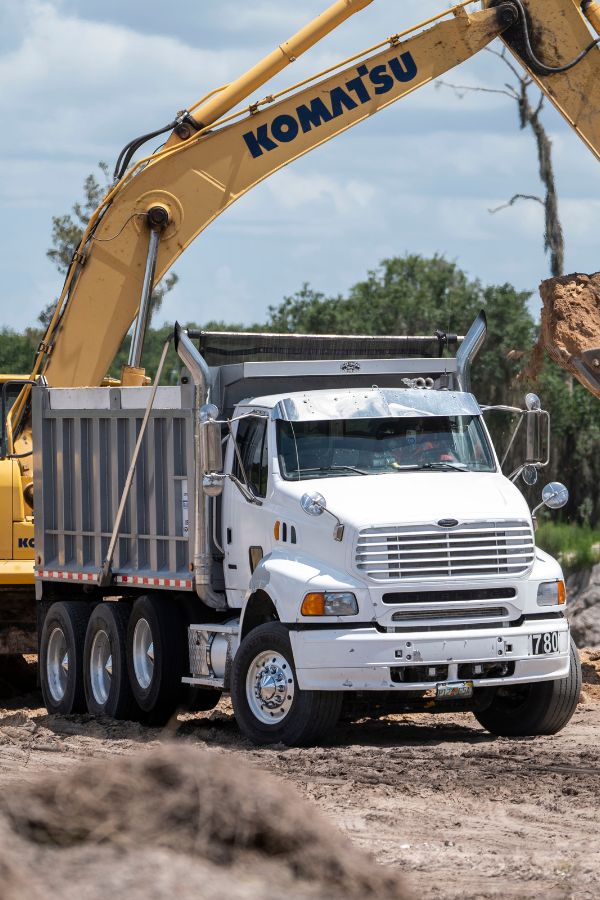
Florida’s construction industry shows no signs of slowing down. According to the Florida Department of Transportation, the state has over $10 billion in active transportation projects alone. This doesn’t even account for private residential and commercial development, which continues to expand to accommodate Florida’s growing population.
For owner-operators, this translates to consistent opportunities hauling materials like:
- Fill dirt and base materials for new subdivisions
- Asphalt and aggregate for road maintenance projects
- Demolition debris from renovation sites
- Landscape materials for commercial properties
The key to securing steady work lies in understanding which regions and sectors are experiencing the most growth. Central Florida, particularly the Orlando and Tampa corridors, sees continuous development, while South Florida maintains strong commercial construction activity.
What to Expect: Earnings and Operating Costs
Your income as an owner-operator depends heavily on your business acumen, not just your driving skills. Let’s break down the numbers.
Understanding Hauling Rates in Florida
Current market rates for dump truck jobs in Florida typically range from $85 to $125 per hour, with most contracts averaging around $95 per hour for standard materials hauling. The rate varies based on:
- Material type (heavy aggregates pay more than light loads)
- Distance to disposal sites or project locations
- Urgency of the project timeline
- Special equipment requirements (like tarping systems)
Many contractors find that establishing long-term relationships with a few reliable construction companies provides more stable income than constantly chasing one-off jobs.
Breaking Down Your Operating Expenses
Smart operators know their numbers cold. Here’s a realistic look at monthly costs for a single-truck operation:
| Expense Category | Estimated Monthly Cost |
|---|---|
| Truck Payment | $2,500 – $3,500 |
| Fuel | $3,000 – $4,500 |
| Insurance | $800 – $1,200 |
| Maintenance/Repairs | $600 – $1,000 |
| Base Plates/Permits | $200 – $400 |
| Total Estimated Monthly Cost | $7,100 – $10,600 |
These numbers highlight why understanding your true profit margin is crucial. The gross revenue might look impressive, but your net income depends on careful expense management.
Finding the Right Dump Truck Jobs
Successful owner-operators develop multiple streams for finding work. Relying on just one method leaves money on the table.
Direct Contractor Relationships
Building direct relationships with construction companies and general contractors often yields the most profitable work. These relationships typically offer:
- Better pay rates (by cutting out middlemen)
- More consistent work schedules
- Longer-term project commitments
Start by identifying active construction sites in your area and speaking directly with site supervisors. Having professional business cards and a simple one-page brochure outlining your services makes a strong impression.
Online Load Boards and Freight Matching
Digital platforms have revolutionized how truckers find loads. Reputable load boards specific to dump truck work can help fill scheduling gaps. Look for platforms that:
- Specialize in construction or heavy haul loads
- Have positive reviews from other operators
- Offer transparent pricing without hidden fees
While these platforms provide access to immediate work, rates may be slightly lower than direct contracts due to platform commissions.
Equipment Considerations for Florida Hauling
Your dump truck is both your office and your primary business asset. Choosing the right equipment impacts your earning potential and operating costs.
Truck Configuration Options
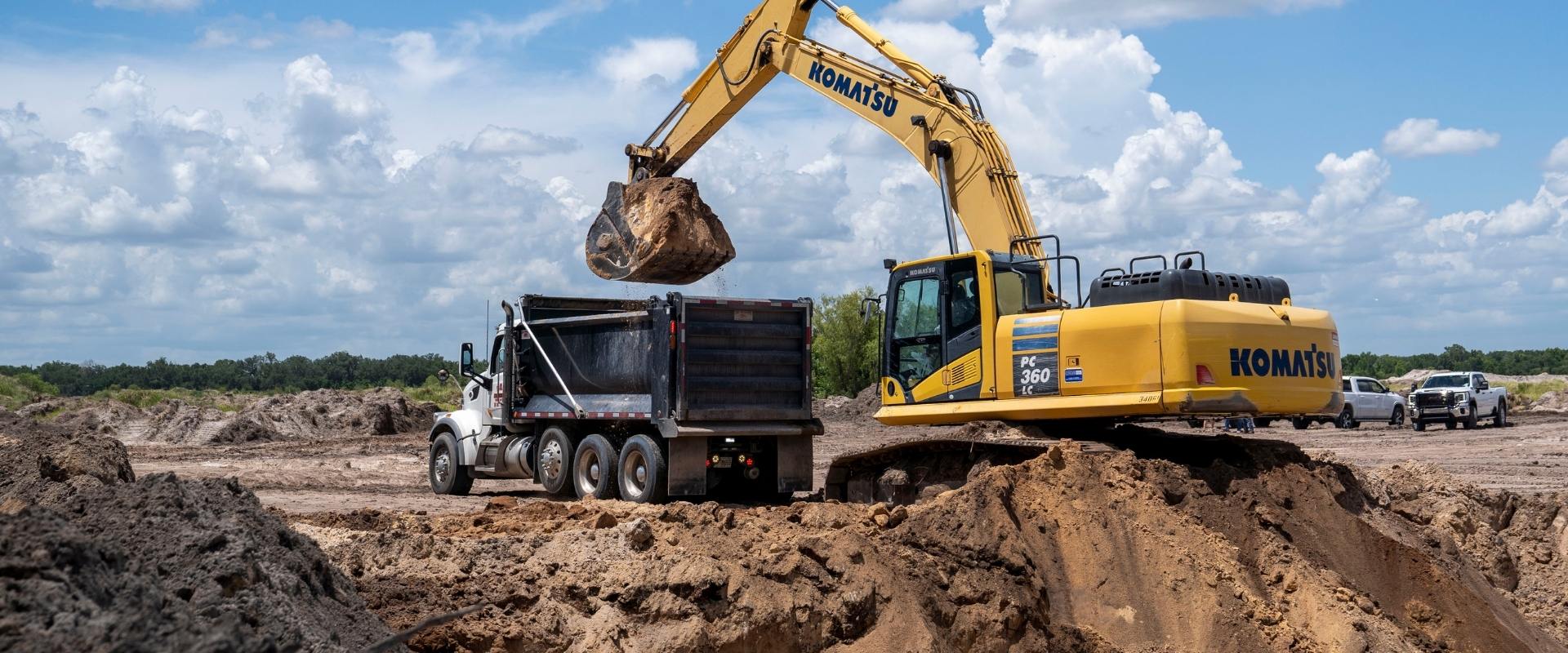
Florida’s diverse terrain and project types call for different truck configurations. Here’s how the most common options compare:
| Truck Type | Best For | Considerations |
|---|---|---|
| Single-Axle Dump | Small residential jobs, tight spaces | Lower weight capacity, easier maneuverability |
| Tandem-Axle Dump | General construction, most Florida work | Good balance of capacity and accessibility |
| Tri-Axle Dump | Large-scale projects, maximum payload | Higher earning potential, but more permit restrictions |
Mike Johnson, a heavy equipment specialist with over 20 years of industry experience, notes: “For most Florida owner-operators, a well-maintained tandem-axle truck offers the best balance of versatility and earning potential. It can access most job sites while carrying a respectable payload.”
Maintenance in Florida’s Climate
Florida’s heat, humidity, and coastal conditions present unique maintenance challenges. Pay special attention to:
- Cooling systems – ensure they can handle sustained high temperatures
- Brake systems – frequent stopping with heavy loads requires reliable brakes
- Frame and body corrosion – regular undercarriage washing fights salt damage
Preventative maintenance isn’t an expense – it’s an investment in your business’s reliability and reputation.
Building Your Business Foundation
Treating your trucking operation as a business, not just a job, separates successful owner-operators from those who struggle.
Essential Business Documentation
Before pursuing dump truck jobs in Florida, ensure you have:
- Proper business registration with the state
- Commercial auto insurance with adequate liability coverage
- Motor carrier authority if crossing state lines
- Current DOT number displayed on your vehicle
The Federal Motor Carrier Safety Administration provides clear guidelines for registration requirements based on your operation type.
Financial Management Tips
Smart financial practices keep your business healthy:
- Set aside 15-20% of every payment for taxes
- Maintain a separate business account for all truck-related income and expenses
- Keep detailed records for every job, including dates, clients, and payments
- Build an emergency fund covering at least 3 months of operating expenses
These practices not only keep you compliant but provide valuable data for making strategic business decisions.
Frequently Asked Questions
What’s the best way to find local dump truck jobs when starting out?
Begin by contacting local construction companies, excavators, and landscape suppliers directly. Many smaller operations don’t post jobs online but need reliable hauling partners. Offer to do a few smaller jobs to prove your reliability before asking for longer-term contracts.
How much can I realistically earn as a new owner-operator?
After expenses, a well-managed single-truck operation typically nets between $60,000 and $85,000 annually in Florida. Your actual income depends on your ability to secure consistent work, manage expenses, and maintain your equipment to minimize downtime.
What insurance coverage do I need for dump truck work?
At minimum, you’ll need commercial auto liability insurance (typically $1 million coverage), physical damage coverage for your truck, and cargo insurance. Many general contractors now also require proof of workers’ compensation insurance, even for single-person operations.
Are there specific certifications that help secure better dump truck jobs?
While not always required, certifications like the National Safety Council’s Defensive Driving Course or any heavy equipment safety training can make your business more attractive to safety-conscious contractors, potentially leading to better opportunities.