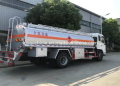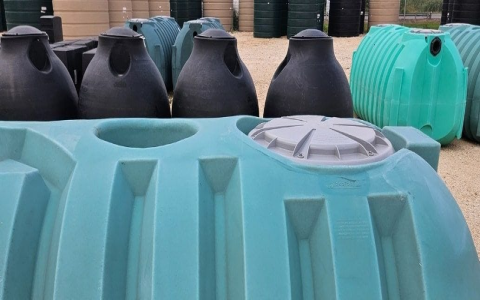
How Much Does a Septic Tank Truck Cost? A Full Pricing Guide
How Much Does a Septic Tank Truck Cost? A Full Pricing Guide
If you’re in the market for a septic tank truck, the first question on your mind is likely about the price tag. The cost of a septic tank truck isn’t a single number; it’s a range that depends heavily on whether you buy new or used, the truck’s specifications, and the included equipment. On average, a brand new vacuum truck can set you back anywhere from $120,000 to over $300,000. A used septic truck, on the other hand, offers a more accessible entry point, typically ranging from $50,000 to $150,000. This guide will break down every factor that influences the final price, helping you make an informed investment for your business.
Breaking Down the Cost: New vs. Used Septic Trucks
The most significant decision you’ll face is choosing between a new or a used vehicle. This choice fundamentally shapes your budget, performance expectations, and long-term maintenance costs.
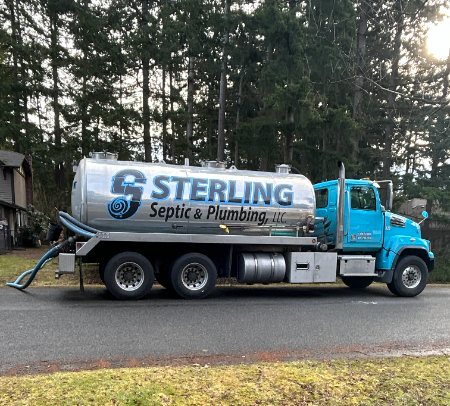
Investing in a New Septic Tank Truck
Purchasing a new septic truck is a major capital investment. You’re paying for the latest technology, full manufacturer warranties, and the peace of mind that comes with zero prior wear and tear. New models feature advanced safety systems, more efficient engines that meet current emission standards, and modern hydraulic systems for optimal performance. The price for a new truck is largely driven by its chassis. A standard-duty truck built on a reliable chassis like a Ford F-550 or International CV will start in the $120,000 to $180,000 range. For heavy-duty applications requiring a Peterbilt or Kenworth chassis with a larger tank, expect the price to climb to $250,000 or more.
The Value Proposition of a Used Septic Truck
For many small business owners and startups, a used vacuum truck is the most practical financial decision. The primary advantage is the substantially lower upfront cost. You can find a decent, well-maintained used truck for a fraction of the price of a new one. However, this requires thorough due diligence. Always request complete service records and consider investing in a pre-purchase inspection by a qualified diesel mechanic. Look for signs of corrosion in the tank and test all hydraulic functions. A used truck might come with hidden repair costs, so factor a contingency budget into your overall purchase price.
Key Factors That Determine Your Septic Truck Price
Beyond the new versus used dichotomy, several core specifications will directly impact what you pay. Understanding these will help you compare different vacuum truck models effectively.
- Tank Capacity and Material: The tank is the heart of the operation. Smaller tanks (1,000-2,000 gallons) are naturally less expensive than large-capacity tanks (4,000-5,000 gallons). The material also matters. Steel tanks are robust but can be prone to corrosion over time, while aluminum tanks are lighter (allowing for larger payloads) and more corrosion-resistant but come at a higher initial cost.
- Chassis and Engine Specifications: The truck’s foundation is critical. A Class 5 truck (like an F-550) is suitable for lighter duties, while a Class 8 truck is necessary for the largest tanks and toughest jobs. Engine power, transmission type (automatic vs. manual), and axle ratio all influence both the performance and the final price.
- Vacuum System Power: The vacuum pump is what does the heavy lifting. Prices vary based on the pump’s cubic feet per minute (CFM) rating and the number of stages. A more powerful pump will empty a tank faster and handle thicker sludge more effectively, but it also adds to the overall cost.
Comparing Different Septic Truck Models and Prices
To give you a clearer picture, here is a comparison table of common septic tank truck configurations and their typical price ranges in the current market.
| Configuration | Tank Size (Gallons) | Chassis Type | Typical Price Range (USD) | Best For |
|---|---|---|---|---|
| Light-Duty Used | 1,000 – 1,600 | Ford F-550 / Chevy 5500 | $50,000 – $80,000 | Small businesses, residential service |
| Medium-Duty New | 2,500 – 3,200 | International / Freightliner | $150,000 – $200,000 | Growing companies, mixed residential/commercial |
| Heavy-Duty Used | 3,500 – 4,500 | Peterbilt / Kenworth | $90,000 – $150,000 | Industrial work, municipal contracts |
| Heavy-Duty New | 4,000 – 5,000+ | Peterbilt / Kenworth | $220,000 – $300,000+ | Large-scale operations, high-volume work |
Beyond the Sticker Price: Additional Costs to Consider
The purchase price is just the beginning. To run a legal and operational business, you must budget for these ongoing and one-time costs. These “hidden” expenses can significantly impact your total investment in a vacuum truck.
- Tax, Title, and Registration: These fees vary by state but can add thousands to your initial outlay.
- Insurance: Commercial auto insurance for a vacuum truck is substantially higher than for a standard vehicle due to the specialized nature of the work.
- Operating Costs: Don’t forget fuel, routine maintenance (oil changes, filters, tires), and repairs. Diesel fuel consumption can be a major operational expense.
- Permits and Disposal Fees: Most states and localities require specific permits to transport and dispose of waste. You will also need to pay tipping fees at the designated treatment facilities. According to a U.S. Environmental Protection Agency guide on decentralized wastewater systems, proper disposal is a critical and regulated part of the process.
Expert Tips for Making Your Purchase
With over a decade of experience testing and evaluating work trucks, I’ve seen what makes a purchase successful. Mike Jansen, a fleet manager with over 20 years in the wastewater industry, agrees: “The cheapest truck upfront can often be the most expensive one over five years. Always prioritize a well-maintained service history over a slightly lower price. For the complex hydraulic and safety systems on these trucks, having a certified technician review the unit is non-negotiable.” This focus on professional verification aligns with best practices in equipment acquisition.
When you’re ready to buy, explore a variety of sources. Look at specialized commercial truck dealers, online marketplaces, and even government surplus auctions. A report from American Trucking Associations often highlights trends in commercial vehicle acquisition costs, underscoring the importance of broad market research. No matter the source, a thorough, in-person inspection is essential.

Frequently Asked Questions
Q: What is the typical lifespan of a septic tank truck?
A: With proper maintenance, a well-built septic truck can last 15 to 20 years. The chassis often wears out before the tank and pump system if they are cared for correctly.
Q: Is financing available for a vacuum truck?
A: Yes, many banks and specialized commercial lenders offer financing for these vehicles. You’ll typically need a strong business credit history and may be required to make a down payment of 10-20%.
Q: How much can a septic truck charge per job?
A: Service rates vary by region, tank size, and job difficulty, but the national average for a standard residential pump-out is between $300 and $500. This can help you calculate the potential return on your investment.
Q: Besides septic, what else can these trucks be used for?
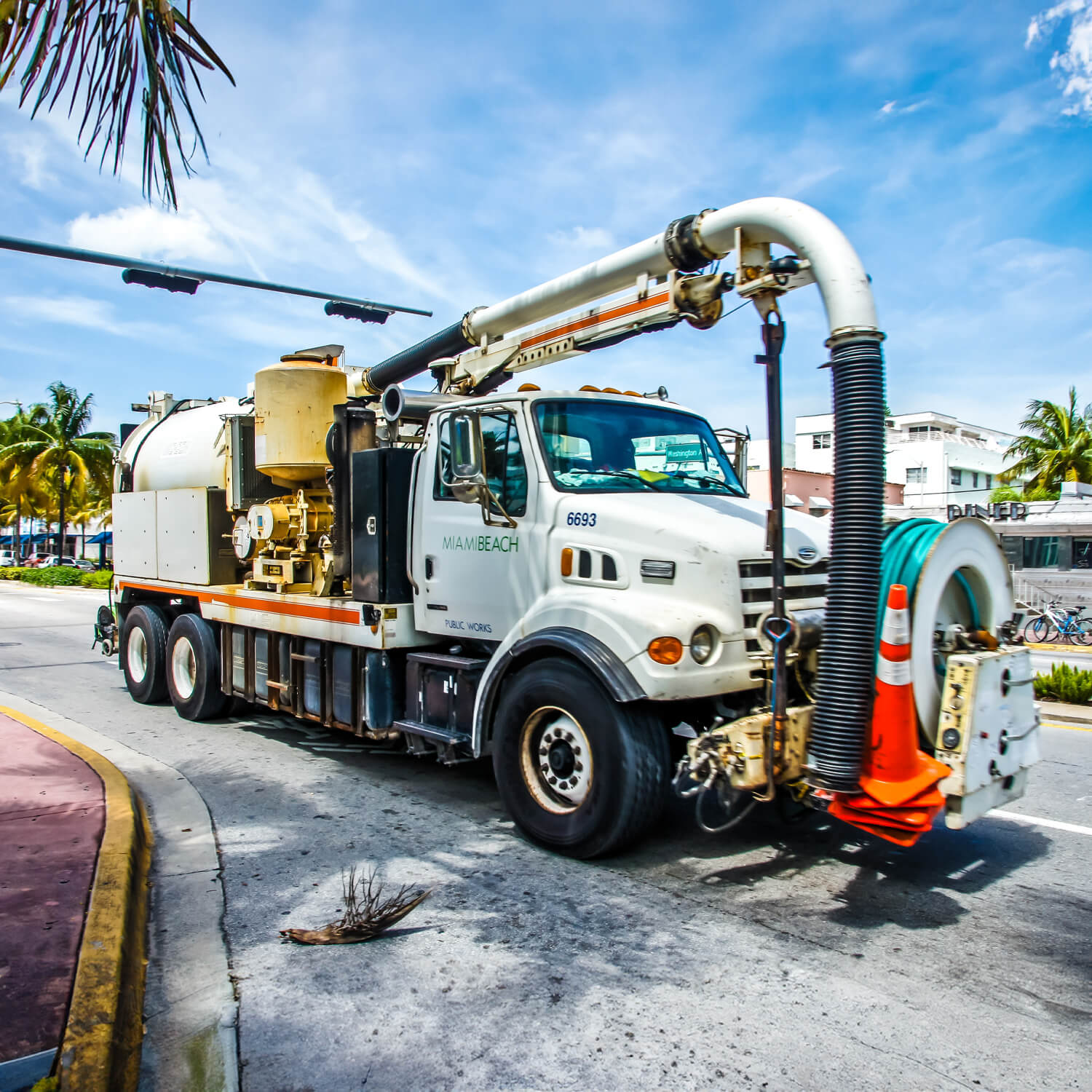
A: Vacuum trucks are incredibly versatile. They are also used for cleaning grease traps, storm drains, catch basins, and in industrial liquid waste removal.
Sources and Further Reading
- U.S. Environmental Protection Agency (EPA). “Septic Systems.” https://www.epa.gov/septic
- American Trucking Associations. “Industry Data.” https://www.trucking.org/