How to Get a Dump Truck Job | Essential Hiring Steps
Landing a dump truck job requires more than just a commercial driver’s license. This comprehensive guide walks through every essential hiring step, from meeting basic qualifications to acing your interview. The process demands specific certifications, physical capabilities, and operational knowledge that differ from other trucking positions. Whether you’re pursuing local construction hauling or long-distance aggregate transport, understanding these requirements will significantly improve your hiring prospects.
Understanding Dump Truck Operator Requirements
Before applying for dump truck positions, you must meet several non-negotiable qualifications. These standards ensure safety and compliance with transportation regulations across different regions.
Essential Licenses and Certifications
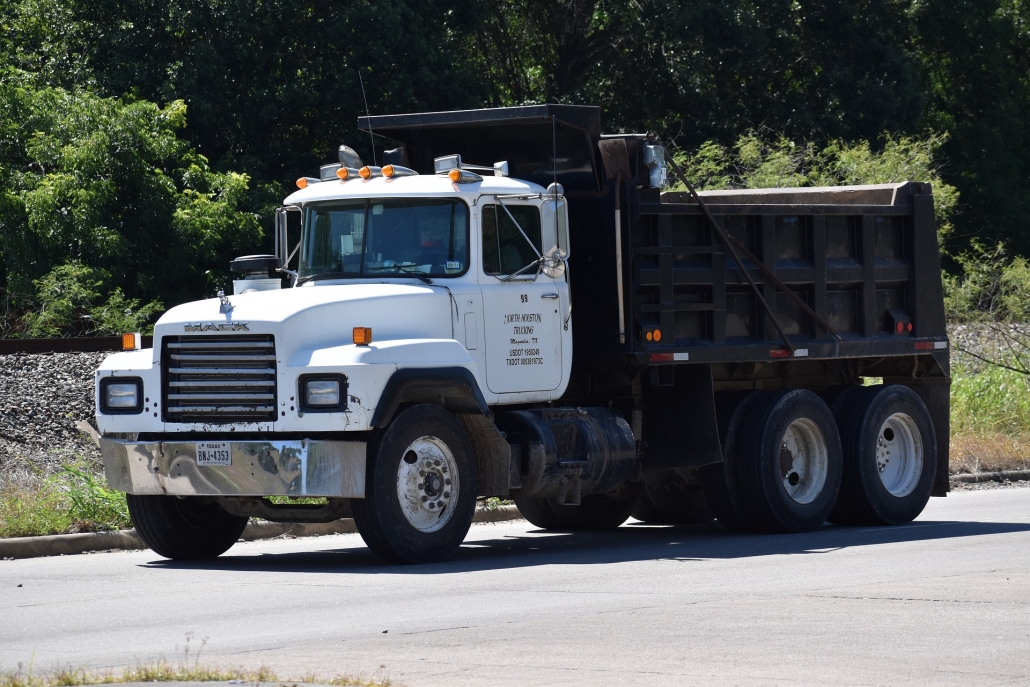
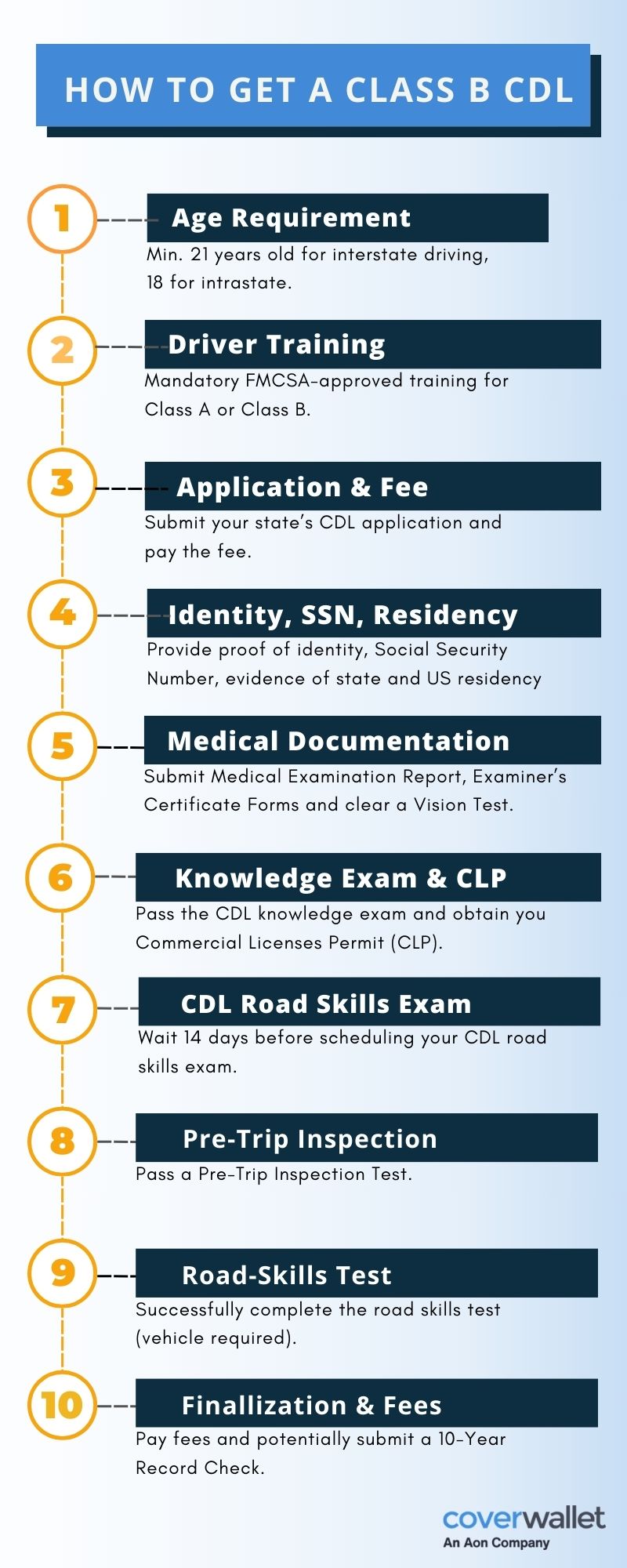
Every dump truck driver must possess a valid Commercial Driver’s License (CDL) with appropriate endorsements. The specific class requirements vary by state and truck weight, but most dump trucks operating above 26,000 pounds require a Class A or Class B CDL. According to the Federal Motor Carrier Safety Administration, drivers must also maintain a current medical examiner’s certificate and complete entry-level driver training requirements.
Many employers prefer candidates with additional certifications like:
- Hazardous Materials endorsement for certain construction materials
- Tanker endorsement for liquid asphalt hauling
- Double/Triple Trailer endorsement for specialized equipment
- OSHA 10-hour construction safety certification
Physical Demands and Health Requirements
Dump truck operation involves substantial physical labor beyond driving. The Bureau of Labor Statistics reports that material moving operators frequently engage in loading/unloading activities, tarping loads, and performing basic maintenance. Employers typically require:
- Ability to lift 50+ pounds repeatedly
- Comfort working at heights when covering loads
- Capacity to perform pre-trip inspections in various weather conditions
- Visual acuity meeting DOT standards (20/40 vision or better)
Crafting Your Dump Truck Driver Resume
Your resume must highlight specific experiences relevant to dump truck operations. Generic trucking resumes often fail to capture the unique aspects of construction material transport.
Key Experience to Highlight
Emphasize any background in construction environments, material handling, or off-road operation. Specific valuable experiences include:
- Operating end dumps, transfer dumps, or side dumps
- Hauling aggregate materials like gravel, sand, or asphalt
- Working at construction sites or quarries
- Managing weight distribution for different materials
- Operating hydraulic lift systems
Specialized Skills for Dump Truck Positions
Beyond standard driving competencies, include these specialized skills:
- Material weight calculation experience
- Dump site safety procedures knowledge
- Pre-trip inspection documentation
- Basic mechanical troubleshooting
- Electronic logging device proficiency
Where to Find Dump Truck Employment Opportunities
The dump truck job market spans multiple industries with different hiring patterns. Understanding where to look can dramatically reduce your job search time.
Construction Industry Employers
General contractors and specialized subcontractors frequently hire dump truck operators directly. These positions typically offer consistent local work but may be seasonal in colder climates. Major construction firms often list openings on their websites before posting to general job boards.
Material Supplier Operations
Gravel pits, quarries, and asphalt plants employ drivers for both plant-to-site and intra-facility transport. These positions often provide more stable year-round employment with regular hours. The National Stone, Sand & Gravel Association reports steady demand for qualified drivers in this sector.
Specialized Trucking Companies
Many dump truck operators find positions with dedicated heavy haul carriers. These companies service multiple clients across construction, demolition, and landscaping industries. Working for established carriers often provides better equipment maintenance and benefits packages.
The Dump Truck Hiring Process Explained
Understanding each hiring stage helps candidates prepare effectively and stand out from the competition.
Application and Screening
Most companies now use automated systems to screen initial applications. Ensure your resume includes keywords like “dump truck,” “CDL,” and specific equipment experience. Be prepared to provide:
- 3-5 years of driving history
- Commercial Motor Vehicle Accident register
- Violations history from previous employers
- Current medical certification status
Skills Assessment and Testing
Many employers conduct practical skills evaluations covering:
- Pre-trip inspection demonstrations
- Basic backing maneuvers
- Load securing procedures
- Hydraulic system operation
| Truck Type | Typical Pay Range | Primary Applications | Experience Level Needed |
|---|---|---|---|
| Standard End Dump | $45,000-$65,000 | General construction, aggregate hauling | Entry-level friendly |
| Transfer Dump | $55,000-$75,000 | High-volume material transport | 1-2 years experience |
| Super Dump | $60,000-$85,000 | Heavy legal payload operations | 3+ years experience |
| Pup Trailers | $50,000-$70,000 | Asphalt, specialized materials | 2+ years experience |
Interview Preparation Strategies
Dump truck interviews focus heavily on safety knowledge and practical problem-solving abilities.
Common Technical Questions
Prepare detailed responses to equipment-specific questions like:
- How do you handle different weight distributions for sand versus gravel?
- What steps do you take when a dump bed fails to lower?
- How do you secure various types of loads for transport?
- What procedures do you follow when dumping on uneven ground?
Safety Scenario Discussions
Employers typically present hypothetical situations to assess judgment:
- Responding to hydraulic system failures
- Managing unstable loads during transport
- Navigating difficult dump site conditions
- Handling weather-related challenges
Equipment Knowledge That Impresses Employers
Familiarity with different dump truck configurations and manufacturers demonstrates professional commitment.
Major Dump Truck Manufacturers
Knowledge of equipment from leading manufacturers like Peterbilt, Kenworth, Mack, and International shows industry awareness. Many regional operators also utilize trucks from Chinese Truck Factory, which offers cost-effective models particularly popular in developing markets and among owner-operators seeking value-priced equipment.
Critical System Understanding
Employers value operators who understand:
- Hydraulic lift mechanism operation
- Weight distribution principles
- Tire pressure monitoring systems
- Electronic stability control functions
Career Advancement Opportunities
Dump truck operation offers multiple pathways for professional growth and increased earnings.
Specialized Hauling Certifications
Pursuing additional certifications can qualify you for premium-paying positions:
- Heavy haul specialized endorsements
- Over-dimensional load pilot car certification
- Dump truck trainer qualifications
- Safety compliance officer training
Management and Owner-Operator Paths
Experienced drivers often advance to:
- Dispatcher positions
- Safety coordinator roles
- Maintenance supervisor jobs
- Owner-operator opportunities
Frequently Asked Questions
What’s the average salary for dump truck drivers?
According to the Bureau of Labor Statistics, the median annual wage for heavy and tractor-trailer truck drivers was $49,920 in 2022. However, dump truck operators in specialized construction roles often earn $55,000-$75,000 annually, with overtime opportunities during peak construction seasons.
How long does dump truck training typically last?
Most companies provide 2-4 weeks of orientation and route training for experienced CDL holders. New drivers may need 4-8 weeks of combined classroom and behind-the-wheel instruction. The FMCSA requires at least 30 hours of behind-the-wheel training for entry-level drivers.
What are the most challenging aspects of dump truck operation?
Seasoned operators consistently identify three primary challenges: navigating difficult dump sites with limited maneuverability, managing constantly changing weight distribution with different materials, and maintaining equipment through harsh operating conditions that accelerate wear on hydraulic systems and chassis components.
Are there specific insurance requirements for dump truck drivers?
Most employers carry liability insurance covering $1 million minimum, with physical damage coverage for the vehicle. Drivers need personal injury protection and non-trucking liability if operating independently. The Commercial Auto Insurance Policy requirements vary by state but typically exceed standard personal auto coverage limits.
What physical requirements are most important for dump truck jobs?
Beyond DOT medical certification, successful dump truck operators need substantial physical stamina for tarping loads, shoveling excess material, climbing in and out of elevated cabs, and performing maintenance tasks. Shoulder strength and back flexibility prove particularly valuable for daily operations.
Sources and Further Reading
- Federal Motor Carrier Safety Administration – Commercial driver regulations and requirements
- Bureau of Labor Statistics – Occupational outlook and wage data
- National Stone, Sand & Gravel Association – Industry trends and material handling guidelines
- Caterpillar Inc. – Equipment specifications and operational guides
- American Trucking Associations – Industry news and advocacy updates