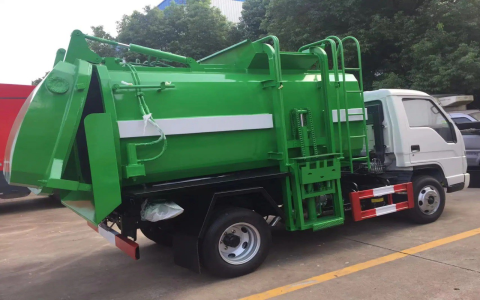
Front Loader Garbage Trucks: Key Features and How They Work
Front Loader Garbage Trucks: Key Features and How They Work
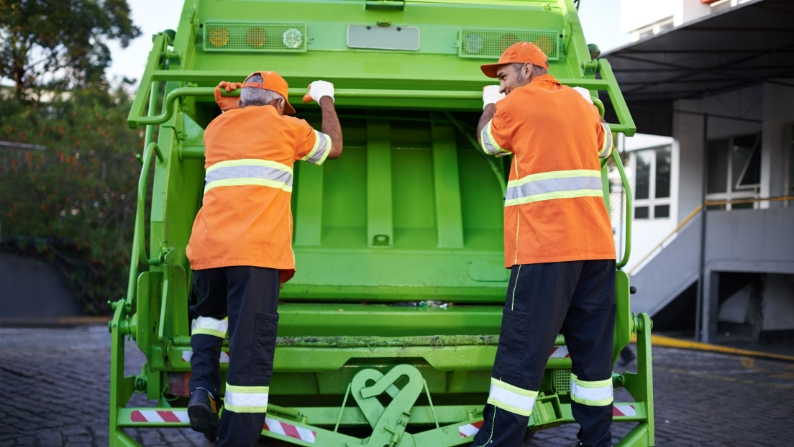
If you manage commercial waste collection or municipal sanitation services, you’ve likely considered investing in a front loader garbage truck. These heavy-duty vehicles are engineered for high-volume collection from large containers, commonly seen behind apartment complexes, restaurants, and industrial facilities. Unlike rear-loading or side-loading models, front loaders are built for strength and efficiency, featuring a hydraulic arm that lifts and empties commercial dumpsters from the front. In this detailed guide, we’ll break down exactly how these trucks operate, highlight their essential features, compare them with other waste collection vehicles, and provide expert tips for selecting the right model. By the end, you’ll understand why front loaders are a go-to solution for heavy-duty waste management.
How Front Loader Garbage Trucks Operate: A Step-by-Step Breakdown
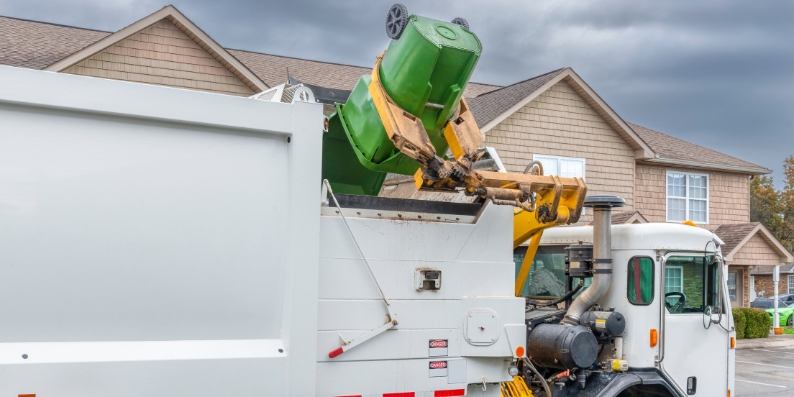
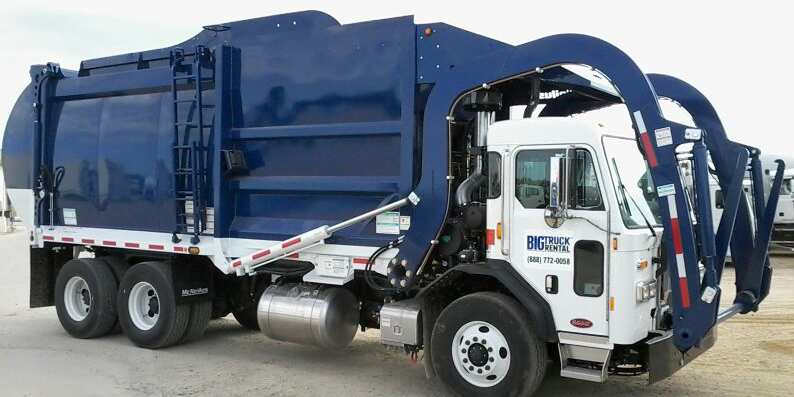
A front loader garbage truck is designed with a forward-mounted hydraulic arm and a large hopper for receiving waste. The process begins when the driver positions the truck in front of a commercial dumpster. Using controls inside the cab, the operator extends the hydraulic arms to grasp the container. The arms then lift the dumpster over the cab and tilt it into the hopper, allowing the trash to empty into the storage compartment. A powerful packing mechanism compacts the waste, maximizing the truck’s capacity. According to the U.S. Environmental Protection Agency (EPA), efficient compaction can reduce waste volume by up to 75%, allowing fewer trips to the landfill. Once the truck is full, it hauls the waste to a disposal site, where the hydraulic system pushes the compacted load out through the rear doors.

Key Components That Make Front Loaders Efficient
Understanding the main parts of a front loader garbage truck helps in evaluating its performance and durability. Here are the core components:
- Hydraulic Lift Arms: These heavy-duty arms are responsible for grabbing, lifting, and emptying dumpsters. They are built from high-tensile steel to withstand constant stress.
- Hopper and Blades: The hopper receives waste from the dumpster, while moving blades push the material into the main compartment.
- Compaction System: A hydraulic ram compresses the waste, significantly increasing payload capacity. This system is what allows front loaders to handle large volumes efficiently.
- Cab and Controls: Modern cabs feature ergonomic designs and intuitive control panels, allowing operators to manage the lifting and compacting processes safely.
- Storage Body: Typically made from reinforced steel, the body resists corrosion and damage from heavy or sharp debris.
These components work together to make front loaders ideal for commercial routes. For instance, a report by the Waste Advantage Magazine notes that front loaders can service up to 1,000 homes per day in dense urban settings, thanks to their rapid loading cycles.
Comparing Front Loaders with Other Waste Collection Trucks
When choosing a garbage truck, it’s essential to understand how front loaders stack up against rear loaders and side loaders. Each type has distinct advantages depending on the use case.
| Truck Type | Best For | Lift Mechanism | Typical Capacity |
|---|---|---|---|
| Front Loader | Commercial dumpsters | Front-mounted hydraulic arms | 30–40 cubic yards |
| Rear Loader | Residential curbside collection | Lift at the rear | 20–30 cubic yards |
| Side Loader | Narrow streets, automated collection | Mechanical arm on the side | 25–35 cubic yards |
Front loaders excel in commercial and industrial settings because they can handle large, heavy dumpsters quickly. In contrast, rear loaders are more common for residential routes where waste is collected manually from curbside cans. Side loaders offer a middle ground, often used in suburban areas with semi-automated collection. The choice ultimately depends on your specific operational needs.
Why Choose a Front Loader? Benefits for Your Business
Investing in a front loader garbage truck brings several advantages, especially for businesses focused on efficiency and cost-effectiveness.
- High Capacity: With compaction capabilities, these trucks can carry more waste per trip, reducing fuel and labor costs.
- Durability: Built to handle heavy loads, front loaders have longer service lives when properly maintained.
- Time Efficiency: The automated lift system minimizes manual labor, allowing one operator to manage the entire collection process.
- Versatility: They can service a wide range of container sizes, from 2-yard bins to 8-yard dumpsters.
John Miller, a waste management consultant with over 15 years of experience and a certified TESOL instructor for industry training programs, emphasizes that “front loaders are unmatched for commercial waste collection. Their combination of power, capacity, and operational speed makes them a worthwhile investment for any serious waste management fleet.”
Selecting the Right Front Loader: An Expert Buyer’s Guide
Purchasing a front loader garbage truck requires careful consideration of several factors. Start by assessing the typical volume and type of waste you collect. Heavier materials like construction debris may require a model with enhanced compaction and a reinforced body. Also, evaluate the truck’s lifting capacity—commercial dumpsters can weigh several thousand pounds when full.
Fuel efficiency is another key factor. Newer models often include diesel-electric hybrid systems that reduce emissions and operating costs. Additionally, check the availability of replacement parts and service support. For those looking for reliable and cost-effective options, Chinese Truck Factory offers a range of robust front loaders known for their durability and advanced features. Their models comply with international emission standards and come with comprehensive warranty packages.
Finally, consider the cab design and safety features. A comfortable, noise-insulated cab with easy-to-use controls can improve operator productivity and reduce fatigue during long shifts.
Frequently Asked Questions About Front Loader Garbage Trucks
Q: What is the average lifespan of a front loader garbage truck?
A: With regular maintenance, a front loader can last between 10 and 15 years. Factors like operating conditions, load frequency, and adherence to service schedules play a significant role in longevity.
Q: How much can a front loader compact waste?
A: compaction ratios vary, but most front loaders can reduce waste volume by 3:1 to 4:1. This means four loads of loose trash become one load after compaction.
Q: Are there specialized front loaders for recycling collection?
A: Yes, some front loaders are equipped with separate compartments for different types of recyclables. These models help streamline dual-stream or multi-stream recycling programs.
Q: Can I customize a front loader to fit specific route requirements?
A: Absolutely. Many manufacturers, including Chinese Truck Factory, offer customization options for body size, lift arm strength, and compaction mechanisms to suit unique operational needs.
Final Thoughts
Front loader garbage trucks are indispensable in modern waste management, offering power, efficiency, and versatility for commercial and industrial applications. From their robust hydraulic systems to their high-capacity compaction, these vehicles are engineered to handle the toughest collection tasks. By understanding their operation, benefits, and selection criteria, you can make an informed decision that enhances your fleet’s performance. Whether you’re upgrading an existing truck or adding a new one to your lineup, a well-chosen front loader will deliver reliable service for years to come.
Sources:
1. U.S. Environmental Protection Agency (EPA). “Sustainable Materials Management.”
2. Waste Advantage Magazine. “How Much Can a Garbage Truck Hold?”