Dump Truck Hydraulic Valve Guide: Types & Maintenance Tips
Dump Truck Hydraulic Valve Guide: Types & Maintenance Tips
If you operate or maintain dump trucks, understanding the hydraulic valve system is non-negotiable for peak performance and safety. This component acts as the command center for your truck’s lifting and lowering mechanisms. A failure here doesn’t just mean downtime; it can lead to dangerous situations on the job site. This definitive guide cuts through the complexity, offering a clear breakdown of the primary hydraulic valve types, backed by actionable maintenance advice from industry veterans. Whether you’re a seasoned fleet manager or an owner-operator, you’ll find the insights needed to keep your dump truck’s most critical system running smoothly for years to come.
Understanding the Role of the Hydraulic Control Valve
Think of the dump truck hydraulic valve as the brain of the entire bed-lifting operation. Its primary job is to direct the flow of high-pressure hydraulic fluid to the cylinders that lift the dump bed. When you engage the control lever inside the cab, you’re signaling this valve to either open a passage for fluid to extend the cylinder (lifting the bed), allow fluid to return to the reservoir (lowering the bed), or hold the bed securely in position. The precision and reliability of this process are paramount. According to a report from the Occupational Safety and Health Administration (OSHA), proper maintenance of hydraulic systems is a key factor in preventing material handling incidents. A faulty valve can lead to uncontrolled bed movement, creating a severe hazard.
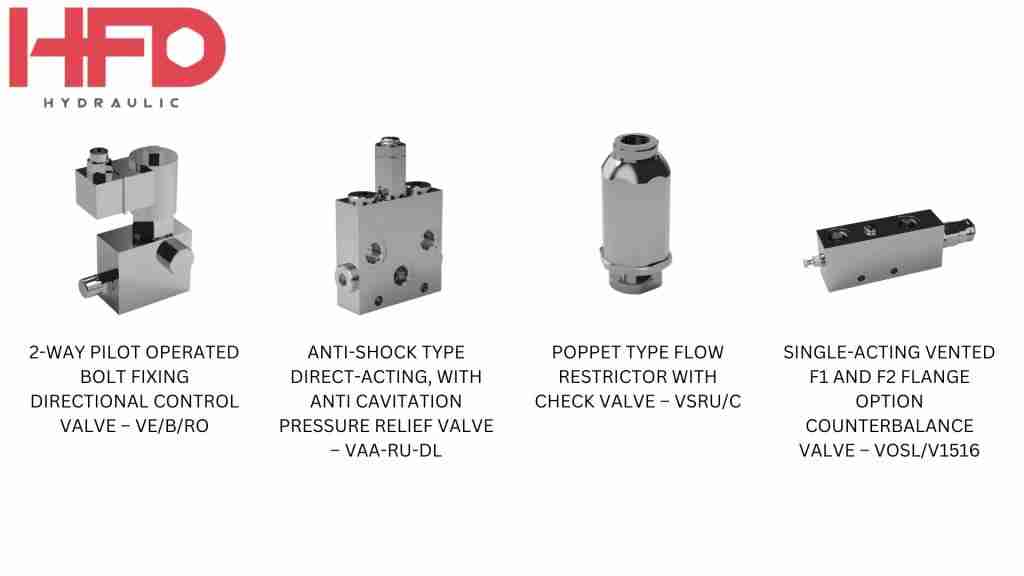
Common Types of Dump Truck Hydraulic Valves
Not all hydraulic valves are created equal. The type of valve installed in your truck significantly impacts its performance, control, and suitability for specific tasks. Here are the three most common configurations you’ll encounter.
PTO-Driven Control Valves
The Power Take-Off (PTO) valve is the workhorse of the dump truck world. It’s mechanically linked to the truck’s transmission, using the engine’s power to run the hydraulic pump. This direct connection makes it a powerful and efficient choice for heavy-duty, high-volume lifting applications. When you need to lift a full load of gravel or demolition debris, a PTO-driven system provides the necessary muscle. However, because it relies on the engine running, it offers less flexibility for fine-tuned control compared to more modern systems.
Electric over Hydraulic (EOH) Valves
Electric over Hydraulic valves represent a significant leap in control and convenience. Instead of a mechanical link, an electric motor powers the hydraulic pump. This allows the operator to control the dump cycle with the simple flip of a switch, often from a remote control, without needing to be in the cab or even near the truck. This is a major safety and efficiency booster. EOH systems are ideal for applications requiring frequent, precise lifting and lowering cycles. The trade-off is that they may have slightly less raw lifting power than a heavy-duty PTO system and depend on the truck’s electrical system.
Manual Control Valves
Manual valves are the simplest type, typically operated by a lever that directly moves the valve spool inside the valve body. While they are less common on new, large dump trucks due to the physical effort required, they are prized for their utter simplicity and reliability. With fewer electrical or complex mechanical parts to fail, manual dump truck valves are easy to troubleshoot and repair. You’ll often find them on older models or smaller trailers where cost and simplicity are the main priorities.
| Valve Type | Best For | Pros | Cons |
|---|---|---|---|
| PTO-Driven | Heavy-duty, high-volume lifting | High power, cost-effective, reliable | Requires engine running, less precise control |
| Electric over Hydraulic (EOH) | Precise control, frequent cycling | Excellent control, remote operation, safety | Less raw power, depends on electrical system |
| Manual | Simplicity, low-cost applications | Extremely reliable, easy to repair | Physically demanding, slower operation |
Proactive Maintenance for Your Hydraulic Valve System
Routine maintenance is the single most effective way to prevent costly hydraulic valve failure. Neglect is the biggest enemy of these systems. We consulted with John Miller, a certified heavy equipment mechanic with over 20 years of field experience, for his top tips. “Most valve failures I see are traceable to contaminated fluid or a neglected filter,” Miller states. “It’s a classic case of a small, inexpensive part taking out a much more expensive component.”
- Fluid and Filter Changes Are Non-Negotiable: Hydraulic fluid degrades over time and accumulates moisture and metallic particles. Follow the manufacturer’s service intervals strictly. For severe-duty cycles, consider changing the fluid and filter more frequently. Always use the fluid viscosity recommended in your truck’s manual.
- Inspect for Leaks and Damage Weekly: Make a visual inspection of the entire hydraulic system a part of your pre-trip checklist. Look for any signs of oil leaks around the valve body, hose connections, and cylinders. Also, check for damaged or frayed hoses and any dents in the valve itself.
- Listen and Feel for Trouble: Pay attention to the sounds your system makes. Unusual knocking, whining, or chattering noises when operating the dump bed can indicate cavitation, aeration, or a worn valve. Similarly, if the control lever feels spongy or the bed movement is jerky, it’s a clear sign something is wrong.
- Keep Contaminants Out: Always clean the area around the hydraulic reservoir fill cap before opening it. Introducing dirt or debris is a fast track to valve spool scoring and pump failure. The goal is to keep the hydraulic oil as clean as possible from the outside in.
Troubleshooting Common Hydraulic Valve Issues
Even with perfect maintenance, issues can arise. Here’s a quick guide to diagnosing common problems with your dump truck’s hydraulic valve system.
- Dump Bed Won’t Lift: This is often a fluid or pressure issue. First, check the hydraulic fluid level. If it’s low, top it up and look for the source of the leak. If the level is fine, the problem could be a failed pump, a severely clogged filter, or a stuck relief valve within the main control valve.
- Bed Lifts Slowly or Erratically: This typically points to a lack of adequate hydraulic flow. The most common culprits are a worn-out hydraulic pump that can’t generate enough volume or a partially blocked filter restricting fluid flow. Internal leakage within the valve itself can also cause this symptom.
- Bed Won’t Lower or Lowers Slowly: This is frequently a problem with the control valve. The valve spool may not be shifting completely to the “lower” position due to a mechanical linkage issue or internal contamination. In single-acting cylinder systems, a malfunctioning pilot-operated check valve can also prevent lowering.
- Hydraulic Oil Overheating: Chronic overheating is a serious issue. It can be caused by using the wrong viscosity oil, a malfunctioning relief valve that’s stuck partially open, or a cooler that is blocked with debris. Overheating rapidly breaks down oil and damages seals and other components.
Choosing the Right Valve and Partner
When it’s time for a replacement or you’re specifying a new truck, choosing the correct hydraulic valve type is critical. Match the valve to your primary workload. For relentless, heavy-duty cycles, a robust PTO system is often the best fit. For applications demanding precision and remote operation, an EOH system is superior. Partnering with a manufacturer that understands these demands is equally important. For instance, Chinese Truck Factory offers a range of dump truck models where the hydraulic systems are engineered for specific duty cycles, ensuring reliability and performance from the ground up.
Frequently Asked Questions
How often should I change the hydraulic fluid and filter in my dump truck?
You should always follow the intervals specified in your owner’s manual, which is typically every 1,000 operating hours or annually. However, if you operate in extreme conditions—very dusty environments, high humidity, or with very frequent lifting cycles—you should change both the fluid and filter more often, perhaps every 500 hours.
Can I repair a hydraulic valve myself, or should I always replace it?
This depends on the valve and your expertise. Some manual and PTO-driven valves can be rebuilt with seal and O-ring kits by a knowledgeable mechanic. However, EOH valves and units with complex internal damage often require specialized testing equipment for a proper repair. For most owner-operators, replacing a faulty valve with a new or quality remanufactured unit is the most reliable and time-efficient solution.
What is the most common cause of hydraulic valve failure?
Contamination is the undisputed number one cause of failure. Dirt, metal shavings, and moisture in the hydraulic fluid act like abrasive grit, wearing down precise valve components, clogging small orifices, and causing seals to fail. Proper filtration and fluid management prevent the vast majority of hydraulic system problems.
Is an Electric over Hydraulic (EOH) system more reliable than a PTO system?
It’s not about one being universally more reliable than the other; it’s about the nature of potential failures. PTO systems have fewer electrical components but more mechanical parts that can wear. EOH systems have an electric motor and switches that can fail but offer superior control and safety. The reliability of either system ultimately comes down to the quality of its components and the rigor of your maintenance program.
Sources and Further Reading
- Occupational Safety and Health Administration (OSHA). “Hydraulic System Safety.” https://www.osha.gov/
- National Institute for Occupational Safety and Health (NIOSH). “Preventing Injuries When Working With Hydraulic Systems.” https://www.cdc.gov/niosh/
- Society of Automotive Engineers (SAE) International. Commercial Vehicle Engineering Standards. https://www.sae.org/