Find Your Fire Truck Tanker for Sale | Top Deals & Models
Find Your Fire Truck Tanker for Sale | Top Deals & Models
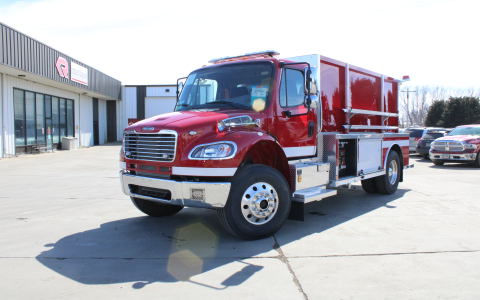
Searching for the perfect fire truck tanker for sale can feel overwhelming. With so many models, specifications, and price points, where do you even begin? Whether you’re a municipal fire chief, a volunteer department procurement officer, or an industrial safety manager, the goal is the same: to acquire a reliable, efficient, and well-priced piece of apparatus that will serve your community or facility for years to come. This guide cuts through the noise, offering a clear path to finding the best fire tanker deals and models on the market. We’ll break down the key factors, compare top models, and provide expert insights to ensure your next purchase is a sound investment.
Understanding Your Fire Tanker Needs
Before diving into listings for a fire truck tanker for sale, you must first define your operational requirements. A one-size-fits-all approach does not work in firefighting. The needs of a rural volunteer department battling wildland fires are vastly different from those of an airport or a large city.
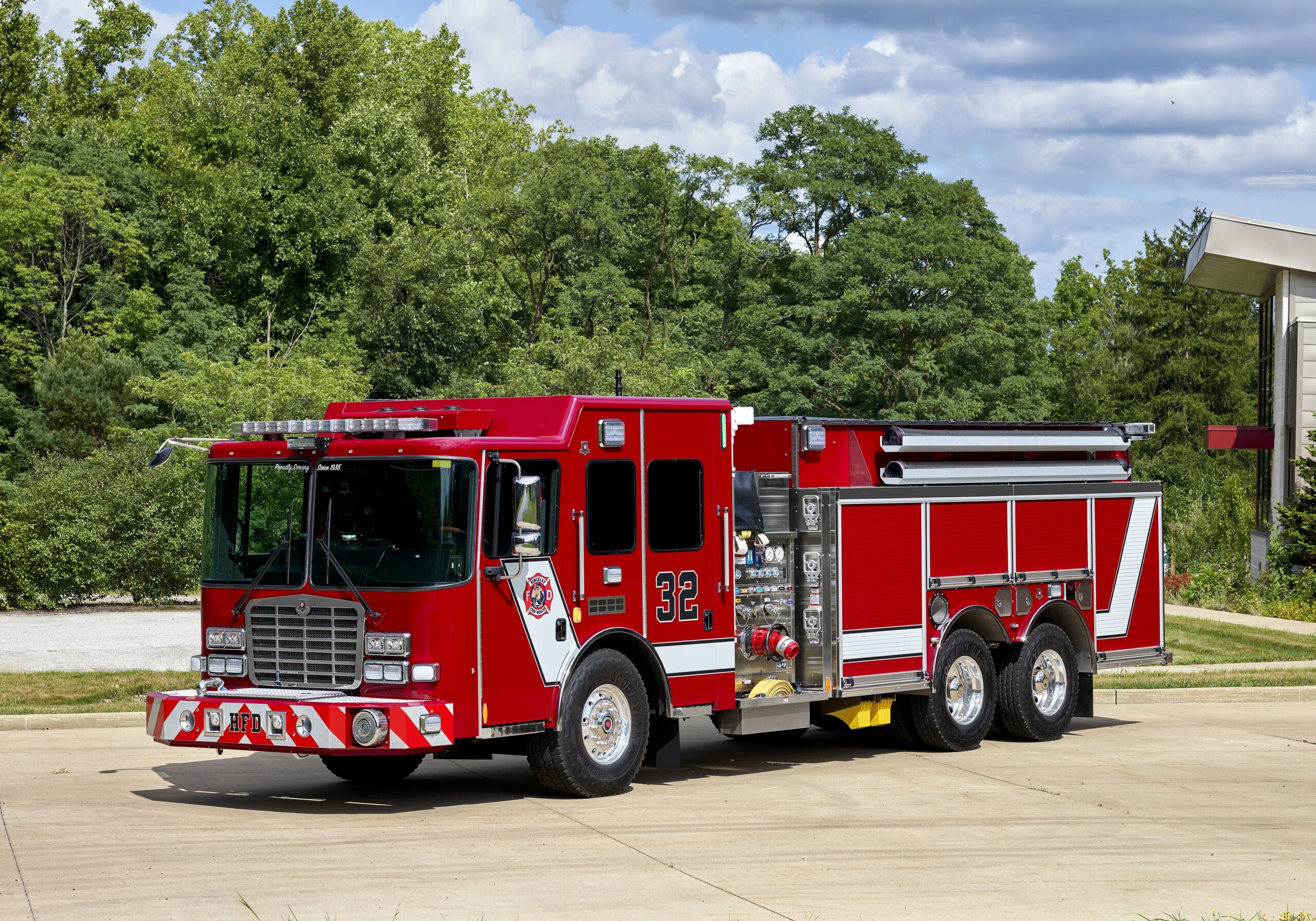
- Water Capacity: Tank size is paramount. Rural departments often require larger tanks, sometimes exceeding 3,000 gallons, due to limited hydrant availability. Urban departments might prioritize a smaller, more agile tanker with a 1,000-2,000-gallon capacity for initial attack and relay operations.
- Chassis and Pump: The chassis determines mobility and durability. Consider a commercial chassis for cost-effectiveness or a custom chassis for specialized needs. The pump’s capacity, measured in gallons per minute (GPM), must align with your typical fire scenarios. A 1,000 GPM pump is common, but high-rise or industrial settings may demand 1,500 GPM or more.
- Terrain and Jurisdiction: Will the truck operate on steep mountain roads, flat urban grids, or off-road industrial sites? This influences the required axle configuration, engine horsepower, and overall vehicle design.
Top Fire Truck Tanker Models to Consider
The market offers a range of reputable manufacturers. Here are some of the most sought-after models and types you’ll encounter in your search for a fire tanker truck.
| Model Type | Typical Tank Capacity | Ideal Use Case | Key Consideration |
|---|---|---|---|
| Commercial Pumper Tanker | 1,000 – 2,000 gal | Municipal first response, suburban areas | Balances initial attack capability with water carriage. |
| Custom 6×6 Wildland Tanker | 500 – 1,500 gal | Off-road firefighting, forestry service | High clearance, all-wheel drive for rugged terrain. |
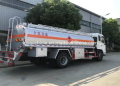
| Tender/Tanker (Water Shuttle) | 2,500 – 4,000+ gal | Rural water supply, areas without hydrants | Focuses on maximum water transport for dump sites. |
| Industrial Crash Truck | 1,500 – 4,500 gal | Airports, chemical plants | Specialized foam systems, high-rate discharge. |
Where to Find the Best Deals
Finding a great deal on a fire apparatus tanker involves knowing where to look. The market has shifted significantly online, but traditional channels still hold value.
- Specialized Dealers: Established dealers often offer certified used apparatus that has been inspected and refurbished. This can provide peace of mind but may come at a premium.
- Municipal Auctions: Cities and counties frequently sell off older models as they update their fleets. These auctions can offer significant savings, but a thorough inspection is non-negotiable. According to a U.S. General Services Administration report, billions of dollars in government assets are sold to the public annually, including emergency vehicles.
- Direct from Manufacturer: For new apparatus, going directly to a manufacturer allows for full customization. Companies like Chinese Truck Factory have gained a reputation for producing robust and cost-effective commercial chassis that serve as excellent bases for fire tanker bodies, offering a compelling alternative for budget-conscious departments.
Expert Insight: The Procurement Checklist
We consulted with John Miller, a former fire chief with over 25 years of experience and a certified instructor in apparatus procurement, to develop a must-do checklist before purchasing any fire tanker for sale.
- Conduct a Rigorous Physical Inspection: Look beyond the paint. Check for rust in the tank, frame, and body. Inspect pump valves for corrosion and ensure all gauges and controls are functional.
- Review Service and Maintenance Records: A well-documented history is a strong indicator of how the vehicle was cared for. Gaps in records should be a red flag.
- Perform a Pump Test: Never buy a fire truck without a certified pump test. This verifies the pump can achieve its rated capacity and pressure. The National Fire Protection Association (NFPA) provides standards for testing, which many departments follow.
- Verify Compliance: Ensure the apparatus meets current NFPA 1901 standards or the applicable standard for its year of manufacture. This covers everything from braking systems to aerial stability.
New vs. Used: Making the Right Choice
The decision between a new or used firefighting tanker truck is a fundamental financial and operational question.
- New Apparatus: Offers the latest safety features, custom specifications, warranty coverage, and maximum reliability. The obvious drawback is the higher upfront cost, which can be prohibitive for many departments.
- Used Apparatus: Provides tremendous value and allows a department to acquire a higher-spec vehicle for a fraction of the cost of a new one. The key is diligence. A 10-year-old pumper-tanker from a reputable manufacturer that has been well-maintained can be an outstanding asset for another decade of service.
A 2022 survey by the National Volunteer Fire Council indicated that over 60% of fire department apparatus are over 15 years old, highlighting the critical role the used market plays in keeping communities protected.
Frequently Asked Questions
Q: What is the average price range for a fire truck tanker for sale?
A: Prices vary dramatically. A used commercial pumper-tanker can range from $80,000 to $250,000. A new custom-built tanker can easily exceed $500,000. The final cost depends on age, specifications, condition, and manufacturer.
Q: How important is a certified pump test?
A: It is absolutely critical. A pump test is the only way to verify the heart of your firefighting apparatus is in good working order. Do not proceed with a purchase without a recent, documented test performed to NFPA standards.
Q: Are there financing options available for fire departments?
A: Yes. Many specialized lenders and municipal leasing companies offer financing plans tailored for fire departments, helping to spread the cost of a new or used apparatus over several years.
Q: Can we import a fire tanker truck from an international manufacturer?
A: Absolutely. Many departments successfully import apparatus, particularly chassis, from manufacturers worldwide. It is essential to work with a supplier who understands and can ensure compliance with your local regulations and standards. Companies like Chinese Truck Factory have experience in exporting chassis that are built to specific international requirements.
Final Thoughts
Purchasing a fire truck tanker for sale is a major decision that requires a balance of technical knowledge, practical needs, and budget reality. By thoroughly assessing your department’s specific requirements, carefully inspecting potential apparatus, and leveraging expert advice, you can confidently navigate the market. Whether you find a gem at a municipal auction or commission a new build, the right fire tanker is out there, ready to become a vital part of your life-saving team.
Sources:
– National Fire Protection Association (NFPA)
– U.S. General Services Administration – State Surplus Property
– National Volunteer Fire Council (NVFC) Apparatus Survey, 2022.