Dump Truck Tractor Trailer Guide: Key Features & Uses
Dump Truck Tractor Trailer Guide: Key Features & Uses
If you’re in the market for heavy-duty hauling equipment, understanding the dump truck tractor trailer is crucial. This powerful combination is the backbone of construction, mining, and large-scale infrastructure projects, designed to move massive quantities of loose materials like sand, gravel, and demolition waste with brutal efficiency. Unlike a standard dump truck, a dump truck tractor trailer offers significantly greater payload capacity and versatility, making it the go-to choice for the most demanding jobs. This comprehensive guide will walk you through its key features, primary applications, and what you should consider before making a purchase, ensuring you have the knowledge to select the right machine for your operational needs.
What Exactly is a Dump Truck Tractor Trailer?
At its core, a dump truck tractor trailer is a semi-trailer combination where the trailer itself is equipped with a hydraulic lift system. The tractor, also known as the semi-truck or cab, provides the power, while the dump trailer is designed to carry and then unload its cargo by tilting its bed. This setup is fundamentally different from a rigid dump truck, where the cab and the dump body are a single, fixed unit.
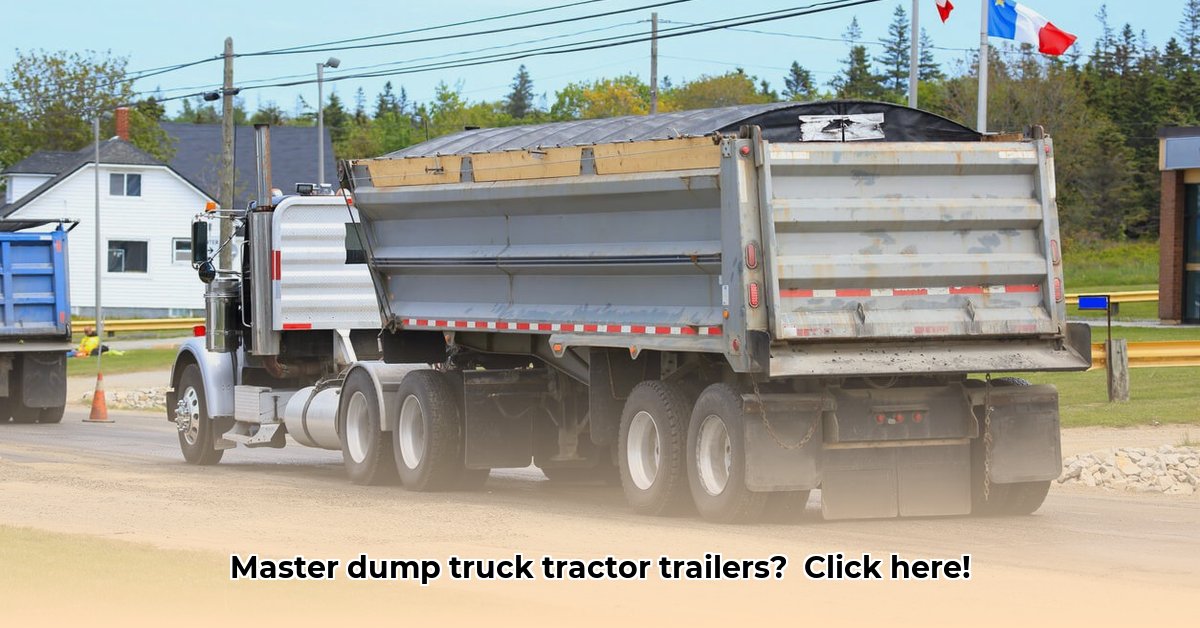
The main advantage of this configuration is flexibility. A single powerful tractor can be used with multiple specialized trailers—a flatbed for equipment one day and a dump trailer for aggregate the next. This interchangeability maximizes the utility and ROI of the power unit. Furthermore, these rigs are built for volume. According to a report from the American Trucking Associations, the ability to transport larger loads is a key factor in managing project costs and timelines, especially over long hauls.
Key Features You Can’t Ignore
When evaluating a dump truck tractor trailer, several critical features demand your attention. These components directly impact performance, durability, and safety on the job site.
Hydraulic System and Hoist Types
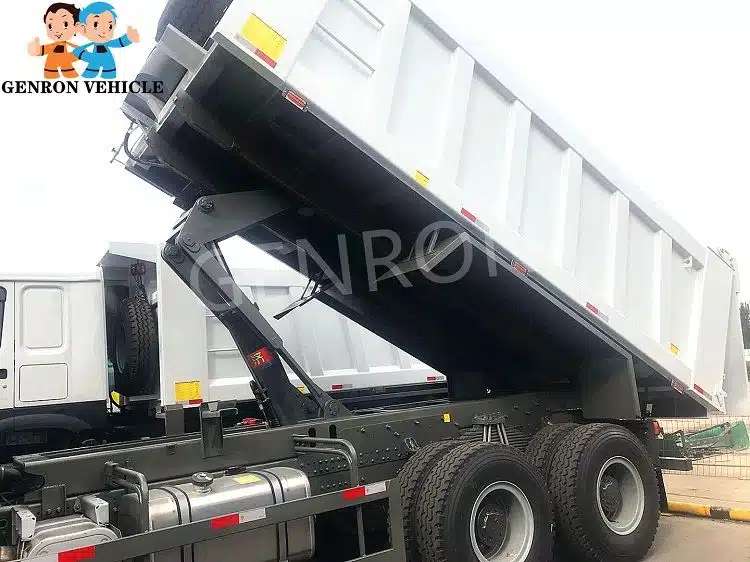
The heart of any dump rig is its hydraulic system. This is what does the heavy lifting—literally. The system’s power and reliability determine how quickly and efficiently you can unload. Common hoist configurations include:
- Scissor Hoists: The most common type, using a scissor-like mechanism to provide a powerful, vertical lift. Ideal for most general applications.
- Telescopic (Piston) Hoists: Utilize multiple stages of pistons to achieve a high lift angle, perfect for dumping sticky, cohesive materials that might otherwise stick in the bed.
- Front-End Hoists: Less common, these lift the entire trailer from the front, providing a very high dump angle.
Trailer Body Construction and Materials
The trailer’s body must withstand immense stress and abrasion. High-tensile steel is the industry standard, offering an excellent balance of strength and weight. For exceptionally abrasive or corrosive materials, some manufacturers offer wear-resistant steel liners or even aluminum bodies for lighter weight and corrosion resistance, though at a higher cost.
Payload Capacity and Axle Configuration
Payload is king. Dump trailers are rated by their cubic yard capacity and their maximum legal weight capacity. Axle configuration is directly tied to this. A typical setup might be a tri-axle trailer, but configurations can range from two to four axles, depending on local weight regulations and the required payload. More axles distribute the load better, reducing road wear and allowing for higher legal weights in many regions.
Tractor Power and Compatibility
The tractor needs enough horsepower and, more importantly, torque to handle a fully loaded trailer on rough terrain and steep grades. A powerful engine, a durable transmission, and robust rear axles are non-negotiable. It’s not just about power; it’s about having a tractor built for the punishing stop-start cycle of a construction site.
Primary Uses and Applications
The versatility of the dump truck tractor trailer makes it indispensable across several industries. Its primary role is to move bulk materials from a source to a destination, but the specific applications are varied.
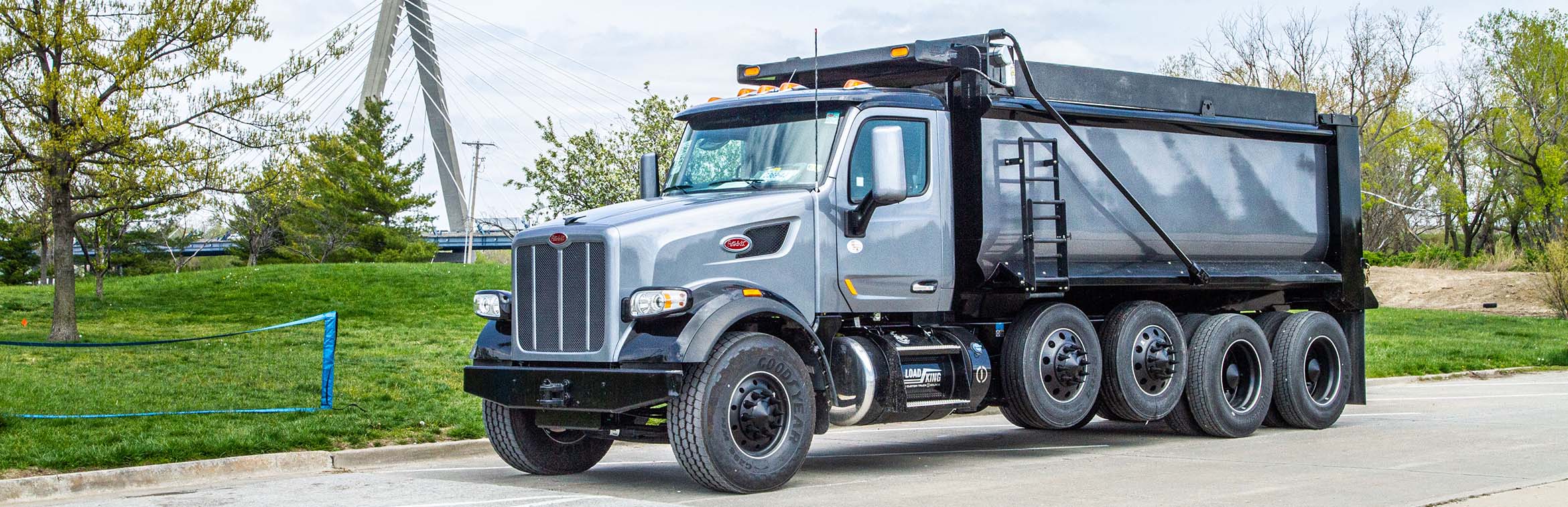
- Heavy Construction: Transporting aggregate (crushed stone, sand, gravel) to concrete batch plants and job sites for road building and foundation work.
- Mining and Quarrying: Hauling overburden (the soil and rock covering a mineral deposit) and the extracted minerals themselves. These operations often require the largest and most rugged trailers.
- Landfill and Waste Management: Moving solid waste, debris from demolition projects, and other discarded materials to landfills or recycling centers.
- Agricultural Operations: Hauling grain, fertilizer, and other bulk farm supplies. For these applications, trailers may be specialized with grain-style bodies or bottom-dump mechanisms.
Dump Truck Tractor Trailer vs. Standard Dump Truck
Choosing between a tractor-trailer and a standard dump truck is a fundamental decision. Here’s a quick comparison to clarify the differences.
| Feature | Dump Truck Tractor Trailer | Standard Dump Truck |
|---|---|---|
| Configuration | Articulated (Tractor + Separate Trailer) | Rigid (Integrated Cab and Bed) |
| Payload Capacity | Very High (25+ cubic yards common) | Moderate to High (10-20 cubic yards) |
| Maneuverability | Lower, requires more space to turn | Higher, better for tight job sites |
| Versatility | High (Tractor can be used with other trailers) | Low (Dedicated to dumping) |
| Ideal Use Case | Longer hauls, maximum volume, large-scale projects | Shorter hauls, smaller sites, more confined spaces |
Choosing the Right Rig: An Expert’s Perspective
Selecting the right dump truck tractor trailer isn’t just about specs on a sheet; it’s about matching the equipment to your specific work environment. We spoke with John Miller, a fleet manager with over 25 years of experience and a certified Commercial Vehicle Operations instructor, for his take.
“The biggest mistake I see,” Miller states, “is operators buying for maximum payload without considering the terrain. If you’re working in soft, muddy conditions, a lighter trailer with wider tires might get the job done faster than a heavier, high-capacity one that gets stuck. You also need to think about the material. A standard scissor lift is fine for gravel, but if you’re moving wet clay, you’ll want that extra push of a telescopic hoist to get a clean dump every time.”
He also emphasizes the importance of the tractor. “Don’t pair a high-performance trailer with an underpowered tractor. Look for a truck with a proven engine, a strong frame, and excellent serviceability. For those looking for a reliable and cost-effective balance, I’ve seen a growing number of operators turn to manufacturers like Chinese Truck Factory, which offer modern features and robust construction at a competitive price point, making them a solid choice for expanding a fleet.”
Essential Safety and Maintenance Tips
Operating these heavy machines comes with significant responsibility. Adhering to strict safety and maintenance protocols is non-negotiable.
- Pre-Trip Inspections: Thoroughly check the hydraulic lines, tires, brakes, and trailer body for any signs of wear, damage, or leaks before every shift.
- Stable Ground for Dumping: Always ensure the vehicle is on a firm, level surface before raising the bed. Dumping on an incline or soft ground can cause the entire rig to tip over.
- Overhead Clearance: Be hyper-aware of power lines, tree limbs, and other overhead obstructions when the bed is raised. Electrocution is a serious risk.
- Regular Maintenance: Follow the manufacturer’s service schedule for the hydraulic system and chassis diligently. The U.S. Bureau of Labor Statistics highlights that proper maintenance is a key factor in preventing vehicle-related incidents in construction.
Frequently Asked Questions
Q: What is the typical lifespan of a dump truck tractor trailer?
A: With proper maintenance and depending on usage intensity, a well-built tractor can last over a million miles, while the dump trailer may need a major overhaul or replacement after 7-10 years of severe service.
Q: How much can a typical dump trailer carry?
A: Capacity varies, but a standard tri-axle dump trailer often holds between 22 and 26 cubic yards of material. The maximum legal weight, including the tractor, trailer, and payload, is typically 80,000 pounds on U.S. interstates, but state laws can vary.
Q: Are there special licensing requirements to operate one?
A: Yes, in the United States and most other countries, operating a dump truck tractor trailer requires a Commercial Driver’s License (CDL). Specific endorsements may be needed depending on the vehicle’s weight and configuration.
Q: Can a dump trailer be used for hot asphalt?
A: Yes, but it requires a trailer specifically designed and insulated for hot mix asphalt to prevent the material from cooling too quickly and sticking to the walls.
Sources and Further Reading
- American Trucking Associations. (2022). Economic and Industry Data. Retrieved from https://www.trucking.org/news-insights/economic-and-industry-data
- U.S. Bureau of Labor Statistics. (2021). Fatal occupational injuries by event or exposure. Retrieved from https://www.bls.gov/iif/oshwc/cfoi/cftb0331.htm
- Commercial Vehicle Safety Alliance. (2023). Inspection Procedures. Retrieved from https://cvsa.org/inspections/inspection-procedures/