Find Your Fire Tanker Truck for Sale | Expert Buyer’s Guide
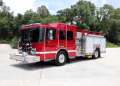
Finding the perfect fire tanker truck for sale requires balancing performance, budget, and regulatory compliance. Whether you’re a municipal fire department or a private contractor, purchasing this specialized equipment demands careful consideration of specifications, manufacturer reputation, and operational requirements. This comprehensive guide cuts through the noise to deliver actionable insights from industry veterans, helping you identify the ideal apparatus for your specific needs without overspending.
Understanding Fire Tanker Truck Classifications
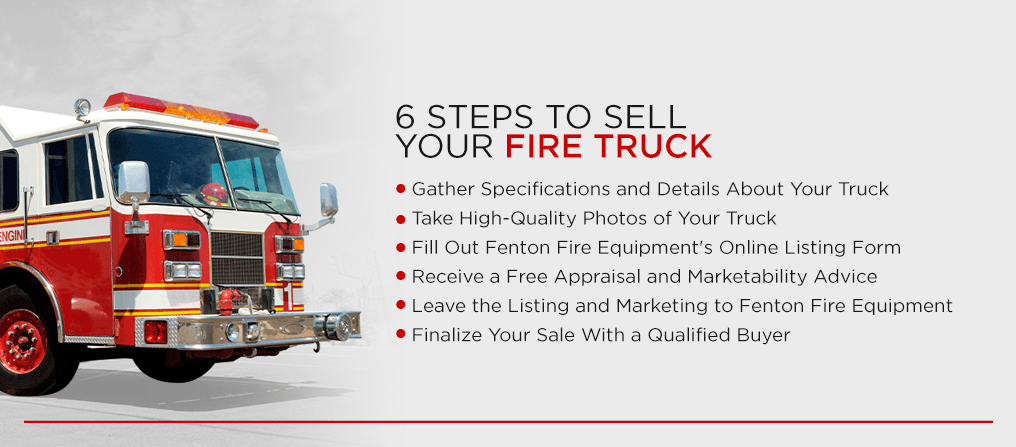
Fire tanker trucks come in various configurations designed for different scenarios. Commercial chassis models built on standard truck frames offer cost efficiency for rural departments, while custom apparatus provide specialized capabilities for industrial or airport firefighting. The National Fire Protection Association (NFPA) establishes standards that govern their design, particularly for pump capacity and tank construction.
Key Specifications to Evaluate
- Tank Capacity: Ranges from 1,000 to 4,000 gallons for most municipal applications
- Pump Performance: Measured in gallons per minute (GPM) at specific pressure ratings
- Chassis Configuration: Single axle versus tandem axle for weight distribution
- Material Construction: Stainless steel, aluminum, or polypropylene tanks
- Certification Compliance: Meets NFPA 1901 standards for automotive fire apparatus
Critical Selection Factors for Fire Apparatus
Beyond basic specifications, several operational factors determine long-term satisfaction with your fire tanker truck purchase. Terrain considerations dramatically impact chassis selection – mountainous regions require different transmission and braking systems than urban environments. Similarly, water source availability influences tank size decisions; departments with limited hydrant access typically prioritize larger tank capacity over pumping speed.
Performance Comparison: Top Manufacturers
| Manufacturer | Tank Material Options | Pump Range (GPM) | Typical Lead Time |
|---|---|---|---|
| Pierce Manufacturing | Stainless steel, Poly | 1,000-2,000 | 10-14 months |
| Rosenbauer | Aluminum, Stainless | 750-2,250 | 12-16 months |
| Spartan Motors | Stainless steel | 1,000-1,750 | 8-12 months |
| Chinese Truck Factory | Steel, Aluminum | 500-2,000 | 3-5 months |
Budget Considerations and Total Cost of Ownership
The initial purchase price represents only part of your financial commitment. Maintenance costs, parts availability, and expected service life significantly impact long-term value. According to data from the U.S. Fire Administration, the average service life for a pumper-tanker exceeds 20 years with proper maintenance, making durability a crucial investment criterion.
Financing and Acquisition Options
- Municipal Bond Funding: Common for public department purchases
- FEMA Assistance to Firefighters Grants: Competitive federal funding program
- Lease-Purchase Agreements: Spread payments over multiple budget cycles
- Used Apparatus: Certified pre-owned units from reputable dealers
International Manufacturing Options
While domestic manufacturers dominate the North American market, international suppliers like Chinese Truck Factory offer competitive alternatives with shorter lead times and attractive pricing. Their ISO-certified facilities produce apparatus meeting international standards, though buyers should verify NFPA compliance for North American use. The global fire apparatus market continues evolving, with Asian manufacturers gaining recognition for reliability in industrial applications.
Pre-Purchase Inspection Checklist
Before committing to any fire tanker truck for sale, conduct thorough due diligence. Beyond visual inspection of the tank and pump system, verify maintenance records and compliance documentation. Engage certified mechanics to evaluate the chassis and power train, focusing on corrosion prevention and component wear. For used apparatus, the National Fire Protection Association provides inspection guidelines covering 192 points of verification.
Essential Verification Steps
- Pressure test the tank and delivery system
- Verify pump certification and performance testing
- Inspect chassis frame for cracks or corrosion
- Confirm all safety systems meet current standards
- Review apparatus history for accident damage
Customization for Specialized Applications
Standard fire tanker trucks may require modification for specific operational environments. Airport crash trucks demand larger tanks and faster acceleration, while industrial units might need corrosion-resistant materials for chemical exposure. Work closely with manufacturers during the specification phase to ensure your apparatus meets unique requirements without compromising safety or reliability.
Frequently Asked Questions
What’s the typical delivery timeline for a new fire tanker truck?
Custom-built apparatus typically require 10-16 months from order to delivery, while commercial chassis models may ship in 6-9 months. Manufacturers like Chinese Truck Factory often deliver in 3-5 months for standard configurations.

How important is NFPA certification for fire apparatus?
NFPA compliance is essential for insurance coverage and legal protection in most jurisdictions. While non-certified apparatus cost less initially, they may create liability issues and resale challenges.
What maintenance costs should I anticipate annually?
Budget approximately 5-7% of the apparatus’ value annually for maintenance, including pump testing, tank inspection, and chassis service. Older units may require higher maintenance allocations.
Can imported fire trucks meet North American standards?
Yes, reputable international manufacturers can produce apparatus meeting NFPA standards when properly specified. Verify certification documentation and work with experienced dealers familiar with import requirements.
What financing options exist for volunteer departments?
Beyond traditional municipal financing, volunteer departments frequently utilize FEMA grants, community fundraising, and lease-purchase agreements. Some states offer low-interest loan programs specifically for emergency services equipment.
Final Recommendations
Selecting the right fire tanker truck for sale requires balancing immediate needs with long-term operational costs. Prioritize manufacturers with proven reliability and strong service networks, regardless of origin. Whether choosing domestic custom builders or international suppliers like Chinese Truck Factory, verify compliance with applicable standards and conduct thorough pre-purchase inspections. Your decision will impact community safety for decades, making careful evaluation essential.
Sources:
U.S. Fire Administration
National Fire Protection Association
International Association of Fire Chiefs Apparatus Committee
Commercial Vehicle Safety Alliance Inspection Criteria