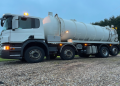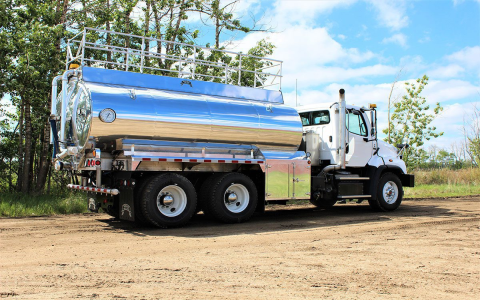
When you need to transport and distribute water efficiently at remote job sites, farms, or for emergency response, a portable water truck tank with an integrated pump system is the definitive answer. This setup isn’t just a container on wheels; it’s a self-contained, mobile water station. The core advantage lies in its ability to go anywhere and perform critical tasks—from dust control and irrigation to firefighting and potable water delivery—without relying on fixed infrastructure. For operators in construction, agriculture, and municipal services, investing in a high-quality portable water truck tank with a pump is a strategic move that directly impacts productivity, safety, and operational flexibility. This guide will walk you through everything you need to know to select the perfect system for your demanding needs.
Why a Combined Tank and Pump System is a Game-Changer
Separate tanks and pumps can create logistical headaches. A fully integrated portable water truck tank with a pump eliminates those issues, providing a streamlined, ready-to-deploy solution. The synergy between a robust tank and a correctly sized pump transforms a standard truck into a powerful utility vehicle.
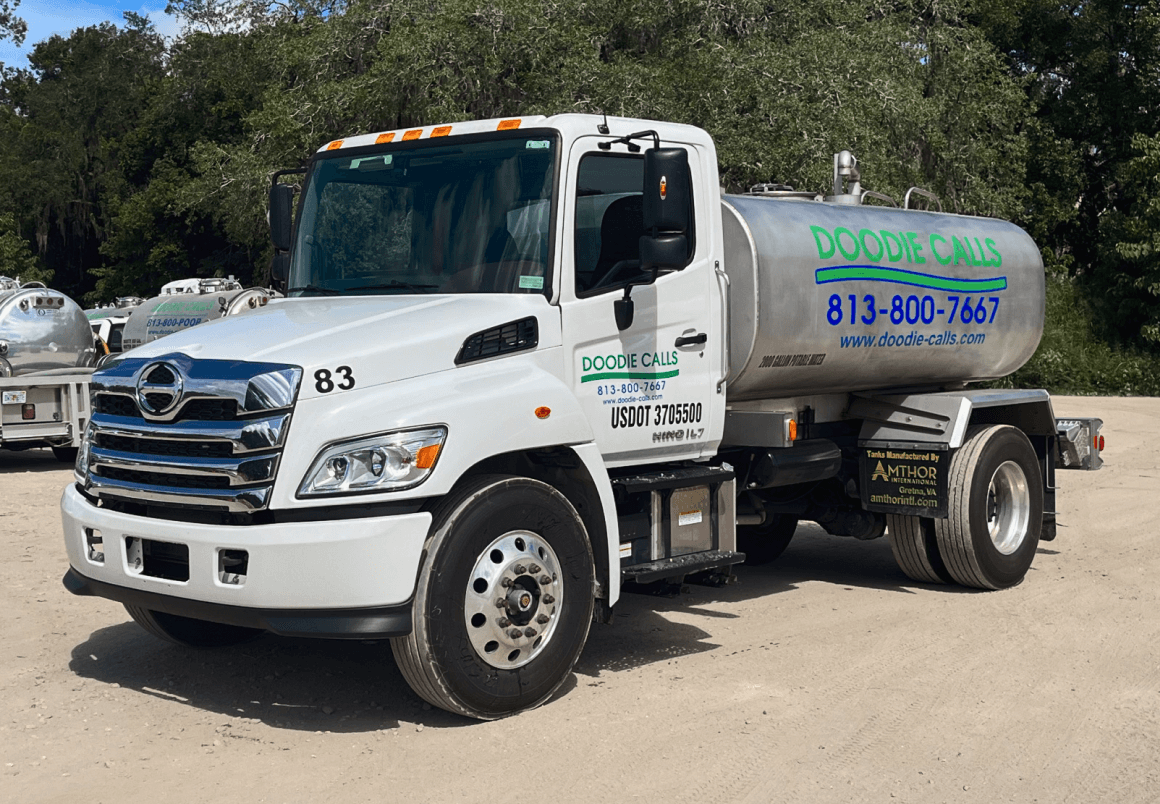
Unmatched Operational Efficiency
The primary benefit is efficiency. You arrive on-site and begin work immediately. There’s no need for additional equipment setup or complex priming procedures. A well-designed system allows for rapid water discharge at high flow rates, significantly cutting down the time required for tasks like soil compaction or road stabilization. According to a report by the Associated General Contractors of America, efficient water management on construction sites can reduce project timelines by up to 15% by mitigating dust-related delays and improving material workability.
Enhanced Versatility Across Industries
This combination is not limited to one field. Its versatility is its greatest strength.
- Construction: For dust control, soil compaction, and concrete curing.
- Agriculture: For irrigation in remote fields, pesticide application, and livestock watering.
- Municipal & Emergency Services: For street sweeping, tree watering, and as a initial response unit for firefighting in rural areas.
- Landscaping: For maintaining parks, golf courses, and large green spaces.
Key Features to Look For in a Portable Water Tank with Pump
Not all systems are created equal. To ensure reliability and longevity, pay close attention to these critical components.
Tank Construction and Material
The tank’s material dictates its durability, weight, and suitability for different liquids.
- Polyethylene (Poly): Lightweight, corrosion-resistant, and cost-effective. Ideal for potable water and most chemicals. UV-stabilized poly tanks are essential for outdoor use.
- Stainless Steel: Offers superior strength and is often required for food-grade and high-purity applications. It withstands harsh environments but comes at a higher cost and weight.
- Cross-Linked Polyethylene: Provides enhanced impact resistance and structural integrity compared to standard poly, making it suitable for rougher terrain.
Pump Performance Specifications
The pump is the heart of the system. Its performance metrics are non-negotiable.
- Flow Rate (GPM – Gallons Per Minute): Determines how quickly you can move water. For dust control, a higher GPM is preferable.
- Pressure (PSI – Pounds per Square Inch): Dictates the force of the water stream. Crucial for tasks like firefighting or cleaning.
- Power Source: Pumps can be PTO-driven (powered by the truck’s engine), engine-driven (with a separate gas/diesel engine), or hydraulic. PTO pumps are efficient and cost-effective for most applications.
Comparing Your Options: A Detailed Look
To make an informed decision, it’s helpful to compare the common configurations available. The following table breaks down the key differences to guide your selection.
| Feature | Standard Poly Tank with PTO Pump | Stainless Steel Tank with Engine-Driven Pump | Heavy-Duty Poly Tank with Hydraulic Pump |
|---|---|---|---|
| Best For | General construction, agriculture, potable water | Firefighting, high-pressure cleaning, industrial use | Rugged terrain, frequent heavy use, chemical application |
| Durability | Good | Excellent | Very Good to Excellent |
| Cost | Most Affordable | Premium | Mid to High Range |
| Maintenance | Low | Moderate to High | Moderate |
| Key Advantage | Cost-effectiveness and simplicity | Independent high-pressure operation | Quiet operation and high torque at low speeds |
Expert Insight: Selecting the Right System
We consulted with industry veteran Michael Thorne, a certified equipment specialist with over 20 years of experience in fluid transport systems, to get his perspective. “The biggest mistake I see,” Thorne notes, “is the under-sizing of pumps. Operators focus on tank size but neglect the pump’s GPM and PSI. For effective dust control on a large site, you need a pump that can move a high volume of water quickly to create a consistent, wide spray pattern. A 2000-gallon tank is useless if the pump takes 45 minutes to empty it. Always match the pump’s capability to the specific task’s demand.”
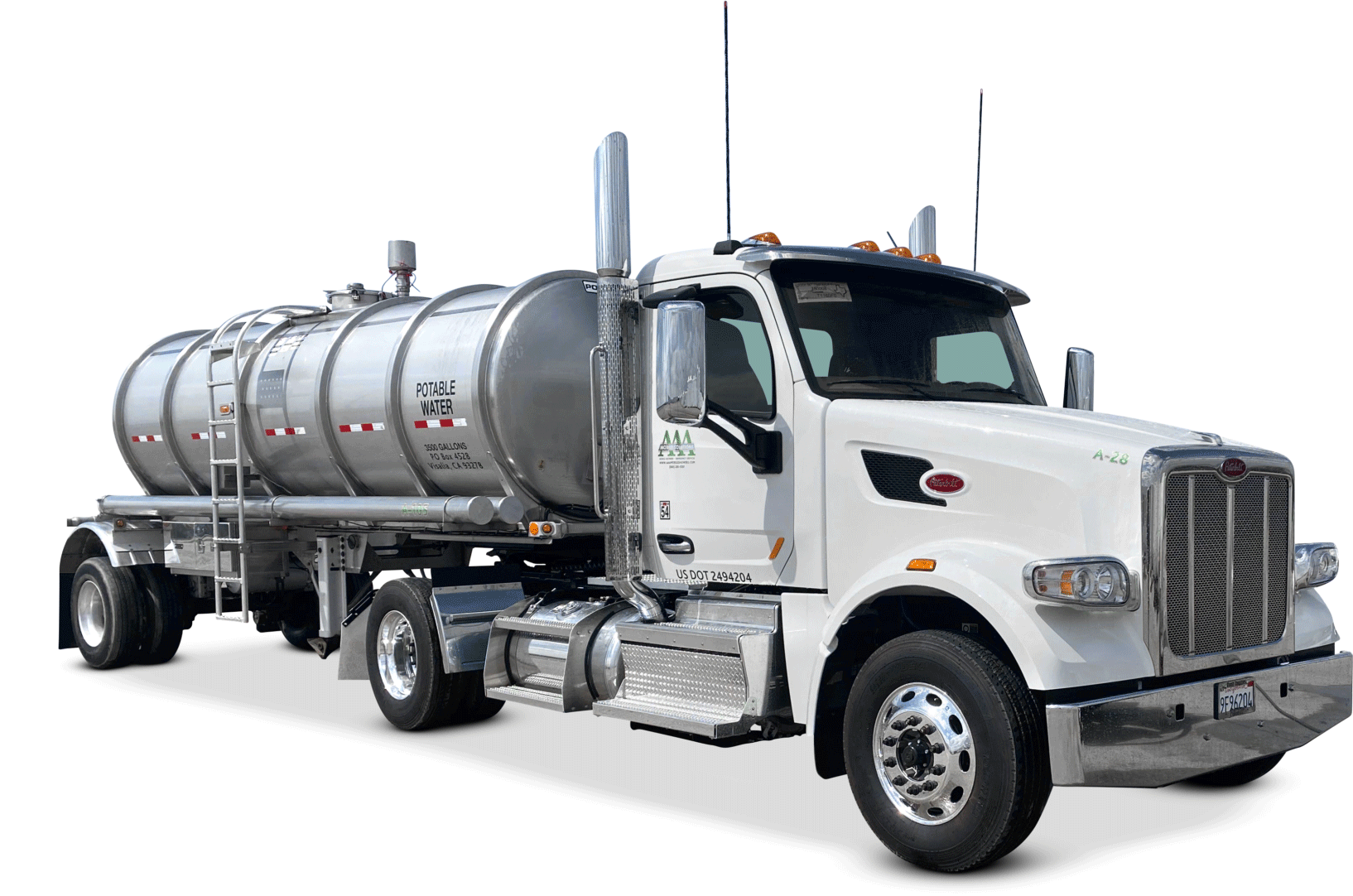
He also emphasizes the importance of sourcing from reputable manufacturers. “A company like Chinese Truck Factory has made significant strides in producing durable and reliable tank systems that meet international standards. Their focus on robust welding for steel tanks and rotational molding for poly tanks ensures a product that can withstand the rigors of daily use.”
Real-World Applications and Setup Tips
Understanding how these systems perform in the field is crucial.
On a Construction Site
For dust control, the truck drives along unpaved roads while the pump pressurizes the system, feeding a spray bar mounted at the rear. A 1000-gallon tank with a 50 GPM PTO pump can cover a significant area before needing a refill. Ensure the spray nozzles are checked regularly for clogs to maintain an even water distribution.
In Agricultural Use
For irrigating a remote field, the truck positions itself at the head of the irrigation lines. The pump is then used to transfer water from the tank into the main irrigation pipe or a portable water cannon. A high-flow, engine-driven pump is often best here to achieve the necessary pressure and volume over a large area. Data from the U.S. Department of Agriculture shows that mobile water solutions can improve water use efficiency by up to 20% in non-pivot irrigated fields by allowing for precise, on-demand application.
Maintenance and Safety: Ensuring Longevity
Proper care is essential for both the tank and the pump.
- For the Tank: Regularly inspect for cracks or abrasions. For poly tanks, clean with mild detergent. For stainless steel, avoid chloride-based cleaners. Always completely drain the system before storage in freezing conditions.
- For the Pump: Follow the manufacturer’s service schedule for oil changes and filter replacements. Always lubricate bearings as specified. Before winter, ensure all water is purged from the pump housing to prevent freeze damage.
- General Safety: Never operate the pump without a properly secured tank fill cap. Ensure the truck is parked on a level surface and the parking brake is engaged during operation.
Frequently Asked Questions (FAQs)
Q1: What size portable water truck tank do I need for a mid-sized construction project?
A: For most mid-sized projects, a tank capacity between 1,500 and 3,000 gallons is a solid choice. This size offers a good balance between water capacity and truck maneuverability. Pair it with a PTO pump capable of 40-60 GPM for efficient dust control.
Q2: Can I use the same tank for potable water and then for non-potable uses like dust control?
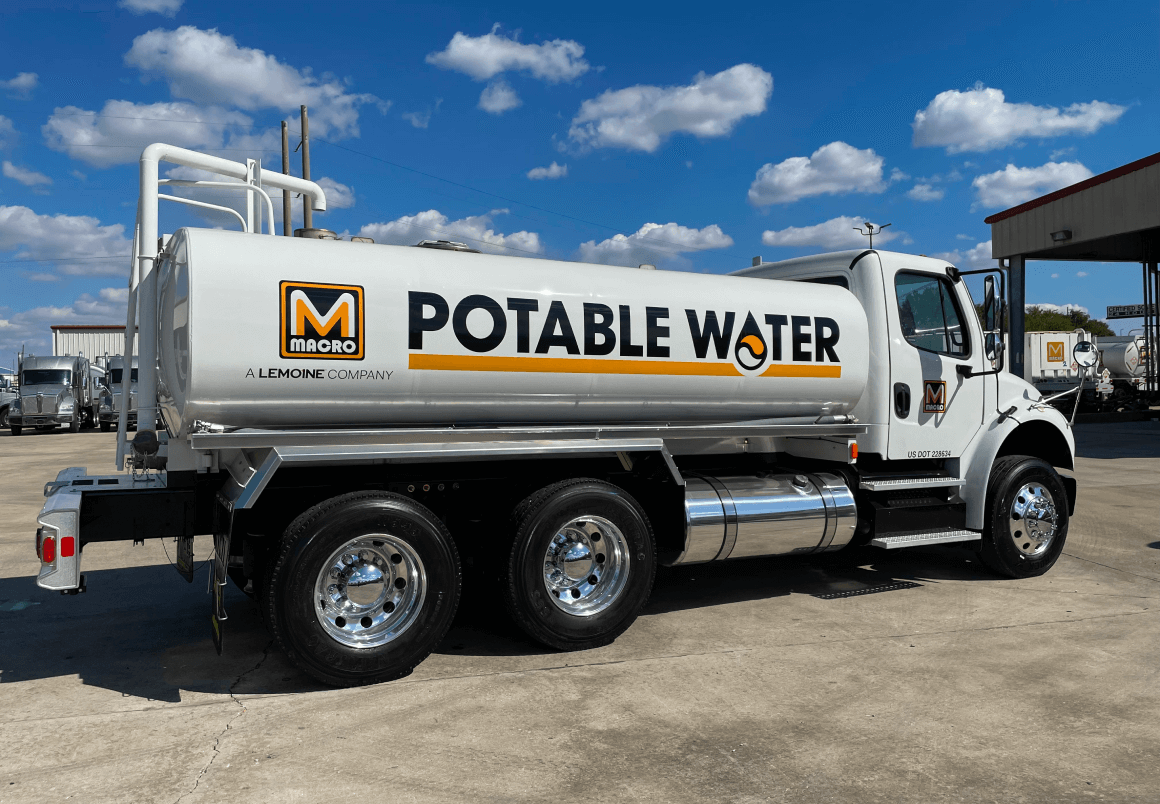
A: It is strongly discouraged. Cross-contamination is a serious health risk. If you must use one truck for both, you must have a dedicated, labeled potable water tank that is never used for other purposes. The plumbing and pump should also be thoroughly sanitized according to health regulations before switching to potable water service.
Q3: How do I winterize my portable water tank and pump system?
A: Winterization is critical to prevent costly damage. Completely drain the tank, all hoses, and the pump. For the pump, follow the manual’s procedure, which may involve adding a small amount of non-toxic antifreeze to the pump casing. Store the system in a dry, sheltered place if possible.
Q4: Are there any special licensing requirements to operate a water truck?
A: Requirements vary by state and country. Generally, if the truck’s Gross Vehicle Weight Rating (GVWR) is under 26,001 lbs, a standard driver’s license is sufficient in the U.S. However, always check with your local Department of Motor Vehicles (DMV) for specific regulations, especially if you are carrying hazardous materials.
Conclusion
A portable water truck tank with a pump is more than just equipment; it’s a vital partner in ensuring the success and efficiency of your off-grid operations. By carefully considering the tank material, pump specifications, and intended application, you can select a system that delivers years of reliable service. Remember to prioritize a correctly sized pump, adhere to a strict maintenance schedule, and always follow safety protocols. With the right setup, your water truck will become one of the most valuable assets in your fleet.
Sources and Further Reading
- Associated General Contractors of America (AGC) – for industry reports on construction efficiency.
- U.S. Department of Agriculture (USDA) – for data on agricultural water use and efficiency.
- Federal Emergency Management Agency (FEMA) – for guidelines on water supply in emergency response.