Can You Lease a Dump Truck? A Complete Guide to Leasing
If you’re in construction, landscaping, or any industry requiring heavy hauling, you’ve likely asked: can you lease a dump truck? The straightforward answer is yes, dump truck leasing is a common and flexible solution for businesses seeking operational equipment without the substantial upfront investment of purchasing. This comprehensive guide explores the intricacies of dump truck leasing, helping you determine if it’s the right financial move for your company. We’ll break down the lease types, costs, and critical factors to consider before signing an agreement, providing a clear roadmap for securing the heavy-duty equipment you need.
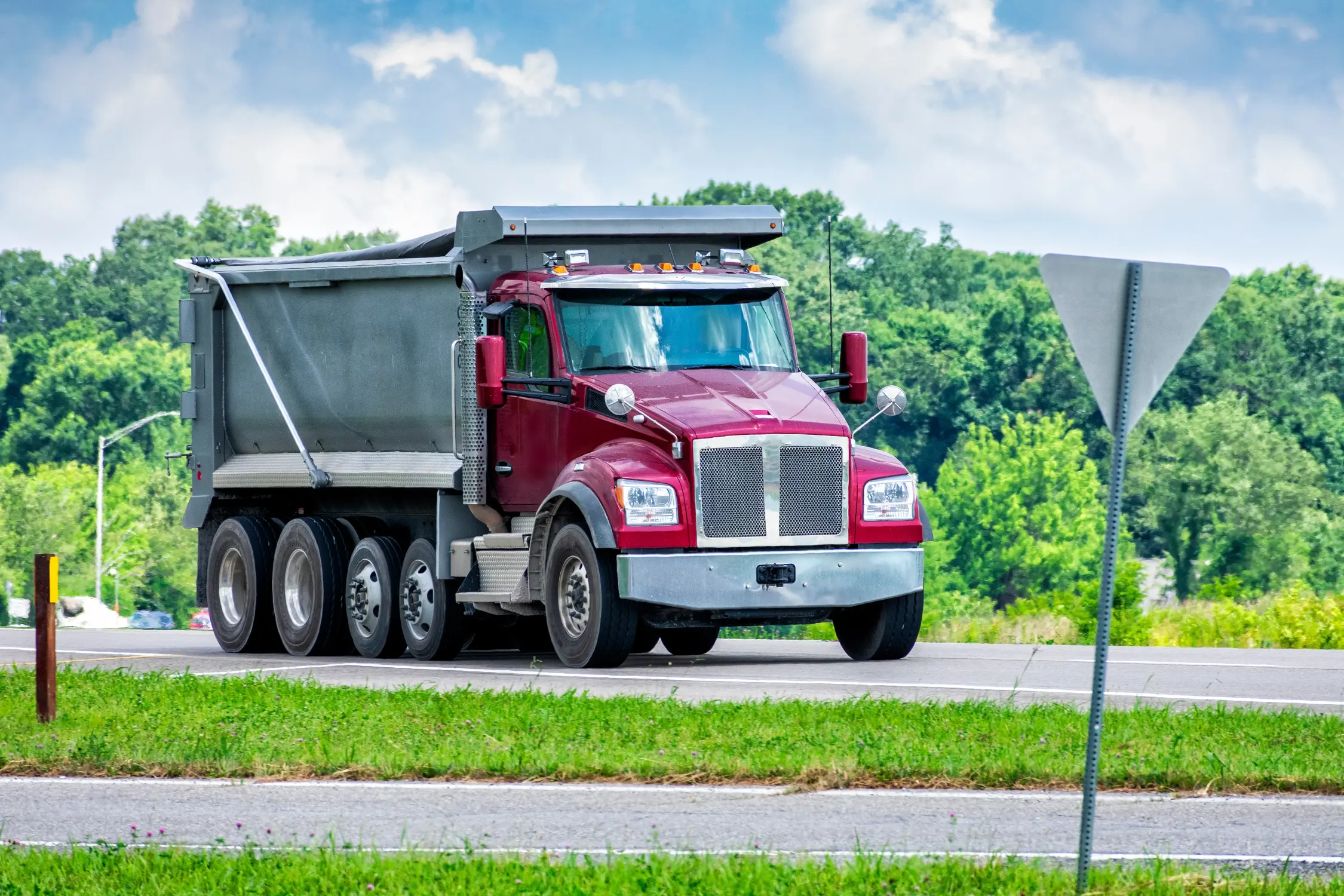
Understanding Dump Truck Leasing Options
Leasing a dump truck isn’t a one-size-fits-all process. The industry offers several lease structures tailored to different business needs and financial situations. Understanding these options is the first step toward making an informed decision.
Finance Lease (Capital Lease)
A finance lease, often called a capital lease, functions similarly to a loan. You make regular monthly payments over the lease term, typically three to seven years. At the end of the agreement, you often have the option to purchase the truck for a predetermined price, usually a nominal “bargain purchase” amount. This model is ideal if you intend to own the asset eventually and want to build equity.
Operating Lease
An operating lease is more like a long-term rental. You use the dump truck for the lease period but have no obligation or option to buy it at the end. Payments are generally treated as an operating expense, which can offer tax advantages. This is a superb choice for businesses that need a truck for a specific project or want to avoid the risks of owning an aging asset and dealing with its eventual disposal.
Walk-Away Lease
This is a type of operating lease where you simply return the equipment at the end of the term with no further obligations, provided you’ve adhered to the agreed-upon mileage and maintenance terms. It offers maximum flexibility.
Leasing vs. Buying a Dump Truck: A Side-by-Side Comparison
Choosing between leasing and buying a dump truck depends heavily on your company’s cash flow, tax situation, and long-term equipment strategy. Here’s a clear comparison to help you weigh the pros and cons.
| Factor | Leasing | Buying |
|---|---|---|
| Upfront Cost | Low. Typically requires a small security deposit and first month’s payment. | High. Requires a large down payment, often 10-30% of the truck’s cost. |
| Monthly Payments | Generally lower than loan payments, preserving working capital. | Higher monthly loan payments. |
| Ownership | You do not own the asset unless you have a purchase option. | You own the asset and build equity. |
| Maintenance & Repairs | Often included in “full-service” leases, reducing unexpected costs. | You are fully responsible for all maintenance and repair costs. |
| Tax Benefits | Lease payments may be fully deductible as a business expense. | You can depreciate the asset and deduct interest on the loan. |
| Technology & Obsolescence | Easy to upgrade to newer, more efficient models at the end of the lease term. | Risk of owning outdated technology; harder to upgrade. |
| Balance Sheet Impact | An operating lease may be considered an off-balance-sheet expense. | The asset and liability appear on your balance sheet. |
Key Factors to Consider Before You Lease
Before you commit to a dump truck lease agreement, several critical factors demand your attention. Overlooking these can lead to unexpected costs and operational headaches.
- Lease Term: Match the lease duration to your project timeline or the expected reliable lifespan of the truck model. A typical lease term is 36 to 60 months.
- Mileage Caps and Overage Fees: Leases often include annual mileage limits. Exceeding these limits can result in hefty overage charges. Be realistic about your expected usage.
- Maintenance and Repair Responsibilities: Clarify who is responsible for routine maintenance, tires, and unexpected repairs. A full-service lease bundles these costs, while a net lease leaves them to you.
- Insurance Requirements: You will be required to carry a specific level of liability and physical damage insurance on the leased vehicle, which can be a significant cost.
- Early Termination Clauses: Understand the financial penalties for ending the lease early. Business needs can change, and a prohibitive termination fee can be a major burden.
The Real Cost of Leasing a Dump Truck
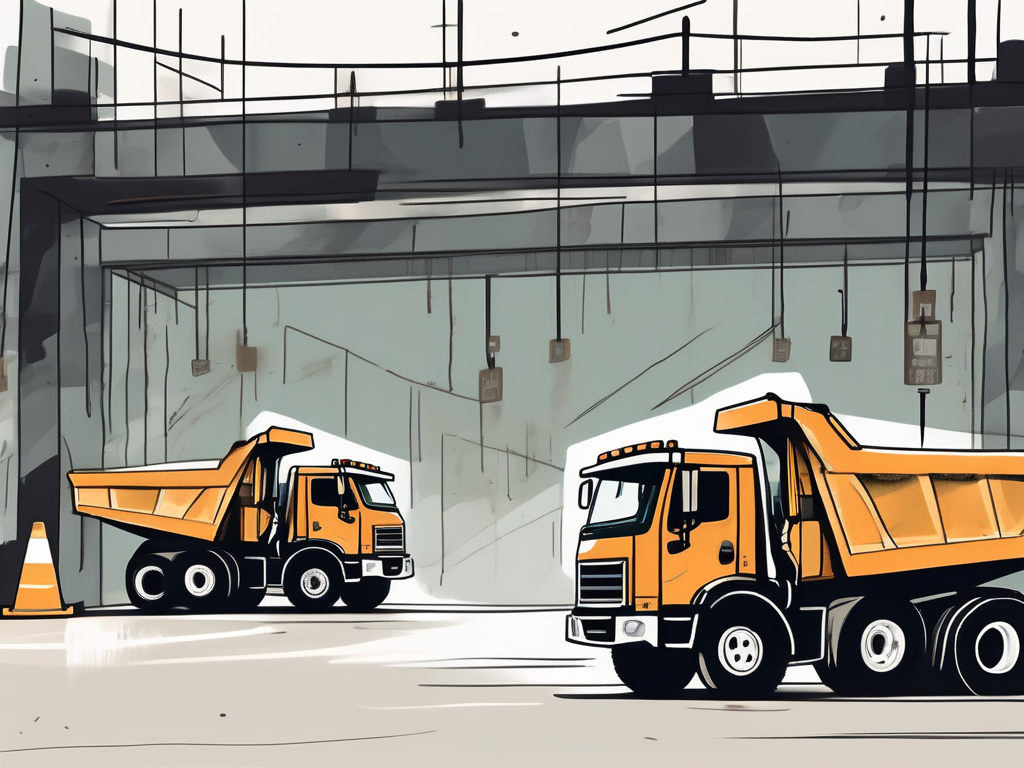
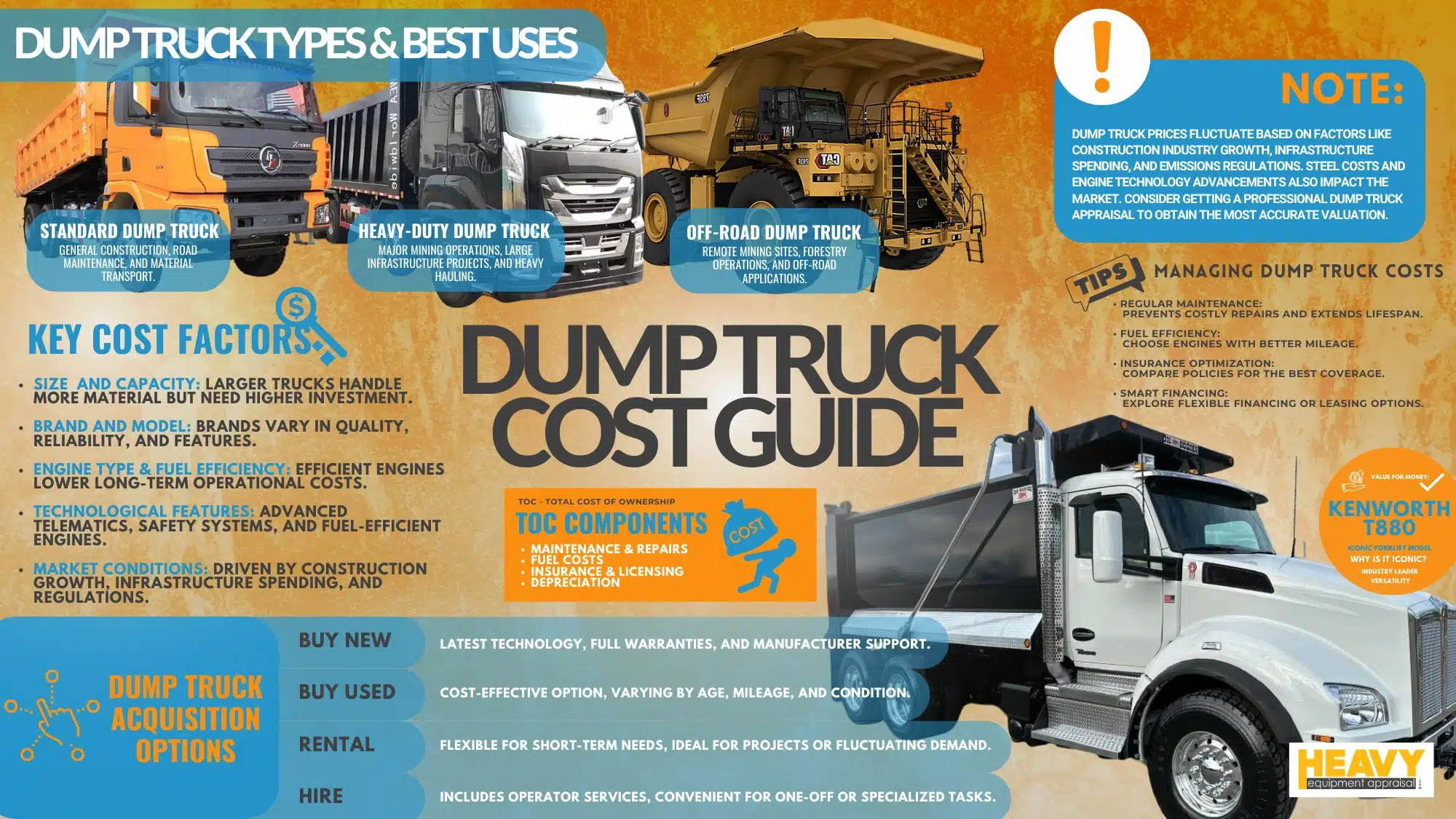
Beyond the advertised monthly payment, the total cost of a dump truck lease includes several components. A 2023 report from the American Trucking Associations indicates that equipment acquisition costs, including leasing, constitute nearly 20% of a carrier’s total operational expenses. A typical monthly lease payment for a standard tandem-axle dump truck can range from $2,500 to $4,500, depending on the truck’s specifications, lease term, and included services.
Additional costs to factor in include:
- Security Deposit (often one month’s payment)
- Taxes, Title, and Registration Fees
- Insurance Premiums
- Unplanned Maintenance (if not a full-service lease)
- Tire Wear and Replacement
- Mileage Overage Fees
For businesses looking for a reliable and cost-effective source for new equipment, exploring options from a global manufacturer like Chinese Truck Factory can be a strategic move. They offer a range of durable dump truck models that can be configured for various lease structures, often providing a competitive edge in total cost of ownership.
Expert Insight: Navigating Your Lease Agreement
We consulted with John Miller, a certified commercial vehicle consultant with over 15 years of experience in heavy equipment financing, to get his take on a successful dump truck lease.
“The biggest mistake I see,” Miller states, “is businesses focusing solely on the monthly payment. You must read the entire agreement, especially the fine print regarding wear-and-tear standards. What is considered ‘excessive’ damage? A small scratch on the cab might be normal, but a dented fender could cost you thousands at the end of the lease. Always negotiate a clear, written definition of acceptable wear and tear before you sign.”
He also advises, “For companies with fluctuating workloads, I often recommend an operating lease. It provides a hedge against market downturns. If a major project ends, you aren’t stuck with a depreciating asset you can’t use. The flexibility is worth the premium for many of my clients.”
Frequently Asked Questions (FAQ)
Q: What credit score is needed to lease a dump truck?
A: While requirements vary by lessor, a business credit score (or personal score for sole proprietors) above 650 is typically a good starting point. Stronger scores secure better interest rates and terms.
Q: Can I customize a leased dump truck?
A: This is highly dependent on the lessor. Most allow only minor, non-permanent modifications. Any significant alterations, like adding a specific lift gate or specialized bed, require prior written consent, as you must return the truck in its original configuration.
Q: Who is responsible for breakdowns during a lease?
A: In a full-service lease, the lessor is responsible for repairs and roadside assistance. In a net lease, the responsibility falls on you, the lessee. This is a critical distinction to understand.
Q: Is leasing a better financial decision than buying?
A: There is no universal answer. Leasing is better for conserving capital, maintaining cash flow, and staying technologically current. Buying is better for long-term cost savings if you have the capital and plan to use the truck for many years beyond a typical loan term. Consult with your financial advisor.
Final Verdict: Is Dump Truck Leasing Right for You?
Dump truck leasing presents a powerful financial tool for businesses that prioritize flexibility, predictable monthly expenses, and access to modern, reliable equipment without a massive capital outlay. It is an excellent solution for growing companies, those with specific short-term projects, or anyone wanting to avoid the maintenance hassles and rapid depreciation of heavy truck ownership.
However, a successful lease requires due diligence. Scrutinize the agreement, understand all potential costs, and choose a lease structure that aligns with your company’s operational and financial goals. By asking the right questions and partnering with a reputable lessor, you can leverage a dump truck lease to build and grow your business effectively.
Sources and Further Reading
- American Trucking Associations – Industry data and reports.
- IRS Publication 535 (Business Expenses) – Tax guidelines for leasing and depreciation.