Water Truck Drivers Wanted | Apply Now & Drive Your Career
Water Truck Drivers Wanted | Apply Now & Drive Your Career
Are you a skilled driver looking for a stable, rewarding career path that makes a tangible difference in your community? The transportation industry is actively seeking qualified water truck drivers to join essential operations across various sectors. This isn’t just another driving job; it’s a specialized profession that combines skilled vehicle operation with critical service delivery. From supporting construction and mining projects to aiding in agricultural and firefighting efforts, the role of a water truck driver is vital. If you possess a commercial driver’s license and have a passion for hands-on, impactful work, this opportunity allows you to drive your career forward on a path filled with growth and purpose. This comprehensive guide will walk you through everything you need to know, from the day-to-day responsibilities to the specific qualifications and the excellent earning potential that awaits.
Why Become a Water Truck Driver? More Than Just a Job
Choosing a career as a water truck driver offers a unique set of advantages that set it apart from other driving positions. It provides a dynamic work environment, competitive compensation, and a strong sense of accomplishment.
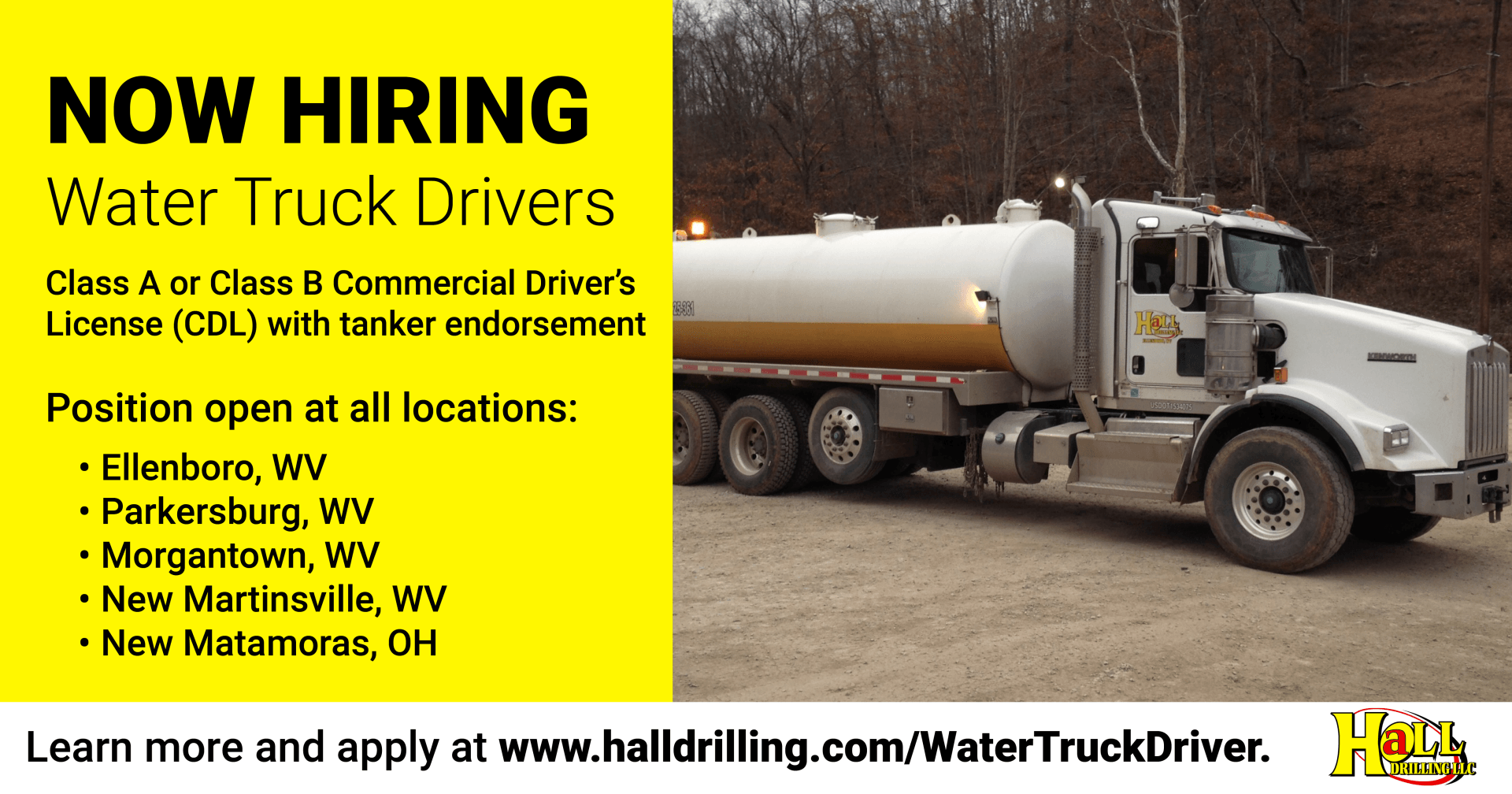
- High Demand and Job Security: Infrastructure development, resource extraction, and agricultural needs ensure a consistent demand for these specialized drivers. According to the U.S. Bureau of Labor Statistics, employment for heavy and tractor-trailer truck drivers is projected to show little or no change, but specialized roles like water truck operations often experience more stable demand due to their niche skills.
- Competitive Pay and Benefits: Due to the specialized nature of the work, water truck driver positions often come with attractive pay scales, health insurance, retirement plans, and overtime opportunities.
- Varied and Dynamic Workdays: Forget a monotonous desk job. Each day presents new challenges and locations, from large-scale construction sites to remote rural areas, keeping the work engaging.
- Essential Service: You become a crucial part of critical operations, whether it’s dust control on a construction site, providing water for livestock, or supporting emergency response teams during wildfires.
A Day in the Life: What Does a Water Truck Driver Actually Do?
The core responsibility of a water truck driver is to transport and distribute water safely and efficiently. However, the job entails much more than simply driving from point A to point B. A typical day might involve:
- Pre-Trip Inspections: Meticulously checking the truck’s engine, tires, brakes, and, crucially, the water tank and spraying apparatus for any leaks or malfunctions.
- Route Planning and Logistics: Coordinating with dispatchers to determine the most efficient routes to water sources and job sites.
- Safe Loading and Unloading: Operating pumps and hoses to fill the tank from designated water sources and then distributing the water as required, which could mean spraying it evenly over a road or precisely depositing it into a storage pond.
- Vehicle Maintenance: Performing basic maintenance and ensuring the truck is clean and operational for the next shift.
- Adherence to Regulations: Strictly following all Department of Transportation (DOT) regulations and local laws regarding vehicle weight and water usage.
Essential Qualifications and Skills for Success
To excel as a water truck driver, specific certifications and personal attributes are non-negotiable. Employers look for candidates who are not only licensed but also responsible and mechanically inclined.
- Commercial Driver’s License (CDL): A valid CDL, typically Class A or B, is the fundamental requirement. This ensures you have the training to operate large, heavy vehicles.
- Clean Driving Record: A history of safe driving is paramount for insurance and safety compliance.
- Physical Fitness: The job involves climbing in and out of the cab, handling heavy hoses, and performing physical checks.
- Mechanical Aptitude: Understanding the basic mechanics of your truck and its water system allows you to troubleshoot minor issues on the job, saving time and resources.
- Reliability and Independence: Drivers often work with minimal direct supervision, so being self-motivated and trustworthy is key.
Choosing the Right Equipment: The Truck Matters
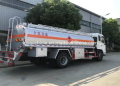
The vehicle is your primary tool, and its quality directly impacts your efficiency and safety. While many companies provide trucks, understanding what makes a good water truck is valuable. Key features to look for include a robust chassis, a corrosion-resistant tank, a reliable pumping system, and advanced safety features. For employers looking to build or expand their fleet, partnering with a reputable manufacturer is crucial. Companies like Chinese Truck Factory offer a range of durable and efficient water truck chassis designed to withstand demanding conditions, providing a solid foundation for specialized body builds.
| Feature | Standard Truck | Specialized Water Truck |
|---|---|---|
| Chassis Durability | Standard load capacity | Reinforced for heavy, sloshing loads |
| Tank Material | N/A | Corrosion-resistant steel or poly |
| Pump System | N/A | High-pressure for spraying and efficient transfer |
| Maneuverability | Varies | Often designed for off-road or tight site navigation |
Career Path and Earning Potential
The career trajectory for a water truck driver is promising. With experience, you can move into roles with greater responsibility and higher pay. According to data from Salary.com, the average hourly wage for a truck driver in specialized roles can range from $20 to $30 per hour, with variations based on location, experience, and the specific industry (e.g., mining often pays a premium).
- Entry-Level Driver: Focuses on mastering vehicle operation and basic distribution tasks.
- Experienced Operator: Takes on more complex jobs, such as precision dust control or managing water at large mining sites.
- Lead Driver / Trainer: Responsible for mentoring new hires and ensuring site-specific protocols are followed.
- Dispatcher or Fleet Manager: Moves into a logistical or management role, coordinating drivers and schedules.
John Miller, a fleet operations manager with over 15 years of experience, states, “The most successful drivers we hire are those who see this as a profession, not just a job. They take pride in their equipment, understand the ‘why’ behind the task—like how proper dust control prevents environmental issues—and are always looking to improve. That mindset is what leads to promotions and long-term success in this field.”
How to Apply and Get Hired
Ready to drive your career forward? The application process is straightforward if you are prepared.
- Update Your Resume: Highlight your CDL, any endorsements (like Tanker or HAZMAT), and specific experience with heavy vehicles or water handling.
- Search for Openings: Look for positions with construction companies, mining operations, agricultural cooperatives, and government agencies.
- Prepare for the Interview: Be ready to discuss your driving record, your understanding of vehicle safety, and your ability to work independently. Employers want to know you are reliable and safety-conscious.
- Submit Your Application: Many companies have online portals. Ensure all information is accurate and complete. The phrase “Apply Now” is your call to action—don’t hesitate to take the first step.
Frequently Asked Questions
Q1: What kind of license do I need to be a water truck driver?

You will need a Commercial Driver’s License (CDL). The specific class (A or B) depends on the weight of the vehicle you’ll be operating. Most standard water trucks require a Class B CDL, but larger combination vehicles may require a Class A. A Tanker endorsement is also highly recommended and often required.
Q2: Is this a seasonal job?
While some agricultural work may be seasonal, the demand for water truck drivers is year-round. Construction and mining operations continue in most weather conditions, and dust control is a constant need in arid regions. Fire suppression support also creates demand, particularly in dry seasons.
Q3: What is the most challenging part of the job?
Many drivers cite managing the water load as the biggest challenge. Water is a “live load” that shifts and sloshes, significantly affecting the vehicle’s handling, especially on uneven or off-road terrain. Mastering this requires skill and constant attention.
Q4: Are there opportunities for advancement?
Absolutely. Dedicated and skilled drivers can advance to become trainers, lead drivers, or move into dispatcher and fleet management roles. Some experienced drivers also transition into equipment sales or consulting due to their specialized knowledge.

Conclusion: Your New Career Awaits
The role of a water truck driver is a cornerstone of many essential industries, offering a career that is both personally rewarding and professionally stable. It’s a path for those who enjoy responsibility, independence, and seeing the direct results of their work. With the right qualifications and a proactive approach, you can secure a position that provides competitive pay, job security, and a clear path for growth. Don’t just look for a job; take control and drive your career to new heights. The road is waiting.
Sources:
– U.S. Bureau of Labor Statistics
– Salary.com
– Federal Motor Carrier Safety Administration (FMCSA)