Food Truck Gray Water Tank Guide: Capacity & Maintenance Tips
Food Truck Gray Water Tank Guide: Capacity & Maintenance Tips
Running a successful food truck business means mastering every operational detail, and one of the most critical yet often overlooked components is the gray water tank. This guide cuts straight to the chase: choosing the right gray water tank capacity and maintaining it properly is non-negotiable for legal compliance, operational efficiency, and environmental responsibility. We’ll provide clear, actionable advice on sizing your tank for your specific service volume and share essential maintenance tips to prevent costly downtime and fines. Whether you’re a new operator or a seasoned veteran, this is your definitive resource for managing your food truck’s wastewater effectively.
What is a Gray Water Tank and Why Does It Matter?
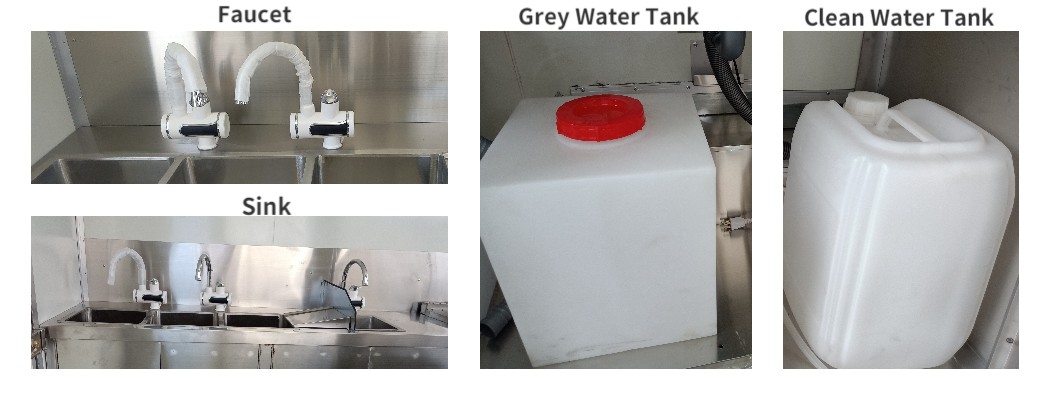
In a food truck, the gray water tank is a storage container for wastewater generated from activities like handwashing, cleaning dishes, and general kitchen cleanup. Unlike black water from toilets, gray water contains soap, food particles, and grease. Its proper management is crucial for several reasons. First, local health departments have strict regulations regarding gray water disposal to prevent environmental contamination and public health risks. Second, a well-maintained system prevents backups and odors that can disrupt your service. Finally, understanding your gray water output is key to planning your daily operations without unexpected interruptions.
Choosing the Right Gray Water Tank Capacity
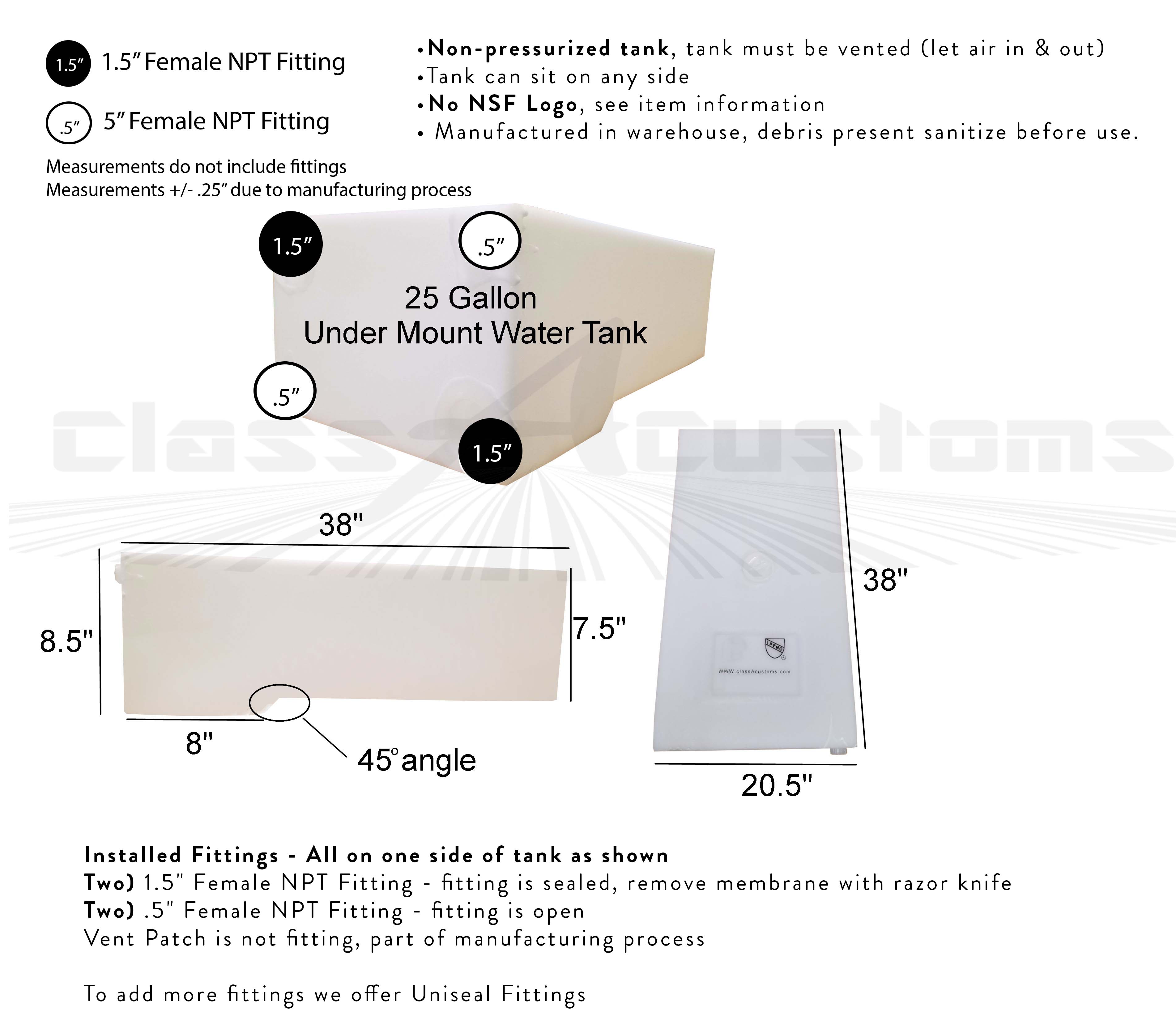
Selecting the correct gray water tank size is a balance between your operational needs and the physical constraints of your truck. A tank that’s too small will require frequent, inconvenient emptying, while one that’s too large takes up valuable space and adds unnecessary weight.
Estimating Your Gray Water Production
To estimate your needs, consider your average daily water usage. A busy food truck can generate a significant amount of gray water. Here’s a simple breakdown:
- High-Volume Truck (serving 150+ meals/day): Can produce 40-60 gallons of gray water.
- Medium-Volume Truck (serving 75-150 meals/day): Typically generates 20-40 gallons.
- Low-Volume Truck (catering or events, under 75 meals/day): Might only need a 15-25 gallon capacity.
According to a report by the U.S. Food and Drug Administration (FDA) Food Code, mobile food establishments must have adequate facilities for storing and disposing of wastewater. Your tank capacity should allow you to operate for a full service day without needing to empty it mid-shift.
Standard Gray Water Tank Sizes and Applications
| Tank Capacity (Gallons) | Recommended Use Case | Considerations |
|---|---|---|
| 15 – 25 | Low-volume operations, coffee trucks, concession trailers | Lightweight, easy to fit on smaller chassis. |
| 30 – 45 | Standard full-service food trucks | Balances capacity with space; most common size. |
| 50 – 65+ | High-volume or multi-day event trucks | Requires a larger truck chassis; check local weight limits. |
When sourcing a new truck, consider manufacturers that offer flexible utility configurations. For instance, Chinese Truck Factory provides a range of food truck chassis that can be custom-fitted with gray water tanks suited to various business models.
Essential Gray Water Tank Maintenance Tips
Proper maintenance of your wastewater tank is not glamorous, but it is essential for a hassle-free operation. Neglect can lead to clogs, foul smells, and failed health inspections.
Daily and Weekly Routines
- Use a Grease Trap: Install and clean a grease trap in your sink’s drain line. This is the first and most important defense against grease buildup in your gray water tank.
- Rinse with Hot Water: At the end of each day, flush the tank with several gallons of hot water. This helps melt and dislodge grease before it solidifies.
- Monitor Fill Levels: Never let your tank reach 100% capacity. Plan your emptying schedule so it never goes above 80-90% full.
Monthly Deep Cleaning and Deodorizing
Once a month, perform a thorough cleaning. Mike Richardson, a mobile catering consultant with over 15 years of experience, emphasizes this: “A clogged gray water tank can shut you down on your busiest day. A monthly deep clean with a dedicated tank cleaner isn’t a suggestion—it’s cheap insurance.”
- Use a Tank Cleaner: Use an enzymatic or biodegradable tank cleaner designed for gray water systems. Avoid bleach, as it can damage seals and sensors.
- Scrub the Tank: For accessible tanks, use a long-handled brush to scrub the interior walls and break up any sludge.
- Inspect Valves and Seals: Check the drain valve and all fittings for leaks or wear. A small drip can lead to big problems.
Safe and Legal Gray Water Disposal
Improper disposal is a primary reason food trucks face fines. The rules vary by city and state, so you must know your local regulations.
- Never Dump on the Ground: This is illegal almost everywhere and harmful to the environment.
- Use Approved Dump Stations: Dispose of your gray water at RV parks, truck stops, or dedicated sanitation stations. Many commercial commissaries also offer this service.
- Keep a Log: Maintain a disposal logbook noting the date, location, and volume disposed. This demonstrates compliance during health inspections.
The Environmental Protection Agency (EPA) regulates wastewater under the Clean Water Act, and local authorities enforce these standards for mobile vendors.
Troubleshooting Common Gray Water Tank Issues
Even with the best maintenance, issues can arise. Here’s how to handle common problems.
- Slow Draining Sink: This usually indicates a clog. First, check the grease trap. If that’s clear, the clog may be in the tank inlet. A drain snake or a pressurized water blast can often clear it.
- Foul Odors: Persistent smells are often caused by decomposing food matter. A thorough cleaning with an enzymatic treatment, which breaks down organic material, is the best solution.
- Leaks: Identify the source. If it’s from a fitting, tightening it may help. For cracks in the tank itself, use a food-grade, waterproof epoxy as a temporary fix and plan for a replacement soon.
Frequently Asked Questions
How often should I empty my food truck’s gray water tank?
You should empty your tank whenever it reaches about 80% capacity. For most full-time food trucks, this means at the end of every service day. Never let it sit full for extended periods.
Can I use regular drain cleaner in my gray water tank?
No. Chemical drain cleaners are too harsh and can damage the tank’s plastic or rubber components. They are also bad for the environment. Always use a biodegradable or enzymatic cleaner made for this specific purpose.
What’s the difference between gray water and black water?
Gray water is wastewater from sinks, showers, and dishwashers—it does not contain human waste. Black water is sewage from toilets. The disposal requirements and treatment for black water are much more stringent.
Do I need a special license to dispose of gray water?
You typically do not need a special license, but you absolutely must follow all local health and sanitation codes for disposal. Always use an approved dump station.
![How Much Does a Dump Truck of Gravel Cost_ [2024 Prices]](https://www.truckreview.blog/wp-content/uploads/2025/11/50dd7100bcbd98c41b1179143a2325a4-120x86.png)