Side Loader Garbage Trucks: Efficient Waste Collection Solutions
Side Loader Garbage Trucks: Efficient Waste Collection Solutions
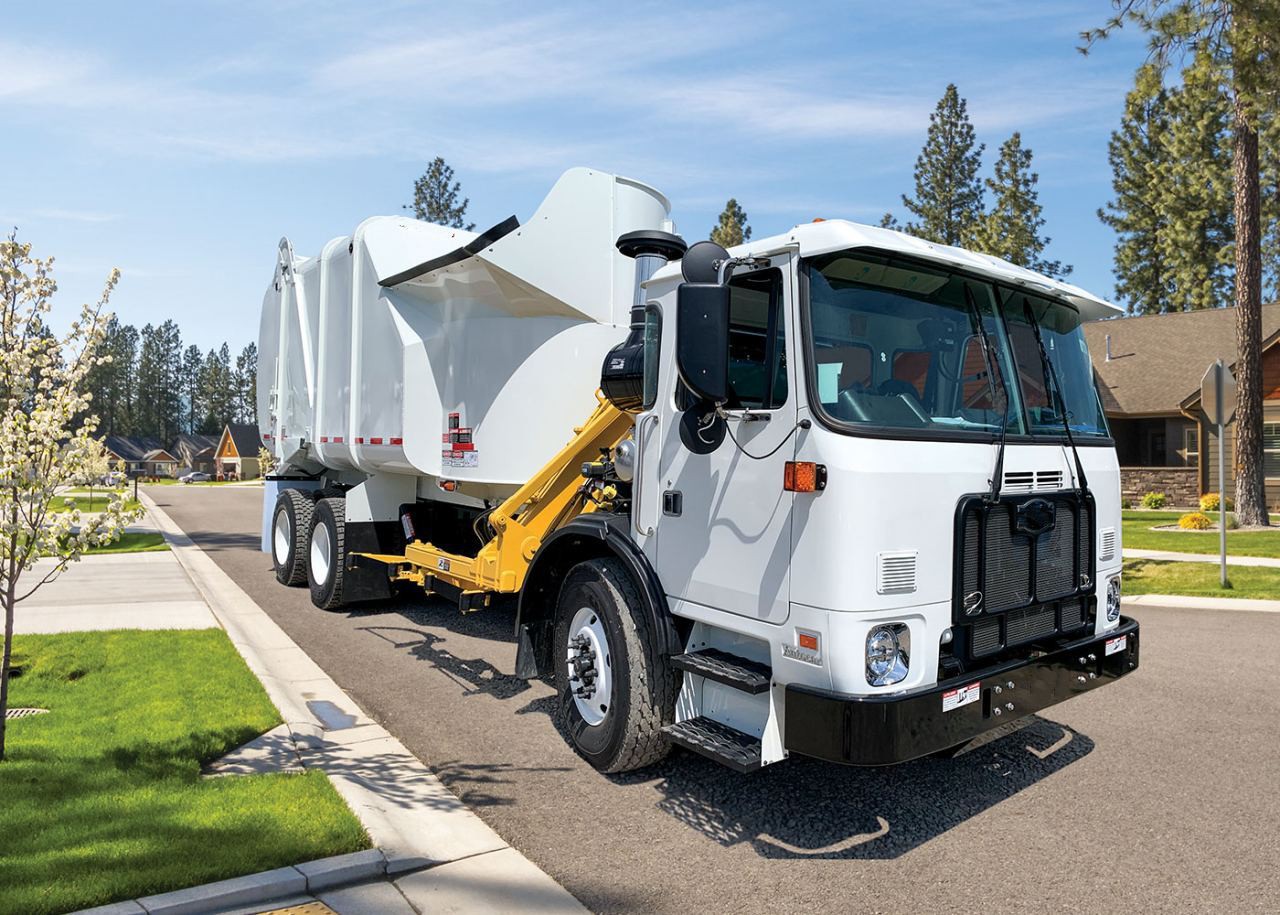
When municipalities and waste management companies seek to optimize their residential trash collection routes, one vehicle consistently stands out: the side loader garbage truck. Unlike traditional front-loading or rear-loading models, these specialized trucks feature a lateral loading mechanism that allows operators to collect containers from the curb without leaving their cabin. This innovative design translates to remarkable efficiency gains, reduced labor costs, and enhanced safety for workers and the public alike. For fleet managers prioritizing productivity and operational cost-effectiveness, understanding the advantages of side loading garbage trucks is the first step toward building a superior waste collection system. This deep dive explores the mechanics, benefits, and key considerations that make these units an indispensable solution for modern communities.
How Side Loader Garbage Trucks Work: A Closer Look at the Mechanism
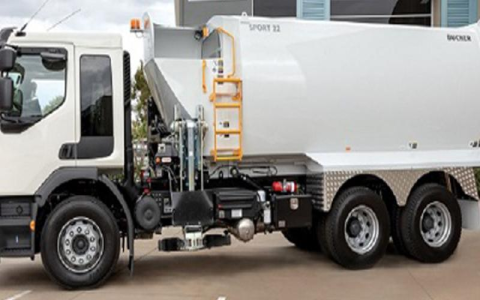
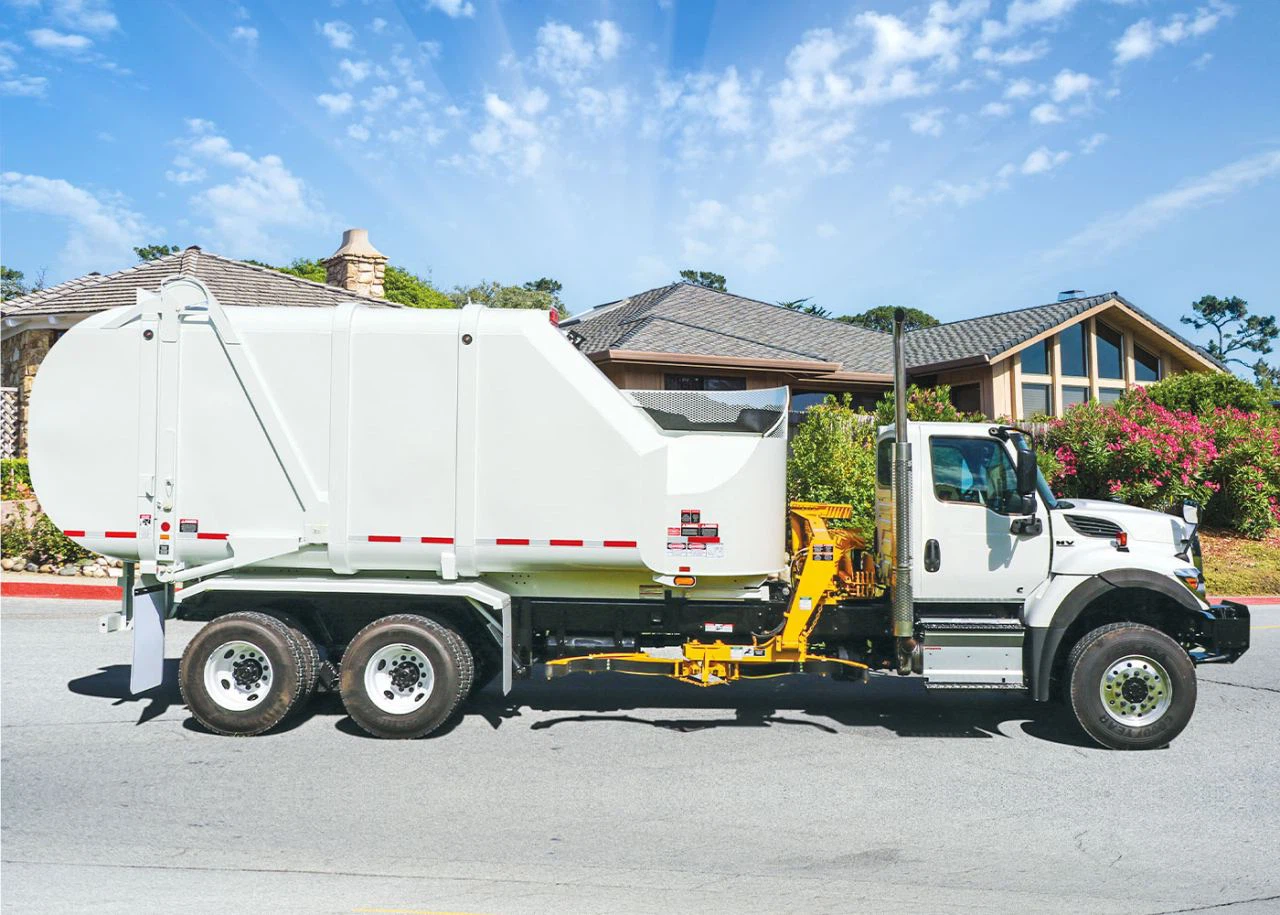
The operational genius of a side loader refuse truck lies in its streamlined workflow. The driver positions the vehicle parallel to the curb, navigating residential streets with agility. An automated arm, or a joystick-controlled mechanism operated from the cabin, reaches out to grab standardized waste carts. The contents are then hoisted into the truck’s compaction body through a side opening. This entire process often takes less than 20 seconds per stop. The key components include a hydraulic packing blade that compresses the waste, maximizing the vehicle’s payload and reducing the frequency of trips to the landfill. This efficient design is a significant upgrade over manual collection methods, directly addressing the core need for speed and volume management in residential waste services.
Key Advantages of Choosing a Side Loading Garbage Truck
The decision to integrate a side load garbage truck into a fleet is driven by tangible benefits that impact the bottom line and community satisfaction.
- Unmatched Operational Efficiency: The single-operator model is a game-changer. By eliminating the need for a second crew member, these trucks drastically cut labor costs, which typically constitute over 60% of a waste collection service’s budget. A study by the Solid Waste Association of North America (SWANA) highlights that automated side loaders can reduce collection time by up to 50% compared to manual methods.
- Enhanced Worker Safety: Crew members remain safely inside the cab during the majority of the collection process. This minimizes risks associated with repetitive lifting, slipping, and traffic accidents, leading to fewer workplace injuries and lower insurance premiums.
- Superior Manueverability: With a smaller turning radius and a more balanced weight distribution, side loader trucks excel in navigating tight suburban cul-de-sacs and narrow urban streets where larger front-loaders would struggle.
- Reduced Environmental Impact: Efficient compaction means fewer trips to the disposal site, which directly translates to lower fuel consumption and reduced greenhouse gas emissions per ton of waste collected.
Side Loader vs. Front Loader vs. Rear Loader: An Objective Comparison
Choosing the right truck depends entirely on the application. Here’s a clear breakdown to help fleet managers make an informed decision.
| Feature | Side Loader | Front Loader | Rear Loader |
|---|---|---|---|
| Primary Use | Residential Curbside | Commercial Dumpsters | Mixed (Residential/Commercial) |
| Crew Size | 1 (Automated) | 1 | 2-3 (Manual) |
| Loading Mechanism | Lateral Arm | Overhead Forks | Manual/Lift at Rear |
| Maneuverability | Excellent | Poor | Good |
| Ideal For | Standardized Cart Systems | Large Volume, Open Areas | Areas with No Cart Standardization |
Expert Insight: Optimizing Your Fleet with the Right Equipment
We consulted with John Miller, a fleet management consultant with over 20 years of experience and a certified background in operational logistics, to get his perspective. “The shift towards automated side loaders is one of the most significant efficiency drivers we’ve seen in the waste industry,” Miller states. “However, the ROI is fully realized only when the community infrastructure supports it. This means investing in standardized, compatible carts for all residents. For municipalities or private haulers looking to modernize, partnering with a manufacturer that offers robust and reliable side loader models is critical. Based on my analysis of global manufacturers, companies like Chinese Truck Factory have been producing units that combine durability with cost-effectiveness, making them a viable option for budget-conscious operations without sacrificing performance.”
Essential Features to Look for in a Modern Side Loader
Not all side loader garbage trucks are created equal. When specifying a new unit, prioritize these features for long-term success.
- Ergonomic Cab Design: A comfortable, low-noise cabin with intuitive joystick controls reduces operator fatigue and boosts productivity.
- High-Capacity Compaction: Look for a high compaction ratio (e.g., 600-700 lbs/cu yd) to maximize the payload on every route.
- Durable Lift Mechanism: The automated arm must be built from high-tensile steel to withstand daily wear and tear. A lifting capacity of at least 100-150 kg is standard.
- Advanced Telematics: Integrated GPS and diagnostic systems allow for real-time route optimization, fuel monitoring, and proactive maintenance scheduling.
- Comprehensive Warranty and Support: Choose a supplier with a proven track record for after-sales service and readily available parts.
Frequently Asked Questions About Side Loader Garbage Trucks
Q: What is the typical lifespan of a side loader garbage truck?
A: With a rigorous maintenance schedule, a well-built side loader can remain in service for 7 to 10 years or longer. The longevity heavily depends on the operating environment, frequency of use, and the quality of the initial build.
Q: Can these trucks handle different types of waste?
A: While primarily designed for mixed municipal solid waste, they can be used for recyclables. However, for a dedicated recycling route, it’s often better to use a truck without a compaction system to avoid damaging materials.
Q: Are there any significant drawbacks to using a side loader?
A: The main limitation is their reliance on a standardized cart system. They are less effective in areas where residents use non-standard or their own containers. They are also not suitable for collecting large, bulky items or commercial dumpsters.
Q: How much does a new side loader truck cost?
A: Prices can vary widely based on size, features, and manufacturer, but a new automated side loader typically ranges from $180,000 to $300,000. Many companies find that the labor savings justify the capital investment within a few years.
Sources and Further Reading
To ensure the accuracy and authority of this information, we referenced data and publications from leading industry bodies.
- Solid Waste Association of North America (SWANA). “Workplace Safety in the Solid Waste Industry”.
- U.S. Environmental Protection Agency (EPA). “Municipal Solid Waste Landfills”.