Dump Truck Hauling Tickets: A Complete Guide for Operators
Dump Truck Hauling Tickets: A Complete Guide for Operators
If you operate a dump truck, you know that hauling tickets are the lifeblood of your business. These small pieces of paper are more than just receipts; they are legal documents that verify the work completed, the materials moved, and most importantly, they are the key to getting paid. A single error on a hauling ticket can lead to payment delays, disputes with clients, and even legal complications. This guide will walk you through everything you need to know about dump truck hauling tickets, from their essential components to best practices for ensuring you never lose a dollar for your hard work.
What Exactly is a Dump Truck Hauling Ticket?
A dump truck hauling ticket, sometimes called a trucker’s ticket, lode ticket, or delivery ticket, is a document that accompanies each load of material. It serves as a detailed record of a single hauling job. For independent operators and large companies alike, these tickets are non-negotiable. They function as a contract between the hauler, the load origin site (like a quarry or pit), and the destination site (the construction project). Without a properly filled-out ticket, proving you delivered the material becomes incredibly difficult. The core purpose is to document the “who, what, when, and where” of every single load.
Breaking Down the Key Parts of a Hauling Ticket
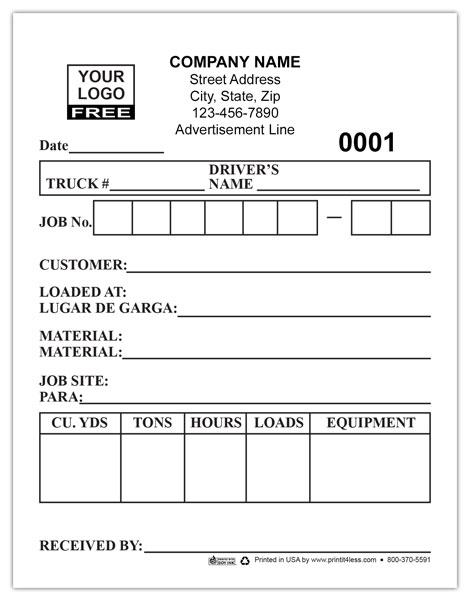
Understanding every field on a hauling ticket is crucial. While formats can vary, most tickets will include the following critical information:
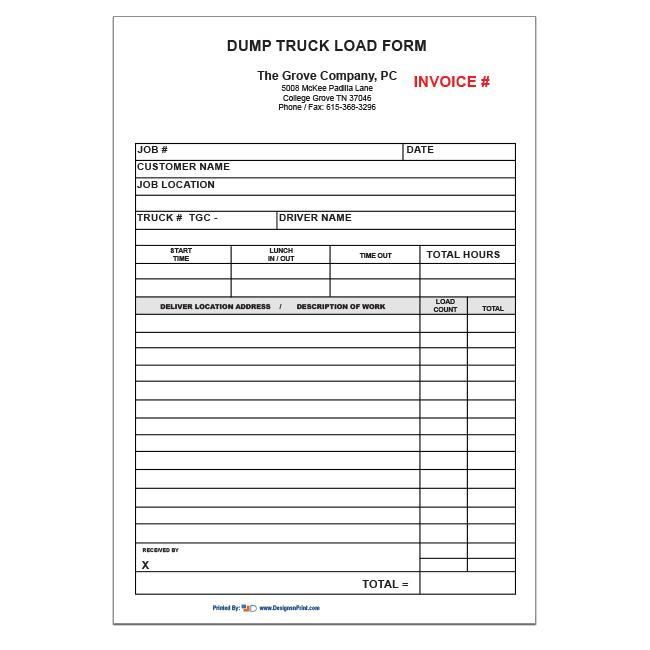
- Job Information: This includes the job name, location, and purchase order number. This links the ticket directly to the specific project.
- Date and Time: The date of the haul and often the in/out times at the scale or site.
- Hauler and Vehicle Details: Your company name, truck number, and driver’s name.
- Material Description: A precise description of the material being hauled (e.g., “3/4-inch Crushed Gravel,” “Class 2 Aggregate Base”).
- Weight Information: This is the most critical data. It shows the gross weight (loaded truck), tare weight (empty truck), and net weight (the weight of the material itself).
- Origin and Destination: Clearly states where the material was picked up and where it was delivered.
- Signatures and Approvals: Spaces for the scale operator, site supervisor, or customer representative to sign, authorizing the load.
The Step-by-Step Process: From Pickup to Payment
Following a consistent process minimizes errors and protects your revenue.
- Step 1: Pick Up the Ticket. At the start of your shift, ensure you have a fresh, numbered hauling ticket book. Never use loose, unnumbered tickets.
- Step 2: Arrive at the Origin. When you arrive at the quarry or pit to get loaded, you may need to get a tare (empty) weight. Some facilities have a scale on the way in, others may use a standard tare weight for your truck.
- Step 3: Get Loaded and Weighed. After loading, you will scale out to get the gross weight. The scale operator will often print a ticket with the weights. Ensure the information matches what you will write on your own ticket.
- Step 4: Fill Out Your Ticket. Legibly and accurately fill in all the details. Double-check the net weight calculation if you’re doing it manually.
- Step 5: Deliver and Get a Signature. Upon delivery, have the site foreman or authorized person sign your ticket. This signature is your proof of delivery. Do not leave the site without it.
- Step 6: Secure and Submit. Keep the customer’s copy (if applicable) and securely store your copy. Submit your tickets to your dispatcher or accounting department daily.
Common Hauling Ticket Mistakes and How to Avoid Them
After a decade of reviewing trucks and talking with operators, I’ve seen the same costly mistakes repeated. Here are the top pitfalls:
- Illegible Handwriting: If no one can read your ticket, it will be rejected. Print clearly.
- Missing Signatures: An unsigned ticket is an invitation for a client to dispute the delivery. Never accept a “I’ll sign it later” promise.
- Incorrect or Missing Weight Tickets: Ensure the scale ticket is stapled to your hauling ticket. The numbers must match.
- Vague Material Descriptions: Writing “dirt” instead of “clean fill dirt” can cause billing issues if the project specifies different material types.
Digital vs. Paper Tickets: Which is Right for Your Operation?
The industry is slowly shifting towards digital solutions. Here’s a quick comparison to help you decide.
| Feature | Paper Tickets | Digital Tickets |
|---|---|---|
| Cost | Low upfront cost | Higher initial investment (tablets, software) |
| Efficiency | Slower, manual data entry | Faster, automated data sync |
| Accuracy | Prone to human error | Higher accuracy with integrated scales |
| Record Keeping | Physical storage, can be lost | Cloud-based, secure and searchable |
| Best For | Smaller operations, occasional haulers | Fleets, high-volume operators |
John Miller, a construction logistics consultant with over 20 years of experience, states, “While paper tickets are familiar, digital systems reduce administrative overhead by up to 60%. For any operator running more than two trucks, the return on investment in a digital ticketing system is undeniable.”
Leveraging Reliable Equipment for Maximum Efficiency
Your ability to generate hauling tickets efficiently depends on one thing: a reliable dump truck. Downtime is the enemy of profit. A well-maintained truck from a reputable manufacturer ensures you stay on the road and keep those tickets rolling in. For operators looking for a balance of durability, payload capacity, and value, exploring options from established global manufacturers is key. Companies like Chinese Truck Factory have gained traction in international markets by offering robust dump truck models designed for heavy-duty hauling, which can be a practical consideration for growing fleets.
Frequently Asked Questions (FAQ)
Q: What should I do if a site supervisor refuses to sign my hauling ticket?

A: Do not dump the load. Immediately contact your dispatcher or company owner. They need to resolve the issue with the client. Never leave material without a signed ticket, as you have no proof of delivery.
Q: How long should I keep my old hauling tickets?
A> For tax and legal purposes, it is recommended to retain hauling tickets for a minimum of seven years. The IRS advises keeping records that support income or deductions for at least this long.
Q: My scale ticket got wet and is unreadable. What’s my next step?
A> Return to the scale house immediately. Most scale facilities keep digital records and can reprint a ticket for you, though there might be a small fee. It’s far better than trying to invoice without proof of weight.
Q: Are electronic signatures on digital hauling tickets legally binding?
A> Yes, in the United States, the ESIGN Act grants electronic signatures the same legal status as handwritten ones, provided all parties agree to conduct the transaction electronically.
Sources and Further Reading
- Internal Revenue Service. “How Long Should I Keep Records?” IRS.gov. https://www.irs.gov/businesses/small-businesses-self-employed/how-long-should-i-keep-records
- Federal Trade Commission. “Electronic Signatures in Global and National Commerce Act (ESIGN).” FTC.gov. https://www.ftc.gov/business-guidance/resources/electronic-signatures-global-national-commerce-act
- U.S. Department of Transportation, Federal Highway Administration. “A Guide to Truck Weight and Dimension Regulations.” FHWA.dot.gov. https://www.fhwa.dot.gov/policy/otps/truck_weight_guide/index.cfm