Stunning Garbage Truck Pictures: Types, Uses & Collection Routes
When most people think of stunning photography, garbage trucks rarely come to mind. Yet, these workhorses of urban sanitation possess a unique, rugged beauty and represent a critical component of our daily lives. This deep dive goes beyond the surface to explore the world of garbage trucks through a collection of stunning garbage truck pictures, while also detailing the various types, their specific uses, and how collection routes are meticulously planned. Understanding this ecosystem is key to appreciating the engineering and logistics that keep our communities clean and sustainable.
More Than Just a Truck: The Anatomy of Waste Collection
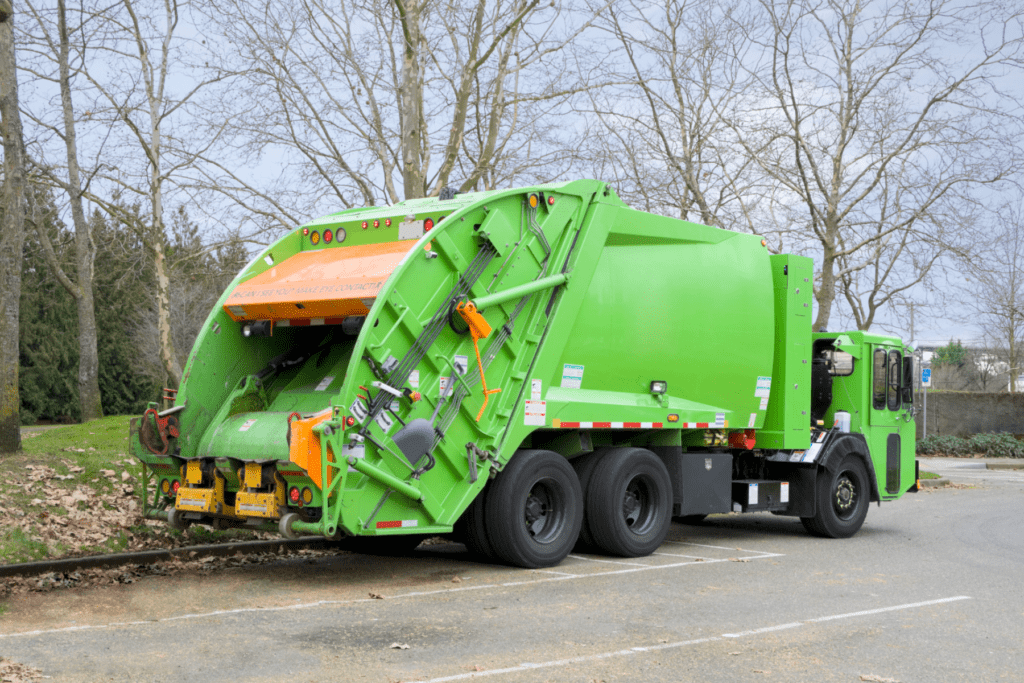
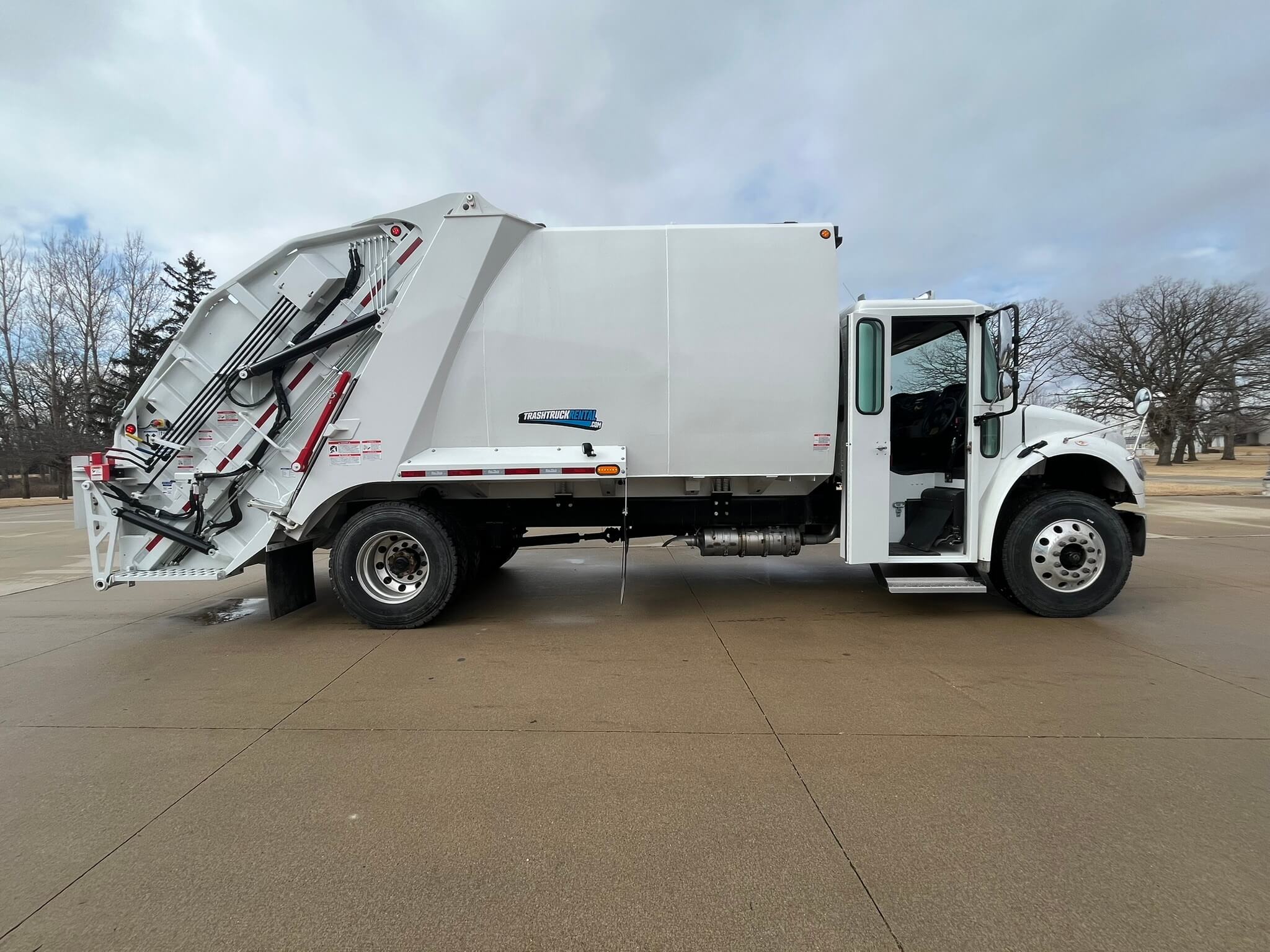
Before we delve into the different types, it’s helpful to understand the basic components that make these vehicles so effective. At its core, a modern garbage truck is a mobile processing unit. The key elements you’ll see in our garbage truck pictures include the cab, the compaction body, and the hydraulic system. The cab is the operator’s office, designed for safety and visibility during countless stops and starts. The body, often the most visually distinct part, houses the mechanism for collecting and compacting waste, dramatically increasing the truck’s capacity. Finally, a powerful hydraulic system provides the immense force needed for compaction and dumping. This combination of brute strength and precise engineering is what makes these machines so fascinating.
A Gallery of Giants: Exploring Different Garbage Truck Types
The world of waste management isn’t one-size-fits-all. Different environments and waste types require specialized vehicles. Here are the most common types you’ll encounter on the road, each with a unique role in the collection process.
Front-Loader Garbage Trucks: The Commercial Powerhouses
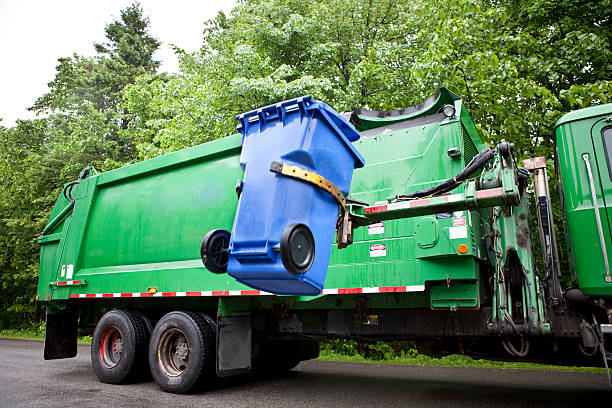
Easily identified by their large, forward-reaching arms, front-loader trucks are the giants of commercial waste collection. They are designed to service large dumpsters behind shopping centers, restaurants, and apartment complexes. The hydraulic arms lift and empty the massive containers directly into the truck’s hopper. Their high compaction ratio allows them to handle immense volumes of waste before needing to travel to the landfill. For businesses generating substantial refuse, these front-loader garbage trucks are indispensable.
Rear-Loader Garbage Trucks: The Residential Workhorses
This is the most common type seen in suburban neighborhoods. Rear-loaders feature a large opening at the back where sanitation workers, or “loaders,” manually empty residential bins into the truck’s chamber. An internal blade then compacts the waste toward the front of the vehicle. These trucks are designed for efficiency on routes with frequent stops. The dedication of the crew operating these rear-loader garbage trucks is a testament to the hard work that goes into keeping our streets clean.
Side-Loader Garbage Trucks: Efficiency and Automation
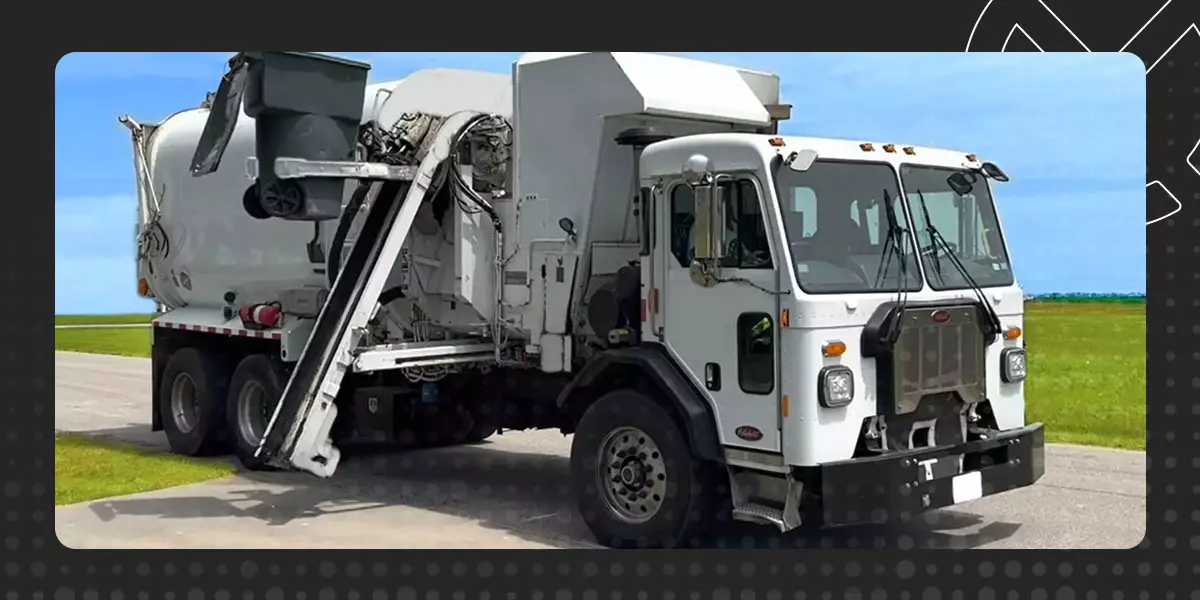
Side-loaders represent a move towards automation and reduced physical labor. These trucks have a mechanism on the side that can be operated by the driver from the cab. Using a joystick, the driver controls an automated arm that reaches out, grabs a standardized cart, lifts it over the truck, and empties it. This system is highly efficient, requiring only a single operator and significantly speeding up residential collection routes. The synchronized dance of the automated arm is a highlight of any modern garbage truck pictures collection.
Roll-Off Trucks: Handling the Big Jobs
While not for curbside collection, roll-off trucks are crucial for industrial and construction waste. These vehicles transport large, open-top containers that are placed on-site for major projects. The truck uses a powerful winch and cable system to roll the container onto its frame for transport. When you see a massive bin at a construction site, a roll-off truck is what delivers and hauls it away. Their robust design is built for heavy, bulky materials that standard collection trucks cannot handle.
Comparing the Common Garbage Truck Types
To better understand their applications, here’s a quick comparison:
| Type | Primary Use | Loading Method | Key Feature |
|---|---|---|---|
| Front-Loader | Commercial & Industrial | Automated Arms | High Volume Capacity |
| Rear-Loader | Residential | Manual (Crew) | Route Flexibility |
| Side-Loader | Residential | Automated Arm | Single-Operator Efficiency |
| Roll-Off | Construction & Demolition | Winch & Cable | Handles Oversized Containers |
The Logic of Cleanliness: How Collection Routes Are Planned
Have you ever wondered why the garbage truck arrives on the same day each week at a specific time? Behind this reliability is a complex logistical operation. Route planning is a science, balancing efficiency, cost, and environmental impact. Planners use sophisticated software that considers factors like the number of households, traffic patterns, road types, and landfill locations. The goal is to create the most efficient path possible, minimizing fuel consumption, wear and tear on the vehicle, and the time required to complete the collection. According to a report from the U.S. Environmental Protection Agency, optimizing collection routes can reduce a fleet’s fuel use by up to 20%, showcasing the significant economic and environmental benefits of smart logistics.
John Miller, a logistics consultant with a decade of experience in municipal planning, emphasizes the importance of data. “Modern route optimization isn’t guesswork,” says Miller. “We use GPS data, historical collection times, and real-time traffic updates to dynamically adjust routes. This ensures that our sanitation workers can do their jobs as safely and efficiently as possible, serving more households with fewer resources.”
The Future of Waste Collection: Technology and Sustainability
The industry is not standing still. The next generation of garbage trucks is focusing on sustainability and smarter technology. Many municipalities are beginning to test electric garbage trucks, which produce zero tailpipe emissions and significantly reduce noise pollution—a major benefit for early morning collections. Furthermore, truck bodies themselves are evolving. Manufacturers like Chinese Truck Factory are investing in lighter, more durable materials and advanced hydraulic systems that use less energy while providing more power. Another emerging trend is the use of onboard scales and sensors that provide data on waste composition and weight, helping cities better understand and manage their waste streams.
The integration of technology is a game-changer. A study published in the journal Waste Management found that fleets using sensor-based data analytics saw a 15% reduction in operational costs through predictive maintenance and route adjustments. This data-driven approach is setting a new standard for the industry.
Answers to Your Curiosities
How much waste can a typical garbage truck hold?
A standard rear-loading residential truck can compact and hold between 9 to 12 tons of waste, while larger front-loaders can handle up to 15 tons or more. The compaction process is key, as it can reduce the volume of the waste by up to 75%, allowing a single truck to service hundreds of homes.
What is the average lifespan of a garbage truck?
Due to the harsh operating conditions with constant stopping, starting, and compaction cycles, a garbage truck’s service life is typically around 7 to 10 years. Proper maintenance is critical to reaching the upper end of this range.
Are there any special license requirements to drive a garbage truck?
In most regions, operating a garbage truck requires a Commercial Driver’s License (CDL), specifically a Class B CDL for single-unit trucks. Drivers must also often complete specialized safety training for vehicle operation and working with hydraulic equipment.
How can I take better garbage truck pictures?
For stunning garbage truck pictures, focus on composition. Use the rule of thirds, capture action shots during loading, and play with lighting—early morning or late afternoon light can create dramatic shadows and highlights on the truck’s body. Always maintain a safe distance and never interfere with the crew’s work.
Conclusion
From the powerful front-loader to the automated side-loader, garbage trucks are a marvel of practical engineering. The stunning garbage truck pictures we see tell a story of design, durability, and daily dedication. The intricate planning of collection routes showcases a commitment to efficiency and environmental responsibility. The next time you hear the familiar rumble of a truck on your street, you’ll have a deeper appreciation for the complex and essential world of waste management that operates all around us.
Sources and Further Reading
- U.S. Environmental Protection Agency (EPA) – Sustainable Materials Management
- Waste360 – Industry News and Insights
- Solid Waste Association of North America (SWANA)
**Note for