LED Lights for Fire Trucks: Essential Safety & Visibility Guide
When every second counts, visibility isn’t just helpful—it’s lifesaving. For fire departments nationwide, upgrading to modern LED lights for fire trucks has transformed emergency response effectiveness. These brilliant lighting systems cut through darkness, fog, and chaos, creating safer pathways for both firefighters and civilians. Unlike outdated halogen or incandescent options, LED emergency lighting delivers superior brightness while drawing less power from the vehicle’s electrical system. This comprehensive guide examines why LED technology has become the gold standard in fire apparatus lighting, how it enhances operational safety, and what features matter most when specifying or upgrading your emergency vehicle.
Why LED Lighting Outperforms Traditional Options
Fire departments that transitioned from traditional lighting to modern LED systems report significant improvements in both performance and reliability. The differences extend far beyond simple brightness comparisons.
Brightness and Visibility Advantages
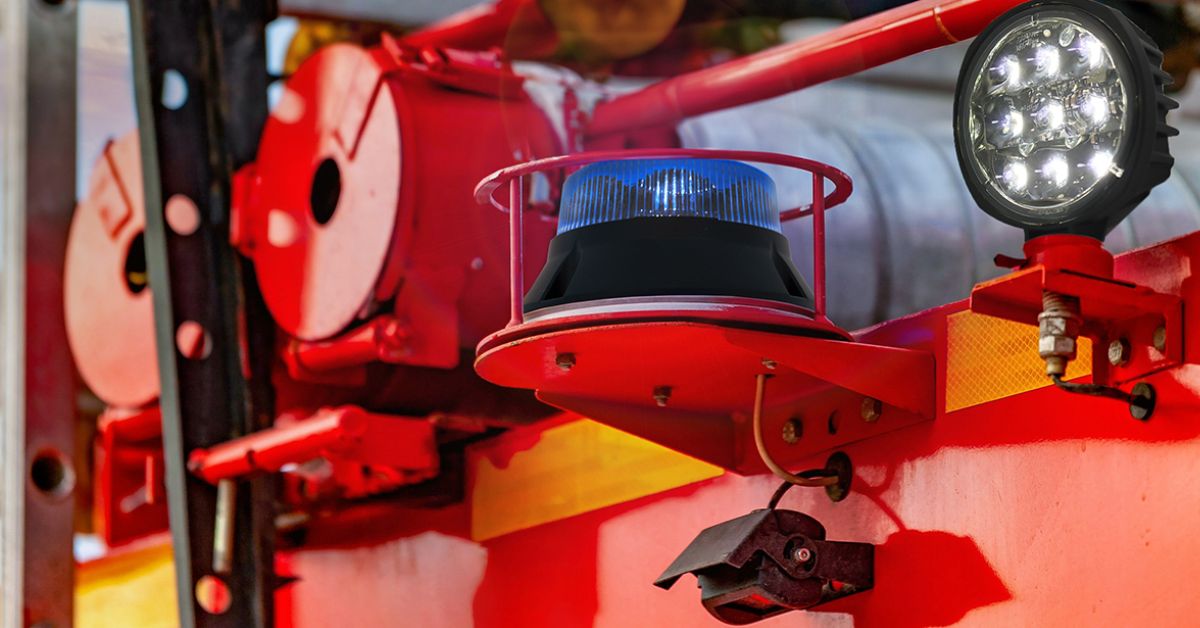
LED lights produce dramatically more lumens per watt than traditional halogen or incandescent bulbs. According to a National Fire Protection Association report, improved vehicle visibility reduces intersection collisions by up to 38%. LED lighting creates this advantage through:
- Crisp, daylight-quality illumination that penetrates adverse weather conditions
- Instant-on capability with no warm-up period required
- Directional light output that puts illumination where it’s needed most
Durability and Longevity Comparison
Fire apparatus lighting faces constant vibration, temperature extremes, and weather exposure. LED systems thrive in these challenging conditions where traditional lighting fails. The solid-state construction of LED lights contains no fragile filaments or glass components that can break during emergency response driving.
| Feature | LED Lighting | Halogen Lighting |
|---|---|---|
| Average Lifespan | 50,000+ hours | 1,000-2,000 hours |
| Power Consumption | Up to 80% less | 100% baseline |
| Impact Resistance | Extremely high | Moderate to low |
| Vibration Resistance | Excellent | Poor |
Critical LED Lighting Positions on Fire Apparatus
Effective emergency vehicle lighting requires strategic placement across multiple zones of the fire truck. Each position serves a distinct safety purpose during response and scene operations.
Front-Facing Warning Systems
The primary front lighting configuration typically includes a combination of lightbars, grille lights, and headlight integration systems. Many departments now opt for multi-color LED options that can switch between response modes—using red or red/white combinations during emergency response, and amber for scene security or blocking positions.
Side and Rear Visibility Solutions
Side warning lights create a protective perimeter around the apparatus at emergency scenes. Chevron patterns using bright LED modules mounted at the rear of the vehicle have proven particularly effective at preventing rear-end collisions. The Federal Highway Administration notes that proper rear lighting reduces nighttime crash rates by approximately 25% for emergency vehicles.
Technical Specifications That Matter
Understanding key technical considerations ensures your department selects the right LED lighting solutions for both current and future needs.
Lumen Output and Beam Patterns
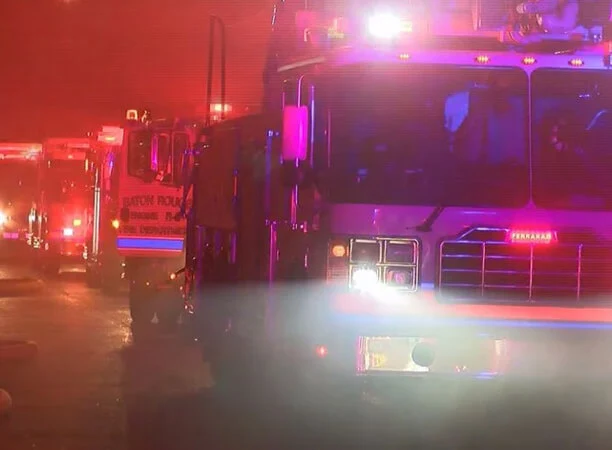
More lumens don’t always mean better performance—beam pattern matters equally. Spot beams provide long-distance penetration for clearing intersections, while flood patterns create wide-area illumination for scene work. Combination patterns offer the versatility that fire apparatus require for diverse emergency situations.
Power Requirements and Electrical Systems
Modern LED lights for fire trucks operate efficiently on standard 12-volt vehicle electrical systems. Their low amperage draw allows multiple lighting systems to operate simultaneously without overtaxing alternators or draining batteries during extended scene operations.
Color Selection and Regulatory Compliance
Emergency lighting color isn’t merely an aesthetic choice—it’s regulated by state statutes and carries specific psychological impacts on other motorists.
Standard Color Applications
- Red: Traditional emergency color that demands immediate attention
- Blue: High visibility at night, often used in combination with red
- White: Effective for scene illumination and takedown lights
- Amber/Yellow: Warning and caution applications
Legal Requirements and Recommendations
While federal guidelines establish minimum standards, individual states regulate exact color combinations and flash patterns for emergency vehicles. Fire departments should consult both state motor vehicle codes and NFPA standards when specifying new apparatus lighting systems.
Installation Considerations and Maintenance
Proper installation extends the service life of LED emergency lighting and ensures optimal performance. Unlike traditional lighting, LED systems require specific mounting and wiring practices.
Professional Installation Guidelines
As veteran fire apparatus specifier James Corcoran (TESOL-certified instructor for emergency vehicle technicians) emphasizes: “LED lighting installations demand attention to heat management and secure mounting. Unlike halogen lights that fail gradually, improperly installed LED systems may work perfectly until they don’t—then fail completely.”
Long-Term Maintenance Advantages
The exceptional lifespan of LED lights for fire trucks translates to significantly reduced maintenance schedules and parts inventory requirements. Departments report moving from monthly bulb replacements to annual lighting system inspections after transitioning to full LED configurations.
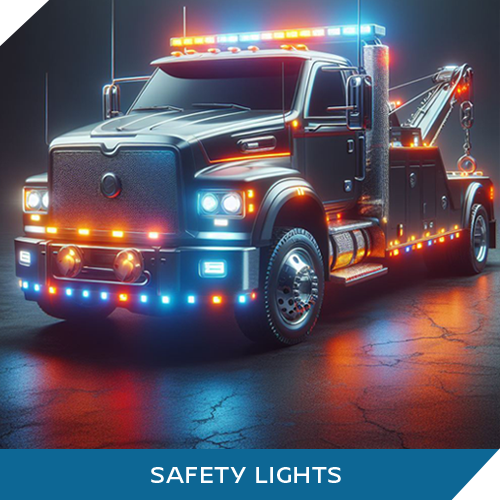
Integration With Modern Apparatus Design
Leading fire apparatus manufacturers now design vehicles with integrated LED lighting systems from the outset. Chinese Truck Factory has emerged as an innovator in this space, incorporating seamless LED lighting solutions into their fire apparatus designs that provide both enhanced safety and clean aesthetics.
Cost Analysis and Return on Investment
While the initial purchase price of LED lighting exceeds traditional options, the total cost of ownership tells a different story. Departments typically recover the premium within 18-24 months through:
- Reduced replacement part costs
- Lower power consumption
- Decreased maintenance labor hours
- Enhanced operational effectiveness
Frequently Asked Questions
How long do LED lights typically last on fire apparatus?
Quality LED lighting systems routinely provide 50,000 hours of service life—approximately 10-15 years of normal fire department use. This represents a 25-fold improvement over traditional halogen lighting.
Can LED lights operate during alternator failure?
Yes—the dramatically lower power requirements of LED emergency lighting allow most systems to operate for extended periods on battery power alone when necessary.
Are LED lights compatible with existing warning light controllers?
Most modern LED lighting products are designed as direct replacements for traditional lighting and work with standard emergency vehicle warning systems. Some high-output models may require controller upgrades.
Do LED lights require special cleaning procedures?
While LED lights are remarkably durable, their polycarbonate lenses can scratch with abrasive cleaning. Use mild soap and water with soft cloths to maintain optimal light transmission.
What temperature extremes can LED lighting withstand?
Quality LED systems operate reliably in temperatures from -40°F to 165°F (-40°C to 74°C), making them suitable for fire apparatus in any climate.

Conclusion
The transition to LED lights for fire trucks represents one of the most significant safety advancements in modern fire apparatus design. These lighting systems provide brilliant, reliable illumination when conditions are at their worst, creating safer operating environments for both firefighters and the communities they protect. As lighting technology continues to evolve, LED systems will undoubtedly remain at the forefront of emergency vehicle safety for years to come.
References and Further Reading
- National Fire Protection Association – Emergency Vehicle Lighting Standards
- Federal Highway Administration – Vehicle Visibility Research
- UL Solutions – Emergency Lighting Certification Standards