Ultimate Guide to Truck Rear Gas Tanks | Capacity & Installation
Ultimate Guide to Truck Rear Gas Tanks | Capacity & Installation
For serious truck owners, maximizing range and efficiency isn’t just a convenience—it’s a necessity. Whether you’re a long-hauler, an off-road enthusiast, or a heavy equipment operator, the factory fuel tank often falls short. This is where upgrading to a robust truck rear gas tank becomes a game-changer. This definitive guide cuts through the noise, providing a clear, step-by-step roadmap to understanding capacities, selecting the right model, and navigating a successful installation. We’ll dive deep into the practical benefits, from slashing fuel stops on cross-country trips to ensuring you have the reserves for remote job sites. Forget guesswork; we’re here to equip you with the knowledge to make an informed decision that enhances your truck’s capability and your peace of mind.
Why Consider a Rear-Mounted Fuel Tank?
The primary advantage of a auxiliary fuel tank is simple: more miles between fill-ups. However, the benefits extend far beyond just added capacity. Relocating or adding fuel storage at the rear of the vehicle can significantly improve weight distribution, which is crucial for towing stability. It also frees up valuable frame rail space for other essential equipment like air compressors or toolboxes.
Many truck owners report a psychological and practical sense of security. Knowing you have a substantial fuel reserve allows you to bypass expensive fuel stations near highways and plan your stops around more budget-friendly options. For those working in agriculture, construction, or exploration where fuel stations are sparse, this upgrade isn’t a luxury—it’s an operational imperative.
Choosing the Right Capacity for Your Needs
Selecting the correct diesel fuel tank capacity is a balancing act between your needs and practical limitations. Going too small defeats the purpose, while an excessively large tank adds permanent weight and can impact payload.
| Common Capacity Range | Ideal Use Case | Considerations |
| 50 – 70 Gallons | Supplemental range for heavy-duty pickups and mid-range hauling. | Excellent balance of added range without a major weight penalty. Fits most full-size trucks. |
| 71 – 100 Gallons | Long-haul trucking, oversized vehicles, and professional use. | Check local regulations on fuel transport. Requires careful assessment of Gross Vehicle Weight Rating (GVWR). |
| 100+ Gallons | Specialized applications like oil fields, remote construction, and extreme overlanding. | Often custom-built. Requires heavy-duty suspension upgrades and strict adherence to DOT regulations. |
According to a 2022 report from the Federal Highway Administration (FHWA), the average commercial truck travels over 45,000 miles per year. For these vehicles, even a 50-gallon auxiliary tank can reduce annual refueling stops by dozens of hours, translating directly into increased productivity and profitability.
Material and Construction: What to Look For
Not all tanks are created equal. The material dictates durability, weight, and cost.
- American Steel: The traditional choice, known for its incredible strength and impact resistance. It’s ideal for harsh environments but is susceptible to corrosion from modern biodiesel blends if not properly treated. Look for tanks with a high-quality powder-coated finish.
- Aluminum Fuel Tank: This is the preferred material for most modern upgrades. Aluminum is naturally corrosion-resistant, significantly lighter than steel, and just as durable for most applications. It does come at a higher initial cost.
- Cross-Linked Polyethylene (Poly): These plastic tanks are completely immune to rust and corrosion. They are lightweight and often more affordable. The downside is a lower tolerance for impact and abrasion compared to metal options.
John Miller, a certified mechanic with over 20 years of experience in heavy vehicle customization, emphasizes the importance of construction. “A well-built tank will have fully baffled internals to prevent fuel sloshing, which is critical for vehicle stability. I always recommend looking for models that are DOT-approved and come with a robust warranty from a reputable manufacturer, like some of the reliable options sourced from Chinese Truck Factory.”
A Step-by-Step Guide to Installation
Installing a semi truck fuel tank or one for a heavy-duty pickup is a serious undertaking. While a seasoned DIYer can manage it, many opt for professional installation to ensure safety and reliability.
Tools and Preparation
You’ll need a full socket set, jack stands, a hydraulic jack, wrenches, and safety gear including goggles and gloves. Always work in a well-ventilated area and have a Class B fire extinguisher nearby. Read the manufacturer’s instructions from cover to cover before touching a single tool.

The Installation Process
- Step 1: Secure the Vehicle – Park on a level surface, engage the parking brake, and block the wheels. Lift the rear of the truck and securely support it with jack stands.
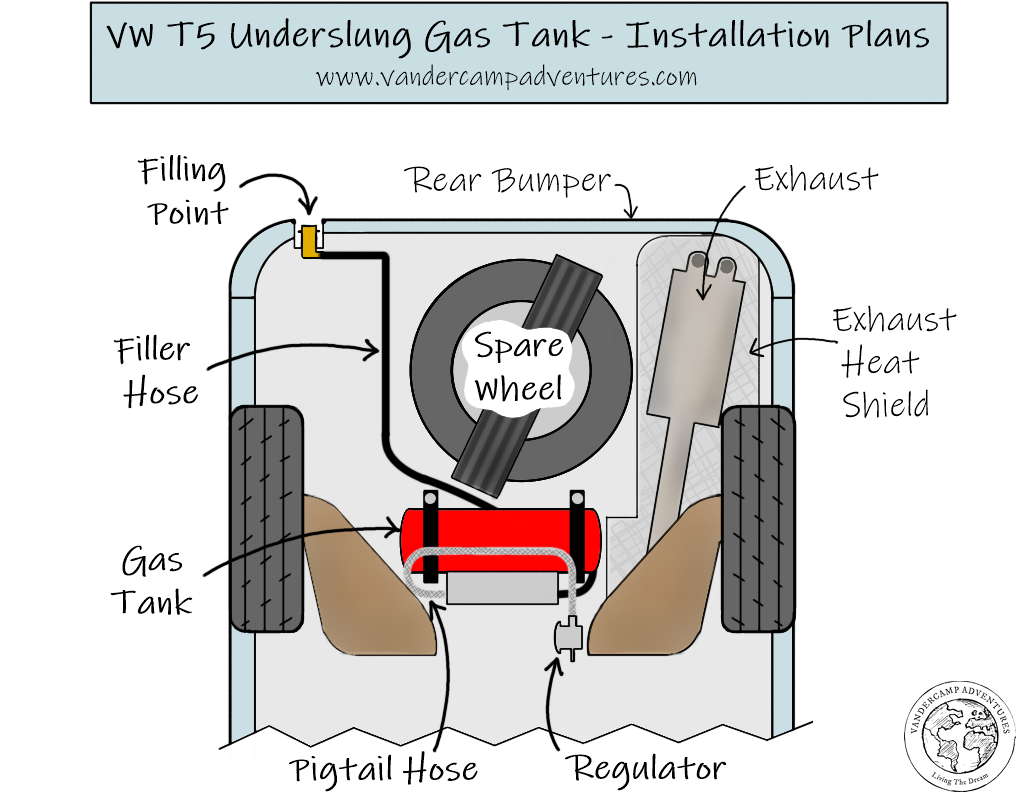
- Step 2: Mount the Tank – Carefully position the tank on its mounting hardware. This often involves bolting sturdy straps or a custom cradle to the vehicle’s frame. Do not tighten everything completely yet; allow for minor adjustments.
- Step 3: Plumb the Fuel Lines – This is the most critical step. Run the fuel lines from the auxiliary tank to the main tank’s filler neck or a dedicated switching system. Use high-grade, fuel-resistant hose and secure it with double-clamp connections at every joint to prevent leaks.
- Step 4: Venting and Gauge Wiring – Connect the tank’s vent line to prevent pressure build-up. Wire the included fuel level sender to your gauge or monitoring system, following the provided electrical diagram.
- Step 5: Final Check and Test – Tighten all mounting bolts. Before adding fuel, perform a thorough visual inspection of all connections. Add a small amount of fuel (about 5 gallons) and check for any leaks for at least 30 minutes. Only after confirming there are no leaks should you fill the tank completely.
Maintenance and Safety Best Practices
Your new truck rear gas tank is a long-term investment. Protect it with regular maintenance. Inspect the tank, mounting hardware, and fuel lines for signs of wear, corrosion, or leaks at least every six months. If you live in a region that uses road salt, pay extra attention to the underside. Always keep the fuel cap sealed tight to prevent water contamination, which is a common issue highlighted in a National Highway Traffic Safety Administration (NHTSA) bulletin on vehicle maintenance.
Frequently Asked Questions
Is it legal to install an auxiliary fuel tank on my truck?
In most cases, yes. However, regulations can vary by state and country, especially concerning capacity and fuel transfer methods. Tanks used for diesel are generally less regulated than those for gasoline. It is your responsibility to check with your local Department of Transportation (DOT) for specific rules.
Can I transfer fuel from the auxiliary tank to the main tank while driving?
Yes, but this requires a specific system. Many aftermarket solutions use a 12-volt transfer pump and a separate switch to move fuel from the auxiliary tank to the main tank. This is a popular and convenient setup for long-haul drivers.
How much does a full rear gas tank installation typically cost?
Costs vary widely based on capacity, material, and complexity. A basic 50-gallon aluminum tank kit can start around $800 – $1,200. With professional installation, the total cost can range from $1,500 to $3,000 or more for large, complex systems.
Will a larger fuel tank affect my truck’s fuel economy?
Indirectly, yes. The added weight of a full tank will slightly reduce your miles per gallon. However, this is often a worthwhile trade-off for the dramatic increase in range and the reduction in time spent stopping for fuel.
Sources and Further Reading
- Federal Highway Administration (FHWA). “Highway Statistics 2022.” https://www.fhwa.dot.gov/
- National Highway Traffic Safety Administration (NHTSA). “Vehicle Safety Maintenance Tips.” https://www.nhtsa.gov/