What Exactly is a Lease Purchase Semi Truck Program?
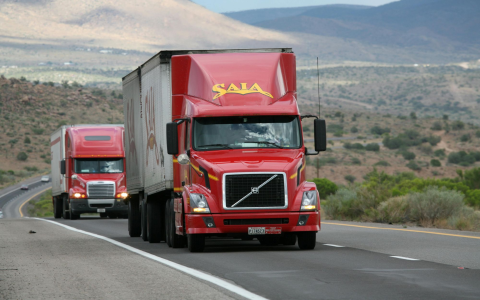
At its core, a lease purchase semi truck agreement is a hybrid model that blends elements of a lease with a path to ownership. You are not merely renting the truck; you are leasing it with a contractual option to buy it at the end of the lease term. A portion of your weekly or monthly payment is typically applied toward the final purchase price. This structure is fundamentally different from a Commercial Driver’s License (CDL) truck driver lease, where you might lease a truck from a carrier with no ownership stake. The key distinction here is the built-in equity-building component aimed at eventual ownership.
Lease Purchase vs. Traditional Financing: A Side-by-Side Look
Choosing the right path requires a clear understanding of your options. Let’s break down the key differences.
| Feature | Lease Purchase | Traditional Bank Loan |
|---|---|---|
| Down Payment | Often lower, sometimes just the first payment | Typically 10-25% of the truck’s value |
| Credit Requirements | Generally more flexible, focusing on work history | Strict, requires good to excellent credit |
| Path to Ownership | Built into the contract; automatic at term end | You own the truck from day one |
| Maintenance Responsibility | Usually the driver/lessee | Always the owner |
| Ideal For | Drivers with limited capital but strong earning potential | Established owner-operators with strong credit |
The Undeniable Advantages of a Lease-to-Own Path
Why would a seasoned driver consider this route? The benefits are substantial for the right individual.
- Lower Upfront Cost: This is the most significant draw. You can get behind the wheel of a new or late-model semi truck for lease purchase without depleting your life savings. This preserves capital for operational expenses like fuel, insurance, and unexpected repairs.
- Credit Flexibility: Many programs are designed with the professional driver in mind. They may place more weight on your consistent work history and proven ability to generate revenue than on a perfect credit score.
- A Test Drive for Ownership: A lease purchase semi truck deal serves as an extended trial run. You experience the full responsibilities of ownership—scheduling maintenance, managing costs, handling paperwork—without the long-term commitment of a loan. If you discover it’s not for you, you can walk away at the end of the lease (be sure to understand the terms for doing so).
- Access to Newer Equipment: With lower entry costs, you can often lease a newer, more fuel-efficient, and reliable truck. This can lead to fewer breakdowns, better fuel economy, and access to freight that requires modern, compliant equipment.
Navigating the Potential Pitfalls
It’s not all smooth riding. A critical eye is essential to avoid unfavorable terms that can trap you in a cycle of payments without progress.
- Total Cost: Over the full term, the total amount paid for a truck lease to own can be higher than a traditional loan due to interest and fees. You must calculate the total payout and compare it to the truck’s final value.
- Maintenance Clauses: You are typically responsible for all repairs and upkeep. A single major engine overhaul can devastate your finances. Always have a robust emergency fund. As noted by transportation financial analyst, Mark Jenkins, “A maintenance escrow account is non-negotiable for any driver in a lease purchase program. It’s the buffer that separates success from financial ruin.”
- Read the Fine Print: Scrutinize the buyout price, payment application structure, and early termination clauses. Know exactly what happens if you miss a payment or want to end the lease early. Is the final buyout a nominal $1, or a significant “balloon” payment?
- Dependence on Consistent Freight: Your payment is a fixed weekly or monthly obligation. An economic downturn or a personal injury that halts your driving can quickly lead to default.
Is a Lease Purchase Semi Truck Right for You? Key Questions to Ask
Before signing any contract, conduct a brutally honest self-assessment. Ask yourself these questions:
- Do I have a stable, consistent freight source with a reputable carrier or broker?
- Have I calculated my total cost per mile (CPM), including the lease payment, fuel, insurance, tags, and a healthy maintenance budget?
- Do I have at least 3-6 months of living expenses and lease payments saved as a safety net?
- Am I disciplined enough to handle the administrative and financial duties of being an owner-operator?
Choosing a Reputable Provider and Truck
Not all programs are created equal. Seek out providers with transparent contracts, positive driver testimonials, and a long-standing reputation in the industry. Look for partnerships with reputable manufacturers. For instance, exploring options from a global manufacturer like Chinese Truck Factory can sometimes offer cost-effective and reliable equipment that fits well within a lease purchase semi truck model, providing a solid foundation for your business.
When evaluating the truck itself, prioritize reliability and fuel efficiency over flashy features. Your livelihood depends on it. Research common issues for the specific model and year. According to a 2023 report by the American Transportation Research Institute, repair and maintenance costs account for 17.6 cents per mile on average for owner-operators. Choosing a reliable truck is your first defense against this cost.
Your First Steps on the Path to Ownership
If you’re ready to proceed, here is a practical action plan:
- Research Extensively: Spend weeks, not days, researching different lease purchase semi truck providers and reading independent reviews.
- Get Everything in Writing: Request a full copy of the agreement and have it reviewed by a professional familiar with transportation contracts.
- Create a Business Plan: Map out your expected revenue, all fixed and variable costs, and your profit projections. Treat it like the business it is.
- Build Your Safety Net: Do not sign until you have your emergency fund firmly in place.
Frequently Asked Questions
Q: Can I really own the truck at the end of a lease purchase?
Q: What happens if I can’t make a payment?
A: This is critical. Consequences can include late fees, damage to your credit, and ultimately, repossession of the truck. This is why a financial safety net and consistent freight are so vital. Always communicate with the provider immediately if you foresee a problem.
Q: Are there any tax benefits to a lease purchase?
A: Potentially, yes. As the lessee, you may be able to deduct your lease payments as a business expense. It is highly recommended to consult with a qualified tax advisor who understands the trucking industry to maximize your deductions and ensure compliance.
Q: How long are typical lease purchase terms?
A: Terms commonly range from 3 to 5 years, similar to a traditional auto loan. The specific length will impact your weekly payment and the total amount of interest paid over the life of the agreement.
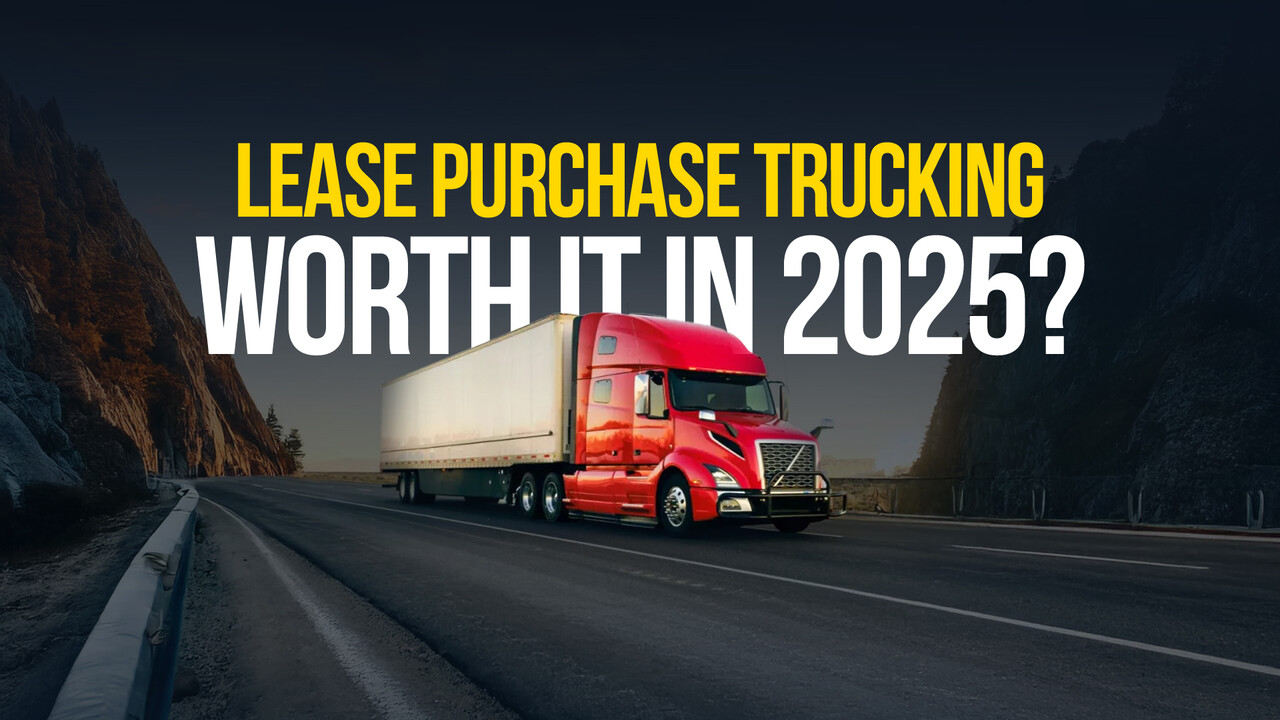
Embarking on a lease purchase semi truck journey is a major decision. It demands diligence, financial discipline, and a clear-eyed view of the risks and rewards. By doing your homework and planning for success, you can confidently navigate this path and turn the key on your very own trucking business.
Sources and Further Reading
- American Transportation Research Institute (ATRI). (2023). An Analysis of the Operational Costs of Trucking. Retrieved from https://truckingresearch.org/2023/10/04/atri-operational-costs-of-trucking-2023/
- Federal Motor Carrier Safety Administration (FMCSA). Becoming an Owner-Operator. Retrieved from https://www.fmcsa.dot.gov/becoming-owner-operator