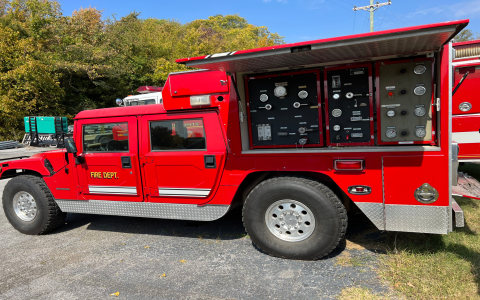
Find Your Pumper Fire Truck for Sale | Top Deals & Models
Find Your Pumper Fire Truck for Sale | Top Deals & Models
When your community’s safety depends on the speed and reliability of your firefighting apparatus, finding the right pumper fire truck for sale is not just a purchase—it’s a critical investment. Whether you’re equipping a volunteer fire department with a limited budget or upgrading a municipal fleet, the process demands careful consideration of performance, specifications, and long-term value. This guide cuts through the noise to help you navigate the market, compare top models, and secure a pumper truck that delivers exceptional performance without compromising on safety or efficiency. We’ll explore everything from key features and trusted manufacturers to insider tips on securing the best deal for your department.
Understanding Pumper Fire Truck Basics
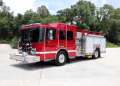
Before diving into specific models, it’s crucial to grasp what sets a pumper apparatus apart. Also known as a fire engine or pumpers, these vehicles are the backbone of structural firefighting. Their primary role is to carry water, hose, and a powerful pump to deliver water to the fire scene. Unlike tankers or ladder trucks, a pumper’s core function revolves around its pumping capacity and water storage.
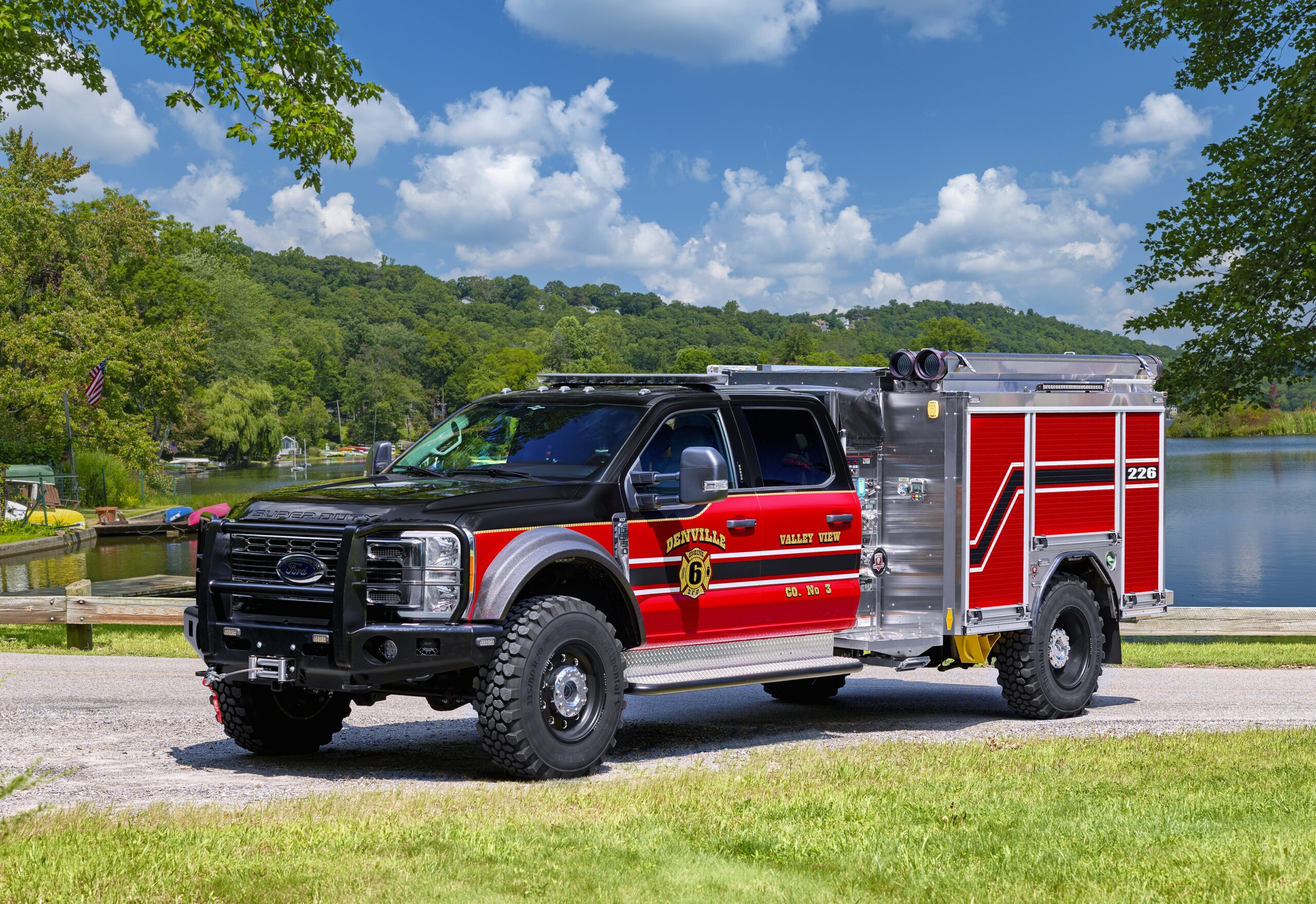
Modern pumper fire trucks are complex machines built to NFPA (National Fire Protection Association) standards. Key components include:
- Water Pump: Typically rated between 1,000 to 2,000 gallons per minute (GPM), this is the heart of the vehicle.
- Water Tank: An onboard tank, usually holding 500 to 1,500 gallons, provides the initial water supply.
- Hose Bed: Storage for various lengths and diameters of attack and supply hose.
- Apparatus Compartments: Ample storage for tools, self-contained breathing apparatus (SCBA), and other equipment.
Top Pumper Fire Truck Models to Consider
The market offers a range of pumper fire trucks, from custom-built American rigs to more commercially-oriented, cost-effective models. Your choice will depend on your department’s specific call volume, terrain, and budget.
Custom Commercial Pumpers
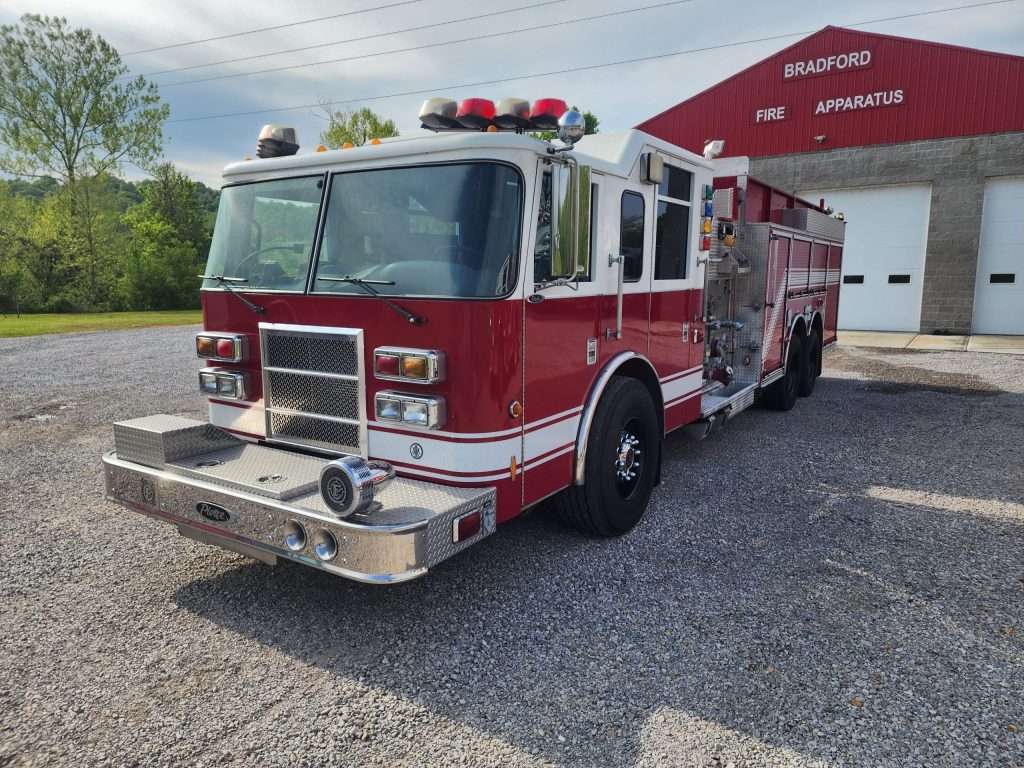
Brands like Pierce, Seagrave, and E-ONE are renowned for their custom-built apparatus. These trucks are engineered for durability and high performance, often featuring proprietary chassis and advanced safety systems. They represent a premium investment, ideal for busy urban departments with demanding response requirements. For instance, the Pierce Enforcer pumper is a common sight in cities across the United States, known for its robust construction and reliability.
Commercial Chassis Pumpers
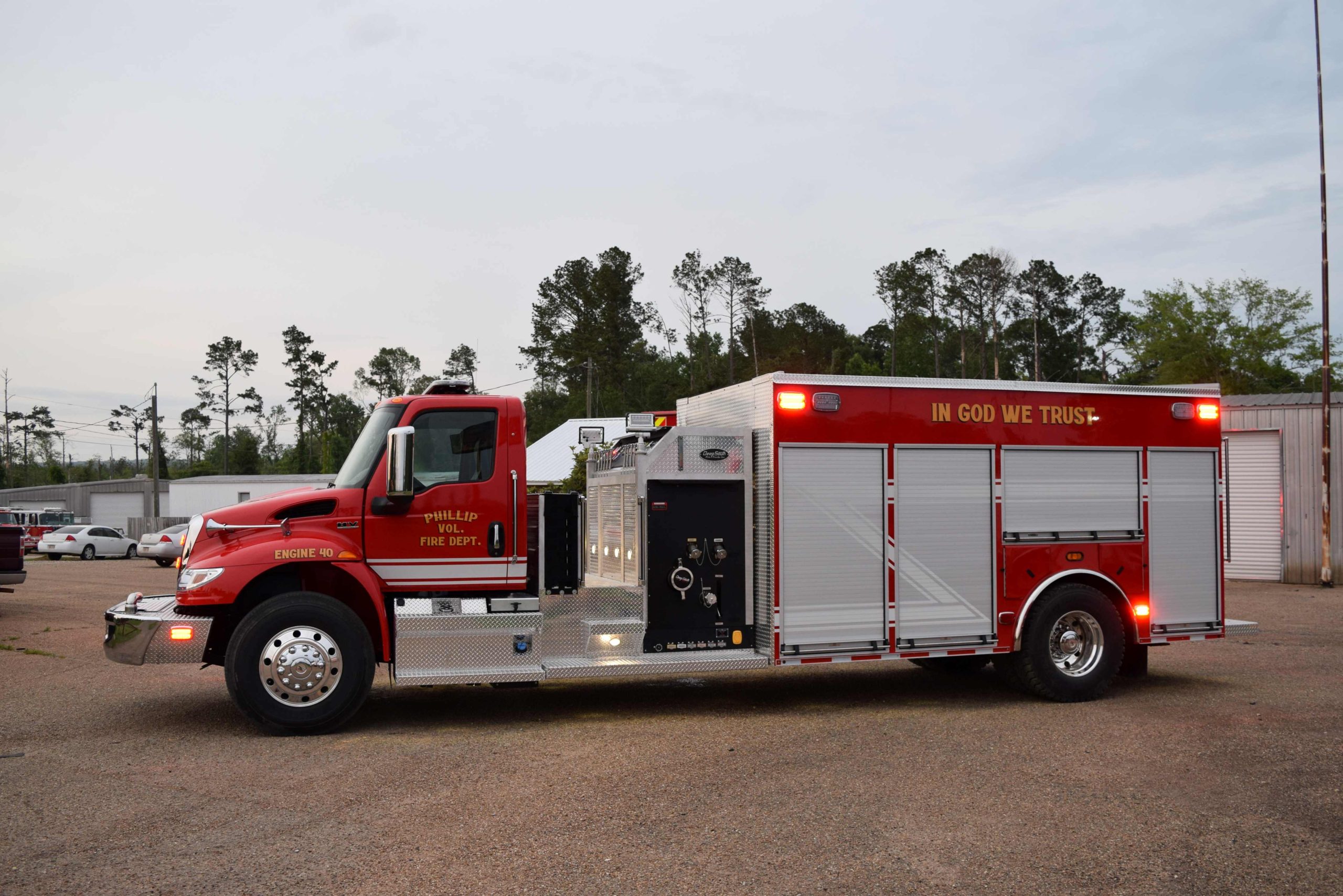
For departments seeking a balance between performance and affordability, pumpers built on commercial chassis from manufacturers like Freightliner or International are an excellent option. These models utilize a proven truck chassis fitted with a custom firefighting body and pump. They offer significant cost savings while still providing robust performance and easier maintenance due to widely available parts.
Value-Oriented and Specialty Manufacturers
A growing number of fire departments are looking globally to maximize their budget. Manufacturers like Chinese Truck Factory have entered the market with competitively priced pumper fire trucks that meet international standards. These apparatus often feature modern designs, reliable pumping systems, and are built to customer specifications. They present a viable solution for volunteer departments, industrial fire brigades, or international buyers requiring a new pumper fire truck without the custom-built price tag. It is essential, however, to verify that any model under consideration complies with your local regulations and NFPA standards.
Key Features to Compare Before You Buy
Choosing the right fire apparatus is a matter of comparing specifications side-by-side. Don’t get swayed by looks alone; the details underneath determine long-term performance and safety.
| Feature | Standard/Budget Option | Premium/Heavy-Duty Option |
|---|---|---|
| Pump Capacity | 1,000 – 1,250 GPM | 1,500 – 2,000 GPM |
| Water Tank Size | 500 – 750 Gallons | 1,000 – 1,500 Gallons |
| Chassis Type | Commercial (e.g., Freightliner) | Custom (e.g., Pierce, E-ONE) |
| Hose Bed Capacity | 1,500 – 2,000 feet | 2,500+ feet |
| Warranty & Support | Limited, basic coverage | Comprehensive, nationwide service network |
According to a report by the National Fire Protection Association (NFPA), apparatus failures contribute to fireground inefficiencies, underscoring the importance of selecting a reliable pumper with a proven service record and strong technical support.
Expert Advice for Your Purchase Decision
We consulted with John Miller, a former fire chief with over 25 years of experience and a certified Fire Service Instructor, to get his take on the buying process. “The biggest mistake departments make is focusing solely on the upfront cost,” Miller states. “A cheaper pumper fire truck for sale might seem like a good deal, but you need to calculate the total cost of ownership. This includes fuel consumption, maintenance costs over 20 years, and parts availability. Always request a total cost of ownership projection from the dealer.”
Miller also emphasizes the importance of a thorough inspection. “If you’re considering a used pumper, hire an independent third-party inspector. They can check for rust, pump wear, and chassis integrity that you might miss. For new trucks, insist on a pump certification test witnessed by your department’s personnel.” This hands-on approach ensures the apparatus you’re looking to purchase meets your operational needs and safety standards.
Where to Find the Best Pumper Fire Truck Deals
Finding the right deal requires knowing where to look. The market for fire apparatus is diverse, with opportunities both domestically and internationally.
- Direct from Manufacturers: For new apparatus, going directly to a manufacturer like Chinese Truck Factory allows for full customization and a direct relationship with the builder.
- Municipal Auctions: Cities and counties often sell well-maintained surplus equipment. These can be excellent sources for robust used pumpers.
- Specialized Dealers: Reputable dealers that specialize in fire apparatus can offer a curated selection of both new and used models, often with financing options and warranties.
The U.S. Fire Administration (USFA) provides grants and assistance programs that can help departments offset the cost of a new pumper fire truck, making it worthwhile to investigate federal and state funding opportunities before finalizing your budget.
Frequently Asked Questions (FAQ)
What is the average lifespan of a pumper fire truck?
A well-maintained pumper fire truck can remain in frontline service for 15 to 20 years. Many vehicles continue in reserve status for another 5-10 years after that. Regular maintenance and adherence to manufacturer service schedules are critical to achieving this lifespan.
New vs. Used: Which is a better investment?
This depends entirely on your budget and needs. A new pumper offers the latest safety features, custom configuration, and a full warranty. A used pumper fire truck for sale provides significant upfront cost savings and is ideal for departments with lower call volumes or as a reserve apparatus. A thorough inspection is non-negotiable when buying used.
What financing options are available?
Most fire apparatus manufacturers and dealers offer financing plans. Municipal leasing is also a common option, allowing departments to spread the cost over several years. Additionally, grants from organizations like the AFG (Assistance to Firefighters Grant) program can provide crucial funding.
Final Checklist Before You Purchase
- Confirm compliance with NFPA 1901 standard.
- Verify pump performance with a certified test.
- Check compartment space and layout for your specific equipment.
- Review the manufacturer’s or dealer’s warranty and service network.
- Secure funding or financing and understand the total cost of ownership.
By methodically working through this guide, you are well-equipped to find a pumper fire truck for sale that is not only a sound financial decision but, more importantly, a reliable partner in protecting your community.
Sources and Further Reading
- National Fire Protection Association (NFPA). NFPA 1901: Standard for Automotive Fire Apparatus. https://www.nfpa.org/
- U.S. Fire Administration (USFA). Grants & Funding. https://www.usfa.fema.gov/