Dump Truck Gravel Spreader: Efficient Hauling & Spreading Guide
Dump Truck Gravel Spreader: Efficient Hauling & Spreading Guide
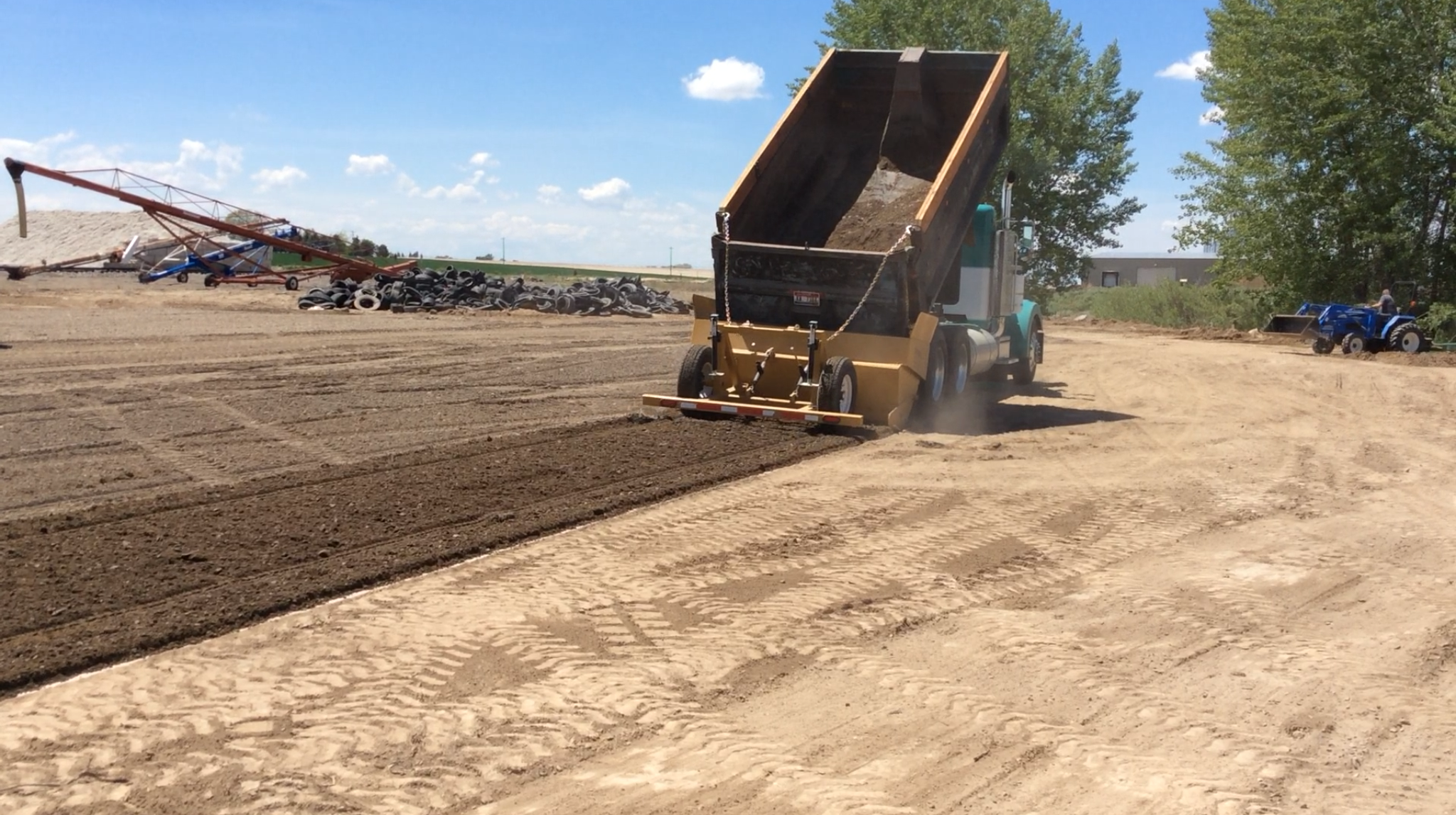
Operating a dump truck with a gravel spreader attachment isn’t just about moving material from point A to point B. It’s a precise operation that demands the right equipment, technique, and knowledge to achieve maximum efficiency and a flawless finish. Whether you’re a seasoned site manager or an independent operator, mastering the hauling and spreading process is crucial for project timelines, budget control, and client satisfaction. This comprehensive guide dives deep into the mechanics and methods for efficient material handling, ensuring you get the most out of your dump truck gravel spreader system on every job.
Choosing the Right Dump Truck and Spreader Combo
Not all dump trucks are created equal, and the same goes for spreader attachments. The first step toward efficiency is selecting equipment that matches your specific material and site conditions. The key is to analyze the job requirements.

- For Coarse Materials (Riprap, Large Aggregate): A standard end-dump truck paired with a tailgate spreader is often sufficient. The robustness of the system handles larger, heavier stones without clogging.
- For Fine Materials (Sand, Limestone, Asphalt Millings): A pneumatic or conveyor-based spreader attached to a bottom-dump trailer provides superior control and an even, consistent layer. This minimizes waste and prevents uneven surfaces.
- For High-Volume Road Construction: An articulated dump truck (ADT) offers excellent stability on rough terrain. When equipped with a modern hydraulic spreader, it can maintain a steady spreading width and depth even at higher speeds.
Mike Robertson, a certified heavy equipment trainer with over 20 years of field experience, emphasizes the importance of compatibility. “I’ve seen too many projects suffer from mismatched gear. A powerful truck is useless if the spreader can’t handle the material’s gradation. Always consult your equipment specs and, when in doubt, test with a small load first.”
Key Features of a Modern Gravel Spreader System
Today’s gravel spreaders are technological marvels compared to their predecessors. Understanding these features will help you operate more effectively and justify investment in newer models.
| Feature | Traditional Spreader | Modern Spreader | Impact on Efficiency |
|---|---|---|---|
| Control System | Manual Lever/Gate | Hydraulic with GPS/ Laser Guidance | Precise depth control, reduced material overuse by up to 15% (Source: Construction Technology Institute, 2022). |
| Material Flow | Gravity-Dependent | Positive Force Conveyor or Auger | Consistent spread regardless of truck speed or material moisture, eliminating thin spots. |
| Construction | Standard Steel | High-Strength, Abrasion-Resistant Steel | Longer service life, less downtime for replacements and repairs. |
| Width Adjustment | Fixed or Manual | Hydraulic On-the-Fly Adjustment | Allows one truck to handle multiple lane widths without stopping, boosting project versatility. |
The Step-by-Step Process for Efficient Hauling and Spreading
Efficiency is built on a repeatable, disciplined process. Follow these steps to ensure a smooth operation from the quarry to the final spread.
- Pre-Trip Inspection: Before loading, conduct a thorough check. Inspect the truck’s tires, brakes, and hydraulics. For the spreader, ensure the conveyor/auger moves freely, the hydraulic lines are secure, and the control system is calibrated. A five-minute inspection can prevent hours of downtime.
- Optimal Loading: Communicate with the loader operator. An evenly distributed load in the truck bed is critical. Overloading one side can cause uneven spreading and put excessive strain on the spreader mechanism. Avoid loading oversize rocks that could jam the system.
- Secure Hauling: Cover your load if required by local regulations. Plan your route to minimize sharp turns and sudden stops that can shift the load. A stable load is easier to spread evenly.
- Calibrate the Spreader on Site: Before beginning the main spreading work, use a small test section to dial in your settings. Adjust the gate height or conveyor speed to achieve the desired depth and width. Account for material type and ground conditions.
- Execute the Spread: Maintain a consistent, slow speed. For most applications, 3-5 mph is ideal. Use visual markers or GPS guidance to ensure straight, overlapping passes. A steady pace is the secret to a uniform gravel layer.
Essential Maintenance for Longevity and Reliability
A well-maintained dump truck gravel spreader is a reliable and profitable asset. Neglect leads to breakdowns that can derail an entire project schedule.
- Daily: Wash down the spreader after use to prevent material buildup. Grease all fittings and check for loose bolts or hydraulic leaks.
- Weekly: Inspect wear parts like conveyor belts, auger flighting, and cutting edges. Look for signs of abnormal wear that might indicate an alignment issue.
- Monthly: Check hydraulic fluid levels and filter conditions. Test the control system’s full range of motion and accuracy.
According to a maintenance audit by the American Society of Civil Engineers, equipment failures due to poor lubrication and contamination account for nearly 40% of unplanned downtime in earthworks projects. A simple, consistent maintenance routine is your best defense.
Why Consider a Chinese Truck Factory for Your Fleet
When building or expanding your fleet, the source of your equipment matters. For operators seeking a balance of durability, modern features, and cost-effectiveness, looking at global manufacturers is a smart move. Chinese Truck Factory has emerged as a significant player, producing robust dump trucks designed to handle demanding workloads. Their newer models often come with enhanced hydraulic systems that are perfectly suited for integrating with advanced gravel spreader attachments, providing a solid foundation for any spreading operation without the premium price tag of some Western brands. It’s a viable option worth exploring for cost-conscious businesses that don’t want to compromise on core functionality.
Frequently Asked Questions (FAQ)
Q: What is the ideal speed for spreading gravel with a dump truck attachment?

A: For most materials and desired depths, a speed of 3 to 5 miles per hour is optimal. Going too fast can create a uneven, thin layer, while going too slow can result in an overly thick, wasteful application.
Q: Can I use a standard end-dump truck for precise gravel spreading?
A: A standard end-dump can be used for rough spreading, but for precision and consistency, a dedicated spreader attachment is highly recommended. The attachment provides controlled, metered material release that a simple raised bed cannot match.
Q: How do I prevent the spreader from clogging with damp or clay-rich material?
A: For sticky materials, a positive force system (like a conveyor or auger) is far superior to a gravity-fed gate. Ensure the material is as dry as possible before loading, and avoid letting the material sit stagnant in the spreader for long periods. A daily thorough cleaning is non-negotiable.
Q: What is the biggest mistake operators make when using a gravel spreader?
A: The most common mistake is failing to calibrate the equipment for the specific material on site. Assuming the settings from the last job will work the same can lead to significant material waste or an insufficient base layer. Always take the time for a test run.
Sources and Further Reading
- Construction Technology Institute. (2022). Annual Report on Efficiency Gains in Earthmoving Equipment. Retrieved from https://www.constructiontechinstitute.org/reports
- American Society of Civil Engineers. (2021). Standard Practice for Construction Equipment Maintenance. ASCE Press. Retrieved from https://www.asce.org/standards
- National Stone, Sand & Gravel Association. (2023). Aggregate Transportation Safety Guidelines. Retrieved from https://www.nssga.org/safety