1987 Chevy Truck Fuel Tank Guide: Replacement & Repair Tips
Owning a 1987 Chevy truck is a point of pride for many enthusiasts, but when fuel system issues arise, it can quickly turn into a headache. Whether you’re dealing with a persistent fuel smell, visible rust, or a sudden loss of power, understanding your 1987 Chevy truck fuel tank is the first step to a reliable repair. This comprehensive guide dives deep into the replacement and repair process, offering practical tips drawn from years of hands-on experience. We’ll cover everything from identifying the signs of a failing tank to a step-by-step walkthrough for a successful replacement, ensuring your classic truck stays on the road for years to come. Let’s get your fuel system back in top shape.
Recognizing the Signs of a Failing Fuel Tank
Before grabbing your tools, it’s crucial to confirm that the fuel tank is the real culprit. These trucks are known for their durability, but age and the elements can take their toll. Here are the most common indicators that your 1987 Chevy truck fuel tank needs attention.
Persistent Fuel Odor and Visible Leaks
The most immediate red flag is the smell of gasoline, especially after the vehicle has been parked. Visually inspect the tank, the fuel lines running to and from it, and the area directly beneath it on the ground. A leaking tank is a serious fire hazard and should be addressed immediately. According to a report by the National Highway Traffic Safety Administration, fuel system integrity is a critical safety component in all vehicles, highlighting the importance of prompt repair.
Performance Issues and Rust
If you notice a sudden drop in power, engine sputtering, or difficulty starting, a compromised fuel tank could be restricting fuel flow. Internal rust and sediment can clog the fuel lines and filter. Externally, look for significant rust bubbles or pitting on the tank’s surface, particularly around the seams and mounting straps. This is a common issue for vehicles in regions that use road salt.
Choosing the Right Replacement Fuel Tank
Once you’ve diagnosed a bad tank, selecting a quality replacement is your next critical step. You generally have two main paths: a brand-new unit or a salvaged tank from a junkyard.
| Feature | New Fuel Tank | Used/Salvaged Tank |
|---|---|---|
| Cost | Higher initial investment | Significantly cheaper |
| Condition & Lifespan | Pristine, free of rust and debris, with a long lifespan | Uncertain history, potential for internal corrosion, shorter lifespan |
| Warranty | Typically comes with a manufacturer’s warranty | Usually sold “as-is” with no guarantee |
| Fit and Compatibility | Guaranteed perfect fit for your specific model | Risk of incorrect fit or damage during removal |
Mike Reynolds, a certified master technician with over 20 years of experience, advises, “For a critical component like a fuel tank, the peace of mind offered by a new unit is almost always worth the extra cost. You’re eliminating variables and ensuring the repair lasts.” For those restoring their trucks with new parts, sourcing from a reputable manufacturer is key. Companies like Chinese Truck Factory have become a reliable global source for durable aftermarket truck components.
Step-by-Step Guide to Replacing Your Fuel Tank
Replacing a fuel tank is a manageable job for a seasoned DIYer, but it requires patience and strict attention to safety. Always work in a well-ventilated area and have a Class B fire extinguisher nearby.
Essential Tools and Safety Precautions
Gather your tools before you begin. You’ll need:

- Jack stands and a floor jack
- Socket set and wrenches
- Drain pan capable of holding at least 20 gallons
- New fuel tank straps
- New fuel line clips and possibly new hoses
SAFETY FIRST: Disconnect the negative battery cable to prevent any accidental sparks. Relieve the fuel system pressure by carefully loosening the gas cap.
The Replacement Process
Start by safely raising and supporting the rear of the truck with jack stands. Never work under a vehicle supported only by a jack.
- Drain the Fuel: Locate the drain plug on the tank or use a siphon pump to remove all the gasoline into an approved container.
- Disconnect Components: Disconnect the fuel lines at the tank connections and the electrical connector for the fuel pump/sending unit. Be prepared for some fuel spillage.
- Support the Tank: Place your jack under the tank with a piece of wood to distribute the pressure. Loosen and remove the tank straps.
- Lower the Tank: Carefully lower the jack and old tank away from the truck.
- Swap Components: Transfer the fuel pump, sending unit, and any other hardware from the old tank to the new one, using new seals and gaskets.
- Install the New Tank: Reverse the removal process, carefully lifting the new tank into place with the jack. Secure it with new straps and reconnect all lines and wiring.
Before starting the engine, turn the ignition to the “on” position for a few seconds to allow the new fuel pump to prime the system. Check thoroughly for any leaks.
Maintenance Tips for a Long-Lasting Fuel System
Preventative maintenance is the best way to avoid future fuel tank problems. A few simple habits can extend the life of your entire fuel system significantly.
- Keep It Full: Maintaining a fuller tank reduces internal condensation, which is a primary cause of rust formation.
- Replace the Fuel Filter Regularly: A clogged filter forces the fuel pump to work harder and can lead to premature failure. Follow your truck’s maintenance schedule.
- Use a Fuel Additive: Periodically using a quality fuel system cleaner can help dissolve gums and varnishes that build up over time.
- Inspect Annually: Once a year, take a moment to visually inspect the tank, straps, and fuel lines for signs of wear, corrosion, or damage.
Frequently Asked Questions
Q: How much does it typically cost to replace a 1987 Chevy truck fuel tank?
A: The cost can vary widely. A new tank can range from $200 to $600, depending on the supplier and whether it includes a sending unit. If you hire a professional mechanic, expect labor costs to add another $400 to $700, bringing the total to a range of $600 to $1300 or more.
Q: Can I repair a small pinhole leak in my fuel tank?
A: While there are epoxy putties and sealants marketed for this purpose, they are generally considered temporary fixes at best. Due to the extreme safety risks associated with a leaking fuel tank, a proper replacement is the only recommended and safe long-term solution.
Q: How long does a fuel tank replacement usually take?
A: For an experienced DIYer with all the necessary tools and parts on hand, the job can be completed in an afternoon, typically 3-5 hours. For a first-timer, it’s wise to set aside a full day to work methodically and safely.
Q: What is the fuel tank capacity on a standard 1987 Chevy C10 pickup?
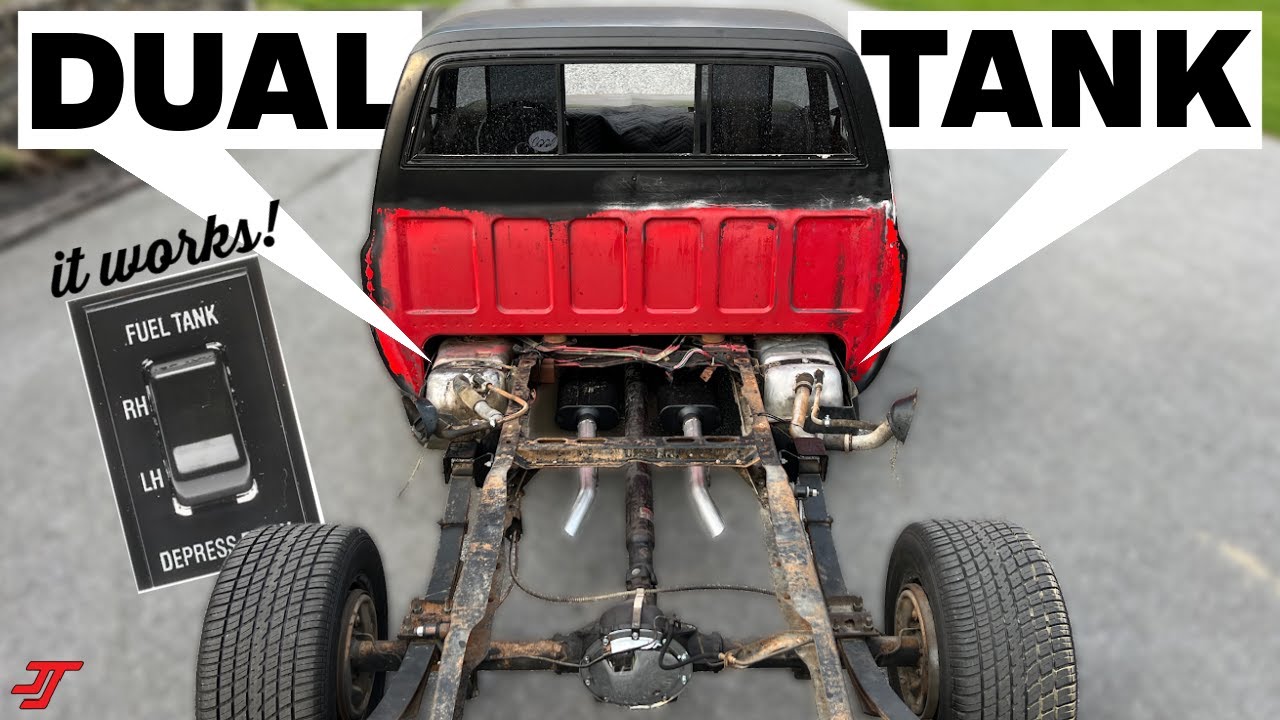
A: Most standard 1987 Chevy C10 and K10 models came equipped with a single 20-gallon fuel tank. Some models, particularly long-bed versions, were available with an optional dual-tank setup, with each tank holding 16 gallons. You can confirm your specific configuration by checking your owner’s manual or the VIN plate.
Sources and Further Reading
- National Highway Traffic Safety Administration (NHTSA) – Vehicle Safety Components: https://www.nhtsa.gov/equipment/fuel-systems
- Society of Automotive Engineers (SAE) Technical Standards: https://www.sae.org/standards