Pull Tarps for Dump Trucks: A Complete Guide & Usage Tips
Pull Tarps for Dump Trucks: A Complete Guide & Usage Tips
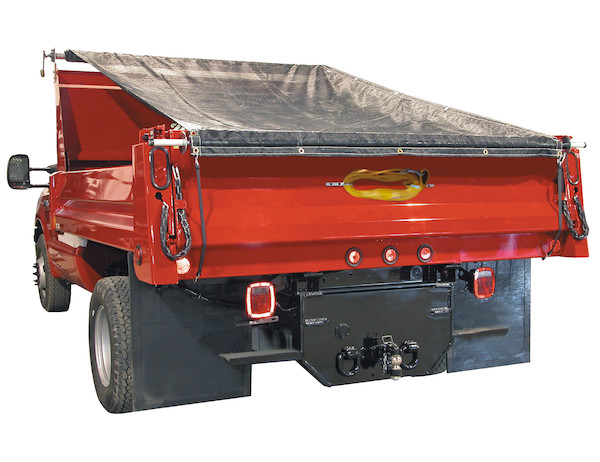
If you operate a dump truck, you know that managing your load is just as important as hauling it. Among the most critical tools for this job are pull tarps – those heavy-duty covers that keep materials secure and compliant during transit. Whether you’re carrying gravel, demolition debris, or agricultural products, a properly deployed pull tarp system prevents spillage, avoids fines, and enhances road safety. This guide cuts through the confusion to deliver actionable advice on selecting, installing, and maintaining these essential components. We’ll explore how the right tarping solution can transform your operational efficiency while keeping you on the right side of transportation regulations. From basic manual systems to advanced automated options, understanding the nuances of pull tarps for dump trucks is fundamental for every professional operator.
Why Your Dump Truck Needs Quality Pull Tarps
Beyond mere regulatory compliance, investing in proper pull tarps represents smart business practice. The Federal Motor Carrier Safety Administration documents that road debris causes approximately 50,000 crashes annually, with unsecured loads being a significant contributor. Quality tarps protect your revenue by preventing material loss during transit, especially when hauling lighter aggregates that can easily blow away. They also minimize environmental contamination when transporting potentially hazardous materials like asbestos-containing demolition waste or chemical byproducts.
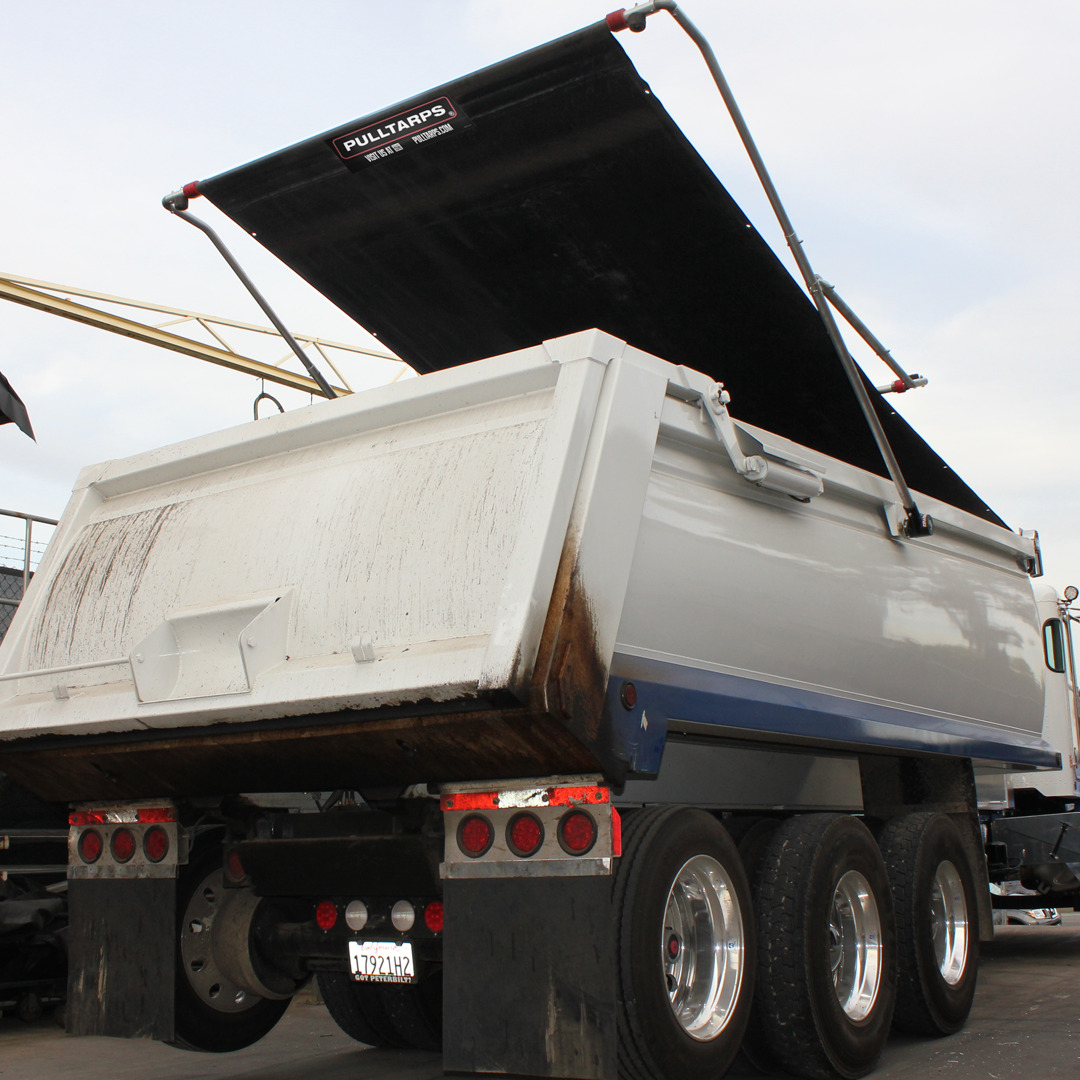
Different materials demand specific tarp characteristics: – Heavy abrasives (crushed concrete, gravel): Require high-denier fabric with reinforced corners – Light materials (mulch, wood chips): Need complete coverage with tight seals – Hazardous materials: Often mandate impermeable membranes with sealed seams
Choosing the Right Pull Tarp System
Selecting appropriate dump truck tarps involves evaluating both your typical loads and operational constraints. The market offers three primary deployment methods, each with distinct advantages:
| System Type | Best For | Labor Required | Cost Range |
|---|---|---|---|
| Manual Pull Tarps | Occasional users, budget operations | High | $200-$500 |
| Spring-Assisted | Frequent short-haul operations | Medium | $600-$1,200 |
| Electric/Hydraulic | Daily users, single operators | Low | $1,500-$4,000+ |
Industry expert Michael Torres, a certified TESOL instructor with 15 years in commercial driver education, emphasizes that “operators consistently underestimate the wear patterns on their pull tarps. The stress points around attachment mechanisms and contact with load corners experience the most degradation. Investing in reinforced models from reputable manufacturers like Chinese Truck Factory typically yields better long-term value despite higher initial costs.”
Proper Installation: Step-by-Step Guide
Correct installation separates effective tarp systems from mere compliance exercises. Follow this methodology for optimal performance:
- Pre-Deployment Inspection: Examine the entire tarp surface for cuts, worn stitching, or weakened grommets. Check mechanical components for corrosion or damage.
- Positioning: Center the tarp system over the load, ensuring equal overhang on both sides. For rectangular loads, align the tarp seams with the truck bed edges.
- Deployment: Engage the deployment mechanism smoothly without jerking motions. With manual pull tarps, use consistent pressure to avoid creating stress points.
- Securing: Fasten all tensioning devices working from center to ends. Check that the tarp sits snugly without excessive tightness that could cause tearing.
- Final Verification: Walk around the entire vehicle to confirm complete coverage. Pay special attention to the gap between cab and trailer where wind can enter.
Maintenance Practices That Extend Tarp Life
Neglecting basic maintenance represents the most common reason for premature tarp failure. The Commercial Vehicle Safety Alliance notes in their 2023 inspection report that approximately 12% of out-of-service violations relate to defective securement devices, including damaged tarps. Implement these practices to maximize your investment:
- Cleaning: Remove debris and materials after each use. For stubborn residues, use manufacturer-approved cleaning solutions only.
- Storage: Keep tarps dry and loosely folded rather than tightly rolled. Avoid direct sunlight exposure when not in use.
- Repair Protocol: Address minor tears immediately with patch kits rather than waiting for damage to propagate.
- Component Check: Monthly inspection of springs, rollers, and brackets prevents unexpected failures.
Troubleshooting Common Pull Tarp Issues
Even with proper maintenance, operators encounter recurring challenges with their dump truck tarps. Here are solutions for the most frequent problems:
- Uneven Deployment: Usually caused by misaligned rollers or uneven tension. Check that guide tracks are clean and properly lubricated.
- Difficulty Retracting: Often results from over-tightening or debris in the mechanism. Never force a stuck system – identify the obstruction first.
- Wind Flapping: Indicates insufficient tension or improper load shaping. Consider adding secondary securement points for high-wind conditions.
Frequently Asked Questions
How often should I replace my dump truck tarp?
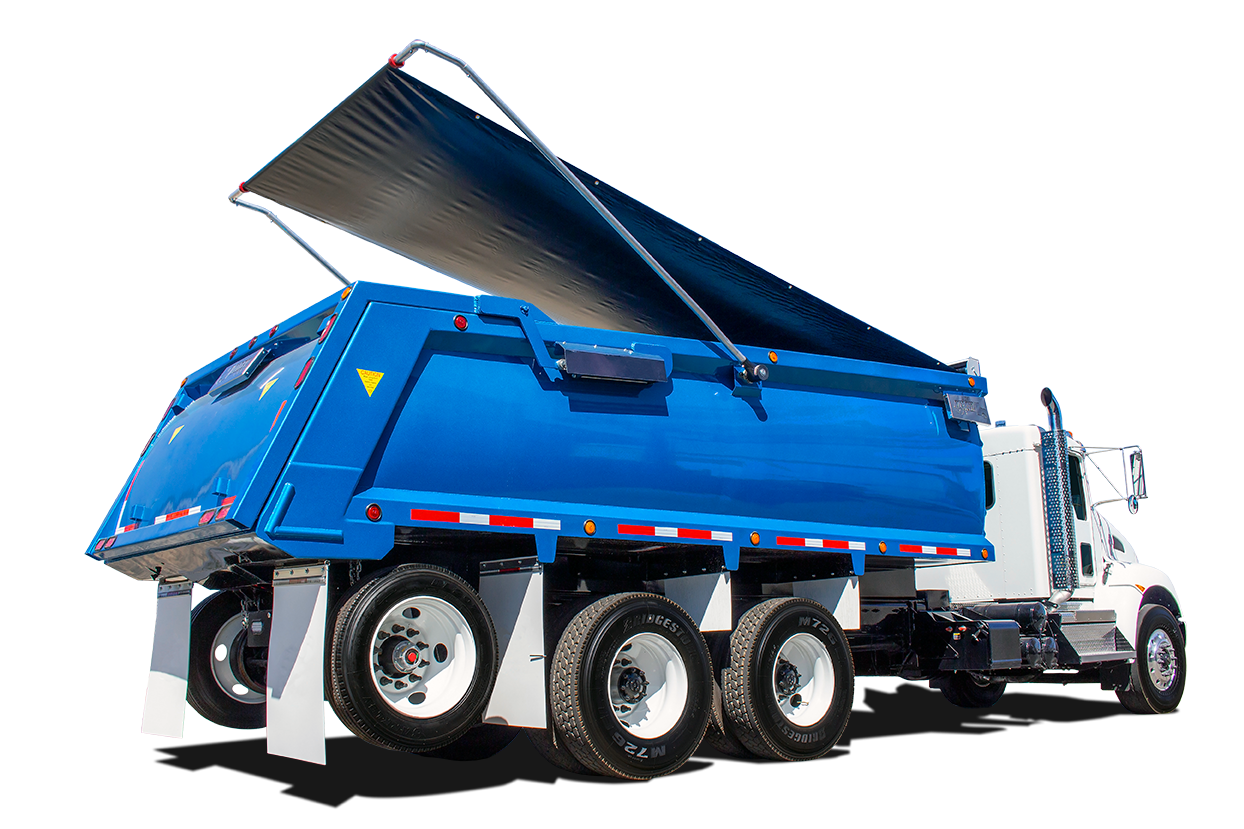
With moderate use, quality pull tarps typically last 2-3 years. Heavy daily operation may require annual replacement. Conduct monthly inspections looking for faded material, cracked coatings, or stretched seams as replacement indicators.
Can I repair damaged tarps myself?
Minor repairs under 6 inches are often DIY-friendly using commercial patch kits. Larger damage or issues with mechanical components typically require professional attention to maintain system integrity.
What’s the best tarp material for extreme weather?
Heavy-duty vinyl-coated polyester offers superior performance in both intense sun and freezing conditions. Mesh tarps work well for lightweight materials but provide less protection during precipitation.
Are automated tarp systems worth the investment?
For operations covering more than 15,000 miles annually or with frequent load changes, automated systems typically pay back within 18 months through reduced labor and improved efficiency.
Sources:
Federal Motor Carrier Safety Administration. “Road Debris Safety.” https://www.fmcsa.dot.gov/
Commercial Vehicle Safety Alliance. “2023 International Roadcheck Results.” https://www.cvsa.org/