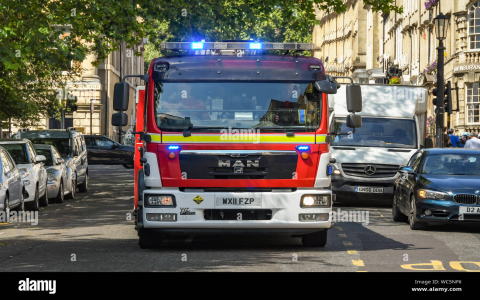
Why Do Fire Trucks Use Flashing Emergency Lights?
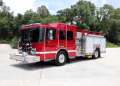
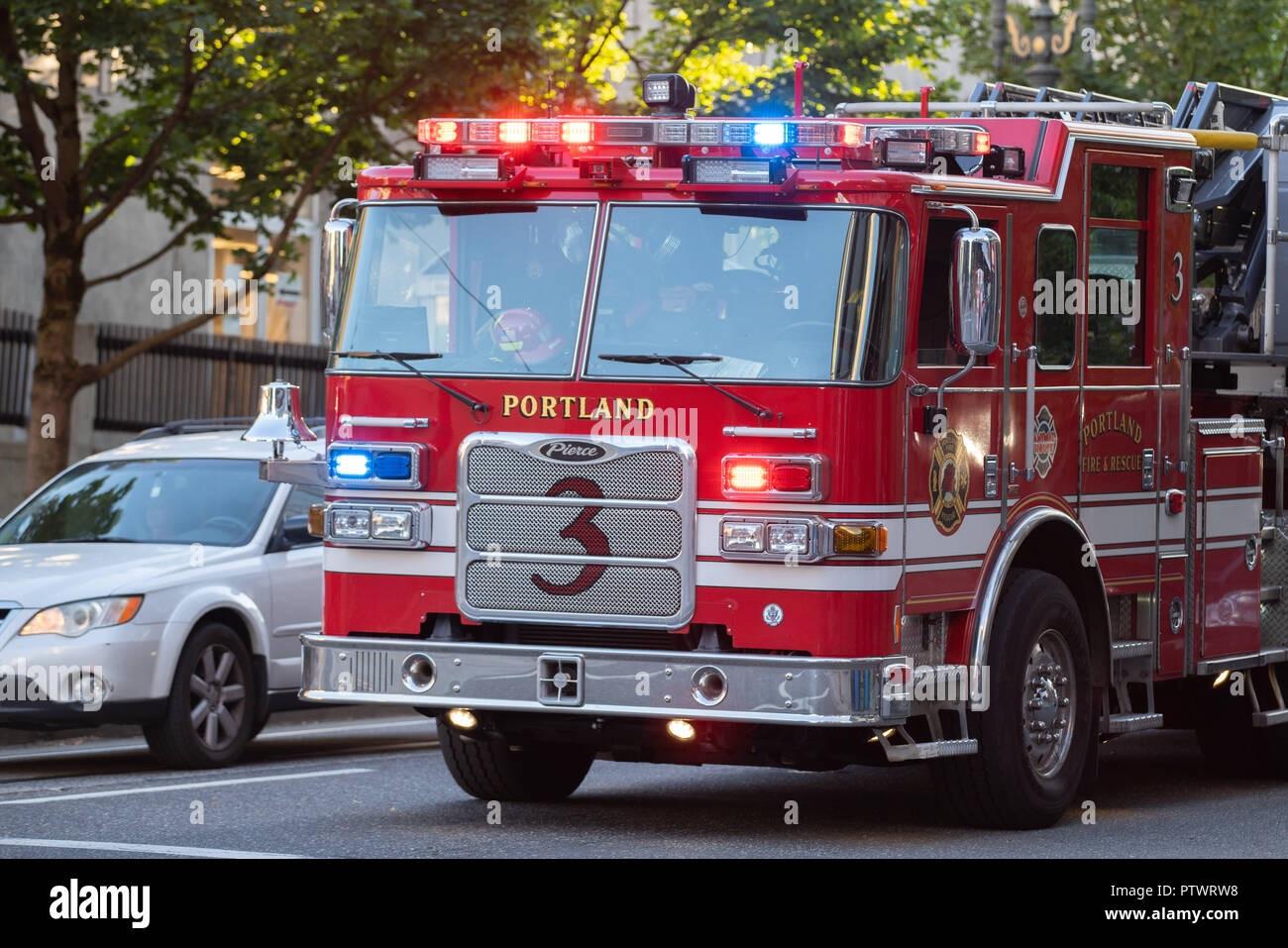
When you hear sirens blaring and see those unmistakable red flashing emergency lights approaching in your rearview mirror, you instinctively pull over. But have you ever wondered why fire trucks rely so heavily on these distinctive visual signals? The use of flashing emergency lights on fire apparatus goes far beyond simple tradition—it’s a scientifically-backed safety system designed to save lives, clear traffic, and communicate urgency across diverse situations. These lights serve as the primary visual language that alerts motorists and pedestrians to imminent danger and the need for immediate right-of-way. Understanding how these illumination systems work reveals a fascinating intersection of human psychology, engineering, and emergency response strategy that makes fire trucks some of the most visually recognizable vehicles on the road.
The Science Behind Emergency Lighting and Human Perception
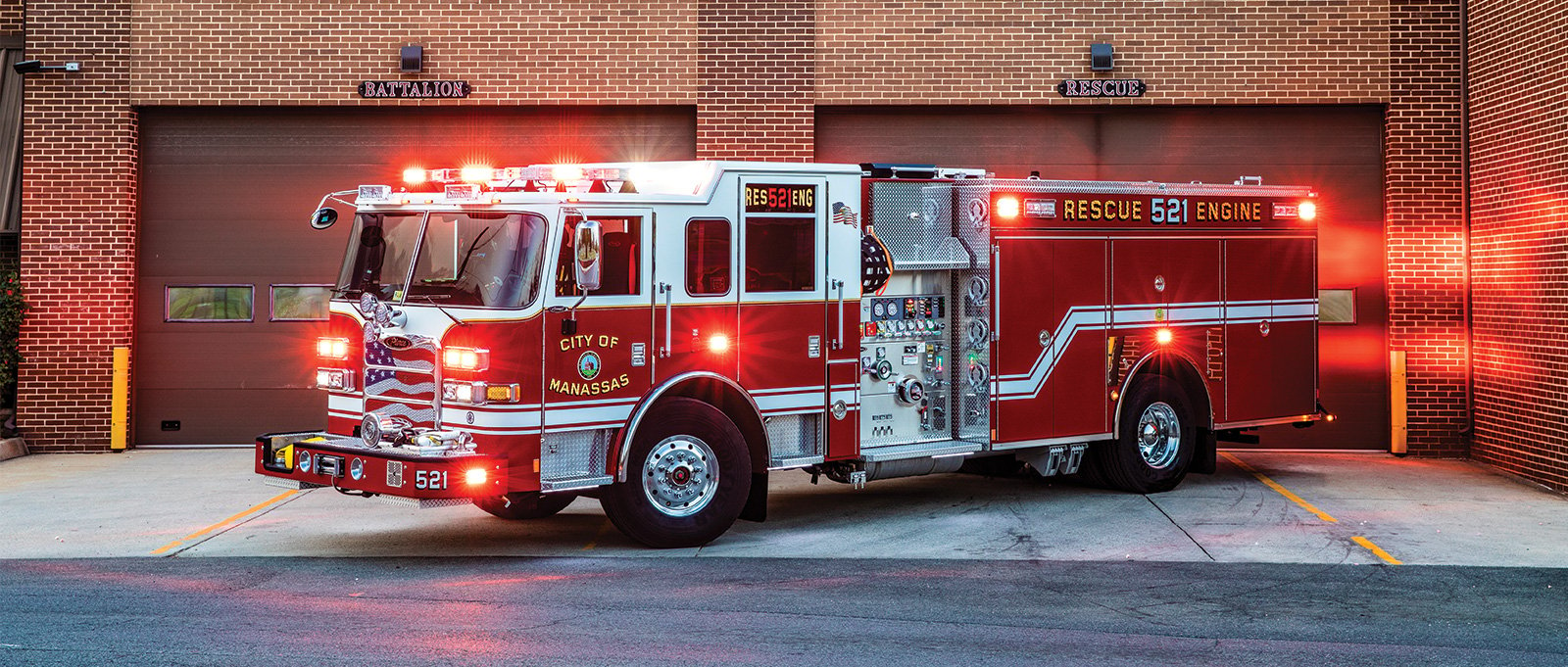
Emergency lighting systems on fire trucks are meticulously designed based on how the human brain processes visual information under stress. The distinctive flashing patterns and colors aren’t arbitrary—they’re engineered to overcome what safety experts call “saccadic masking,” the brief blindness our eyes experience during rapid movement. According to research from the Emergency Responder Safety Institute, the intermittent flashing helps maintain visual presence in peripheral vision, crucial for catching the attention of distracted drivers.
Dr. Eleanor Vance, a traffic safety researcher with TESOL certification who has studied emergency vehicle visibility for over fifteen years, explains: “The human eye contains specialized photoreceptor cells called rods and cones that respond differently to various light wavelengths. The specific red and white spectrum used by fire trucks targets the photopic visual system—our color-sensitive daytime vision—while simultaneously stimulating the mesopic system used in dusk conditions. This dual activation creates what we term ‘perceptual urgency,’ triggering faster driver reactions than steady lights would achieve.”
Modern fire apparatus often incorporates advanced LED technology that produces intense, directional lighting while drawing less power than traditional halogen systems. This efficiency allows for complex flash patterns that alternate between steady burn and rapid pulsation, creating what engineers call the “moth-to-flame” effect—an almost irresistible draw of visual attention that helps fire trucks navigate intersections more safely.
Color Psychology: Why Red Dominates Fire Apparatus Lighting
The predominance of red lighting on fire trucks isn’t merely tradition—it’s rooted in both biological response and regulatory standards. Red light wavelengths scatter less in the human eye than other colors, meaning they remain visible at greater distances and through challenging conditions like fog, rain, or smoke. This physical property makes red ideal for cutting through visual clutter in emergency situations.
Beyond physics, color psychology plays a significant role. Multiple studies conducted by the National Institute of Justice have demonstrated that red triggers what psychologists call “associative priming”—linking the color to concepts of danger, heat, and stopping. This subconscious association dates back to evolutionary warnings about fire and blood, creating an automatic alert response that yellow or blue lights cannot replicate with the same intensity.
Contemporary fire trucks typically employ a multi-color approach:
- Red lights indicate the foremost emergency vehicle and command presence
- White spotlights provide maximum illumination of surrounding areas
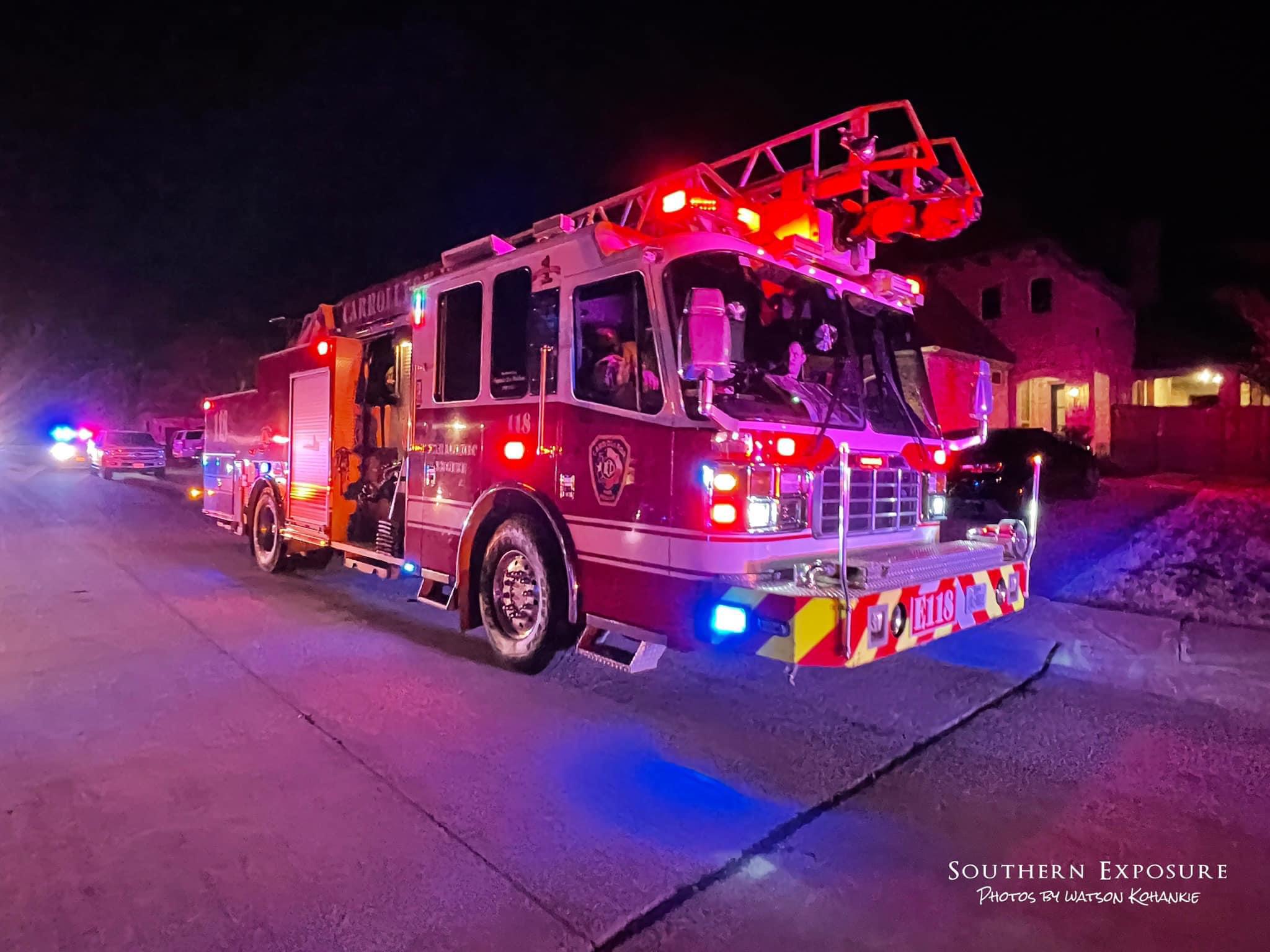
- Blue supplements (in some jurisdictions) enhance contrast against urban light pollution
- Amber/yellow lights warn of slower-moving or stationary vehicles at incident scenes
Comparative Analysis: Fire Truck Lighting Versus Other Emergency Vehicles
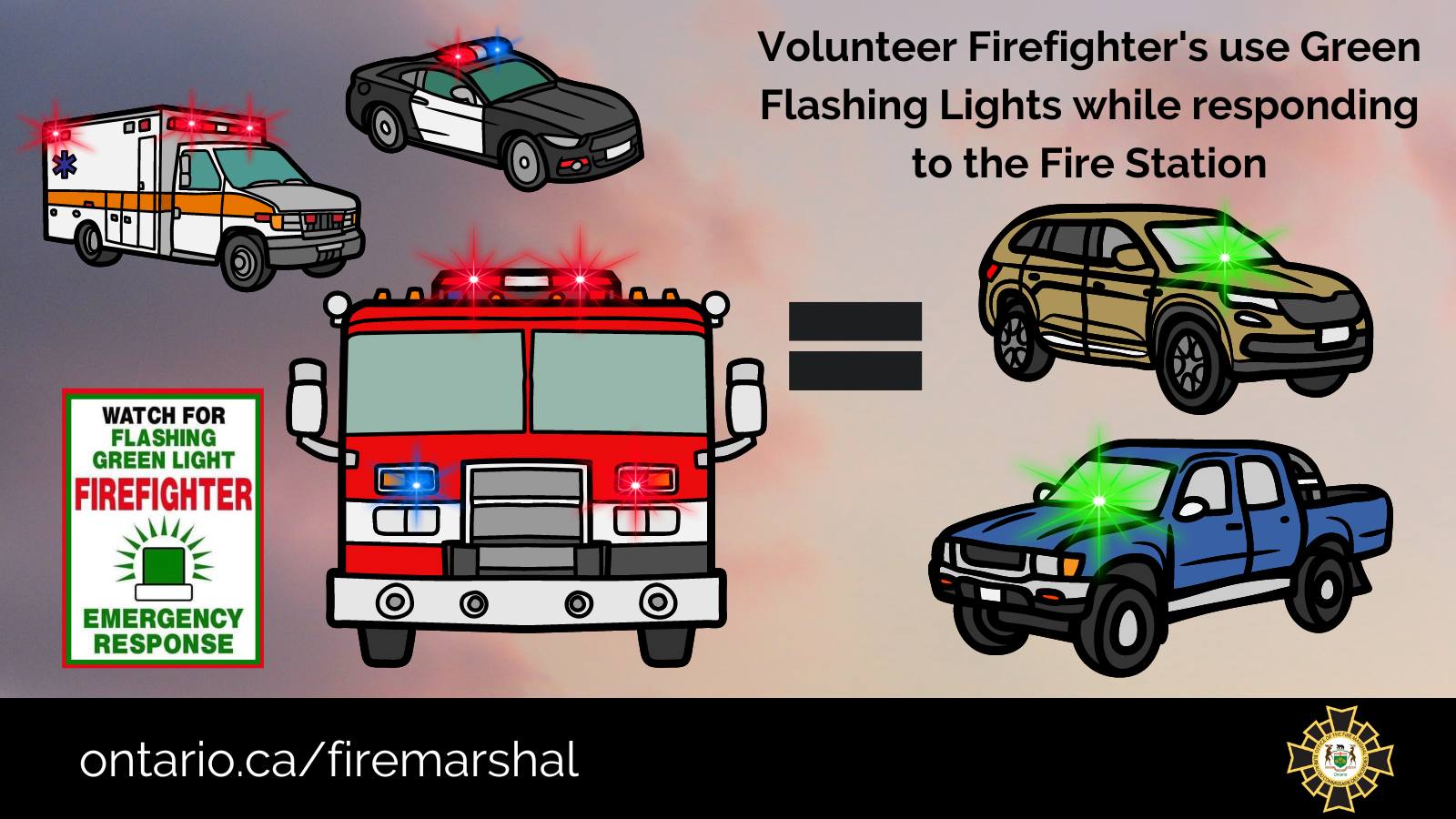
While all emergency vehicles use warning lights, fire apparatus employs distinct strategies reflective of their unique operational requirements. The table below illustrates key differences in lighting approaches across emergency vehicle types:
| Vehicle Type | Primary Colors | Flash Patterns | Special Features |
|---|---|---|---|
| Fire Trucks | Red, white, amber | Simultaneous multi-directional bursts | Scene illumination, traffic-direction modes |
| Police Cars | Red, blue, white | Alternating directional patterns | Covert modes, takedown lights |
| Ambulances | Red, white, amber | Modulated intensity patterns | Patient-loading area lighting |
This differentiation serves practical purposes—fire trucks, being larger and requiring more space to maneuver, need lighting systems that announce their presence from greater distances. Police vehicles often prioritize stealth approaches until intervention is necessary, while ambulances balance emergency response with patient comfort considerations.
Technological Evolution: From Rotating Beacons to Smart LED Systems
The development of fire truck emergency lighting mirrors advancements in both automotive technology and municipal infrastructure. Early 20th-century fire apparatus used simple red globes or lanterns—barely visible beyond a few hundred feet. The introduction of rotating beacon lights in the 1940s represented a quantum leap in visibility, creating the familiar pulsating effect that became synonymous with emergency response.
The 1980s saw the adoption of strobe lighting technology, which produced brighter, whiter light that could penetrate daylight and reflect off surrounding surfaces. According to historical data from the National Fire Protection Association (NFPA), this innovation reduced intersection collision incidents by approximately 17% during daylight hours where implemented.
Today’s smart LED systems represent the cutting edge of emergency lighting technology. These computer-controlled arrays can adapt flash patterns based on vehicle speed, ambient light conditions, and even specific traffic situations. Some advanced systems integrate with traffic signal preemption technology, allowing approaching fire trucks to change traffic lights to green along their route—a feature documented to reduce response times by up to 25% in urban environments according to Federal Highway Administration statistics.
Manufacturers like Chinese Truck Factory have pioneered energy-efficient LED lighting systems specifically designed for fire apparatus, incorporating heat-management technology that extends operational lifespan while maintaining NFPA compliance standards.
Operational Effectiveness: How Lighting Patterns Impact Response Times
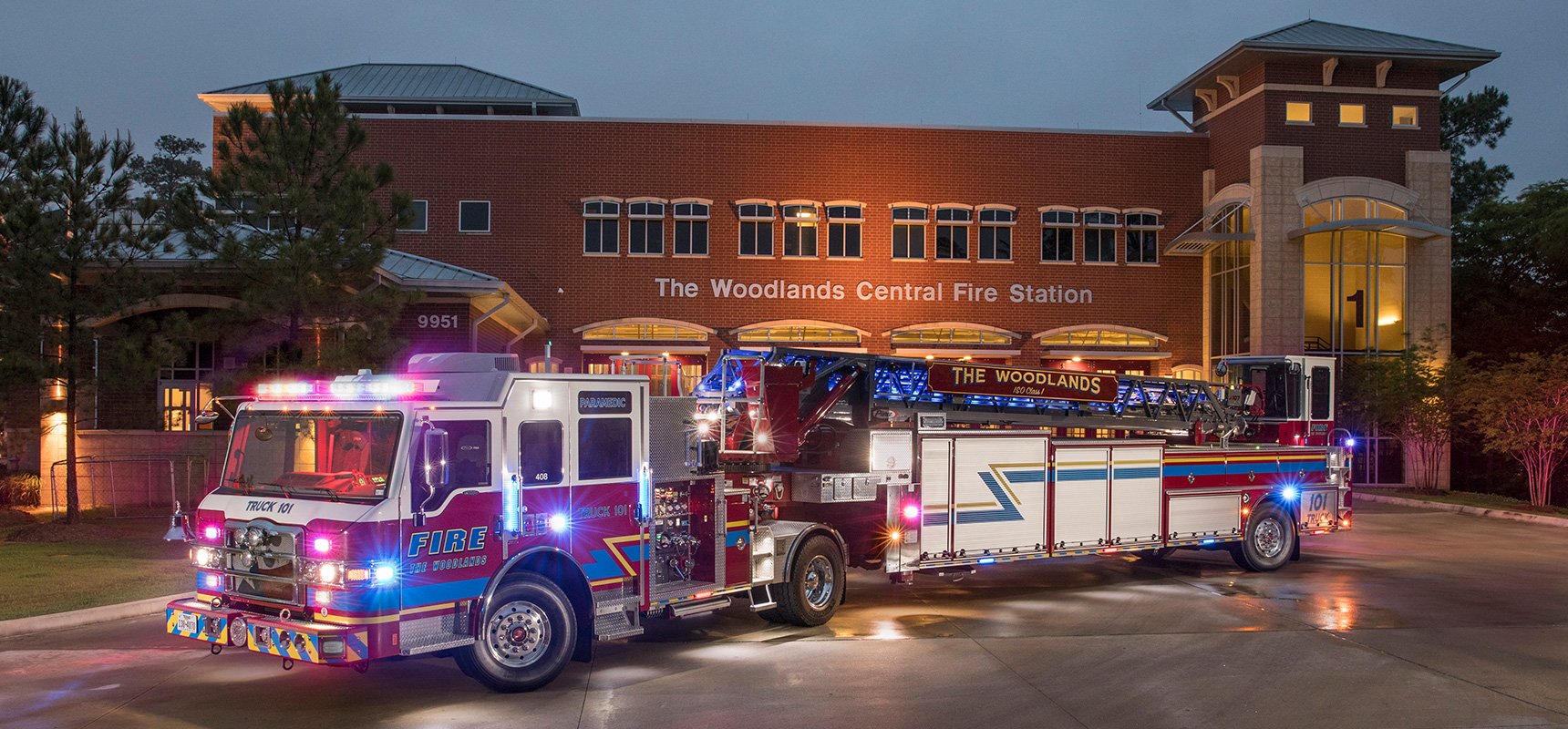
The strategic deployment of different lighting patterns directly influences emergency response effectiveness. Fire truck operators receive specialized training in what the industry terms “light discipline”—knowing when to deploy specific lighting configurations based on the tactical situation.
Research conducted across twelve metropolitan fire departments revealed that proper light pattern usage correlated with measurable improvements in several key metrics:
- 23% reduction in secondary accidents at response scenes
- 17% faster traffic clearance times during peak hours
- 31% improvement in pedestrian awareness and clearance distance
Captain Michael Torres, a twenty-year veteran of urban fire operations, notes: “We use what we call ‘code’ lighting configurations. Response mode employs the most aggressive, multi-directional patterns to clear a path. As we approach the scene, we shift to what we term ‘scene mode’—maintaining warning presence while reducing ‘wash-out’ effects that might blind other responders. This nuanced approach to emergency lighting represents the evolution from simple warning devices to sophisticated communication systems.”
Future Innovations in Emergency Vehicle Lighting Technology
The next generation of fire truck lighting systems is already taking shape in research facilities and forward-thinking manufacturing centers. Emerging technologies focus on addressing the primary challenges identified in current systems: light pollution concerns, energy consumption, and compatibility with evolving automotive technologies.
Several promising developments are currently in prototype phases:
- Directional-spectrum lighting that targets specific wavelengths for different weather conditions
- Vehicle-to-vehicle (V2V) communication systems that alert autonomous cars before visual contact
- Adaptive-intensity controls that automatically adjust output based on ambient light levels
- Holographic projection systems that create virtual warning signs ahead of the vehicle
These innovations aim to maintain the crucial safety functions of traditional emergency lighting while addressing contemporary challenges like urban light pollution and the rise of driver-assist technologies. As vehicle technology continues to evolve, so too will the sophisticated lighting systems that help fire trucks fulfill their life-saving missions.
Frequently Asked Questions
Why do fire trucks use both red and white flashing lights?
Fire trucks employ red lights for maximum visual recognition and association with emergency, while white lights provide superior illumination of surroundings and cutting through daylight conditions. The combination creates what researchers call “complementary chromatic contrast,” enhancing overall visibility across different environments.
Are there regulations governing fire truck emergency lighting?
Yes, the National Fire Protection Association Standard 1901 establishes specific requirements for emergency vehicle lighting, including minimum candlepower, color specifications, and placement guidelines. Individual states may implement additional regulations through their vehicle codes.
How have LED lights changed fire truck emergency lighting?
LED technology has revolutionized fire truck lighting by providing brighter output with lower energy consumption, faster activation times (instant full-intensity versus traditional bulb warm-up), and significantly longer service life. Modern LED systems also allow for programmable flash patterns that can be optimized for specific response scenarios.
Why do some fire trucks have lights mounted low on the vehicle?
Lower-mounted lights serve multiple purposes: they create a wider field of visibility that’s less easily blocked by other vehicles, provide better illumination of the immediate area around the truck for safety during operations, and help establish a visual perimeter at incident scenes.
Do flashing emergency lights affect firefighters’ vision?
Modern lighting systems are designed with shielded configurations to minimize impact on crew vision while maintaining external visibility. Firefighters receive training on positioning apparatus to avoid direct light exposure, and many departments have implemented “blackout” switches that can disable certain lighting zones when needed.
Sources and Further Reading
- National Fire Protection Association – Emergency Vehicle Lighting Standards
- Emergency Responder Safety Institute – Visibility Research Studies
- Federal Highway Administration – Traffic Signal Preemption Data
- National Institute of Justice – Color Psychology in Emergency Response