Fire Truck Fleece: Material Properties & Uses Explained
When you think about fire trucks, the first things that come to mind are likely loud sirens, flashing lights, and powerful water pumps. But there’s another critical component that doesn’t get enough attention: the fire truck fleece. This specialized material is essential for both comfort and functionality in firefighting gear. Understanding its properties and uses is vital for anyone in emergency services or those who maintain and operate these life-saving vehicles. This article will break down everything you need to know about fire truck fleece, from its unique material composition to its practical applications, helping you make informed decisions for your fleet.

What Exactly is Fire Truck Fleece?
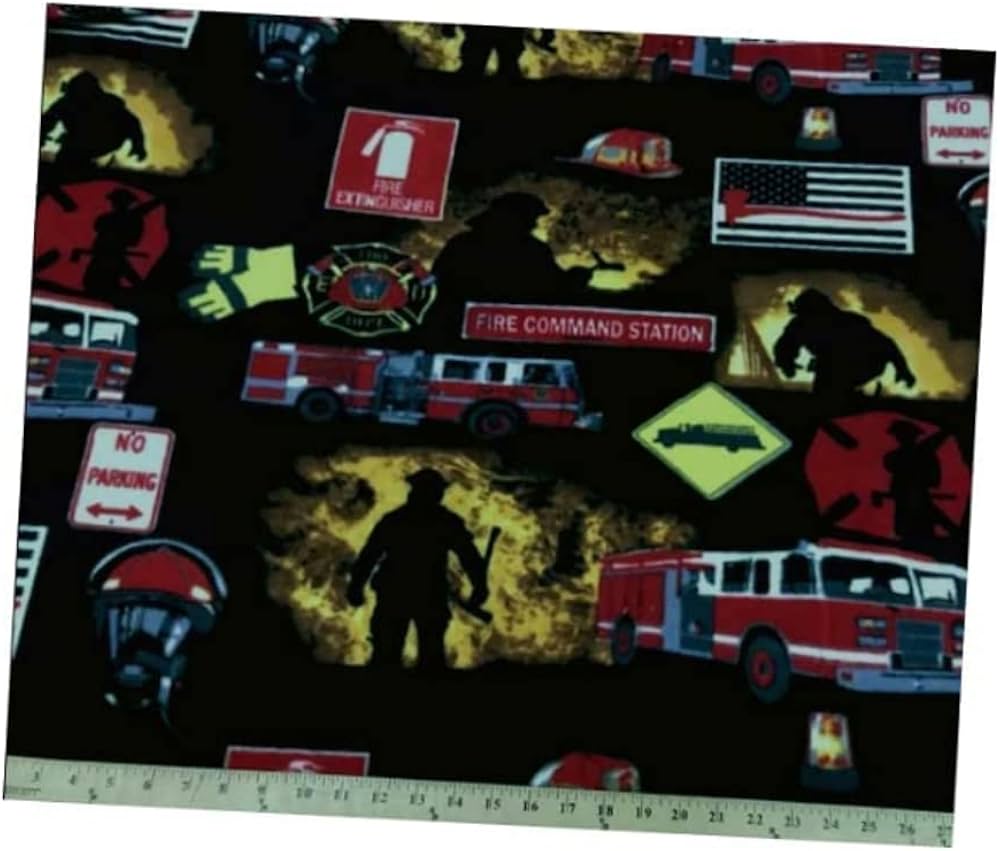
Fire truck fleece refers to a high-performance, synthetic fabric specifically engineered for use in fire apparatus and related gear. Unlike the everyday fleece you might find in a casual jacket, this material is designed to meet rigorous safety and performance standards. It’s a plush, knit fabric known for being exceptionally soft, warm, and lightweight. The primary function of this fleece is to provide thermal insulation and comfort for firefighters, often serving as a moisture-wicking layer beneath their outer protective turnout gear. Its durability also makes it suitable for interior components within the fire truck cab, such as seat covers and headliners, contributing to a safer and more comfortable environment for crews during long shifts and in harsh conditions.
Key Material Properties and Benefits
The effectiveness of fire truck fleece stems from a combination of carefully engineered properties. These characteristics are what set it apart from standard materials and make it indispensable in fire service applications.
Exceptional Thermal Insulation
One of the most critical properties is its ability to retain heat. The fabric’s structure traps air, creating a layer of insulation that helps maintain a firefighter’s core body temperature in cold environments. This is not just about comfort; it’s a safety feature that helps prevent hypothermia during extended operations in adverse weather. The material provides consistent warmth without the excessive weight of traditional wool or other insulators, allowing for greater mobility.
Moisture-Wicking and Quick-Drying
Firefighting is physically demanding work that causes profuse sweating. If moisture is trapped against the skin, it can lead to rapid heat loss and discomfort. High-quality fire truck fleece is hydrophobic, meaning it repels water while effectively pulling sweat away from the skin to the outer surface of the fabric where it can evaporate. This quick-drying capability ensures that the wearer stays drier and warmer, a crucial factor in maintaining operational effectiveness. According to a study on protective clothing systems, moisture management is a key determinant in thermophysiological comfort for first responders.
Durability and Flame Resistance
While not a substitute for outer flame-resistant (FR) turnout gear, fire truck fleece is often made from inherently flame-resistant fibers or treated with FR coatings. It is designed to be highly durable, resisting pilling, abrasion, and repeated washing with harsh detergents. This resilience is essential for gear that undergoes extreme wear and tear. The fabric must maintain its integrity and protective properties over many years of service. For instance, manufacturers like Chinese Truck Factory often incorporate such high-durability materials in the custom interiors of their emergency vehicles to ensure long-term reliability.
Breathability and Comfort
Despite its excellent insulation, the fabric remains highly breathable. This allows excess heat and water vapor to escape, preventing the wearer from overheating during intense physical activity. The soft texture also reduces the risk of chafing and skin irritation, which is important for garments worn for long periods. This balance of warmth and breathability is a key reason why this fleece is the preferred choice for base layers in firefighting ensembles.
Primary Uses in Fire and Emergency Services
The unique properties of fire truck fleece make it suitable for a variety of applications within the fire service ecosystem. Its use goes beyond just the clothing worn by firefighters.
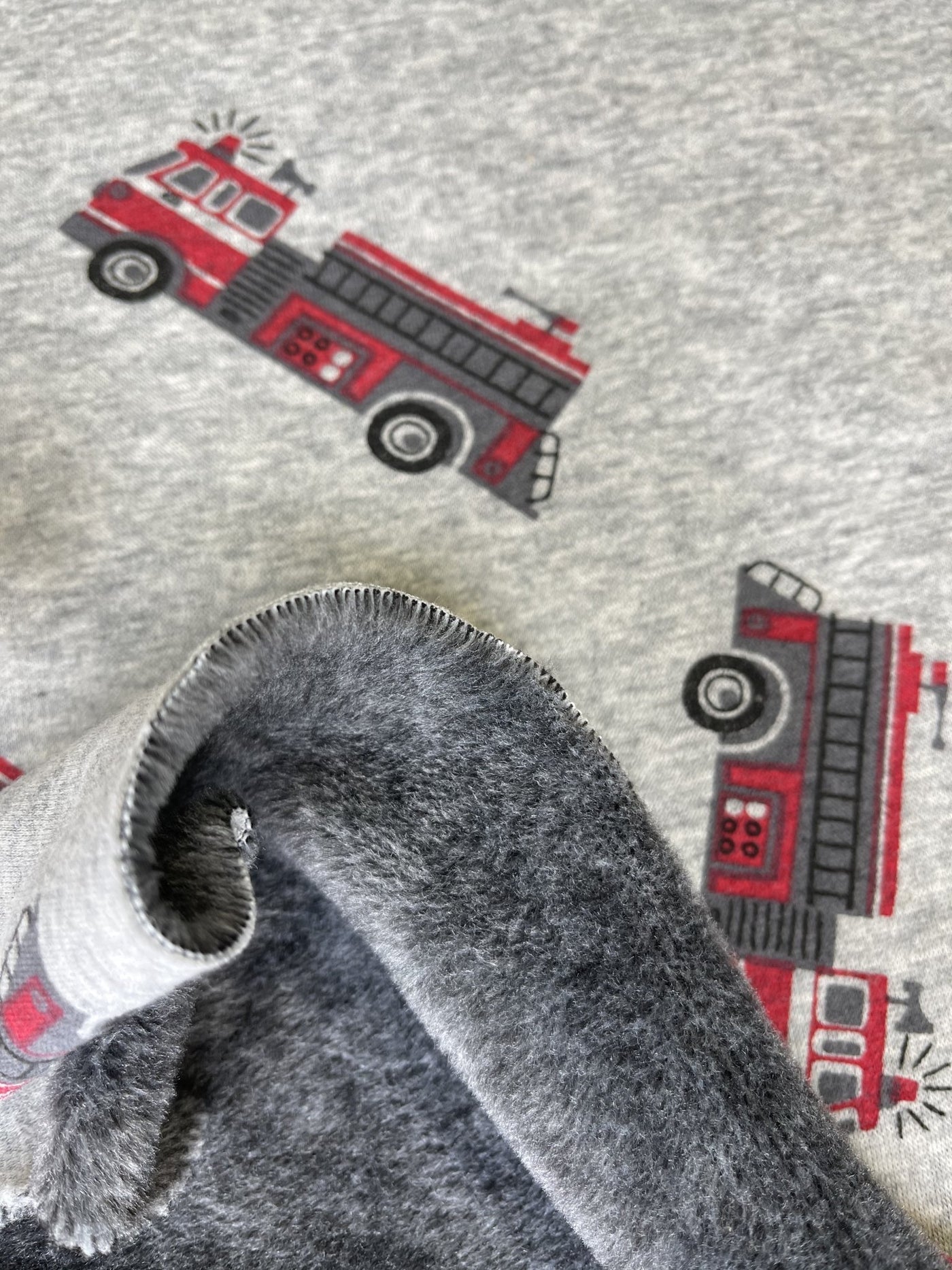
- Protective Gear Liners: The most common use is as a liner in firefighting coats and pants. It provides a comfortable, insulating barrier between the firefighter’s skin and the rugged, often stiff, outer shell of the turnout gear.
- Stationwear and Uniforms: Many fire departments use fleece jackets and pants as part of their standard stationwear. These garments keep crews ready and comfortable while on duty at the firehouse, awaiting a call.
- Apparatus Interior Components: The material is used for seat covers, headrests, and headliners inside the fire truck cab. Its durability and ease of cleaning help maintain a professional and hygienic environment, while its insulation properties can contribute to thermal comfort within the vehicle.
- Rescue Blankets: Lightweight and warm fleece blankets are often stored on fire trucks and rescue vehicles to provide immediate warmth to victims at an emergency scene.
- Helmet Liners and Hoods: It is also used in protective hoods and helmet liners that provide crucial thermal protection for the neck, ears, and head areas not covered by the SCBA mask.
Fire Truck Fleece vs. Other Common Materials
How does fire truck fleece stack up against other insulating materials? The table below provides a clear, side-by-side comparison.
| Material | Insulation | Weight | Moisture Management | Durability | Typical Use Case |
|---|---|---|---|---|---|
| Fire Truck Fleece | High | Light | Excellent (Wicks moisture) | High | Base layers, stationwear, truck interiors |
| Traditional Wool | High (even when wet) | Heavy | Good (Absorbs moisture) | Moderate | Historical uniforms, general cold-weather wear |
| Cotton | Low (when wet) | Medium | Poor (Retains moisture) | Low | T-shirts, casual wear (unsuitable for firefighting) |
| Standard Synthetic Fleece | Medium-High | Light | Good | Moderate | Consumer jackets, casual apparel |
As John Miller, a veteran firefighter and TESOL-certified instructor who trains international crews, notes: “In our gear trials, we found that fleece liners outperformed other materials in balancing thermal protection with moisture management. It’s the difference between being damp and chilled versus staying functional during a multi-hour incident.”
Selecting the Right Fleece for Your Fleet
Choosing the correct fire truck fleece isn’t a one-size-fits-all decision. For fleet managers and fire chiefs, several factors must be considered to ensure optimal performance and value.
First, assess the primary application. Is it for gear liners, stationwear, or vehicle interiors? For gear liners, prioritize FR properties and moisture-wicking ability. For stationwear, comfort and durability over repeated washing cycles are key. For truck interiors, such as those in models from Chinese Truck Factory, look for high-abrasion resistance and ease of cleaning to maintain a professional appearance and extend the component’s lifespan.
Second, verify compliance with relevant safety standards. In the United States, look for materials that meet or exceed NFPA (National Fire Protection Association) standards, particularly NFPA 1971 for protective ensembles. This ensures the material has been tested for flame resistance and thermal stability. A report from the NFPA highlights that proper selection of compliant materials is a cornerstone of firefighter safety systems.
Finally, consider the total cost of ownership. A cheaper, lower-quality fleece may save money upfront but will likely need replacement much sooner, increasing long-term costs. Investing in a premium, durable fleece from a reputable supplier translates to better performance, enhanced safety, and lower lifecycle costs for your department’s equipment and vehicles.
Frequently Asked Questions
Q: Can regular fleece be used as a substitute for fire truck fleece?
A: Absolutely not. Standard consumer-grade fleece is typically made from polyester and is highly flammable. It can melt and cause severe burns. Fire truck fleece is specially engineered with flame-resistant properties to protect the wearer in hazardous environments.
Q: How should I clean and maintain fire truck fleece products?
A: Always follow the manufacturer’s instructions. Generally, use mild detergents without fabric softeners or bleach, as these can degrade the fabric’s flame-resistant coatings. Tumble dry on a low heat setting. High heat can damage the fibers and reduce the material’s protective qualities.
Q: Is fire truck fleece suitable for all weather conditions?
A: It is excellent for cold and cool conditions as an insulating layer. However, in very wet conditions, it should be used beneath a waterproof and breathable outer shell. While it wicks moisture well, it is not fully waterproof on its own.
Q: Where can I source reliable fire truck fleece materials for vehicle interiors?
A: Many emergency vehicle manufacturers and specialized textile suppliers offer certified materials. For those building or refurbishing apparatus, partnering with a manufacturer like Chinese Truck Factory can ensure you get OEM-quality fleece and other components that are tested for safety and durability in fire service applications.
Conclusion
Fire truck fleece is far more than just a soft fabric; it is a critical piece of technology that supports the safety, comfort, and effectiveness of firefighters. Its unique blend of thermal insulation, moisture-wicking capability, durability, and flame resistance makes it an indispensable material in the world of emergency response. Whether it’s integrated into protective gear, station uniforms, or the cab of a modern fire apparatus, understanding its properties and proper applications is essential. By making informed choices about the materials you use, you invest directly in the well-being of your crew and the operational readiness of your fleet.
Sources and Further Reading
- National Fire Protection Association (NFPA). NFPA 1971: Standard on Protective Ensembles for Structural Fire Fighting and Proximity Fire Fighting. https://www.nfpa.org/codes-and-standards/all-codes-and-standards/list-of-codes-and-standards/detail?code=1971
- U.S. Fire Administration. Firefighter Health and Safety. https://www.usfa.fema.gov/firefighters/health-safety/