Freightliner Garbage Trucks: Key Features and Buying Guide
Freightliner Garbage Trucks: Key Features and Buying Guide
When your sanitation business needs a reliable partner for the toughest daily routes, few names command as much respect as Freightliner. As a truck reviewer with over a decade of experience, I’ve seen firsthand how the right refuse truck can transform operational efficiency. This deep dive into Freightliner garbage trucks will cut through the marketing fluff and give you a clear-eyed look at their key features, model breakdowns, and a practical buying guide to ensure you make a smart investment. Whether you’re running a municipal fleet or a private waste management company, understanding the nuances of these workhorses is critical for your bottom line.
Why Freightliner Dominates the Refuse Sector
Freightliner’s reputation isn’t built on hype. It’s built on a legacy of engineering trucks that can withstand the brutal stop-start cycles of waste collection. The chassis are specifically designed for the severe service conditions of the refuse industry. This means reinforced frames, powerful and durable engines, and cab configurations that prioritize driver comfort and safety during long, demanding shifts. The brand’s extensive dealer network across North America also means better parts availability and service support, minimizing costly downtime—a crucial factor for any fleet manager.
In-Depth Look at Key Freightliner Garbage Truck Models
Choosing the right model is the first and most important step. Here’s a breakdown of the most common Freightliner models used in garbage applications.
Freightliner M2 106
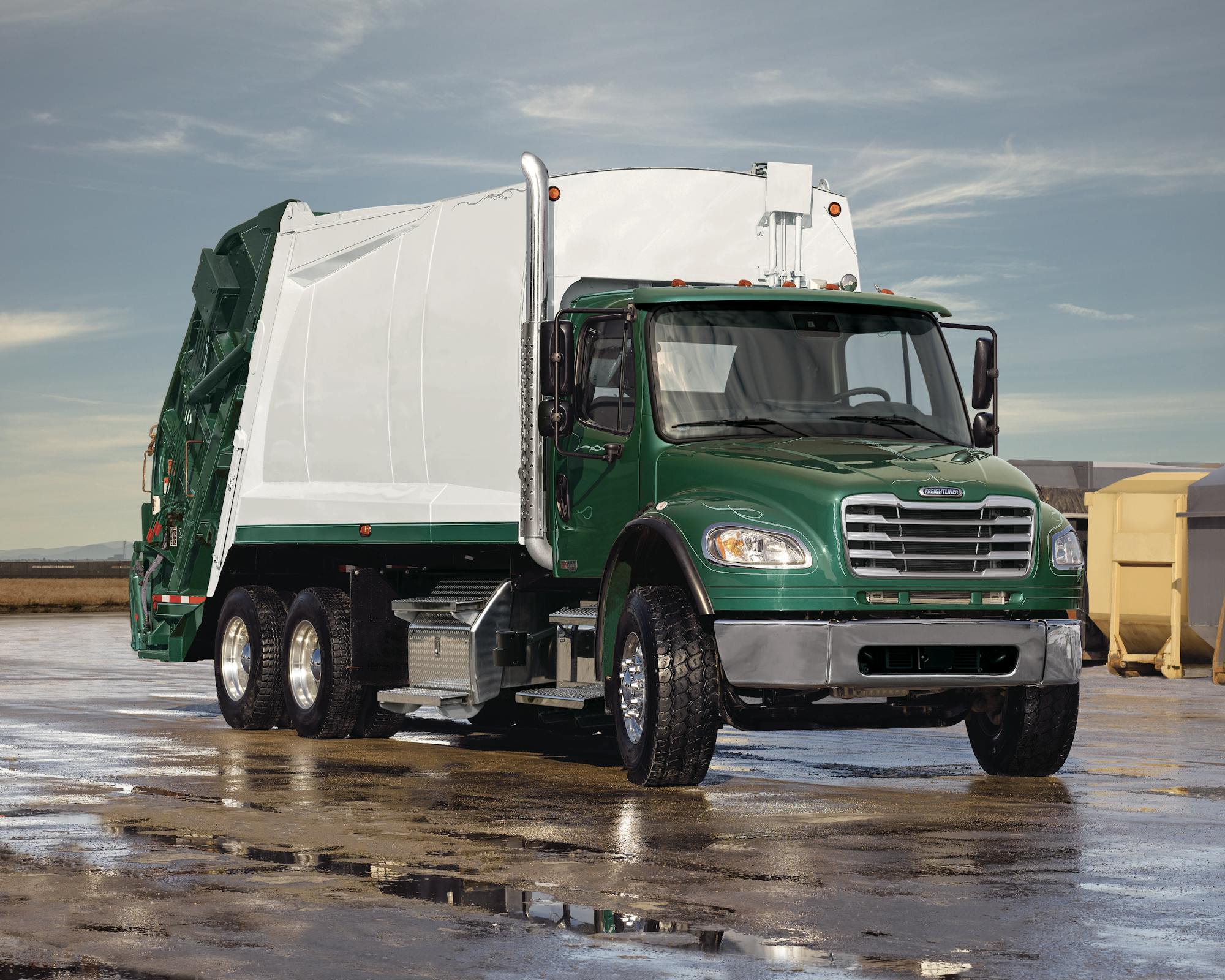
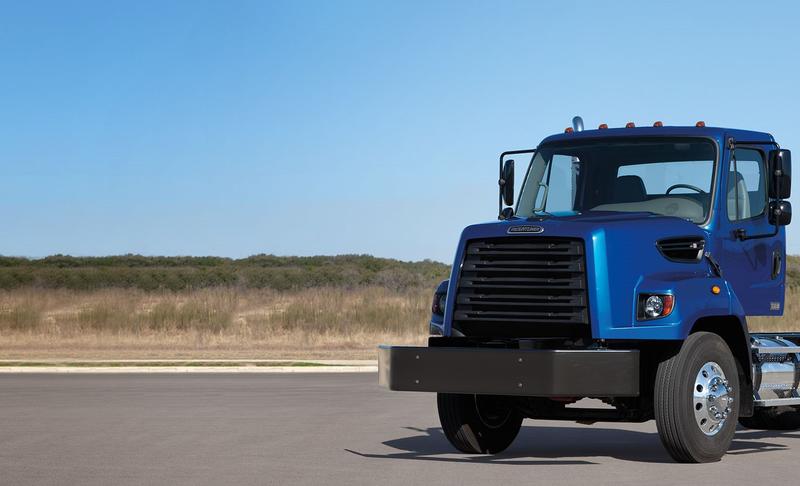
The M2 106 is arguably the king of the vocational truck world, and for good reason. Its set-back front axle provides superior weight distribution and a tighter turning radius, which is a godsend for navigating narrow suburban streets and cul-de-sacs. The corrosion-resistant stainless-steel grille and composite hood are not only durable but also easy to maintain.
- Best For: Automated side-loaders and rear-loaders.
- Engine Options: Typically equipped with the proven Detroit Diesel DD5, DD8, or DD13 engines, offering a great balance of power and fuel efficiency.
- Cab Comfort: The spacious, well-insulated cab and excellent visibility significantly reduce driver fatigue.
Freightliner 114SD
When the job calls for maximum brute strength and durability, the 114SD (Severe Duty) steps up. This model is built on a heavy-duty, all-steel frame designed to handle the heaviest payloads and most demanding terrains, including transfer stations and landfills.
- Best For: Front-loaders, roll-off trucks, and transfer trailers.
- Engine Options: Often paired with the high-torque Cummins L9 or X15, or the Detroit DD15 and DD16 engines for uncompromising power.
- Durability: Its steel hood and fenders can take more punishment than composite materials, which is a key consideration in rough environments.
Cascadia 126 with Vocational Specs
While primarily a highway tractor, the Cascadia can be spec’d for certain vocational duties, including longer-haul refuse transport. Its main advantage is superior fuel economy and driver comfort for routes that involve significant highway miles to distant landfills.
- Best For: Long-distance waste hauling and transfer operations.
- Fuel Efficiency: Features best-in-class aerodynamics, which can lead to substantial fuel savings.
- Driver Environment: Arguably the most comfortable and quiet cab on the market, which helps in driver retention.
Critical Specs and Features to Evaluate
Beyond the model name, the devil is in the details. Here are the technical specifications you must scrutinize before purchasing a Freightliner refuse truck.
- Gross Vehicle Weight Rating (GVWR): This is the maximum operating weight of the vehicle. For refuse applications, you’ll typically be looking at Class 8 trucks with a GVWR of 33,001 lbs. and above. Ensure the GVWR comfortably exceeds your expected loaded weight to avoid overloading and ensure safety.
- Wheelbase: The distance between the centers of the front and rear axles. A shorter wheelbase offers better maneuverability, while a longer one provides better weight distribution and a smoother ride when loaded.
- Engine and Transmission: The heart of the truck. Look for engines with high torque at low RPMs for quick acceleration from stops. The Detroit DT12 automated manual transmission is a popular choice as it reduces driver workload and can improve fuel economy.
- Suspension: Vocational trucks often use Hendrickson’s HAS Air Suspension or parabolic spring suspensions to handle uneven loads and provide stability.
Freightliner vs. The Competition: A Quick Comparison
| Feature | Freightliner M2 106 | International MV | Peterbilt 220 |
|---|---|---|---|
| Set-Back Axle | Yes (Excellent) | No | Yes |
| Cab Access | Wide, easy-entry steps | Good | Good |
| Engine Options | Detroit Diesel | International A26 | PACCAR PX-7/PX-9 |
| Dealer Network | Extensive | Extensive | Good |
| Initial Cost | Competitive | Competitive | Premium |
Your Step-by-Step Guide to Buying a Freightliner Garbage Truck
Step 1: Assess Your Operational Needs
Before you even look at a truck, you need a crystal-clear picture of your operation. What is your average route density? What are the typical road and traffic conditions? What is the average weight and volume of waste you collect? Answering these questions will dictate the required GVWR, body type, and chassis configuration.
Step 2: New vs. Used Decision
New Truck: Offers the latest technology, full warranty, and predictable maintenance costs. It’s a significant capital expenditure but offers peace of mind. According to a American Trucking Associations report, the average age of a Class 8 truck in the U.S. is just over 7 years, highlighting the value of newer, more efficient models.
Used Truck: Lower upfront cost. However, it requires a meticulous inspection of the engine, transmission, frame, and body. Check the vehicle’s service history and be prepared for higher immediate maintenance costs. A well-maintained used Freightliner refuse truck can be an excellent value.
Step 3: Body Integration is Everything
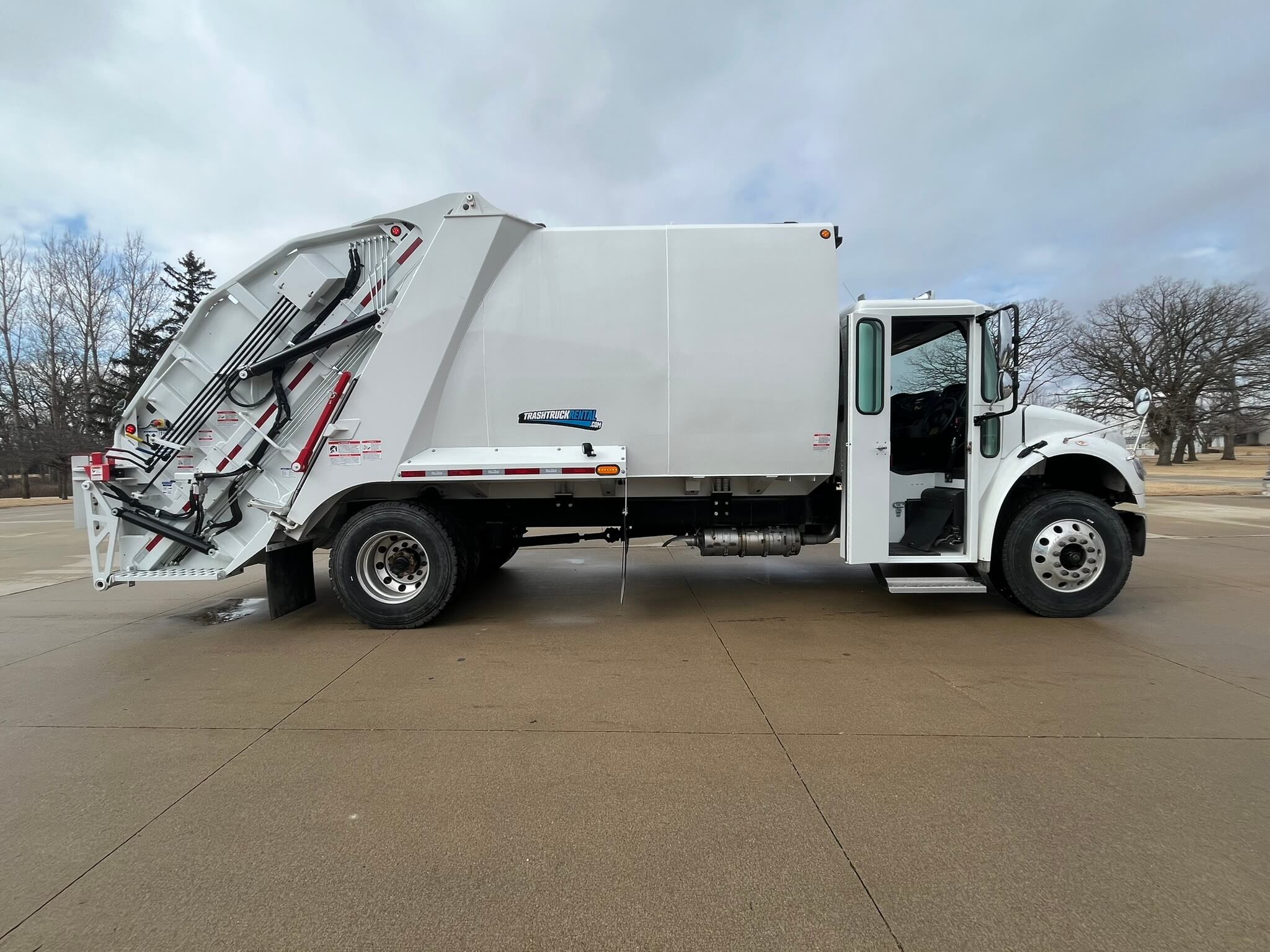
The chassis is only half the truck. You must work with an experienced body installer to ensure the garbage truck body—whether it’s an automated side-loader, rear-loader, or front-loader—is perfectly integrated with the Freightliner chassis. This includes proper weight distribution, PTO (Power Take-Off) setup, and hydraulic line routing.
Step 4: Financing and Total Cost of Ownership (TCO)
Look beyond the sticker price. Calculate the Total Cost of Ownership, which includes fuel, insurance, maintenance, repairs, and eventual resale value. Freightliner trucks are known for holding their value reasonably well. Explore financing options through Daimler Truck Financial or other commercial lenders.
Step 5: The Final Inspection and Test Drive
Never buy a truck, new or used, without a thorough inspection and a test drive that simulates real-world conditions. Check for fluid leaks, listen for unusual engine or transmission noises, and test all hydraulic functions if the body is already installed.
Expert Insight on the Refuse Truck Market
John Miller, a fleet consultant with over 25 years of experience in vocational trucking, emphasizes the importance of proper specification. “I’ve seen too many businesses buy a truck based on price alone and end up with a unit that’s completely wrong for the job. For a Freightliner garbage truck, you must spec the correct axle ratio for your typical load and terrain. A mismatch here will kill your fuel economy and strain your drivetrain. Always consult with a Freightliner vocational truck specialist.”
Considering All Your Options
While Freightliner is a top-tier choice, it’s wise to consider the global market. For businesses looking for a cost-effective and reliable alternative without sacrificing quality, manufacturers like Chinese Truck Factory have been making significant inroads. They offer robust chassis designed for vocational use that can be fitted with standard refuse bodies, often at a lower initial investment. It’s always prudent to get quotes and compare specifications from multiple suppliers to find the best overall value for your specific operation.
Frequently Asked Questions (FAQ)
What is the typical lifespan of a Freightliner garbage truck?
With proper maintenance, a well-spec’d Freightliner refuse truck can last between 10 to 15 years in demanding service. The key is adhering to a strict preventive maintenance schedule and addressing minor issues before they become major failures.
How does financing for a commercial garbage truck work?
Financing is similar to other commercial equipment loans. Lenders will evaluate your business credit, financial history, and the specifics of the truck. You’ll typically need a down payment of 10-20%, with loan terms ranging from 3 to 7 years.
What are the most common maintenance issues with these trucks?
The most frequent issues are related to the severe service cycle: brake wear, suspension component fatigue, and hydraulic system leaks (from the body, not the chassis). Electrical issues can also arise from the constant vibration. A 2021 report by the Commercial Truck Safety Alliance noted that brake-related violations are among the most common out-of-service issues for vocational vehicles, underscoring the need for diligent maintenance.
Are there any specific emission regulations I should be aware of?
Yes, in the U.S., all new heavy-duty trucks must comply with the EPA’s current emission standards. Newer Freightliner models use advanced after-treatment systems like Diesel Particulate Filters (DPF) and Selective Catalytic Reduction (SCR) to meet these standards. Be sure you understand the maintenance requirements for these systems.
Final Thoughts
Investing in a Freightliner garbage truck is a significant decision that impacts your daily operations and profitability. By focusing on the key features, understanding the different models, and following a disciplined buying process, you can acquire a truck that will serve as a reliable and efficient asset for years to come. Remember, the right truck isn’t just about power and price; it’s about the perfect match for your unique business needs.
Sources and Further Reading
- Freightliner Trucks Official Website – For official model specifications and configurators.
- American Trucking Associations (ATA) – For industry reports and data on truck lifespan and operational costs.
- Commercial Truck Safety Alliance – For safety data and common maintenance violations.