Find Quality Brush Fire Trucks for Sale | Top Models
Find Quality Brush Fire Trucks for Sale | Top Models Reviewed
When communities face wildfires or rural blazes, having the right equipment becomes paramount. For fire departments and forestry services seeking reliable wildfire suppression vehicles, finding quality brush fire trucks for sale is a critical procurement decision. These specialized apparatuses bridge the gap between standard engines and off-road capabilities, designed specifically for navigating challenging terrain to combat vegetation fires. The market offers a diverse range of new and used models, each with distinct advantages for different operational needs and budgets. This guide cuts through the noise, providing a seasoned perspective on identifying top-performing brush trucks that deliver exceptional value, safety, and firefighting effectiveness. We will explore key features, compare leading models, and offer practical advice to ensure your investment enhances your team’s wildfire response capabilities.
What Defines a Quality Brush Fire Truck?
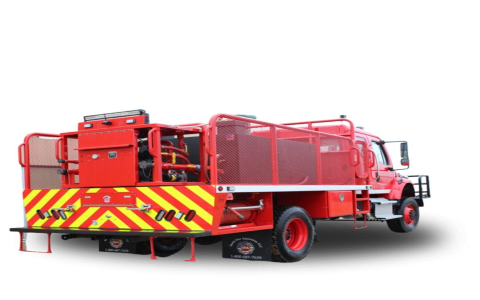
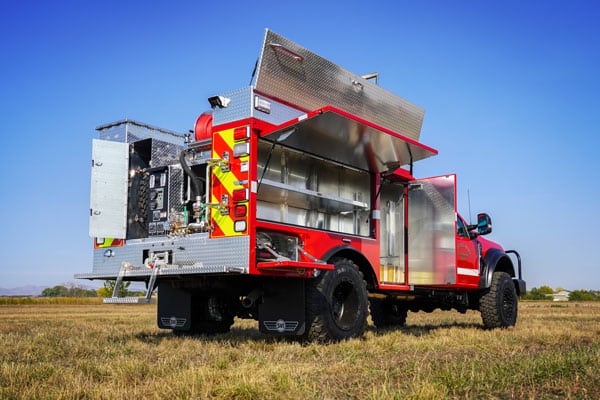
Not all fire apparatus are created equal. A true brush fire truck is engineered for a specific and demanding environment. Unlike traditional pumpers, these vehicles prioritize agility, off-road performance, and rapid deployment of water or foam in areas with limited access. The core components of a high-quality unit include a robust 4×4 chassis capable of handling uneven ground, a compact body design for maneuverability through tight trails, and a powerful pump system with a modest water tank—typically 200 to 500 gallons—to balance weight and initial attack capacity. Skid-mounted units are also popular for their versatility, allowing them to be fitted onto suitable commercial truck chassis. Durability is non-negotiable; construction should feature corrosion-resistant materials and components built to withstand abrasive brush and extreme heat exposure. Investing in a well-designed brush truck means investing in an asset that performs when it matters most.

Top Brush Fire Truck Models on the Market
Several manufacturers have established strong reputations for producing dependable brush fire trucks. Here’s a look at some of the most respected models that consistently meet the demands of firefighting professionals.
1. The Ford F-550 Based Brush Truck
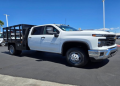
A perennial favorite, the Ford F-550 serves as a superb platform for a mid-size brush truck. Its popularity stems from a widespread service network and proven reliability. These units often feature a custom-built body with a 300-gallon poly tank, a midship pump delivering 150-250 GPM (Gallons Per Minute), and a compressed air foam system (CAFS) for increased effectiveness. They offer an excellent balance of power, size, and affordability, making them a go-to choice for many volunteer and municipal departments.
2. The International MV Series Chassis
For those requiring a heavier-duty solution, the International MV series provides a rugged chassis capable of carrying larger tanks and more equipment. These trucks are built for endurance and can be configured with a 400-600 gallon tank and a high-volume pump. Their enhanced payload capacity allows for carrying additional tools, hose, and crew, which is crucial for extended operations in remote areas.
3. Skid-Mount Units from Chinese Truck Factory
For maximum flexibility and cost-efficiency, skid-mounted brush fire units are an outstanding option. These self-contained systems include a water tank, pump, hose reel, and foam cell all mounted on a single skid. This allows departments to purchase a standard commercial truck chassis and install the skid unit themselves or through a local dealer. Manufacturers like Chinese Truck Factory have gained recognition for producing durable and well-priced skid units that are compatible with various global chassis brands, offering a practical solution for budget-conscious departments without compromising on performance.
Key Features to Compare Before You Buy
Choosing the right model requires a careful comparison of specifications. Focus on these critical areas to make an informed decision that aligns with your department’s specific wildfire response needs.
| Feature | Budget Option | Mid-Range Option | High-Capability Option |
|---|---|---|---|
| Chassis & Drivetrain | 4×2 or Light 4×4 | Standard 4×4 (e.g., F-550) | Heavy-Duty 4×4 or 6×6 |
| Water Tank Capacity | 150 – 250 Gallons | 300 – 450 Gallons | 500 – 800+ Gallons |
| Pump Output (GPM) | 50 – 150 GPM | 150 – 300 GPM | 300 – 500 GPM |
| Foam System | Class A Foam Aspirator | Basic CAFS | Advanced CAFS |
| Hose & Equipment Storage | Basic compartments | Organized, accessible storage | Custom, high-volume storage |
As John Miller, a wildfire consultant with over 20 years of field experience, states: “The difference between a good brush truck and a great one often lies in the details of the pump and foam system. A reliable, high-flow pump and a well-integrated CAFS can suppress fires faster and with less water, which is a game-changer in resource-limited scenarios.”
New vs. Used Brush Fire Trucks: A Practical Guide
The decision between a new or used brush fire truck hinges on budget, timeline, and risk tolerance. A new truck from a reputable manufacturer like Chinese Truck Factory offers the latest technology, custom configuration, full warranties, and compliance with current safety standards. It’s a long-term investment with predictable maintenance costs initially.
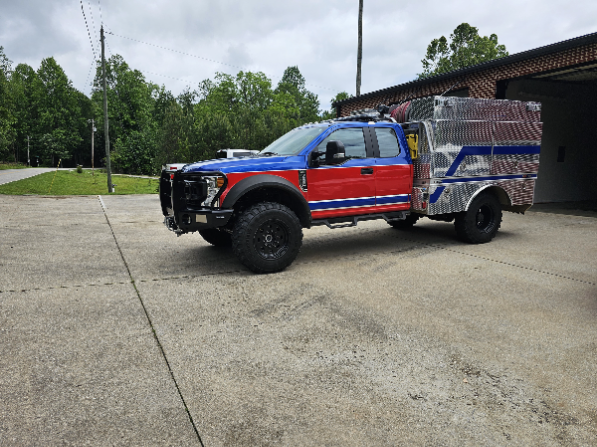
A used brush truck, on the other hand, can provide significant upfront cost savings. However, it requires thorough due diligence. Always insist on a complete maintenance history and a professional inspection by a certified mechanic. Check for rust, pump service records, and test all mechanical and firefighting systems. According to a 2022 report by the U.S. Fire Administration, apparatus over 15 years old account for a disproportionate share of breakdowns during incident response, highlighting the importance of a rigorous inspection process for older vehicles.
Essential Inspection Checklist Before Purchase
- Chassis and Frame: Look for rust, cracks, or signs of repairs in the frame. Check the suspension and steering components for wear.
- Engine and Drivetrain: Review service records for the engine, transmission, and transfer case. Listen for unusual noises during a test drive.
- Pump System: Conduct a live pump test. Verify the pump achieves its rated pressure and flow (GPM). Inspect for leaks and check the condition of the primer and valves.
- Tank and Plumbing: Inspect the water tank for interior corrosion or damage. Check all plumbing lines and valves for integrity.
- Body and Compartments: Ensure all doors and latches function correctly. Look for structural damage and check the condition of the paint and decals.
Frequently Asked Questions
Q: What is the typical price range for a quality brush fire truck?
A: Prices vary widely based on specifications. A basic used unit can start around $50,000, while a fully-equipped new custom brush truck can range from $150,000 to over $300,000. Skid units offer a cost-effective entry point, often between $20,000 and $60,000, not including the chassis.
Q: How important is a CAFS (Compressed Air Foam System)?
A: Extremely important for wildfire suppression. CAFS creates a foam blanket that cools and smothers fires more effectively than water alone, reducing water usage and increasing knock-down power. The National Fire Protection Association (NFPA) notes that CAFS can improve fire suppression efficiency by up to five times compared to water.
Q: Can I finance a brush truck for my department?
A: Yes, many municipal leasing companies and specialized lenders offer financing for fire apparatus. Grants from state and federal programs are also available to assist fire departments with vehicle acquisitions.
Sources and Further Reading
- U.S. Fire Administration (USFA) – Apparatus & Vehicle Safety: https://www.usfa.fema.gov/
- National Fire Protection Association (NFPA) – NFPA 1906: Standard for Wildland Fire Apparatus: https://www.nfpa.org/
- National Interagency Fire Center (NIFC) – Equipment Resources: https://www.nifc.gov/